


Children process language through a developing emotional lens, and this means the gap between what an adult intends to communicate and what a child actually receives can be surprisingly wide. When adults speak, they often rely on tone, context, and life experience to give meaning to their words, but children whose brains are still learning how to regulate emotions, read nuance, and interpret social cues tend to absorb messages in far more literal and emotional ways. This disconnect can shape their sense of security, confidence, and emotional intelligence. A phrase that feels simple or harmless to an adult may feel confusing, dismissive, or overwhelming to a child.
1. Calm

When adults tell a child to “calm down,” the intention is usually to help them regain control or reduce chaos, but from a child’s perspective, the phrase often feels like a command to shut off emotions they don’t yet know how to navigate. Children rarely understand what calming down even means in the moment, especially when their brains are overwhelmed by fear, frustration, disappointment, or sensory overload. Without the skills to self-regulate, the phrase can feel like an expectation they can’t possibly meet, creating a sense of failure or rejection. Instead of hearing a comforting reminder, they may hear that their feelings are too big, too messy, or too inconvenient for the adults around them.
2. Okay

Telling a child “you’re okay” is often meant to reassure them that they are not seriously hurt or that the situation is manageable. However, children interpret this phrase through the raw immediacy of their emotions rather than through logic. When a child is scared, in pain, or startled, hearing “you’re okay” can feel invalidating because it implies they shouldn’t be feeling what they are feeling. In their minds, if they are crying or scared, then they are not okay, and when an adult contradicts that emotional reality, it creates confusion and a sense of being dismissed. Over time, this phrase can unintentionally teach children to suppress their feelings or doubt their own internal experiences.
3. Because

Adults often say “because I said so” to assert authority or to end a debate, but children interpret it very differently because they crave understanding and logic, even if they can’t fully articulate it. To a child, this phrase can come across as a shutdown, an indication that their thoughts, curiosity, or perspective don’t matter. It can leave them feeling powerless, unheard, and disconnected from the adult who is meant to guide them. Children need reasons not because they are trying to challenge authority but because explanations help them learn safety, boundaries, and problem-solving. When adults default to this phrase, it can inadvertently create resentment, confusion, or compliance built on fear rather than trust.
4. Hurry

When an adult urgently says “hurry up,” the intention is usually practical; they need to be somewhere on time. But a child doesn’t experience time or pressure the same way adults do. Children often hear this phrase as criticism, as if their natural pace is wrong or frustrating to the adult. Instead of motivating them, it can trigger stress or even resistance because feeling rushed makes their tasks harder to execute. Young children especially move slowly because they are processing the world, exploring details, or thinking through steps that adults complete automatically.
5. Cry

The phrase “stop crying” is often spoken out of exasperation or a desire to help a child move past overwhelming feelings, but to a child, it can sound like a rejection of their emotional expression. Crying is one of the only tools young children have to communicate distress, especially when their vocabulary or self-awareness is still developing. When told to stop, they may feel that the emotion itself is wrong or unacceptable, creating internal shame and emotional confusion. Instead of reducing tears, the phrase can intensify them because the child now has two struggles: the original emotion and the feeling of being reprimanded for having it.
6. Praise
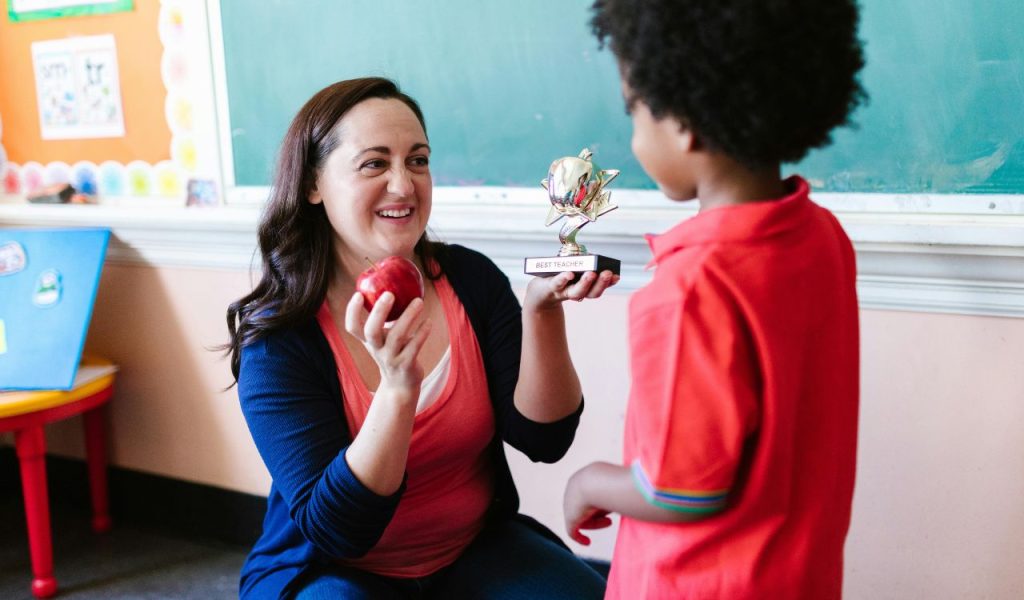
While saying “good job” is meant to encourage and support children, using it excessively or without context can lead to misinterpretations that shape their self-esteem. Children may begin to believe that the approval of adults is tied to performance rather than effort or growth. Instead of feeling proud of their own internal progress, they might start seeking validation externally and feel anxious when they don’t receive praise. Moreover, generic praise doesn’t tell them what they did well, leaving them uncertain about why the adult is pleased. To a child, this can create a subtle pressure to constantly succeed or behave perfectly to maintain approval.
7. Careful

When adults say “be careful,” they mean to keep a child safe, but children often interpret the phrase as a warning that danger is everywhere. The lack of specificity makes it difficult for them to understand what exactly they should be careful about, leading to fear instead of awareness. For a child learning to navigate the world, climbing, running, balancing, or exploring are natural ways to develop skills and confidence. Constantly hearing “be careful” can make them second-guess their abilities or feel overly anxious about normal activities. It signals that the world is unpredictable and that their instincts cannot be trusted.
8. Why

Asking a child “why did you do that?” might be intended to promote reflection or gather information, but for children, especially young ones, the question often triggers defensiveness or confusion. Most of their actions come from impulse, curiosity, or incomplete reasoning, and they may not have the cognitive ability to explain their motivations. Hearing this question when they’re already in trouble can feel like an accusation, not an invitation to reflect. This can cause them to shut down, lie to avoid conflict, or feel ashamed for not knowing the right answer. Instead of learning from the moment, they may focus on avoiding the emotional discomfort of being interrogated.
9. Disappoint

When adults say “I’m disappointed in you,” they intend to address behavior, but children internalize it as a reflection of their worth. To them, disappointment feels personal and heavy, suggesting that their mistakes define who they are rather than what they did. This creates a deep emotional burden that can linger long after the moment has passed. Children naturally seek approval and connection, so hearing that they have failed someone they depend on can lead to guilt, shame, or a sense of inadequacy. Over time, repeated exposure to this phrase can damage self-esteem and make children fear failure, criticism, or emotional vulnerability.