Step back into the 1980s, and your bedroom probably felt like the most important room you owned. It wasn’t just where you slept. It was where your music played, your posters covered the walls, and your personality took shape. During that decade, teenagers especially treated their bedrooms as private worlds. You arranged every detail yourself, from neon bedding to cassette tapes stacked beside your stereo.
What made those rooms feel so special is how personal they were. Before social media and constant online entertainment, your bedroom was where you relaxed, dreamed, and spent hours with friends. You listened to music, flipped through magazines, and planned the future while lying on a beanbag chair. The result was a space that felt creative, loud, colorful, and entirely yours.
1. Posters Turned Walls Into Personal Galleries

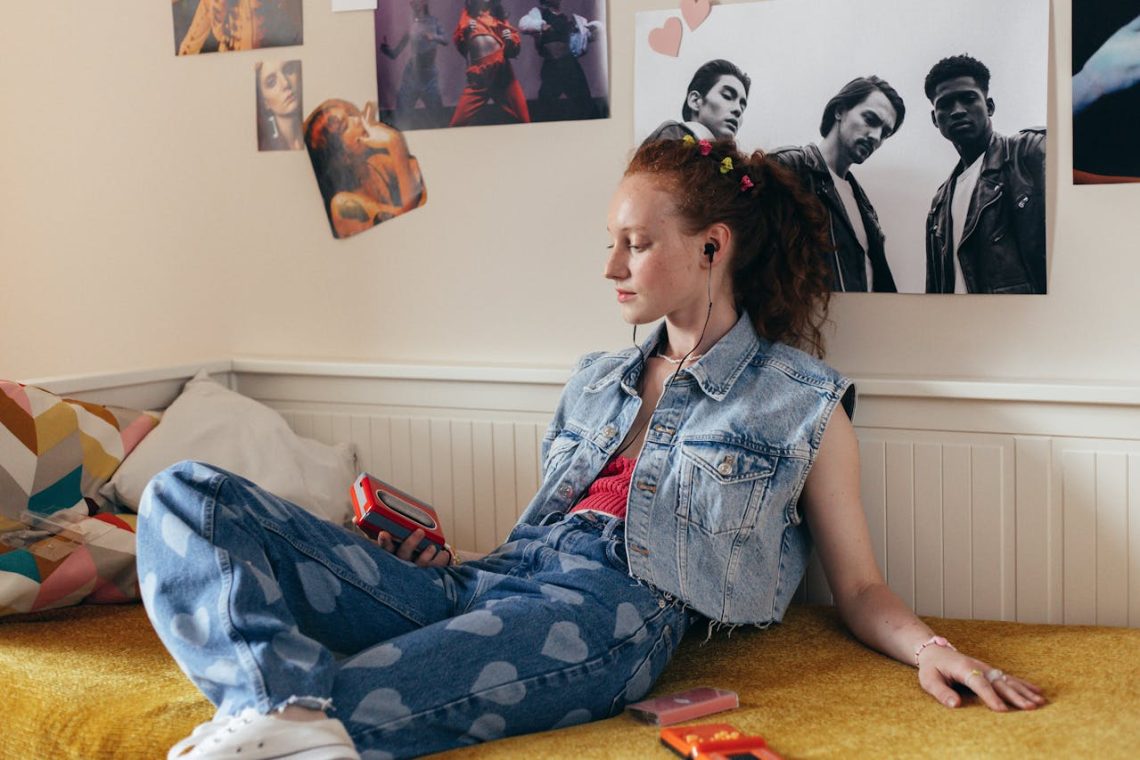
When you stepped into an 80s bedroom, the walls rarely stayed bare. Posters covered nearly every inch, turning ordinary rooms into personal galleries. You picked images of your favorite bands, movie stars, and athletes, and taped them up wherever space allowed. Music magazines like Rolling Stone and Tiger Beat regularly printed posters, making them easy to collect and swap with friends.
This simple habit turned your room into a reflection of your interests. A single wall might feature rock bands, a movie poster, and a famous sports moment all side by side. You didn’t worry about matching décor or design rules. The point was expression.
2. Boomboxes Brought Music Into Every Corner
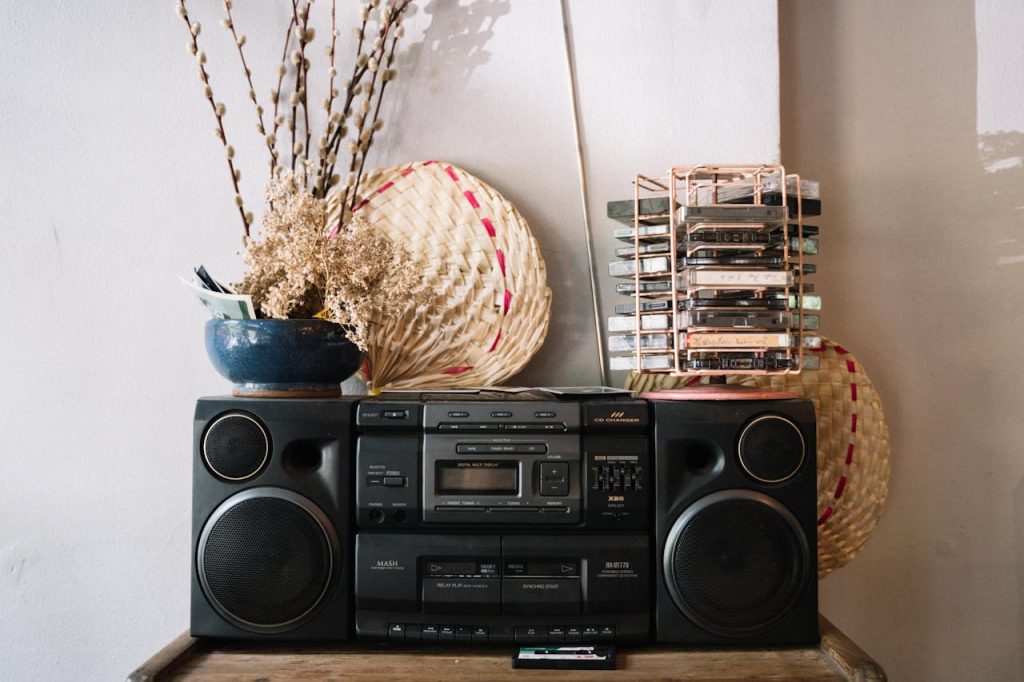
Music defined daily life in the 1980s, and your bedroom often became the center of it. The boombox or stereo system sat proudly on a desk or dresser, ready to blast cassette tapes or the latest radio hits. With the rise of portable cassette players and mixtapes, you controlled what filled the room with sound.
This mattered because music consumption changed dramatically during the decade. According to music industry reports from the Recording Industry Association of America, cassette sales exploded through the 1980s as personal listening grew. That shift meant your bedroom became your private concert hall. You could rewind a favorite song, record tracks off the radio, and build mixtapes that felt completely personal.
3. Neon Colors Made Everything Feel Electric

The 1980s loved bold color, and bedrooms often reflected that energy. Neon pink, bright turquoise, electric purple, and lime green appeared on bedding, lamps, rugs, and wall art. These colors didn’t try to blend quietly into the background. They stood out and made the entire room feel alive.
Design trends of the decade drew influence from pop art and emerging youth culture. Interior design magazines of the time frequently featured vibrant palettes inspired by music videos and arcade graphics. When you walked into an 80s bedroom filled with neon accents, the space instantly felt playful and energetic.
4. Beanbag Chairs Created the Perfect Hangout Spot
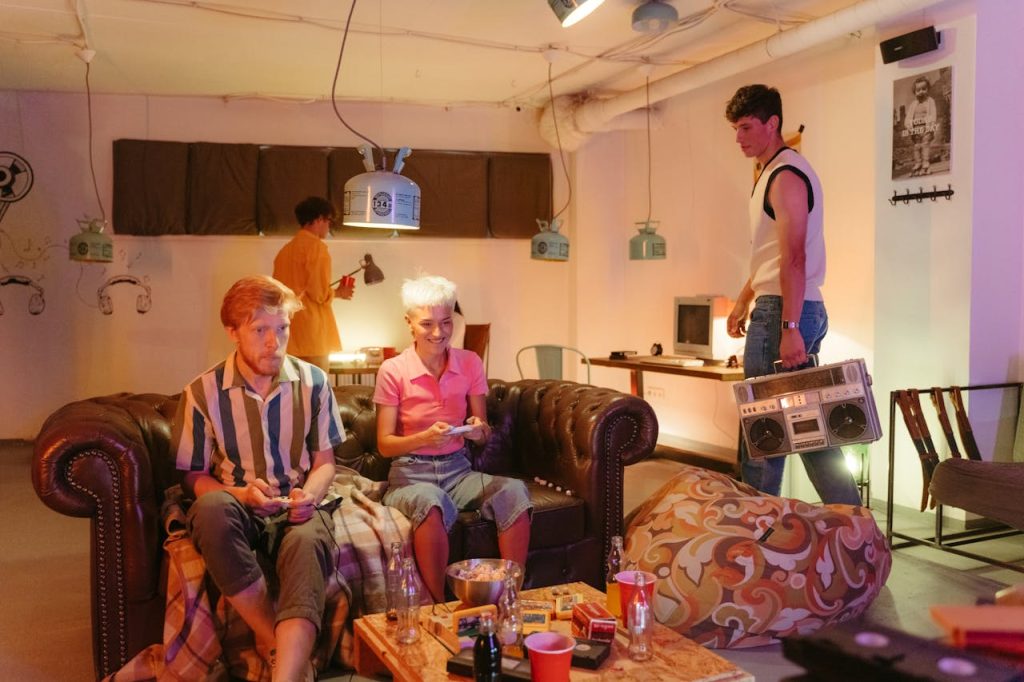
Furniture in many 80s bedrooms focused less on formality and more on comfort. Beanbag chairs quickly became a favorite because they felt casual and flexible. You could toss one in a corner, drop into it while listening to music, or drag it closer to the TV when friends visit.
The design worked because it adapted to whatever you were doing. Instead of sitting stiffly in a desk chair, you relaxed in a seat that molded around you. Furniture historians note that beanbags became widely popular in youth spaces during the late 1970s and 1980s because they were affordable and easy to move. In a bedroom filled with music, posters, and friends, the beanbag chair became the unofficial throne of the decade.
5. Glow-in-the-Dark Décor Made Nights Magical

Turn off the lights in an 80s bedroom, and the room often came alive in a different way. Glow-in-the-dark stars, moons, and planets dotted many ceilings. Posters printed with fluorescent ink glowed softly after dark. Even alarm clocks and stickers sometimes carried that glowing effect.
These decorations worked because they blended fun with imagination. After the lights went out, the ceiling turned into a tiny galaxy. Kids and teenagers could lie back and stare upward while listening to late-night radio. Toy manufacturers widely marketed glow-in-the-dark stickers throughout the decade, and they became a staple of bedroom decoration. The effect felt small but memorable, transforming a regular bedroom into a quiet nighttime universe.
6. Video Game Consoles Changed How You Hung Out
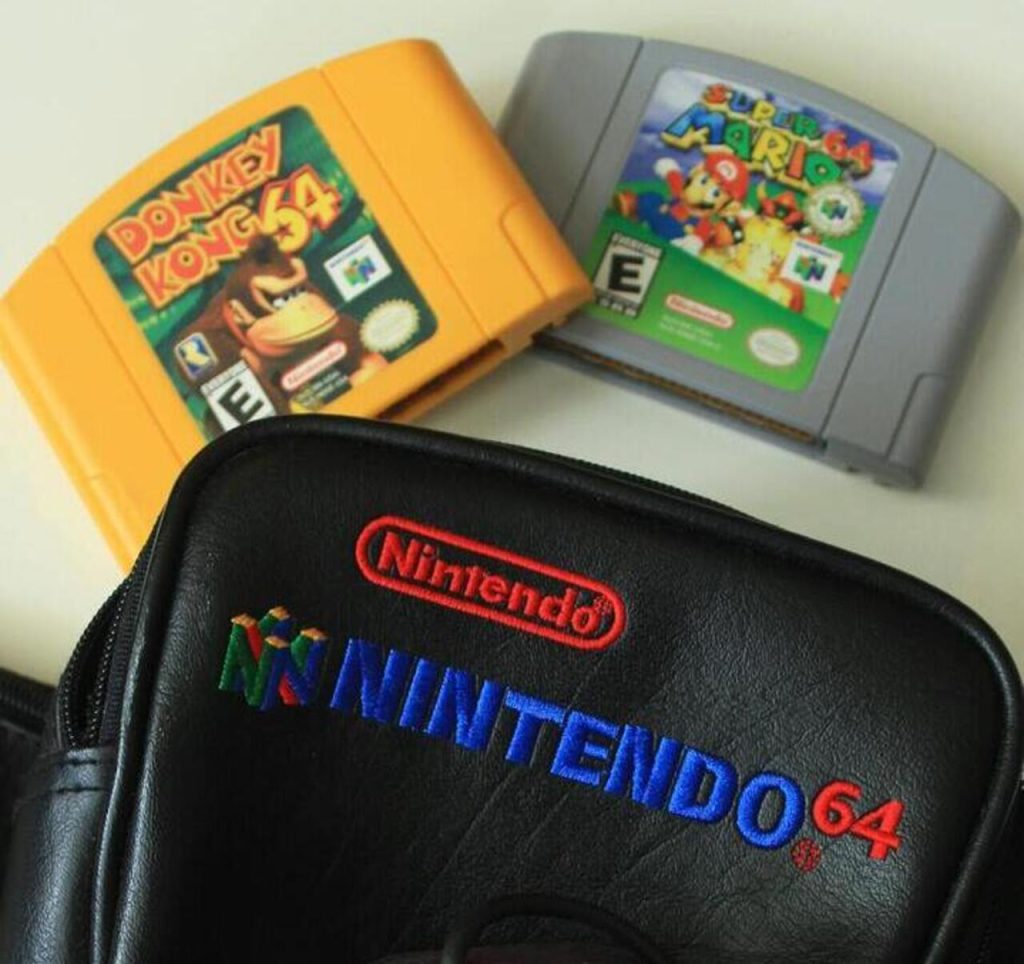
By the mid-1980s, many bedrooms gained a new centerpiece: the video game console. Systems like the Nintendo Entertainment System turned bedrooms into gaming hubs where friends gathered to compete for high scores. Instead of sitting silently, players shouted instructions and celebrated victories.
The growth of home gaming reshaped how young people used their rooms. According to industry reports from Nintendo and early gaming market studies, the NES sold millions of units after its 1985 release in North America. That popularity meant bedrooms often doubled as mini arcades. You could spend hours mastering a difficult level while friends waited for their turn.
7. Personal Gadgets Made the Space Feel Modern
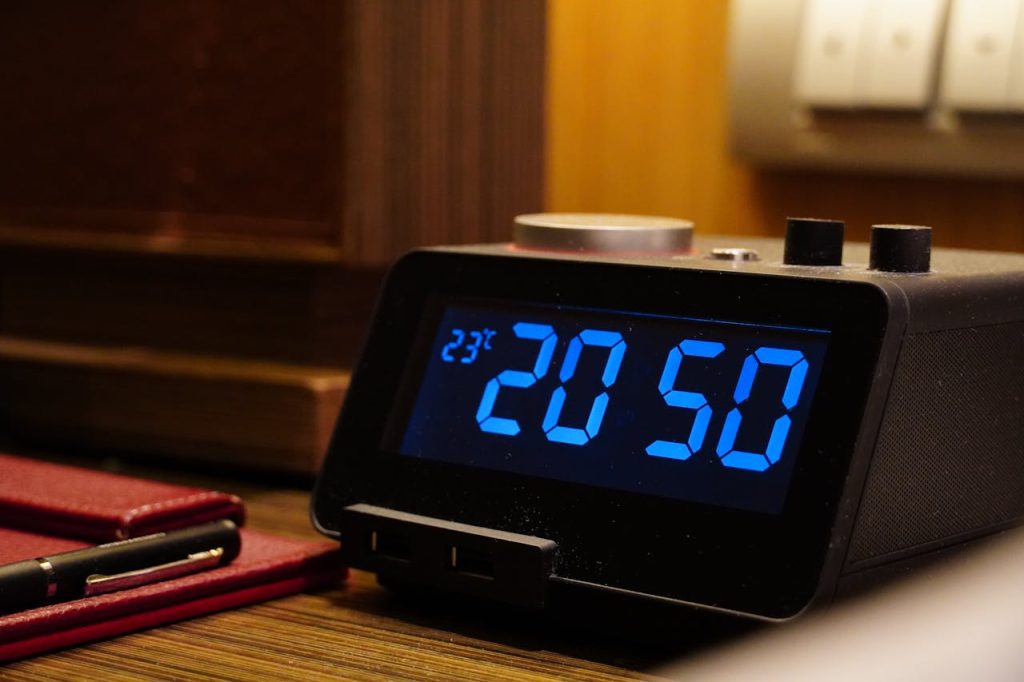
The 1980s introduced gadgets that felt futuristic at the time. Digital alarm clocks with glowing red numbers, portable cassette players, and small desk televisions began appearing in bedrooms. Owning even one of these items made your room feel advanced and modern.
Technology historians often describe the 1980s as a turning point for personal electronics. Devices that once belonged only in living rooms gradually moved into private spaces. When you added a small TV or stereo to your bedroom, you gained independence over what you watched or listened to. That sense of control mattered. The bedroom stopped being just a sleeping space and became your personal media center long before smartphones existed.
8. It Was the First Space That Truly Felt Like Yours
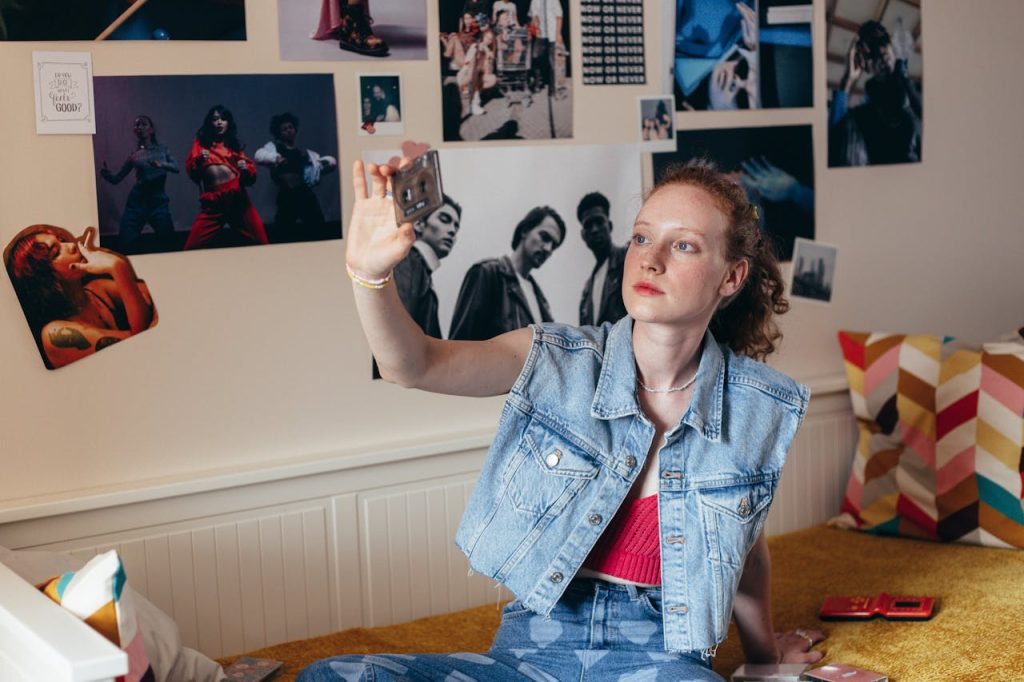
Above everything else, the real reason 80s bedrooms felt special was simple. They were yours. You chose the posters, arranged the furniture, and decided what music filled the air. Parents might help buy the furniture, but the personality of the room belongs to you.
Sociologists studying youth culture often note that bedrooms serve as early spaces of independence. In the 1980s, that idea felt especially strong because your room held so many personal choices. From mixtapes stacked beside the stereo to glow-in-the-dark stars overhead, every detail reflected your interests. When friends visited, they immediately understood what you loved.