
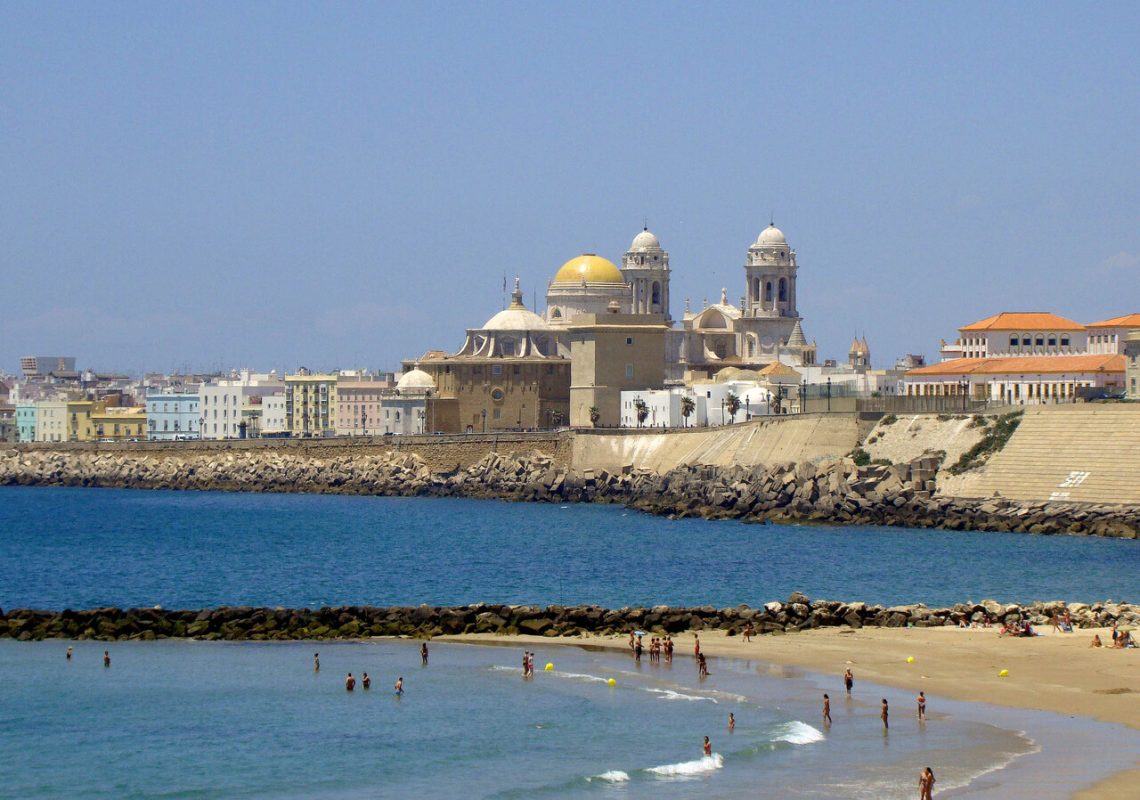
If you love places that whisper history and still feel relaxed to this day, old port towns are something else. These weren’t just trade hubs long ago; they were crossroads of culture, food, and ideas. When you walk along their quays now, time seems to stretch a bit. You see fishing boats tied near vessels that once carried spices or silk, stone walls that stood against invaders, and cafes where locals linger over fresh seafood.
These ports aren’t noisy industry giants anymore. They’re quieter corners of the world where centuries of stories are written into every cobblestone, faded building, and gently rocking boat. You can watch the tide, feel sea breeze on your face, and think about the merchants, sailors, and travellers who passed through long before mass tourism took hold elsewhere.
1. Alexandria, Egypt
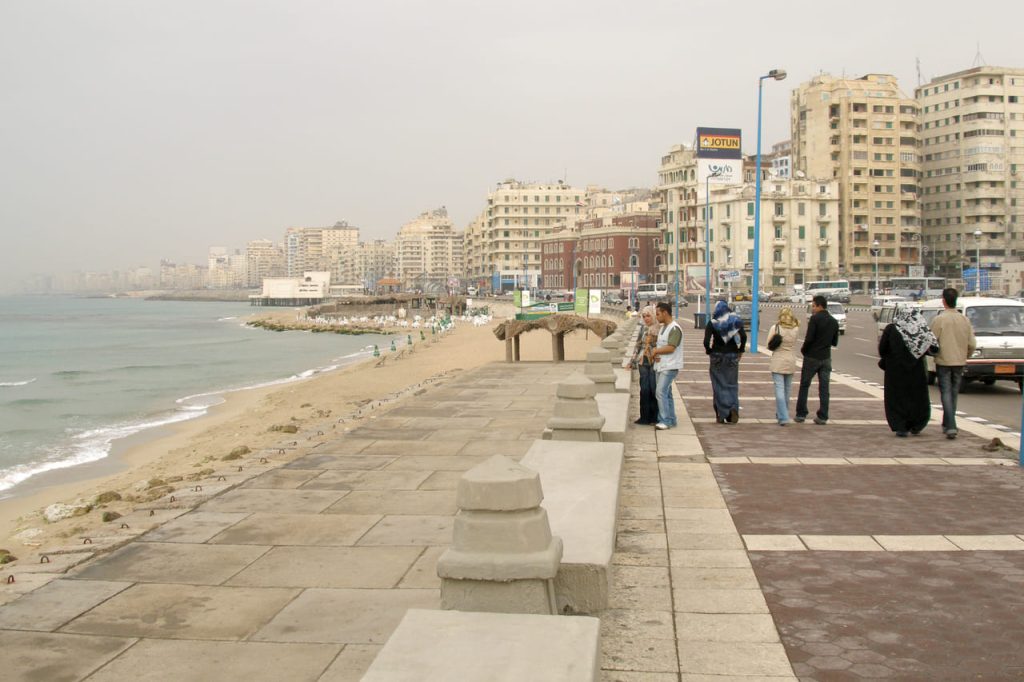
Alexandria has been a key Mediterranean harbour for more than two millennia. When Alexander the Great founded it in 331 BCE, he envisioned a city that could connect continents through trade. Walking along its modern waterfront, you notice layers of history underfoot. The old lighthouse’s remnants and the Citadel of Qaitbay remind you that this port was once a bustling centre of commerce, learning, and culture.
Even today, the port hums with activity but retains a calm rhythm. You can watch local fishermen cast nets while cruise ships glide past distant horizons. Cafes along the corniche serve coffee or fresh seafood, giving you a quiet moment to soak in the Mediterranean air while imagining ancient merchants unloading exotic goods from faraway lands.
2. Byblos, Lebanon
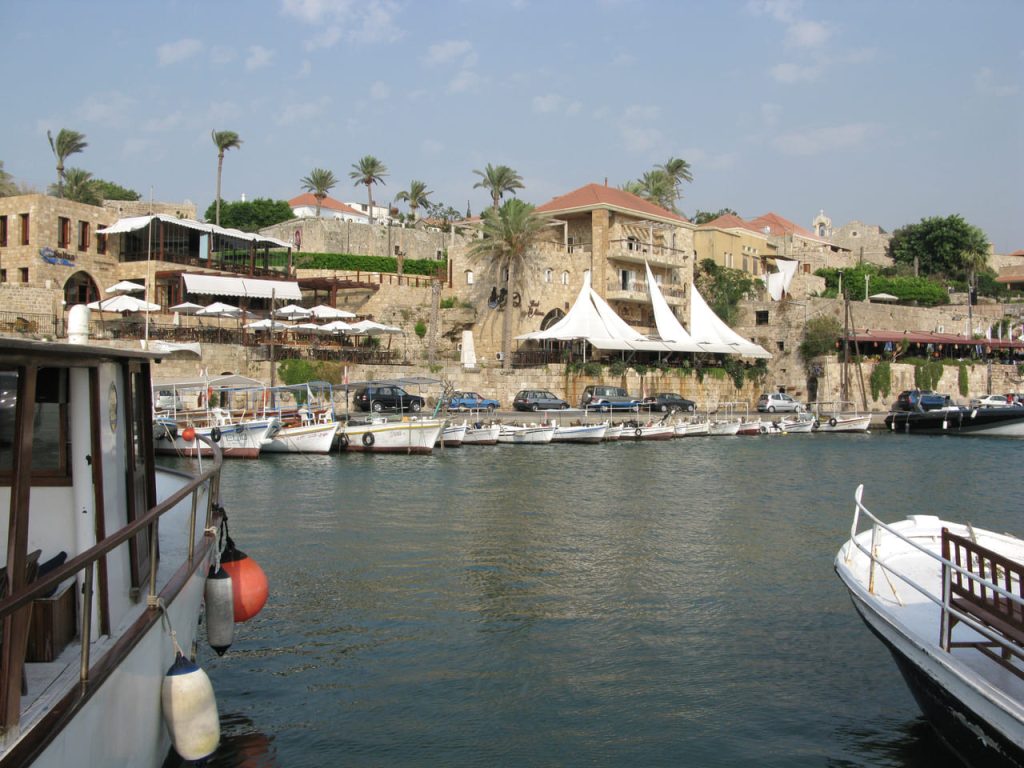
Byblos is considered one of the world’s oldest continuously inhabited ports. Its history stretches back more than 7,000 years, and it was a major hub for timber, wine, and papyrus exports in antiquity. Walking along the stone quay, you feel the weight of millennia beneath your feet. The old harbour buildings and remnants of Phoenician walls make it easy to picture how sailors once navigated the Eastern Mediterranean.
Even now, Byblos exudes a timeless calm. You’ll see fishing boats rocking gently beside small cafes and craft shops. The harbour is less about frantic trade and more about connecting with a living history. Sitting here, listening to waves and gulls, you experience the quiet rhythm of a port that has welcomed travellers for thousands of years.
3. Piraeus, Greece
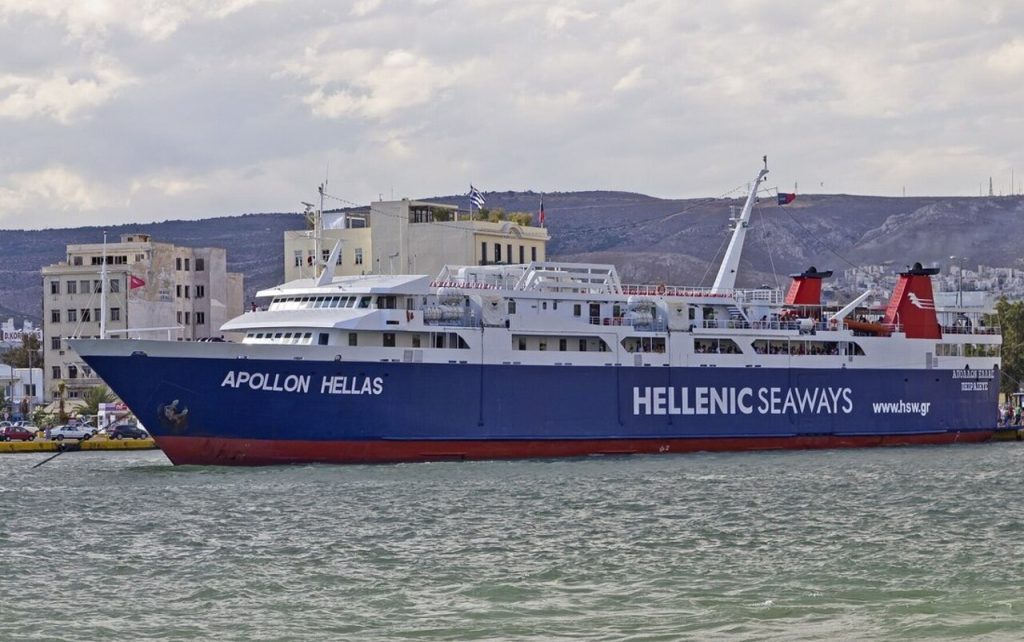
Piraeus has been Athens’ anchor to the sea for over 2,500 years. In ancient times, it was the naval backbone of the Athenian empire and a bustling commercial hub. Today, its port still functions as a ferry and cargo centre, but quiet corners along the marinas allow you to step back in time. You can trace the routes ancient traders and soldiers took while watching modern ships glide past.
The mix of old and new gives Piraeus a unique charm. You might wander past the Archaeological Museum or small markets, then pause at a seaside taverna. The water is calm, the air salty, and the sense of history palpable. Even in a busy modern port, you feel connected to centuries of Mediterranean life.
4. Cadiz, Spain
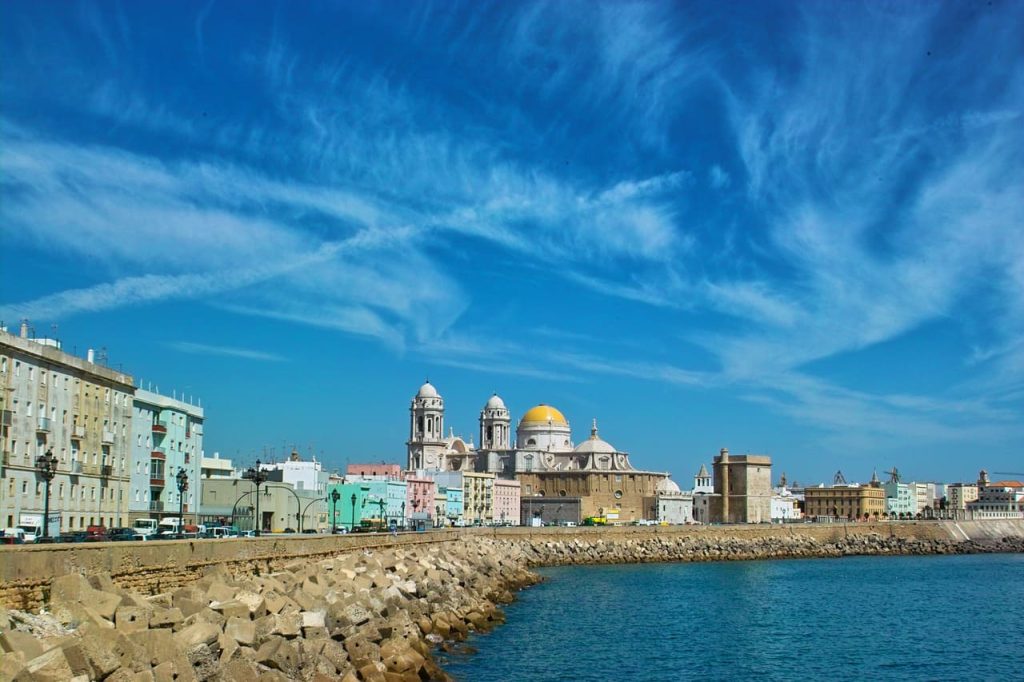
Cadiz is one of Western Europe’s oldest cities, founded by the Phoenicians around 1100 BCE. Its tidal harbour and fortified walls speak of strategic importance over centuries. Walking through the old town to the port, you notice narrow streets, plazas, and stone architecture that hint at countless ships docking here with gold, spices, and goods from across the ocean.
Visiting Cadiz today is an exercise in calm observation. You can stroll along the water, watch fishing boats and small ferries, and breathe in the Atlantic air. Cafes spill out onto the quays, offering a relaxed pace where locals and visitors mingle. The port’s history is everywhere, but its present is gently alive, not rushed or chaotic.
5. Venice, Italy
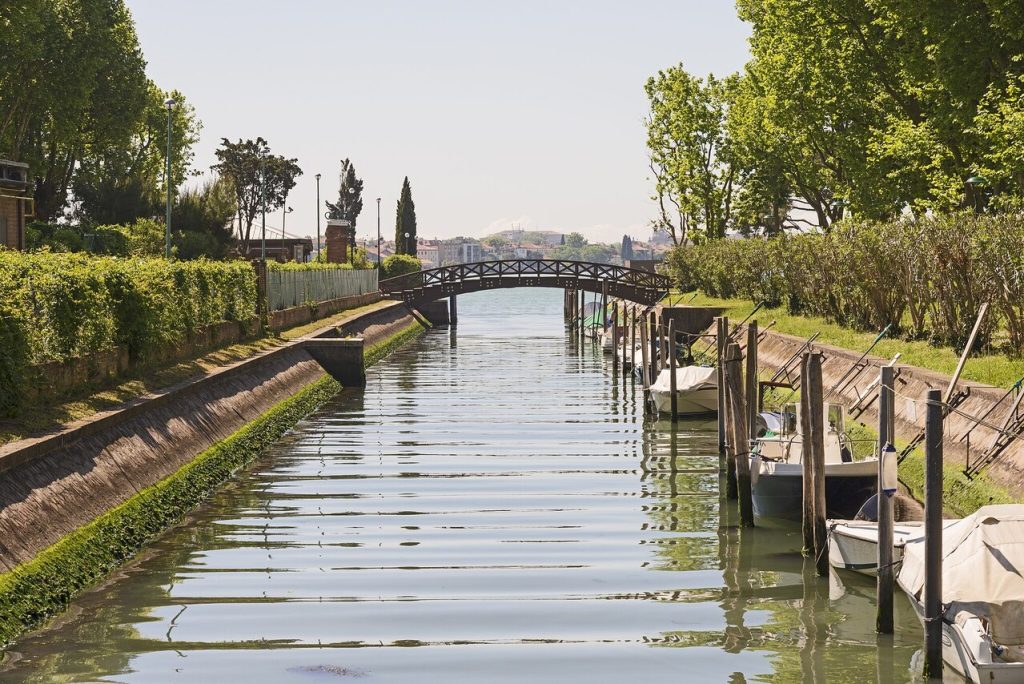
Venice is built on water, and its old port at San Marco feels like a world apart. Gondolas glide past centuries-old palaces, and the morning sun casts a golden glow over canals that have seen merchants, explorers, and poets for hundreds of years. Every step along the quays echoes history. You feel the stories of trade, diplomacy, and art in the air.
Even as tourists move through Venice, the port retains moments of solitude. Early mornings reveal calm waters reflecting facades, and small cafes along the canals offer quiet reprieve. You can sip espresso while imagining the merchant ships that once carried spices and textiles across the Adriatic, connecting Europe with the wider Mediterranean world.
6. Genoa’s Old Harbour, Italy
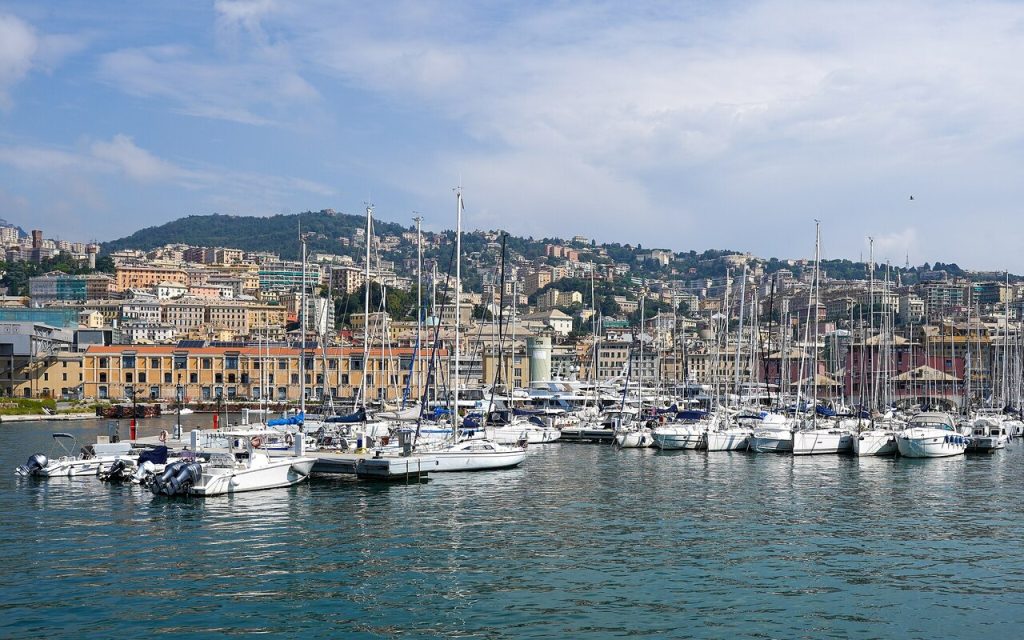
Genoa’s Porto Antico has roots deep in Mediterranean commerce, dating back to the Middle Ages. You walk past old docks, warehouses, and maritime museums and immediately sense the port’s past significance. Merchant ships once loaded here with goods bound for faraway lands, and the city’s wealth still lingers in its architecture and public spaces.
Today, the harbour offers calm and reflection. You can stroll along promenades, watch fishing boats, and pause at waterfront cafés. Even as modern ferries depart, the rhythm of the old port remains slow and deliberate. The history feels tangible here, not just displayed in museums but alive in the movement of boats and the scent of the sea.
7. Milford Haven, Wales
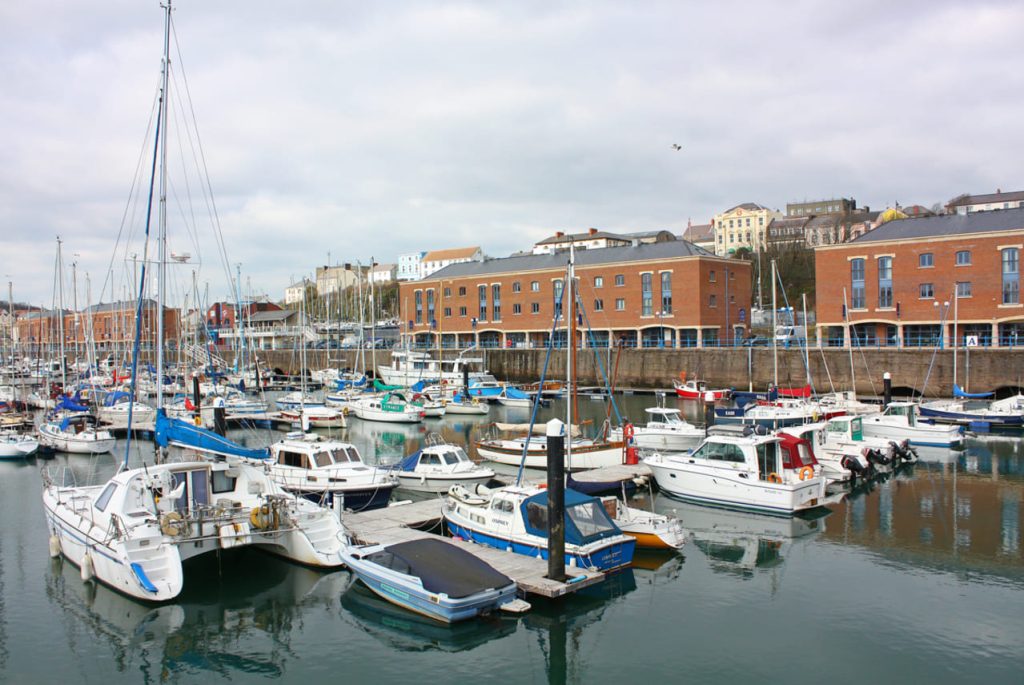
Milford Haven is a natural harbour with quiet estuaries and coves that have supported maritime life for centuries. Its strategic location meant it was used by traders, fishermen, and even military fleets throughout history. Walking along the shore, you notice how the water shapes life here, creating calm corners for reflection and observation.
You can watch small boats, spot local wildlife, or simply feel the breeze. The port has a strong maritime history, but its modern presence is gentle. You experience the continuity of human activity alongside nature, and the calmness of the water invites you to slow your pace and soak in the harbour’s timeless character.
8. Sutton Harbour, Plymouth, England
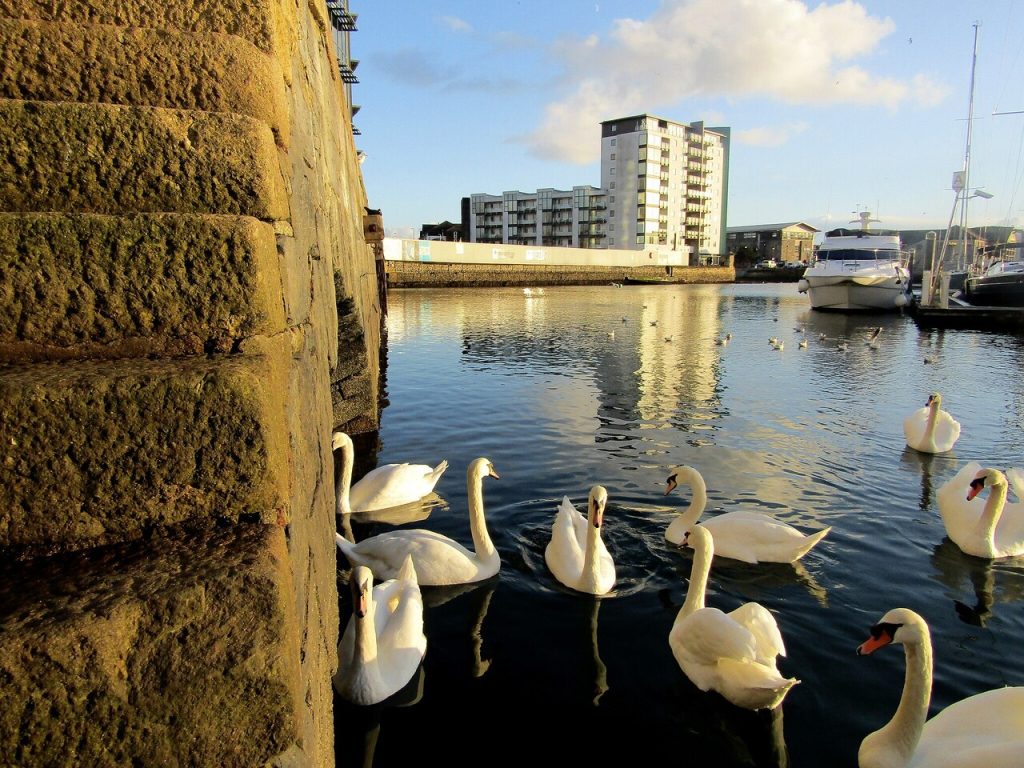
Sutton Harbour has a deep connection to history, famously being the last English port the Mayflower left from in 1620. Its quays and old warehouses preserve that legacy, allowing you to walk streets where sailors and merchants once passed. Every building seems to hold a story, from Tudor times to modern refurbishment.
Even today, Sutton Harbour feels peaceful. You can watch fishing boats return at sunset or sip coffee on the waterfront. The ebb and flow of the tide mirrors centuries of human activity. Time slows here, giving you the chance to feel connected to the past while enjoying a calm seaside atmosphere.
9. Kollam, India
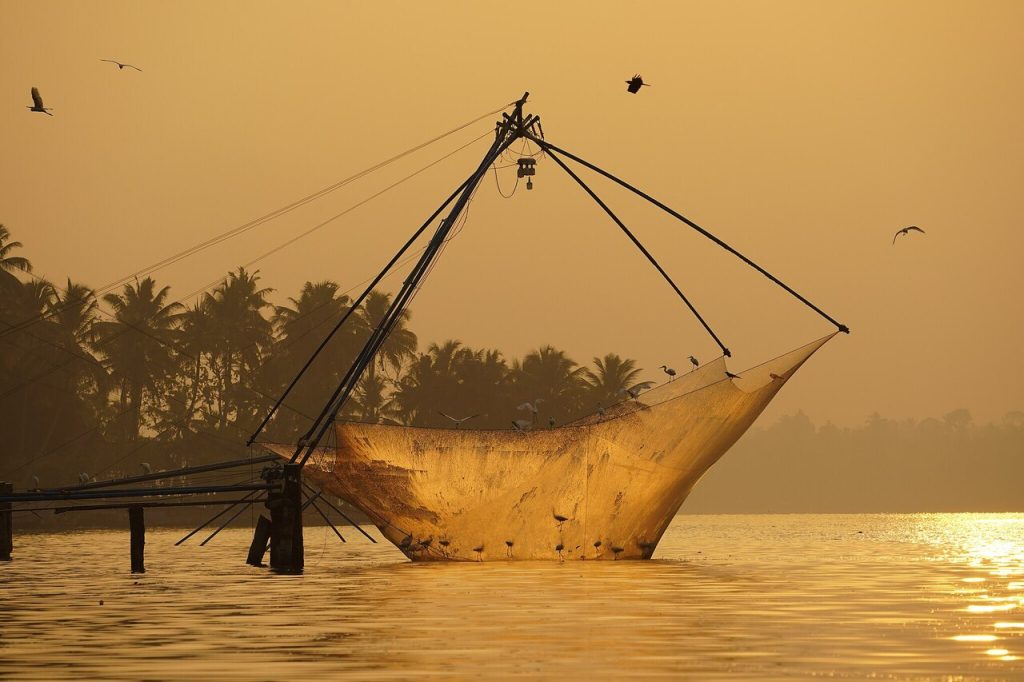
Kollam has been an Indian Ocean trading hub for centuries, welcoming merchants from Arabia, China, and Africa. Its port lanes and wharves reflect centuries of commerce, yet the pace is serene. Walking along the waterfront, you can see small fishing boats, colonial-era warehouses, and markets that have operated for generations.
Visiting Kollam today is about connecting with this enduring history. You feel the rhythm of tides and trade, smell the salt and spices in the air, and witness a port that has always balanced activity with calm. Even in a modern setting, its centuries of maritime life make it feel timeless.