

You want your relationship to feel secure, joyful, and real. Most couples chase big moments: surprise trips, lavish gifts, dramatic declarations, but what really builds a strong connection isn’t flash. It’s the everyday ways you show up for each other. Happy couples develop habits that keep their bond steady through life’s normal ups and downs.
Here’s the truth: the way you treat each other in ordinary moments shapes the quality of your partnership. You notice when your partner feels heard, appreciated, and seen. When both of you practice habits rooted in respect, curiosity, and steady care, your connection starts to feel like a safe place you both want to return to again and again.
1. They Listen Deeply, Not Just Waiting to Speak

Happy couples don’t treat conversations like battles to win or performances to deliver. When you talk with each other, you pay attention to what’s actually being said. You drop distractions, make eye contact, and respond to the feeling behind the words. You listen not to craft the perfect answer, but to really understand your partner’s experience.
This deep listening doesn’t always come easily. It takes practice to notice when you start rehearsing a reply instead of staying present. But when you choose to be truly attentive, you validate your partner’s emotions and reinforce trust. Over time, those moments accumulate. Conversations become opportunities for closeness, not tension, and both of you feel safer sharing what’s really on your mind.
2. They Speak with Kindness, Even in Conflict

Conflict isn’t a sign of failure; it’s a chance to grow closer if you handle it well. Happy couples argue, but they do it with care. Instead of tossing out hurtful lines or shutting down, you focus on expressing your needs without blaming. You say things like “I feel overwhelmed when…” rather than “You always…” This keeps the conversation productive and preserves each other’s dignity.
What this really means is you treat disagreements as a team problem, not a personal attack. You remind each other that solving the issue matters more than proving a point. And even when you’re upset, you choose words that build understanding, not walls.
3. They Celebrate Small Wins Together

Life isn’t only about milestone moments like anniversaries and promotions; it’s full of tiny victories: finishing a hard week, nailing a presentation, and making time for a workout. Happy couples take joy in these smaller wins. You acknowledge each other’s everyday accomplishments and share in each other’s progress.
Celebrating small wins isn’t superficial; it shows you’re paying attention. When you notice the little things and cheer each other on, you reinforce positive growth and make appreciation a daily habit. These shared celebrations create an emotional bank account of good feelings, so when tougher moments come, you have a reserve of warmth and gratitude to rely on.
4. They Give Space Without Withdrawing Care

You’re two people with separate lives, needs, and interests. In healthy relationships, that’s not a threat; it’s part of how life stays rich and balanced. Happy couples respect that needing space doesn’t mean loving less. When one of you asks for quiet time or focuses on a personal project, the other responds with understanding, not insecurity.
This doesn’t mean you become distant. You still check in, you still care deeply; you just don’t cling. You communicate about what you need and create room for growth outside the relationship. Giving space becomes an act of love when it’s balanced with consistent reassurance. That way, each of you feels free and supported, not abandoned or ignored.
5. They Practice Appreciation Daily
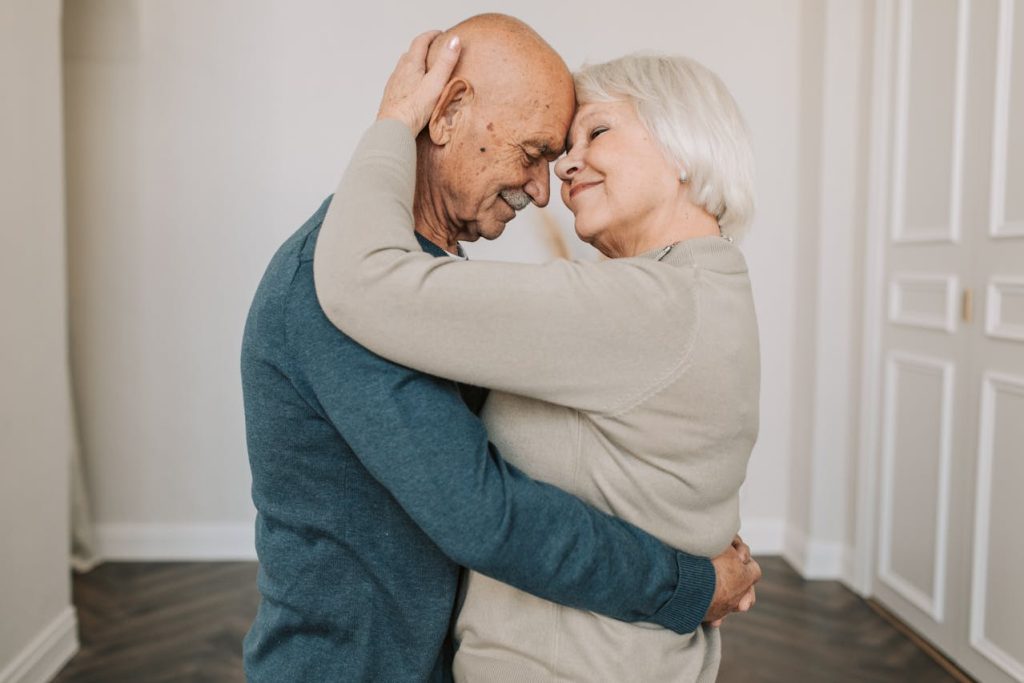
It’s easy to take familiar love for granted, especially when life gets busy. But happy couples make a point of acknowledging what they value about each other every single day. You say thank you for the little things, making coffee, handling a chore, lending a listening ear. You express gratitude not out of obligation, but because you genuinely notice and want your partner to feel seen.
This habit shifts your focus away from what’s missing and toward what’s already good. Appreciation keeps resentment from creeping in, and it reminds both of you why you chose each other in the first place. When you frequently affirm your partner’s positive qualities and efforts, you build a cycle of warmth that strengthens your connection over time.
6. They Share Humor and Lightness

Life has its hardships, so couples who laugh together tend to stay closer. You don’t need to be comedians, but you do make room for moments of fun. You crack jokes over dinner, share funny stories from your day, and find humor even in frustrating situations. This doesn’t minimize challenges; it makes them more bearable.
Humor also helps you bond in a way that seriousness never could. It creates inside jokes, shared memories, and a sense that you can enjoy being together even when things aren’t perfect. Laughing together reminds you both that the relationship isn’t just about seriousness or duty; it’s about joy, connection, and choosing each other even when life gets messy.
7. They Plan for the Future Together

Happy couples don’t avoid talking about what’s ahead. You make plans, set goals, and imagine the life you want as a team. Planning doesn’t have to be dramatic; it can be as simple as scheduling a monthly date night or talking about where you want to travel next year. What matters is that you’re aligned on what comes next and excited to build it together.
Future planning gives you both a sense of direction and shared purpose. It’s not about controlling what happens, but about choosing each other as partners in life’s journey. When you talk openly about hopes and dreams, you reinforce commitment and make your bond feel forward-moving instead of stagnant.
8. They Routinely Check In About the Relationship

Most couples talk about schedules, errands, and plans, but don’t take time to check in about how things are going between them. Happy couples do. You set aside moments to ask each other how you’re feeling about the relationship, what could improve, and what’s working well. These conversations don’t have to be formal; they can be gentle, honest, and rooted in care.
Checking in shows you’re committed to growth and not just comfort. It allows you to catch small issues before they become big problems. By making these check-ins part of your rhythm, you create a culture of openness and continuous improvement. You keep your relationship alive and evolving, rather than settling into autopilot.