
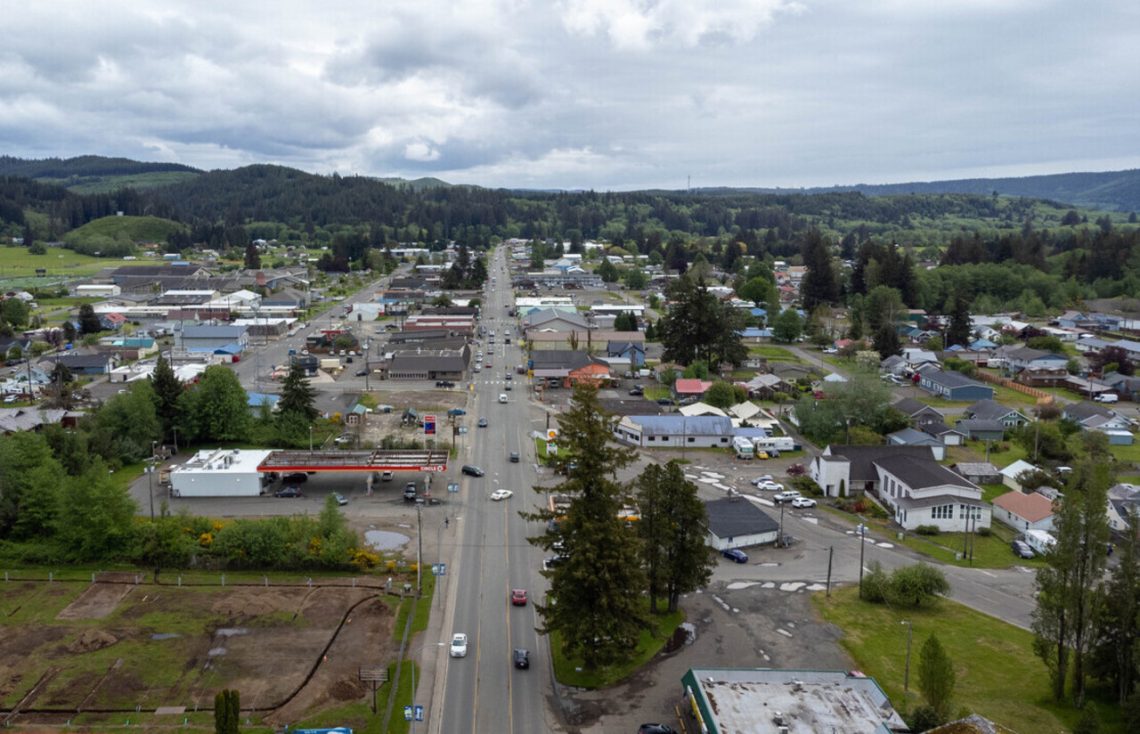
Here’s the thing about U.S. towns that tourists flock to: what feels magical to you often feels congested and stressful to the people who live there year‑round.
In many small towns, narrow streets fall silent by late afternoon, families have routines, kids go to school, and people work service jobs that tourists don’t always see. Then summer or fall comes, and the population swells, parking evaporates, and the rhythm of daily life changes.
Local resentment isn’t personal; it’s about the reality of crowds, long waits, and a sense that visitors see a postcard version of the place you came to experience.
1. Bar Harbor, Maine
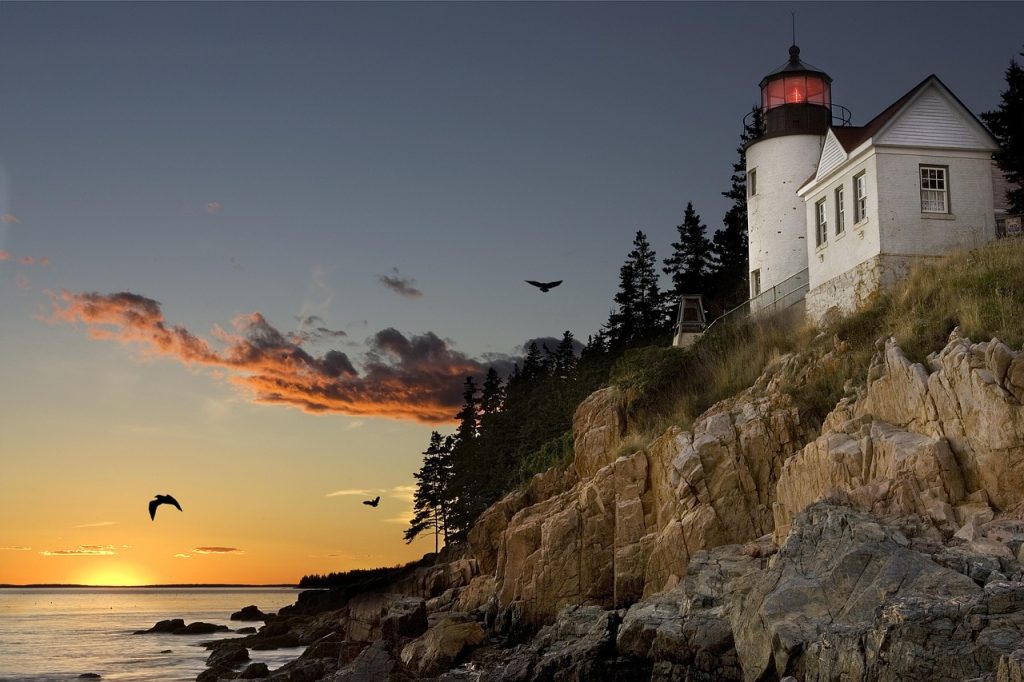
When you explore Acadia National Park, you’ll probably love the coastal views and lobster shacks. But Bar Harbor’s tiny downtown feels like a funnel in peak season, with traffic jams and restaurants full long before lunch.
Many locals tell visitors that summer crowds overwhelm sidewalks and parking, and that the pace feels rushed rather than relaxed. What feels like bustling seaside fun to you can feel like gridlock to someone trying to pick up groceries or get to work.
You might notice the souvenir shops overflowing, making errands feel impossible. Even grabbing a coffee can turn into a 20-minute wait during peak season.
2. Marfa, Texas
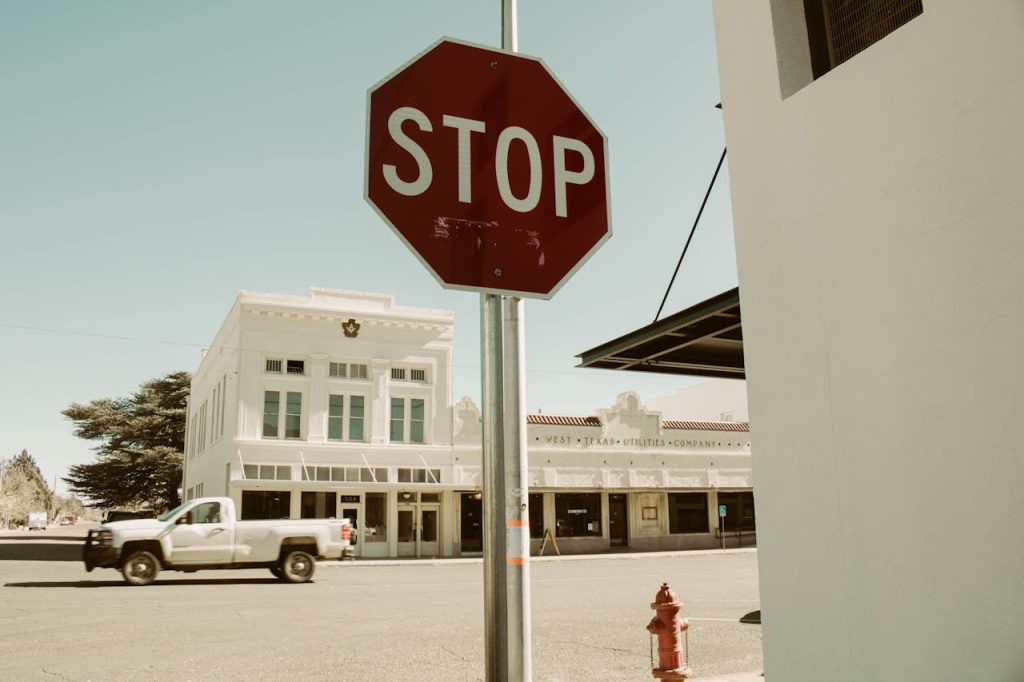
In this West Texas desert outpost, you’ll find contemporary art and minimalist exhibitions that draw photographers and culture seekers from far away. That’s great for the local economy, but residents sometimes grow weary of a constant parade of visitors posing at installations or circling for parking.
With a population under 2,000, the influx can distort everyday life. Locals often stick to routines tourists don’t see, and they may be polite but distant when lines form at cafes and galleries. Festivals and pop-up events only add to the sense that the town belongs more to visitors than to residents.
3. Forks, Washington
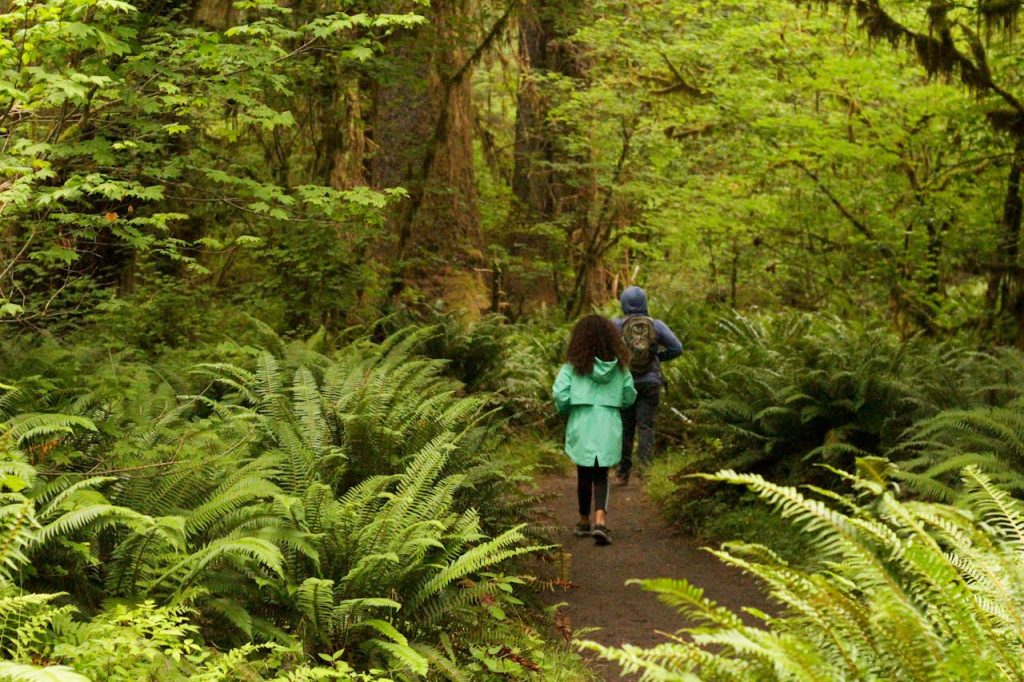
You might come because of Twilight lore, vampire tours, and themed souvenirs, but for locals, it’s a logging town with real jobs and a small population. The constant arrival of fans, especially in peak months, fills streets and parking near spots you want to photograph.
Residents have said the tourism surge sometimes feels intrusive and disruptive to their quiet routines, even though many appreciate the economic boost.
What you get is pop culture appeal layered over the daily life locals strive to maintain. Even walking your dog can turn into a mini obstacle course. Small-town errands take longer when tourists crowd the streets.
4. Roswell, New Mexico
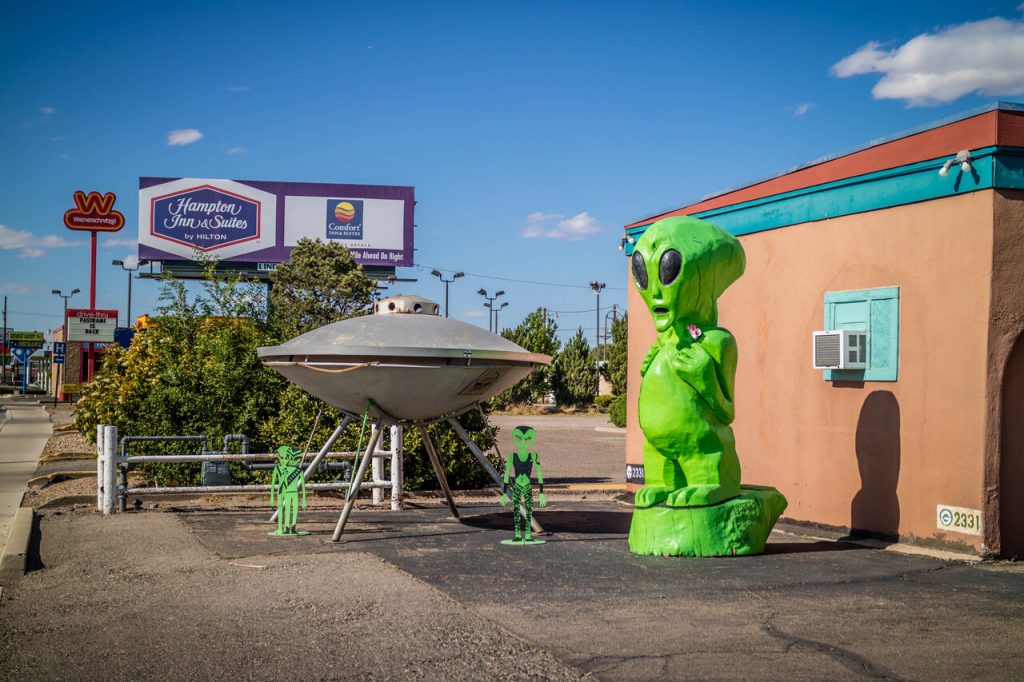
If alien museums and UFO souvenirs drew you here, you’re not alone. Roswell’s kitschy charm fascinates visitors, but locals know the town’s history and community go beyond Area 51 imagery.
With around 47,000 residents, the focus on tourism can overshadow everyday life, and some locals get weary of perpetual alien questions. That doesn’t mean the place is unfriendly; it just means their town isn’t only a backdrop for themed photos.
Even running simple errands can feel like navigating a themed obstacle course. Local events and routines often take a backseat to constant tourist activity. Parking can be a challenge, especially near attractions.
5. Leavenworth, Washington
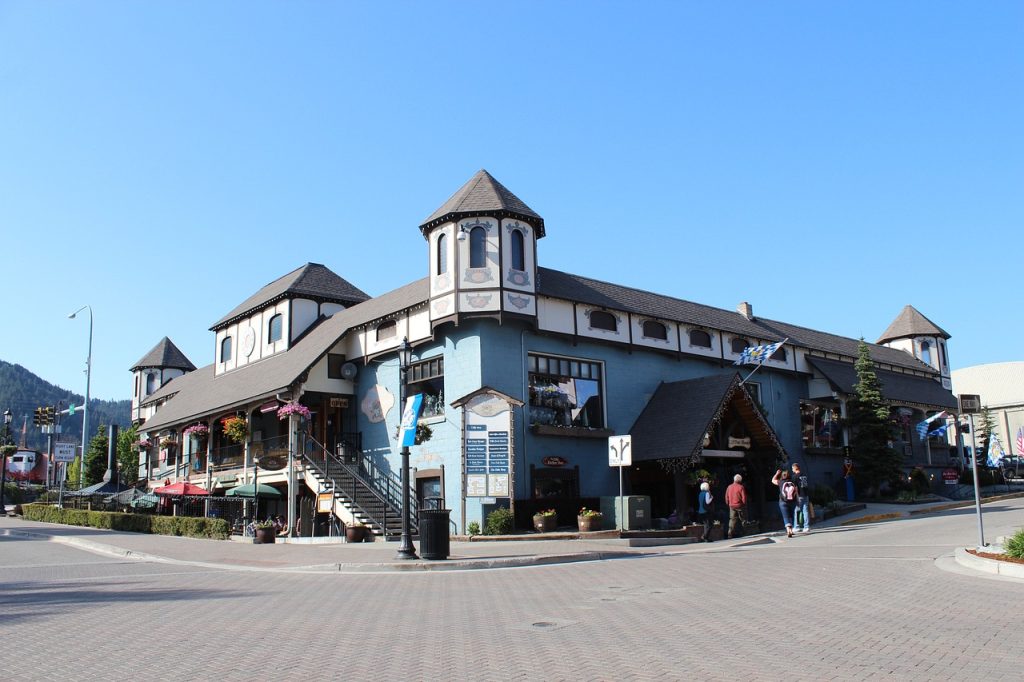
This Bavarian‑style village looks picturesque with its mountain backdrop and festival calendar, and you’ll see why you want to explore it. But more than 2 million people visit each year, and during Oktoberfest, the streets feel packed.
Locals often navigate congested parking and crowded shops just to get through their day, so they might avoid the busiest blocks until crowds ease. What feels like charming bustle to you can feel like overwhelm on a Monday morning.
Even a quick walk to pick up groceries can turn into a slow shuffle through crowded streets. Weekday routines often shift so locals can dodge the heaviest tourist traffic.
6. Tombstone, Arizona
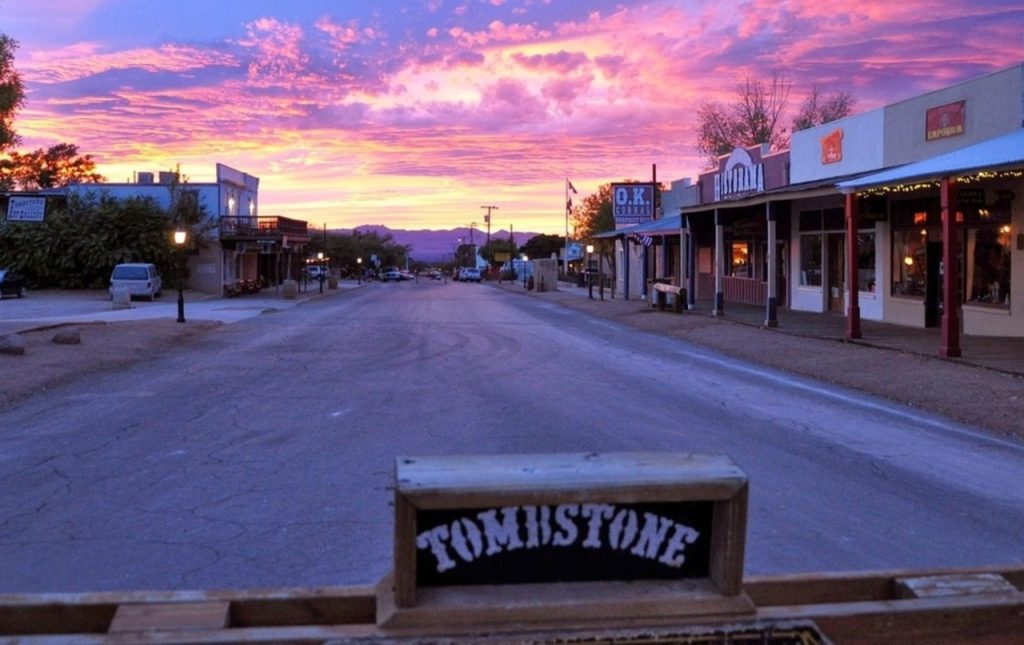
You may enjoy staged gunfights and Wild West nostalgia, but for residents, Tombstone is a living town with errands, bills, and chores that have nothing to do with tourists.
The constant reenactments and souvenir shops can make daily life feel like a set rather than a community. Locals often joke about the exaggerated frontier image and quietly go about tasks tourists never see, so you get the show without understanding the deeper local rhythm unless you look for it.
Even walking down Main Street for necessities can feel like weaving through a performance. Simple routines like visiting the market can take longer during busy tourist days.
7. Helen, Georgia
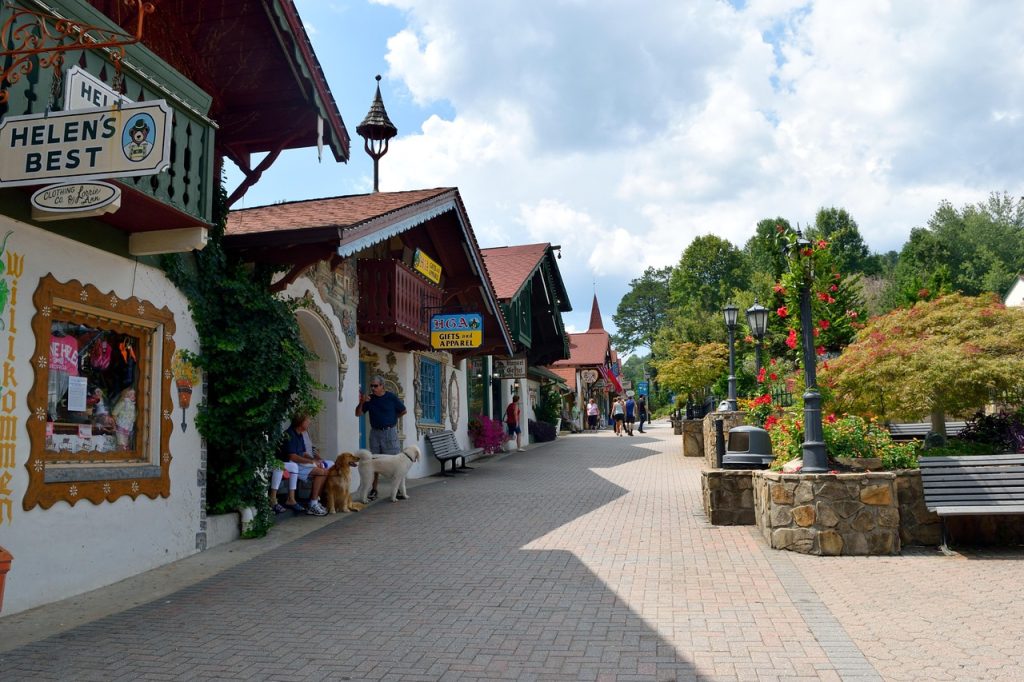
Helen’s Bavarian village theme and river tubing festivals bring in visitors by the millions, and you’ll likely enjoy the kitschy shops and beer gardens. But residents sometimes feel the volume overwhelms the town’s infrastructure, especially in peak months, and that everyday errands turn into tourist traffic puzzles.
What feels like festive energy to you can be a long list of waits and tight parking for someone trying to live there, and locals often plan their routines around quieter times. Even a quick trip to pick up essentials can take much longer than expected. Regular walks often require careful timing to avoid the busiest streets.
8. Solvang, California
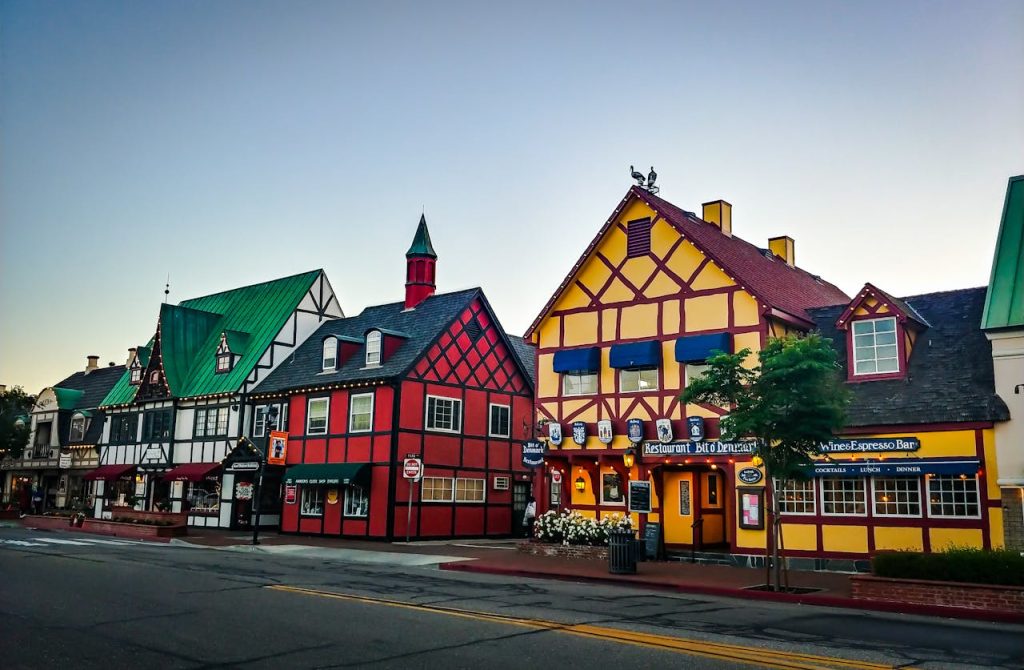
It may look like a slice of Denmark in California, with windmills tempting your camera lens, but Solvang’s popularity means long lines and packed lots. Locals work in businesses built for tourist turnover, so they see firsthand how crowded sidewalks and constant arrivals shape their town’s pace.
Wandering outside peak hours helps you enjoy its charm without contributing to the frenzy many residents avoid when they can. Even grabbing a coffee or picking up groceries can turn into a slow ordeal. Daily routines often shift so locals can move around without the heavy tourist crowds. Parking near main attractions can be nearly impossible.