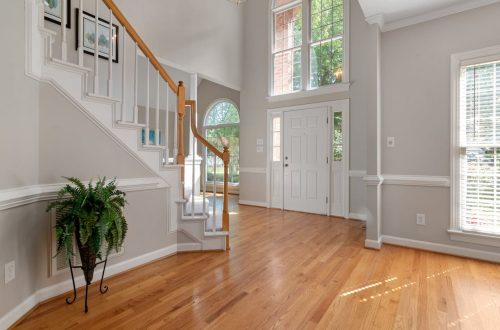
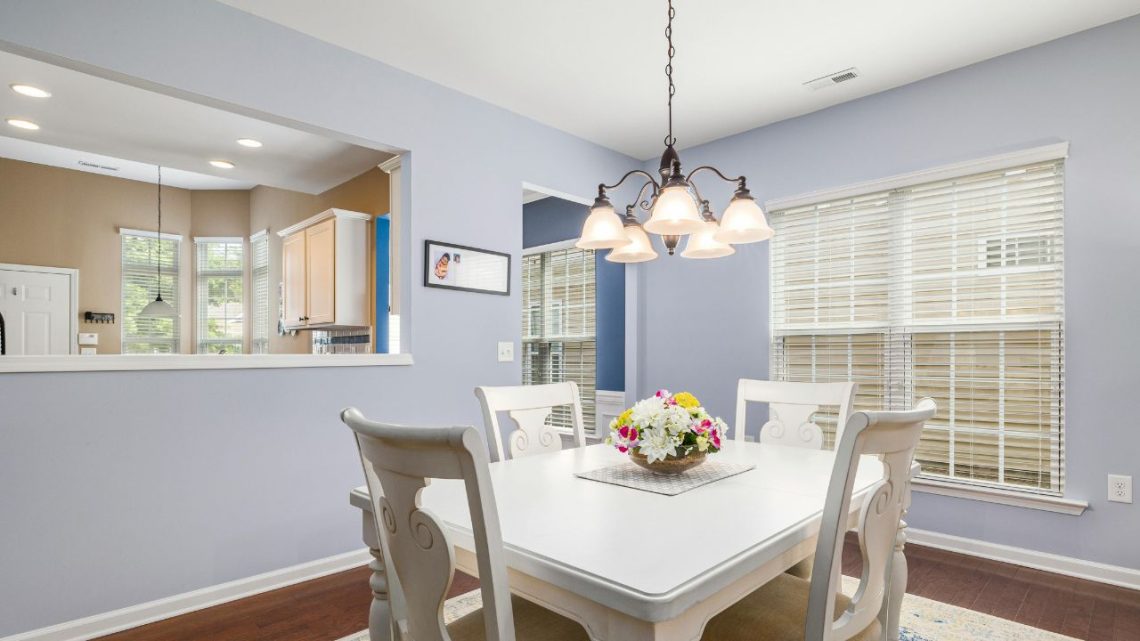
The entryway is often the most overlooked part of a home, yet it silently shapes the mood of everything that follows. It’s the space that greets you after a long day and the last glimpse you see before stepping out, which means even the smallest adjustments can create a powerful emotional shift. By paying attention to details such as lighting, storage, texture, and visual balance, you can transform an ordinary entrance into an inviting, harmonious environment that sets the tone for your entire home. These subtle improvements don’t require major renovations or expensive furniture.
1. Glow
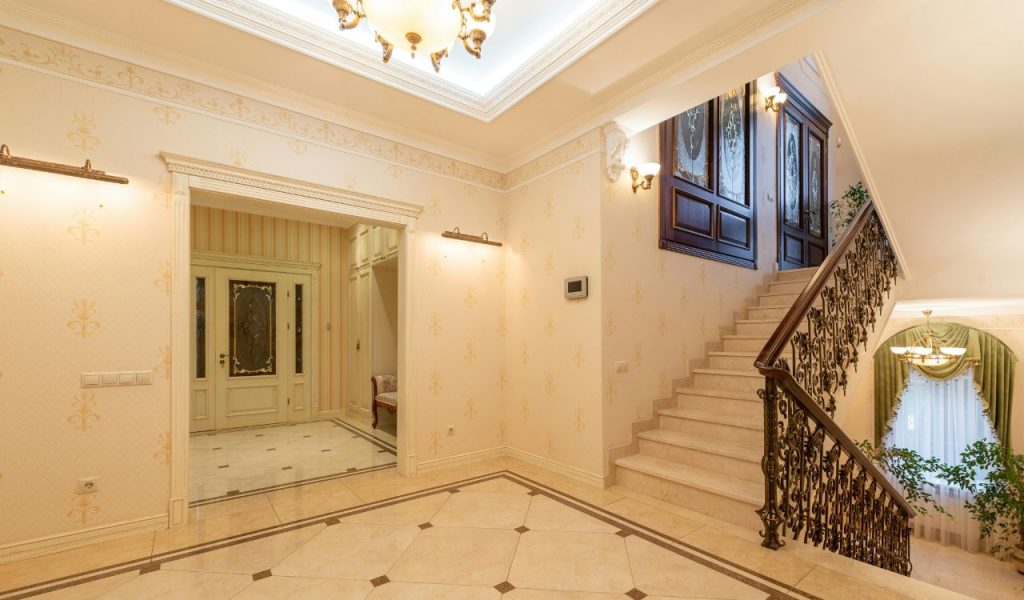
Lighting plays a transformative role in shaping how an entryway feels from the moment you step inside. A dim or harshly lit space can immediately feel uninviting, while a warm, well-chosen light source creates an atmosphere of comfort and calm. By upgrading outdated fixtures or introducing layered lighting such as a soft pendant, a gentle table lamp, or a discreet wall sconce, you allow the entryway to radiate an inviting glow that welcomes you each time you walk in. The color temperature of the bulb also matters; warm tones evoke relaxation and serenity, whereas cooler tones can disrupt the coziness the space needs.
2. Reflect
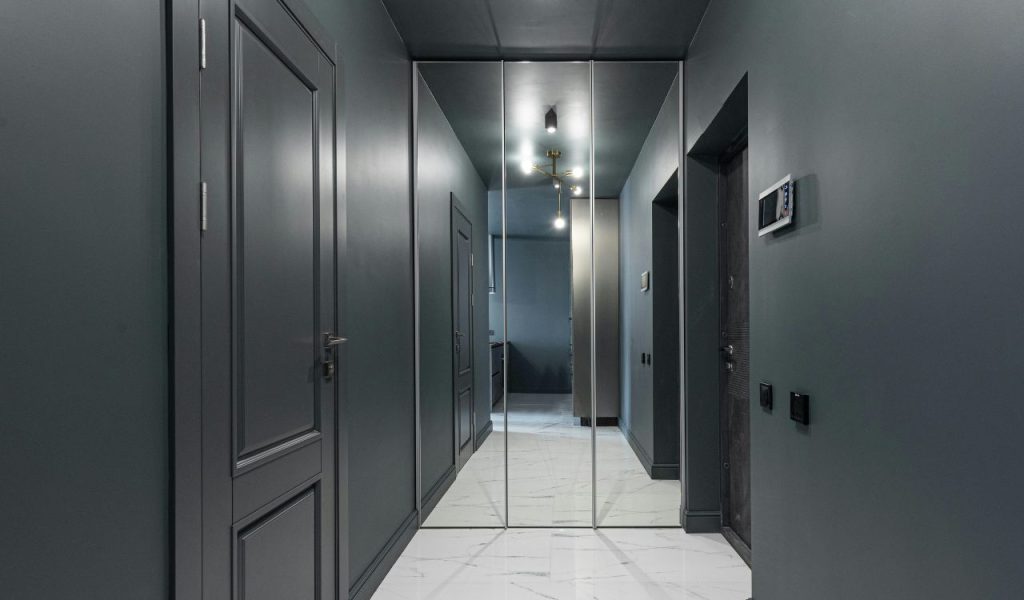
Incorporating a mirror into the entryway offers more than just a functional touch-up before leaving your home; it fundamentally alters how the space feels. Mirrors have the ability to expand even the tightest areas by reflecting light deeper into the home, creating a sense of openness and brightness. Their reflective quality softens corners, stretches narrow halls, and adds dimension where the architecture may feel flat or constrained. Beyond the practical uses, a well-placed mirror becomes a visual anchor that frames the entryway with elegance and balance. It captures subtle details like natural light, decorative accents, or small bursts of color, making the entire area feel more polished and composed.
3. Landing
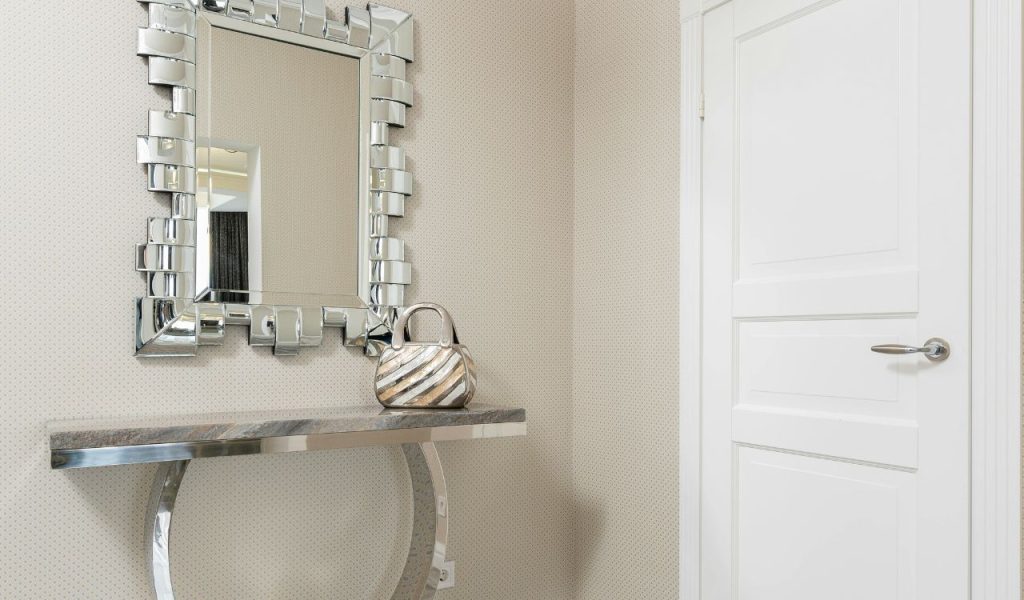
Adding a console table or a slim floating shelf introduces both order and style to the entryway. This kind of landing zone helps you manage the daily flow of essentials such as keys, wallets, sunglasses, and small reminders that usually scatter around the house when left without a proper home. By dedicating even a narrow surface to these items, the entry naturally becomes tidier and more intentional. Beyond its function, a landing area also offers a chance to incorporate small personal touches like a candle, a small plant, or a decorative tray, adding warmth and personality right at the start of your living space.
4. Hang
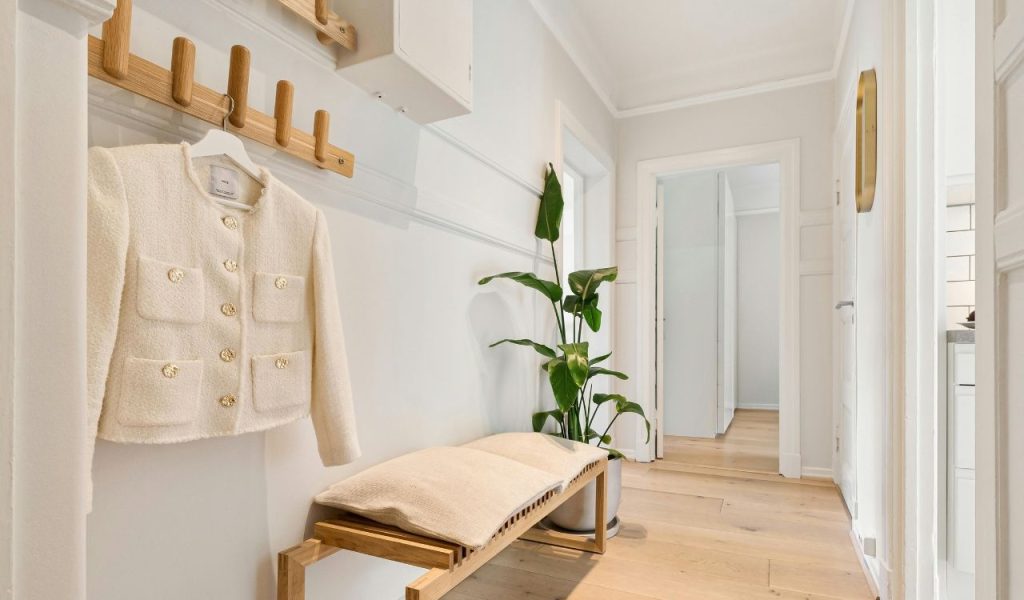
Whether your entryway is spacious or compact, adding hooks or a small coat rack instantly increases organization and usability. These vertical storage solutions take advantage of otherwise unused wall space, keeping jackets, hats, bags, and other daily items accessible without cluttering the floor. When you walk in carrying multiple things, coats, backpacks, or umbrellas, the ability to quickly hang them up adds a sense of relief and order to your arrival routine. Hooks also help families maintain structure, with children easily hanging their belongings at a reachable height, reducing piles and drop zones.
5. Ground
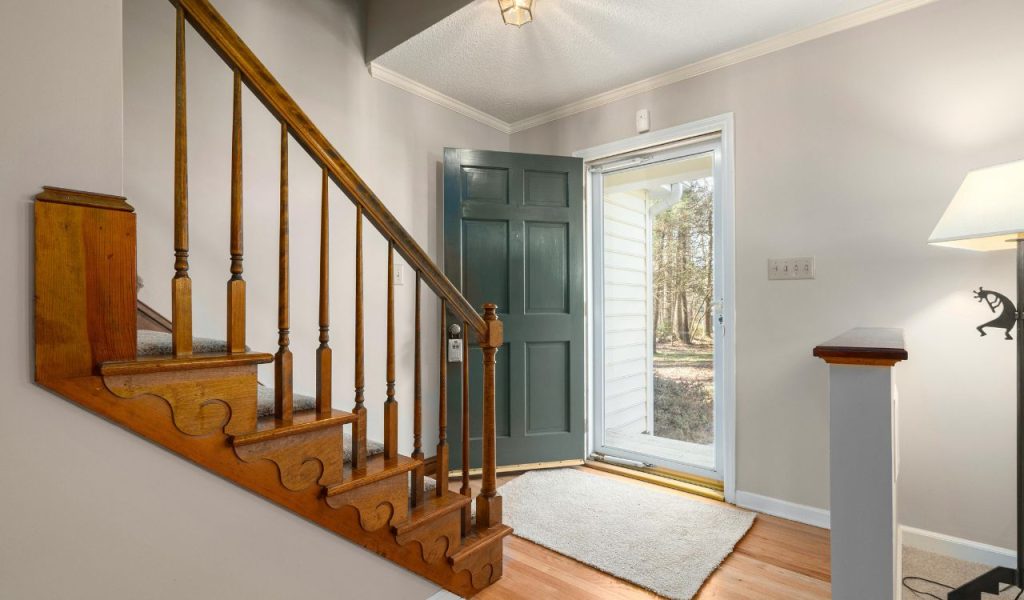
A rug may seem like a small detail, but in an entryway, it has an enormous impact on the mood and structure of the space. The right rug anchors the area visually, creating a defined zone that helps the entry feel contained rather than exposed or unfinished. Its texture softens the step indoors, offering warmth and comfort after leaving the roughness of the outside world. Patterns or colors can introduce personality, while durable materials withstand foot traffic, dirt, and moisture. A thoughtfully chosen rug also contributes to the sensory feel of the space, muffling sound and adding a layer of coziness that connects emotionally with the idea of coming home.
6. Leaf
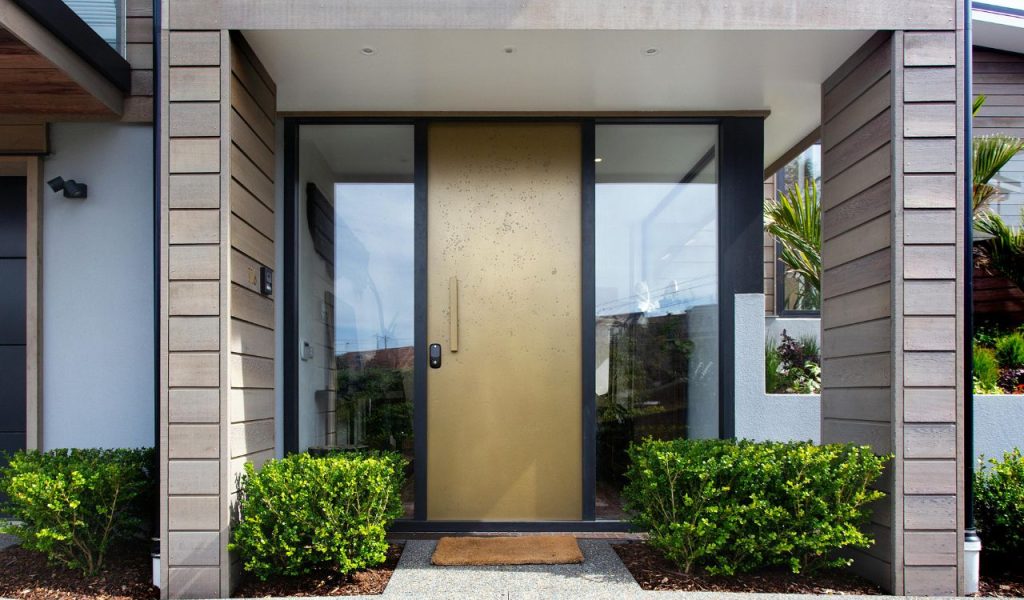
Introducing plants to your entryway infuses the space with a sense of life, freshness, and natural calm. Even a small potted plant on a console or a larger one positioned near the door can dramatically shift the atmosphere, softening harsh lines and contributing to a more grounded environment. Plants bring movement and color, reacting subtly to sunlight and seasonal changes, which helps the entry feel more dynamic and connected to nature. Their presence has a calming psychological effect, offering a gentle greeting when you walk in. Low-light options work particularly well for spaces without windows, ensuring greenery thrives even in dim conditions.
7. Trim
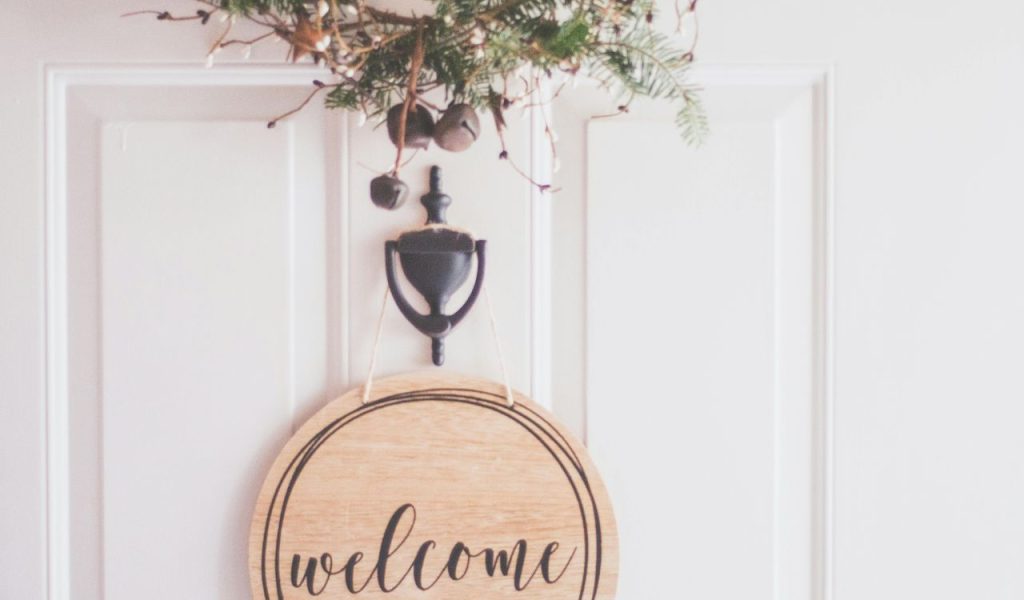
Subtle details like upgrading hardware, adding a decorative tray, or incorporating small accents can shift the entryway from ordinary to refined. These finishing touches contribute to the personality of the space in a quiet yet powerful way, enhancing its character without overwhelming it. Replacing worn knobs, choosing a beautifully textured bowl for keys, or using a sculptural object for visual interest all subtly elevate the daily experience of walking through the door. These elements communicate intention, signaling that the entryway is not a forgotten transitional zone but a thoughtfully curated part of the home.
8. Frame
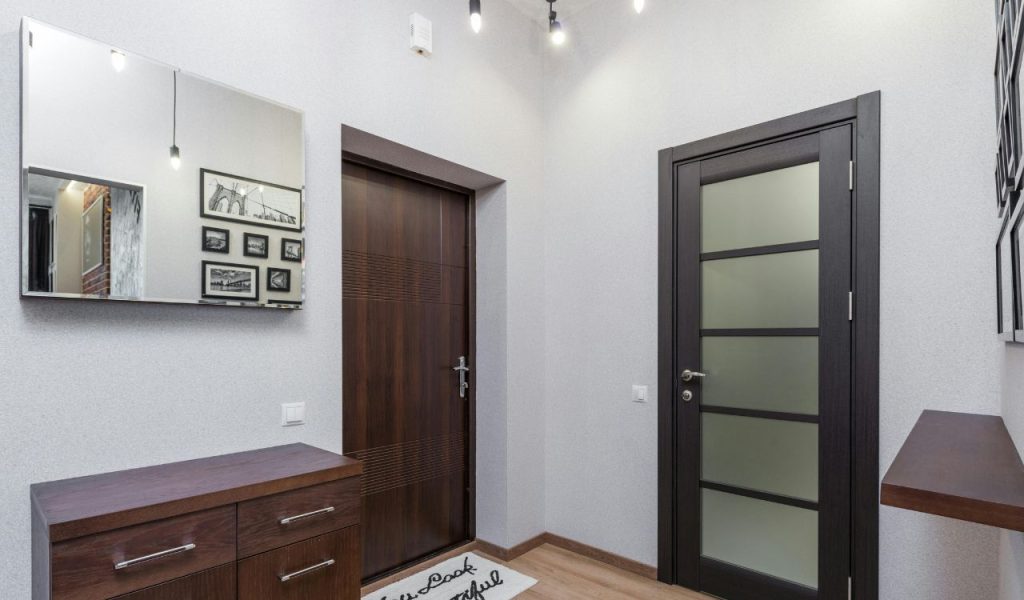
Art in the entryway creates an emotional imprint that shapes how both residents and guests feel the moment they walk in. A carefully chosen piece can express personality, set a tone of warmth or creativity, or introduce colors that echo through the rest of the home. Art transforms the entry from a mere passageway into an intentional space with its own identity, offering something visually engaging and meaningful. Whether it’s a single bold piece, a calming landscape, or a curated gallery arrangement, artwork brings depth and narrative to the area. It invites a moment of pause and appreciation, making the entry feel more personal and grounded.