


Weekends in the 1970s carried a kind of magic that feels rare in today’s fast-paced digital world. Life moved at a slower rhythm, and weekends were not just breaks from work or school but meaningful pauses filled with anticipation, connection, and simple joys. Without smartphones, streaming platforms, or constant notifications, people learned to savor time differently. Families planned ahead, friends showed up without texting, and entertainment required patience and presence. The excitement of a weekend began days earlier, often on Thursday or Friday, when routines loosened, and expectations grew. These two days were about togetherness, traditions, and shared experiences that left lasting impressions.
1. Radio Rituals
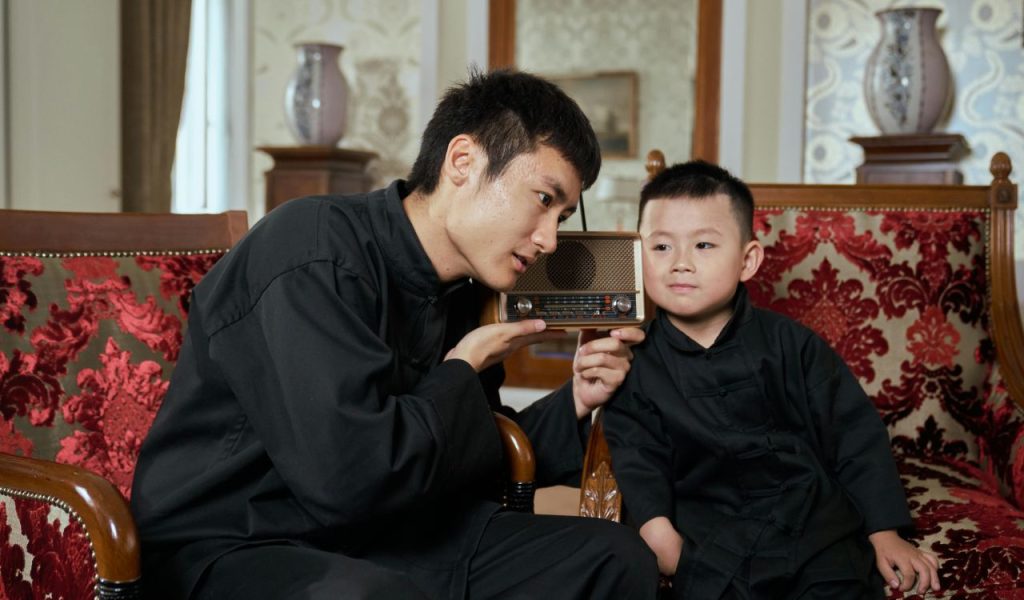
One of the most cherished parts of a 1970s weekend was the time spent around the radio, which served as a major source of entertainment and connection. Music programs, countdown shows, and special weekend broadcasts turned radios into the heart of the home. People waited eagerly for their favorite songs to play, often listening for hours just to hear one track they loved. DJs felt like familiar friends whose voices brought excitement and comfort. Families and friends gathered together, sometimes recording songs on cassette tapes with careful timing. Because music was not instantly available, every song felt special and meaningful. This shared listening experience created anticipation and togetherness.
2. Family Meals

Weekend meals in the 1970s were far more than routine eating moments; they were deeply valued family events. With limited fast-food options and less dependence on takeout, families spent time cooking meals together at home. Kitchens were filled with conversation, laughter, and the comforting smells of homemade food. Meals were never rushed, allowing families to sit together for long periods and talk about their lives, plans, and memories. Children learned values, traditions, and stories simply by listening at the table. These shared meals strengthened family bonds and created a sense of warmth and belonging. The effort involved made food taste better and weekends feel complete and emotionally satisfying.
3. Neighborhood Play

For children and teenagers, weekends in the 1970s meant freedom, adventure, and exploration within their neighborhoods. Streets, parks, and empty lots became places of endless imagination where games were created spontaneously. Rules changed often, laughter was constant, and time seemed limitless. Parents trusted their communities, allowing children to play outdoors for hours without close supervision. Friendships were built through shared experiences, minor injuries, and teamwork. Without digital devices, kids stayed physically active and socially engaged. These outdoor adventures helped build independence, confidence, and creativity. Weekends felt exciting and alive.
4. Movie Nights

Watching movies during the 1970s was a carefully planned weekend activity rather than an instant decision. Families chose films thoughtfully, whether going to a local cinema or waiting for a scheduled television broadcast. Living rooms were transformed into cozy viewing spaces by dimming lights and adjusting antennas. Snacks were prepared ahead of time, and interruptions were rare. The effort involved made movie nights feel special and rewarding. Afterward, families discussed scenes and characters, extending the experience beyond the screen. Because movies were not always available, they carried emotional weight and excitement. These shared moments turned films into lasting memories and made weekends feel more meaningful.
5. Shopping Trips

Weekend shopping in the 1970s was a slow and social experience rather than a rushed task. Families often planned shopping trips together, turning them into enjoyable outings. Local markets and shopping centers were places to meet acquaintances, chat with shopkeepers, and browse without pressure. People took time to compare products and valued quality over speed. Children enjoyed colorful displays and small treats, making shopping exciting for them as well. Without online options or quick delivery, purchases felt thoughtful and satisfying. These trips often included meals or conversations, adding to the experience. Shopping became a bonding activity that brought structure and enjoyment to weekends.
6. Sunday Calm
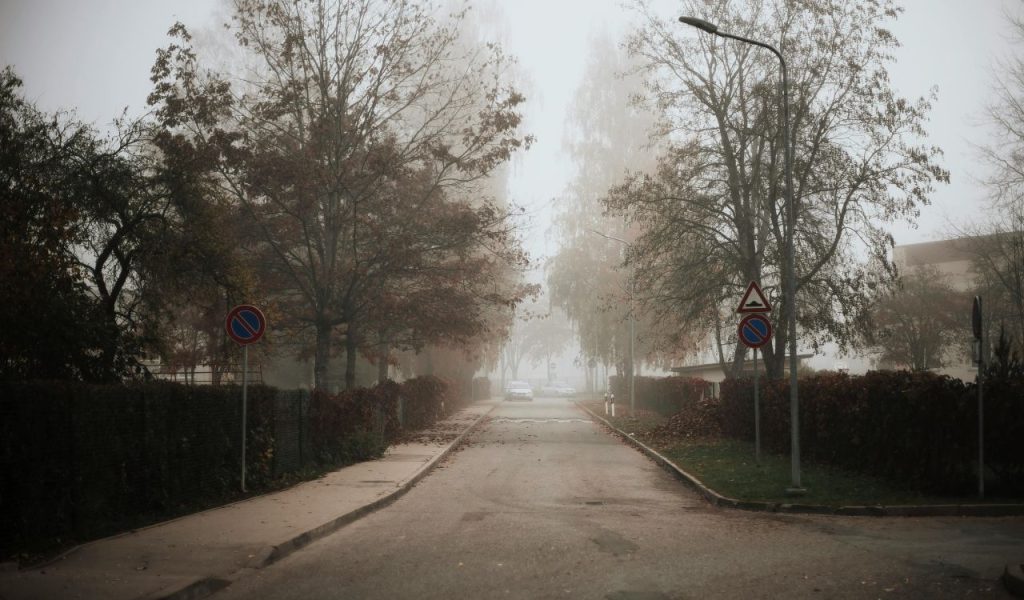
Sundays in the 1970s were marked by a peaceful and reflective atmosphere that distinguished them from the rest of the week. Many businesses closed early or remained shut, encouraging people to slow down and rest. Streets were quieter, and homes became centers of relaxation. Families spent time reading newspapers, listening to music, or visiting relatives. There was little pressure to be productive, allowing minds and bodies to recharge. This calm created emotional balance and helped people prepare for the coming week. Sundays were about presence rather than performance, offering comfort and stability. This sense of stillness made weekends feel complete and deeply restorative.
7. Community Events

Community events played an essential role in making weekends special during the 1970s. Local fairs, sports games, religious gatherings, and neighborhood celebrations brought people together regularly. These events created strong social bonds and a sense of shared identity. Everyone participated regardless of age or background, making inclusion a natural part of community life. People looked forward to seeing familiar faces and engaging in shared traditions. The focus was on connection rather than perfection, allowing events to feel genuine and welcoming. These gatherings gave weekends purpose and excitement while strengthening relationships. The sense of belonging they created added emotional richness to everyday life.
8. Letter Writing

Letter writing was a meaningful and emotional weekend activity in the 1970s, requiring time, patience, and reflection. People used weekends to sit quietly and express thoughts that could not be rushed. Letters were carefully written, often rewritten, and filled with honesty and personal emotion. Receiving a letter brought excitement and warmth, turning an ordinary day into something special. Unlike instant communication, letters carried effort and intention. Many were saved and reread, becoming treasured keepsakes. The anticipation of waiting for a reply deepened relationships. This slow, thoughtful communication made weekends feel emotionally rich and allowed connections to grow in meaningful ways.
9. Simple Togetherness

Above all, weekends in the 1970s were defined by simple togetherness without distraction. Families and friends spent time fully present with one another, whether playing board games, sitting on porches, or having long conversations. There was no pressure to multitask or document moments. Time felt abundant because attention was undivided. This simplicity allowed relationships to grow naturally and deeply. Shared silence was as valuable as conversation. These moments created comfort, trust, and lasting memories. Weekends became emotional anchors that provided connection and warmth. The beauty of togetherness made weekends feel special in ways that continue to inspire nostalgia today.