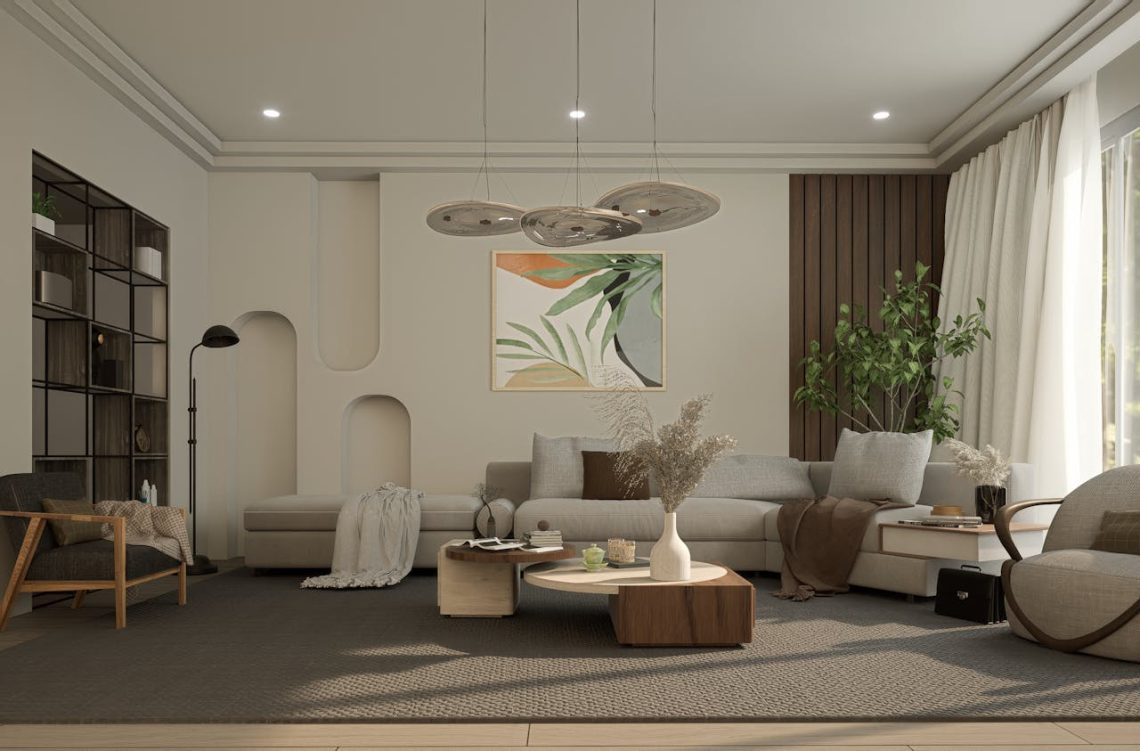
Your living room is often the space you use the most, yet it is also the room people neglect when it comes to thoughtful design. You relax there after work, welcome guests, watch movies, and spend quiet weekends at home. When the room feels cluttered or poorly arranged, that tension follows you every time you walk in. A well-designed room can subtly improve mood and make everyday routines more enjoyable.
The encouraging part is that you do not need a full renovation or expensive furniture to create that feeling. A few intentional choices can transform the room you already have. When you pay attention to layout, lighting, texture, and personal details, the space starts working for you instead of against you. With the right adjustments, your living room can become a stylish sanctuary that supports how you actually live.
1. Choose a Calm and Balanced Color Palette
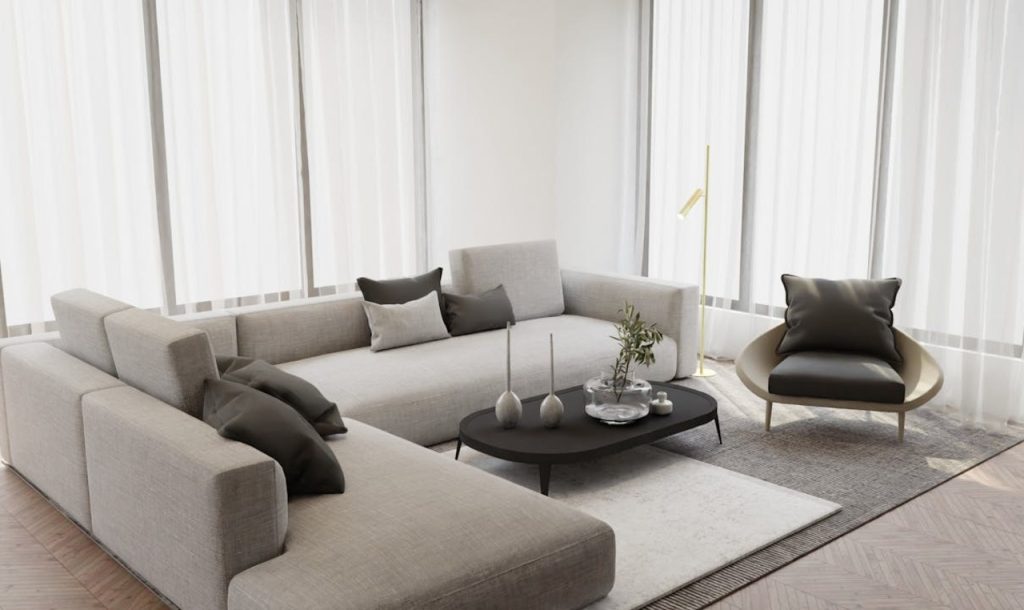
Color quietly influences how a room feels the moment you step inside. When too many strong colors compete for attention, the space can feel busy and overwhelming. Softer palettes tend to create a calmer atmosphere.
You can start small if repainting feels like a big step. Introduce calm tones through pillows, curtains, or a new rug. When your larger furniture pieces stay neutral, these accents become easy to switch later. The key is consistency. When colors relate to one another, the room feels intentional rather than random. A calm palette forms the foundation that helps the rest of the space look stylish and comfortable.
2. Layer Your Lighting for Comfort
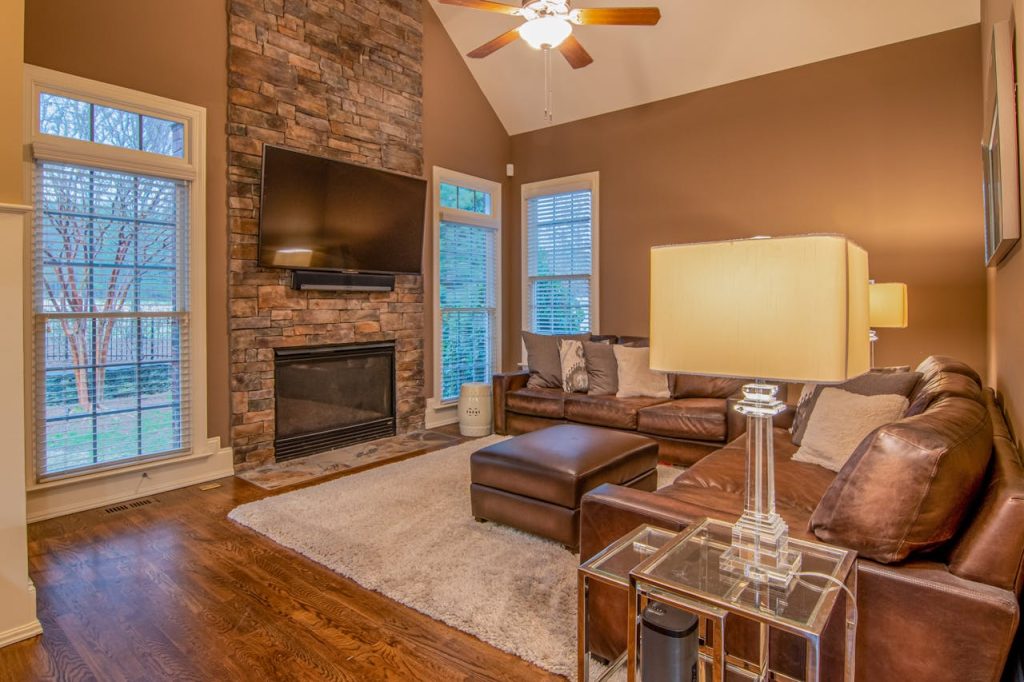
Lighting shapes the atmosphere of your living room more than most people realize. A single bright ceiling light often makes the space feel flat and harsh. Designers typically recommend using several light sources that work together. This layered approach allows you to adjust the mood depending on the time of day or the activity happening in the room.
Start with a mix of overhead lighting, floor lamps, and table lamps. Place a lamp near reading chairs and another beside the sofa to soften the space in the evening. Warm bulbs usually create a more relaxing tone than cooler light temperatures. When you balance different light sources, the space immediately feels more inviting.
3. Arrange Seating to Encourage Conversation
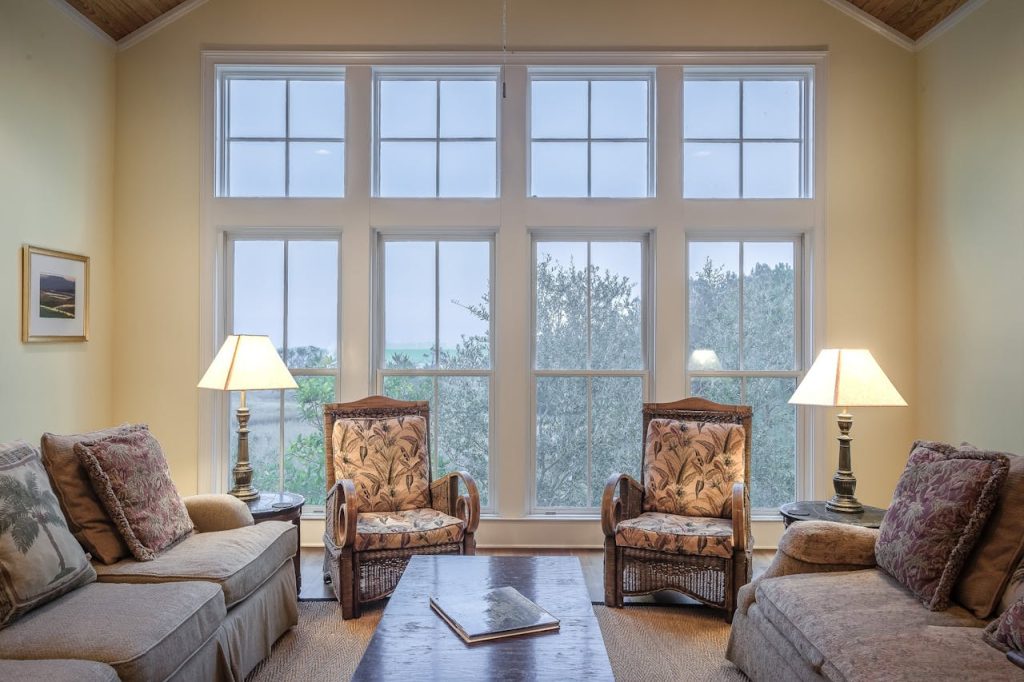
Furniture placement often determines whether a living room feels welcoming or awkward. When every chair faces the television, the room can start to feel more like a waiting area than a gathering space. Interior designers usually recommend arranging seating so people naturally face each other.
You might position two chairs across from the sofa or place a coffee table in the center to anchor the layout. This arrangement encourages conversation and helps guests feel included. Even in smaller rooms, slightly angling chairs toward one another creates a more connected feeling. When seating invites interaction, the space becomes more social and relaxed.
4. Add Layers of Texture
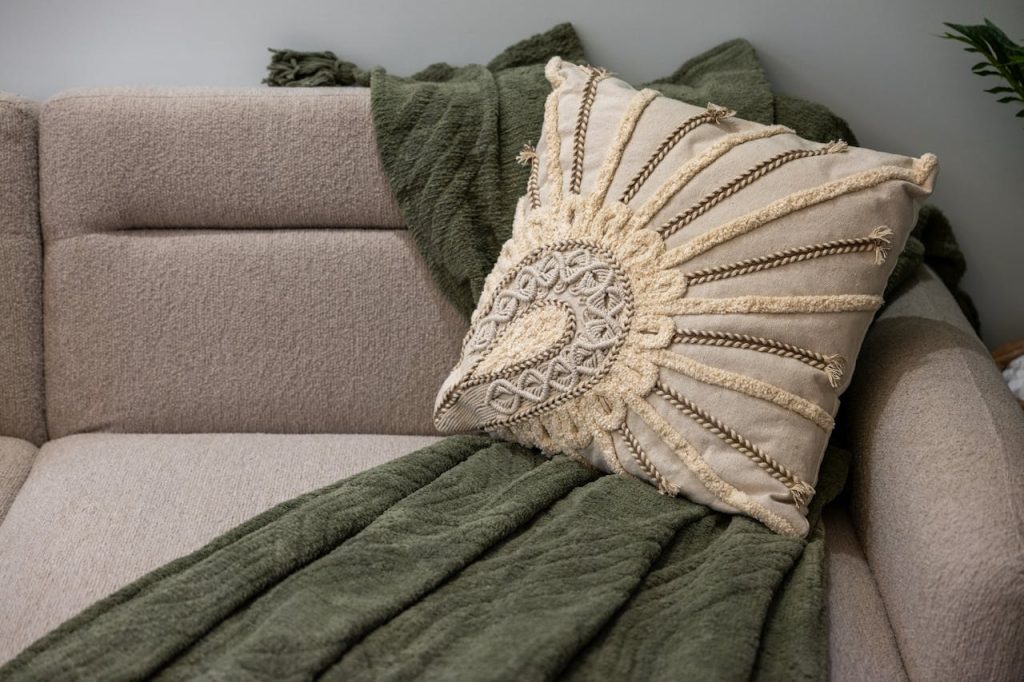
A room with only smooth surfaces can feel sterile, even when the furniture looks attractive. Texture adds warmth and visual depth, which helps the space feel more comfortable. Designers often combine materials like woven fabrics, wood, and natural fibers to create balance.
You can introduce texture through throw blankets, cushions, or area rugs. Woven baskets, ceramic pieces, and wooden trays also contribute subtle variety. The goal is not to overwhelm the room with decorations but to mix materials that contrast gently. When textures work together, your living room feels richer and more inviting without adding clutter.
5. Bring Natural Elements Into the Space
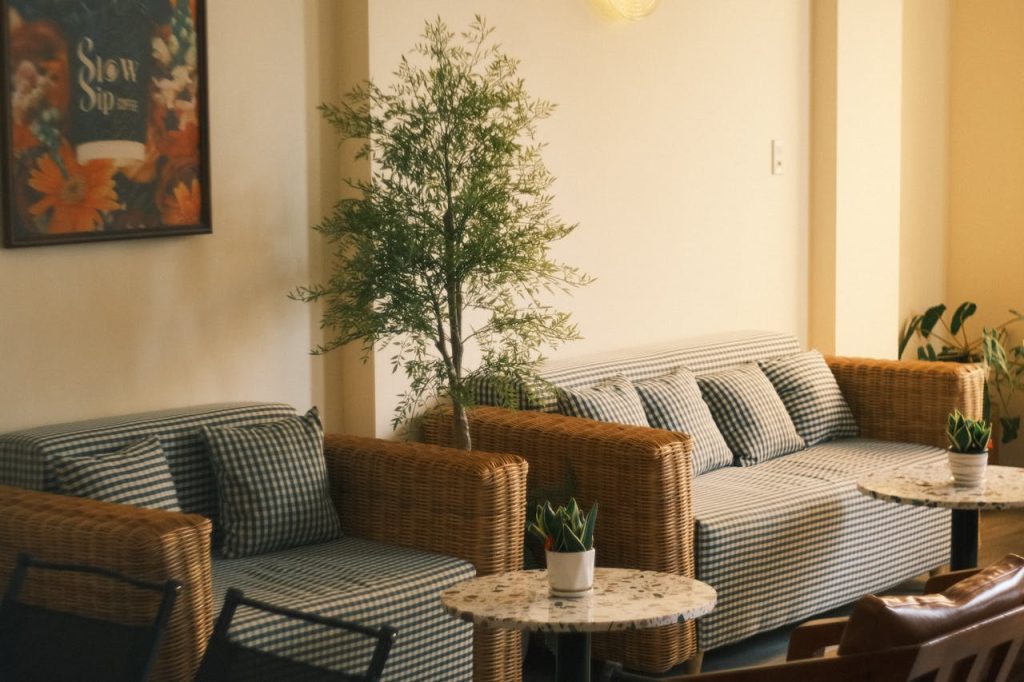
Nature has a calming effect that translates surprisingly well into interior design. Studies often discussed within Environmental Psychology suggest that natural materials and greenery can help people feel more relaxed indoors. Even small touches of nature can shift the mood of a room.
A tall indoor plant, fresh flowers, or a bowl of natural branches can add life to the space. Wooden furniture, stone accessories, and woven materials strengthen the connection to nature. These details soften the room and make it feel grounded. When natural elements appear throughout the space, the room begins to feel peaceful rather than purely decorative.
6. Keep Surfaces Thoughtfully Edited
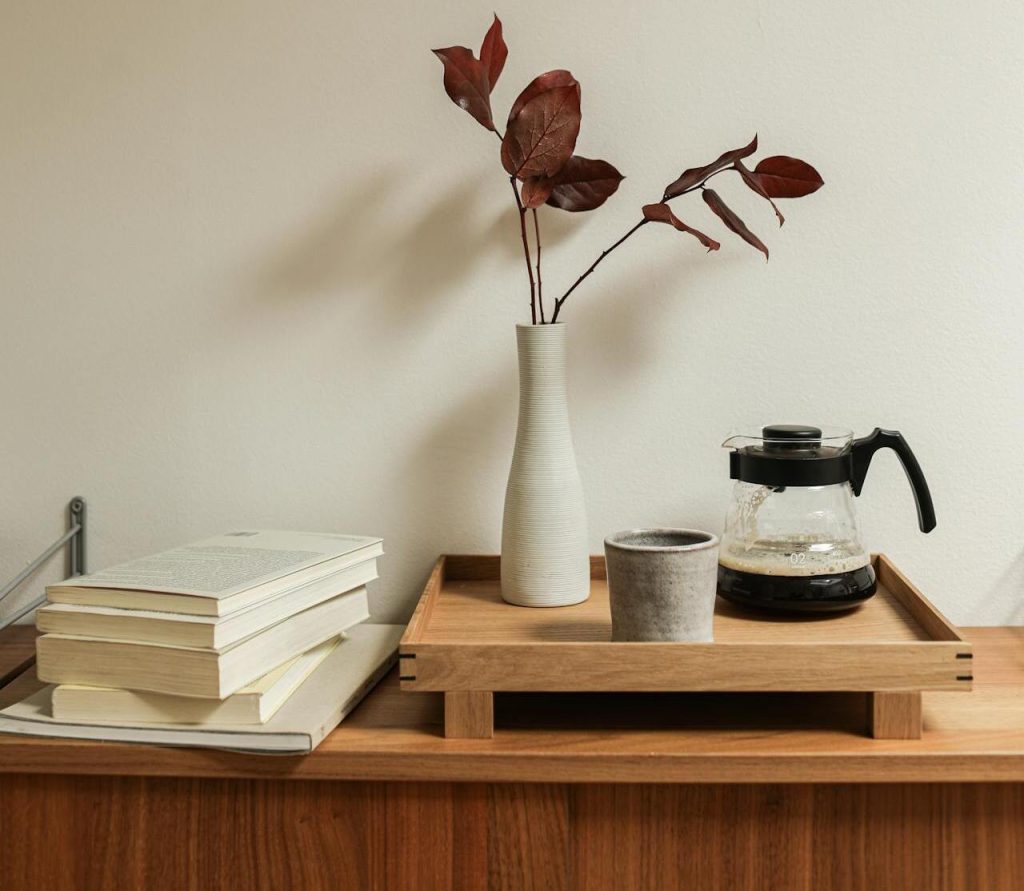
Clutter is one of the fastest ways to make a room feel stressful. When every surface is filled with objects, your eyes struggle to find a place to rest. Professional organizers often recommend keeping only a few meaningful pieces visible while storing the rest.
Start by clearing coffee tables, shelves, and side tables. Choose a few items that truly add beauty or meaning to the room. Decorative trays or baskets can group smaller objects so they look intentional. Once unnecessary items disappear, the room instantly feels calmer and easier to maintain. You will also find it much easier to clean and keep the space organized over time.
7. Use Art That Feels Personal
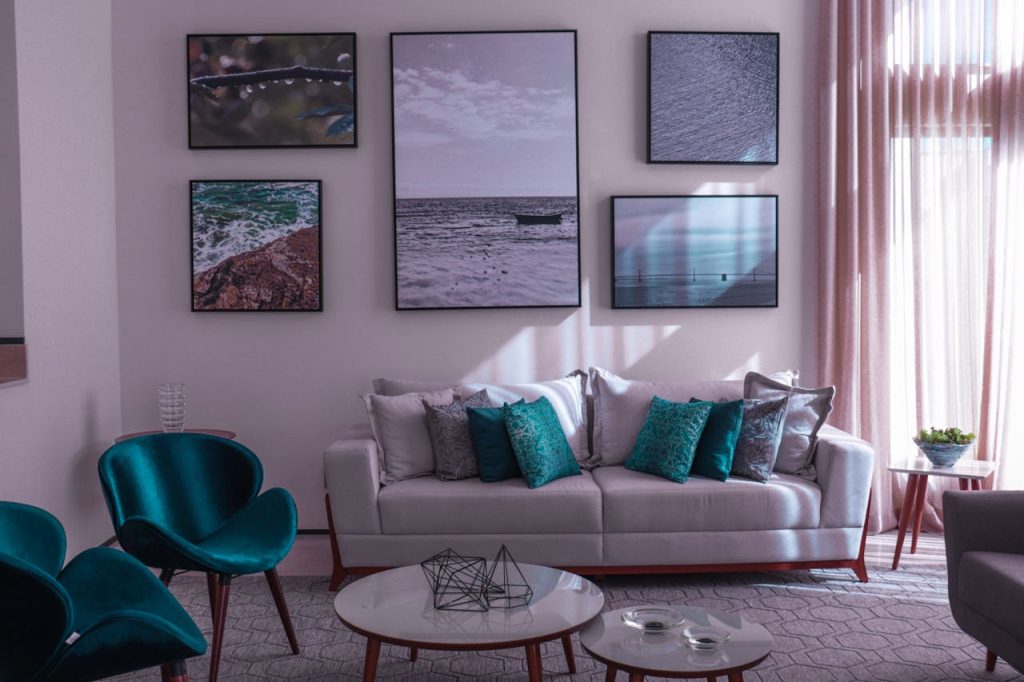
Artwork helps turn a generic room into a space that reflects who you are. Blank walls can make a room feel unfinished, while meaningful art adds character and depth. The most successful living rooms usually feature pieces that tell a personal story.
You might display travel photography, framed prints, or artwork from local artists. Hang pieces at eye level to keep the wall balanced and easy to view. A small gallery arrangement can work well above a sofa or console table. When your walls reflect your interests and memories, the living room becomes far more inviting. It gives guests a glimpse of your personality the moment they walk in.
8. Create a Small Space for Quiet Moments
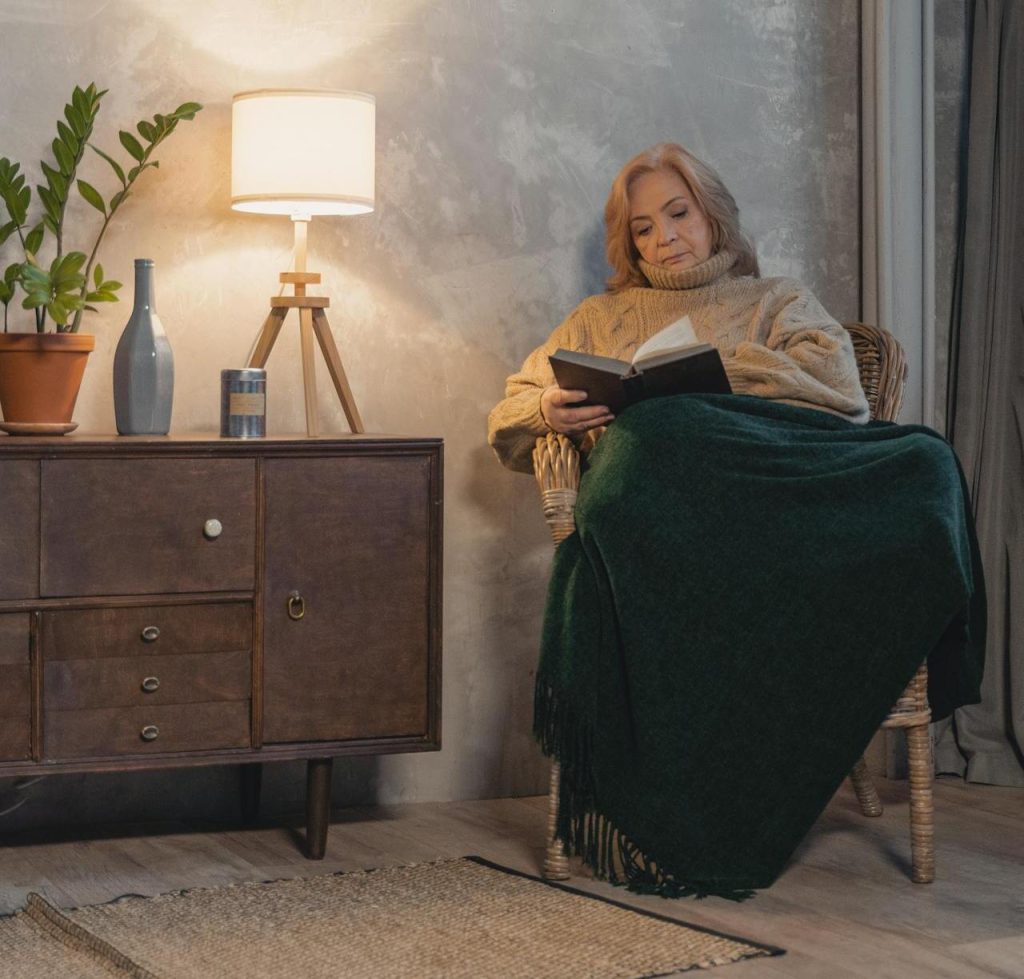
A sanctuary always includes a place where you can pause and recharge. Even in a busy household, a small comfort corner can make a big difference. Designers often recommend creating a simple reading or relaxation area within the living room.
Place a comfortable chair near a window or a warm lamp. Add a soft throw blanket and a small table for books or tea. This corner becomes a personal retreat inside your home. When you have a spot designed for quiet moments, your living room begins to serve both social gatherings and peaceful downtime. It encourages you to slow down, even during a busy day. Over time, this small corner often becomes your favorite place in the house.