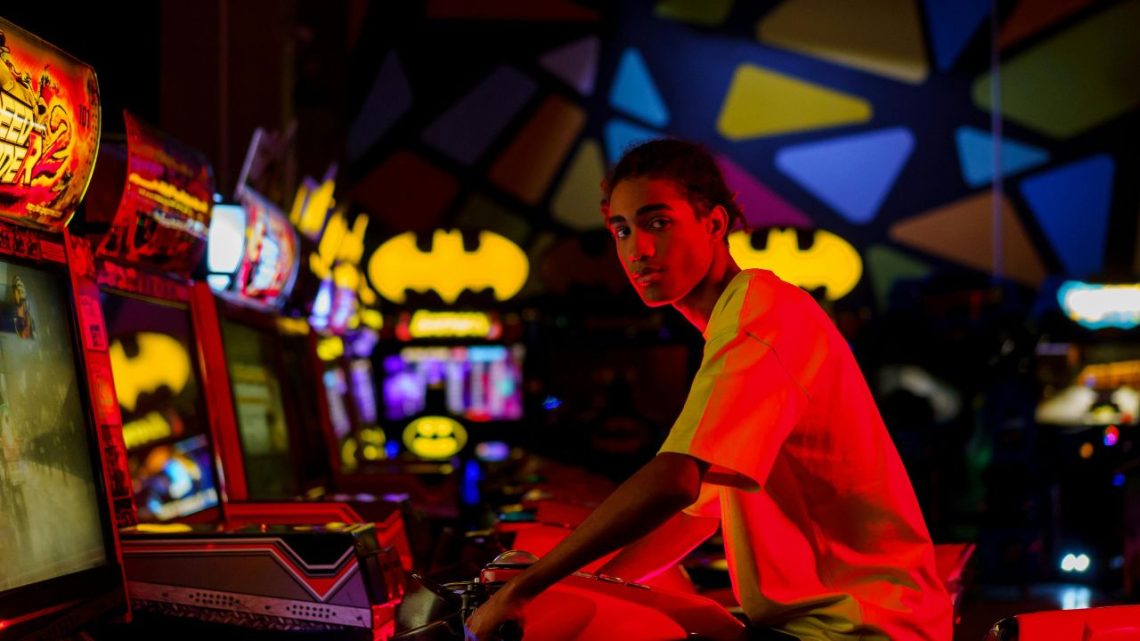
The 1980s arcade boom was more than a trend; it was a cultural spark that shaped an entire generation’s imagination. These glowing, buzzing rooms became sanctuaries where kids, teens, and even curious adults escaped the ordinary and stepped into worlds lit by pixel magic. Every visit felt like entering a new dimension, one where the clatter of tokens, the sharp electronic melodies, and the dim neon lighting blended into a sensory symphony. People didn’t just come to play; they came to socialize, challenge rivals, and forge memories that would outlast the machines themselves. Arcades offered a sense of belonging long before digital networks existed, creating a unique, tight-knit form of in-person community.
1. Castlelight
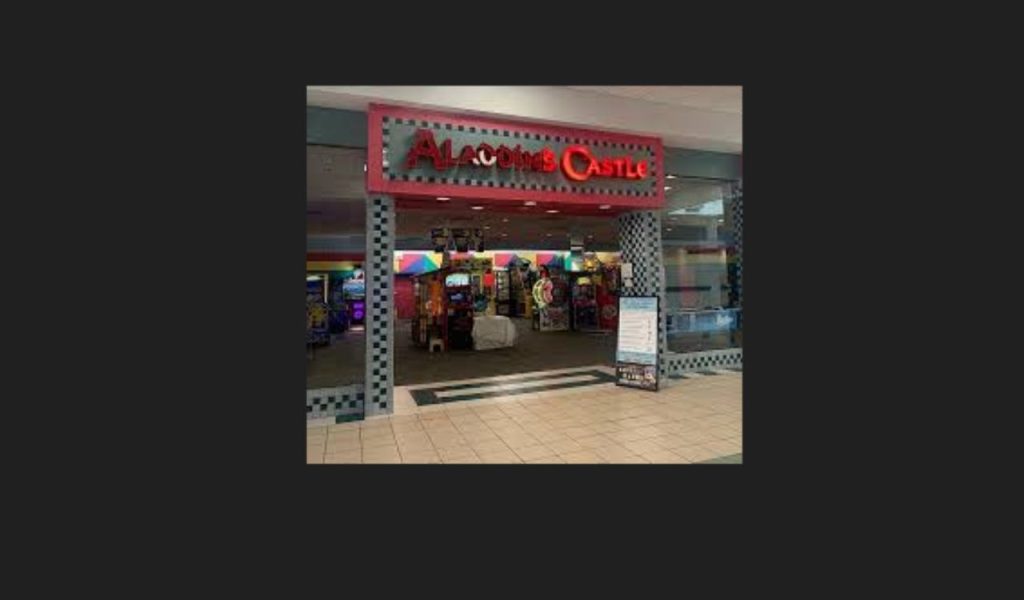
Aladdin’s Castle, created by Bally Manufacturing, stood as one of the most recognizable sanctuaries of arcade culture in the 80s. The moment you saw its glowing sign inside a mall, you knew you were approaching a realm unlike any other, a place where shadows, neon, and an unending chorus of jingles awaited. Once inside, the entire world shifted into a dimly lit maze of screens, each one flickering with its own universe of challenges waiting to be conquered. The air pulsed with competitive energy as players hovered around their favorite cabinets, determined to protect high scores or push beyond personal limits.
2. PizzaPulse
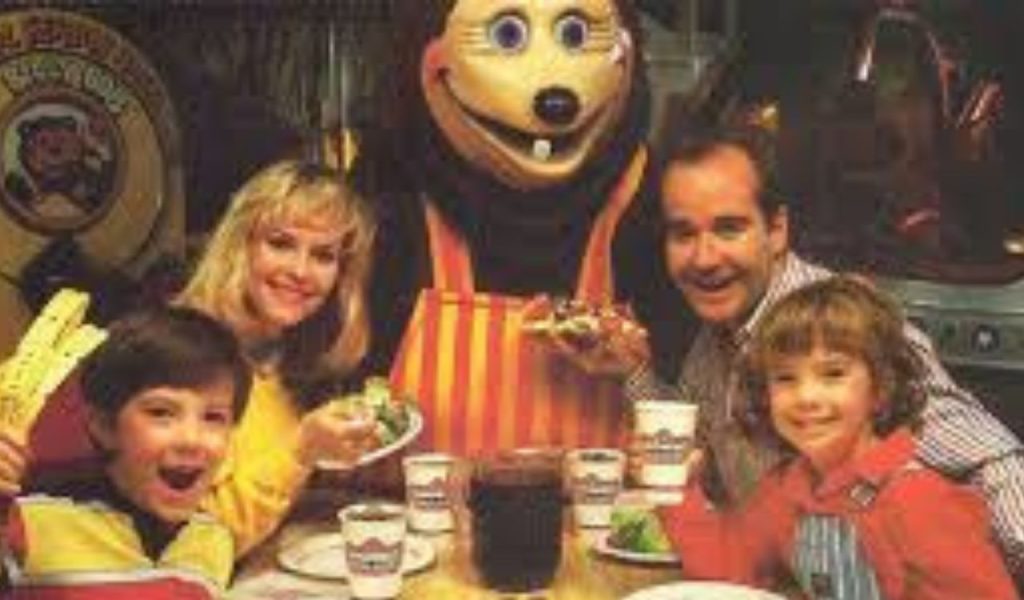
ShowBiz Pizza Place, which later evolved into Chuck E. Cheese, was a delightfully chaotic blend of food, music, animatronics, and arcade action. Children would burst through its doors, drawn by the promise of pizza slices larger than their plates and the irresistible glow of game machines lining the walls. The animatronic band, The Rock-afire Explosion, delivered performances that became part of many childhood memories, but the real gravity of the place always existed in its arcade section, where players raced through virtual worlds, fired lasers at alien invaders, and competed fiercely for high scores.
3. GoldRush
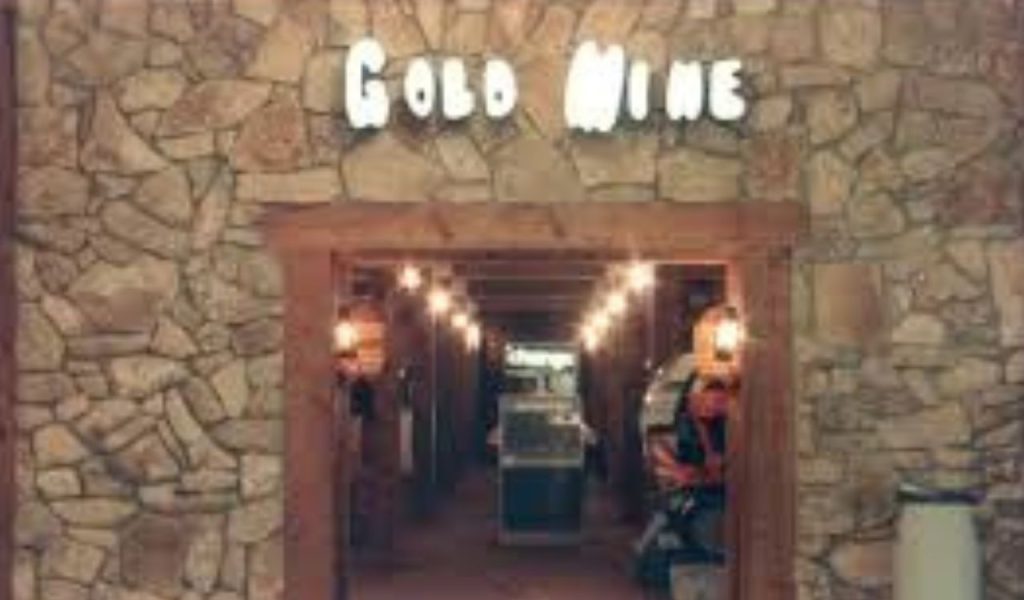
The Gold Mine arcade had an identity that set it apart immediately, thanks to its Wild West theme that evoked the spirit of adventure even before players stepped inside. With saloon-style entrances and rustic décor, it created a visual charm that hinted at hidden treasure waiting within. Inside, the atmosphere transformed instantly into the quintessential 80s arcade experience: loud, colorful, and absolutely alive. Machines glowed from every corner, filling the room with a continuous wave of explosions, laser shots, and musical cues. This arcade became a gateway for many first-time players, introducing them to the excitement of joystick battles, pixelated quests, and the addictive challenge of beating a familiar game.
4. MegaPulse
The mega-arcade prototypes of the late 80s, precursors to chains like GameWorks, introduced a bold vision of what futuristic gaming spaces could be. These massive centers weren’t just arcades; they were entertainment hubs designed to feel cutting-edge, with cavernous floors, colorful lighting schemes, and enormous screens that dwarfed the typical cabinet setup. Players entering these spaces felt a sense of awe, as if technology and imagination had collided to create a new frontier of interactive entertainment. Although not as widespread or established as later chains.
5. Spotlight
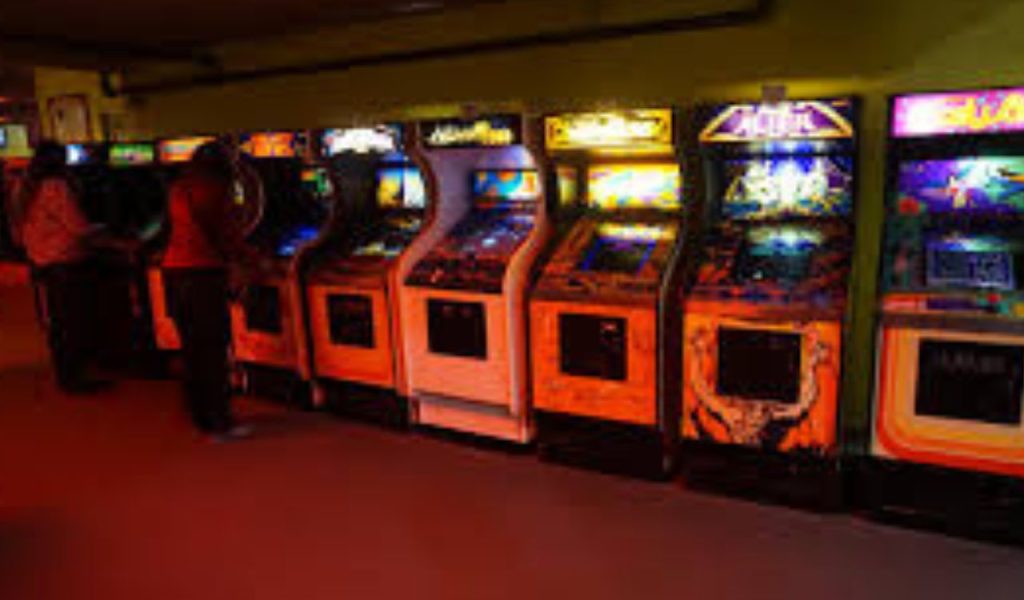
Funspot, which still exists today, reached almost mythical status during the 1980s. Back then, it wasn’t an artifact of nostalgia but a living empire of arcade entertainment where every aisle promised discovery. As visitors walked through its sprawling layout, they encountered clusters of gamers gathered around popular cabinets, exchanging tips, celebrating victories, and encouraging newcomers. Funspot effortlessly bridged the gap between casual players and dedicated experts, offering a wide range of experiences from pinball classics to iconic digital battles. It stood as a living playground where imagination had room to run wild, pulling players into immersive stories of adventure, strategy, and skill.
6. RaceZone
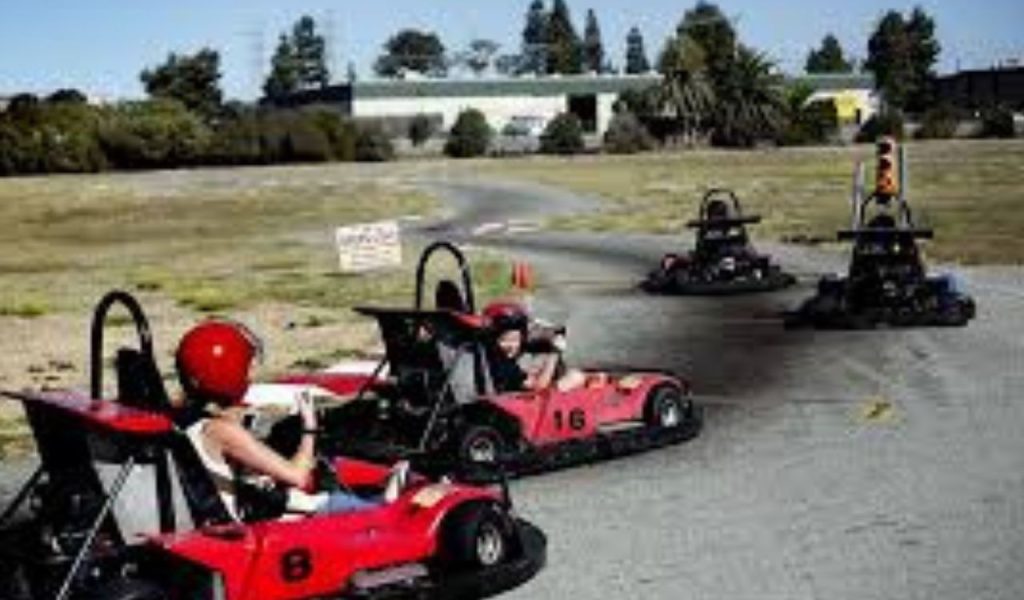
Malibu Grand Prix, operated by Malibu Grand Prix, offered an irresistible fusion of physical and digital adrenaline. Unlike typical arcades, this iconic venue gave visitors the chance to speed around actual kart tracks before stepping inside to take on the challenges of air combat, futuristic racing, and precision shooting in the game room. The outdoor racing experience made players feel like real drivers, fueling their excitement before they carried that energy into the arcade section. Inside, the glowing cabinets formed a continuation of the rush, with games that mirrored the thrill of high-speed action. Families often spent entire afternoons here, with parents cheering on their children or joining the fun themselves.
7. Arcadia
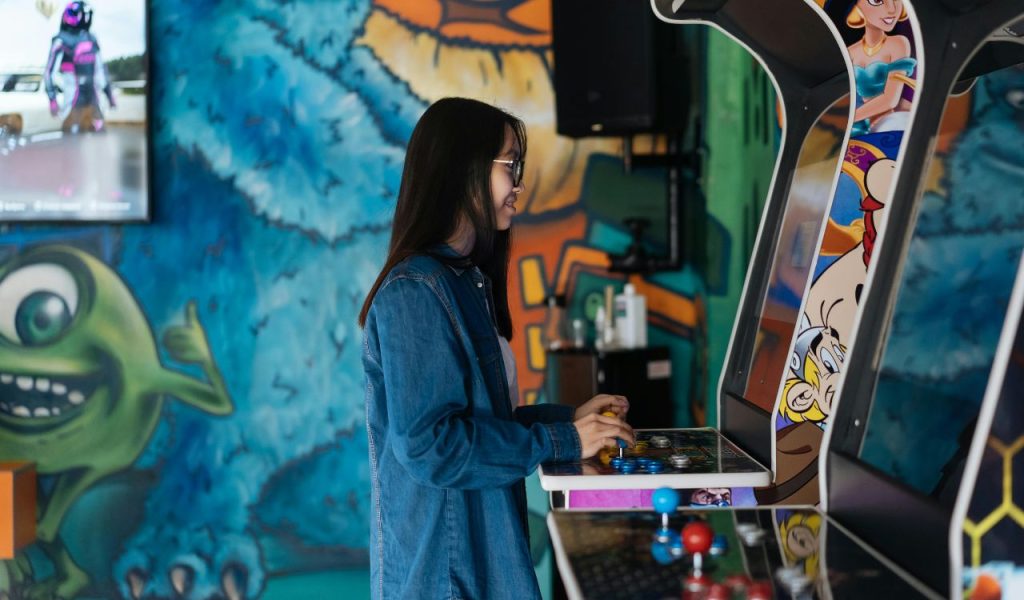
Independent arcades like Arcadia carried a nostalgic soul that chain locations could not duplicate. These smaller venues were often run by passionate owners who hand-picked each machine with the care of collectors, creating carefully curated experiences that reflected the personality of the community. Stepping into one felt like entering a private club, where regulars exchanged friendly competition, shared strategies, and formed bonds that stretched far beyond the walls of the arcade. The atmosphere was intimate dim lighting, familiar faces, and machines that hummed with the warm glow of dedication rather than mass production.
8. NeonCircus
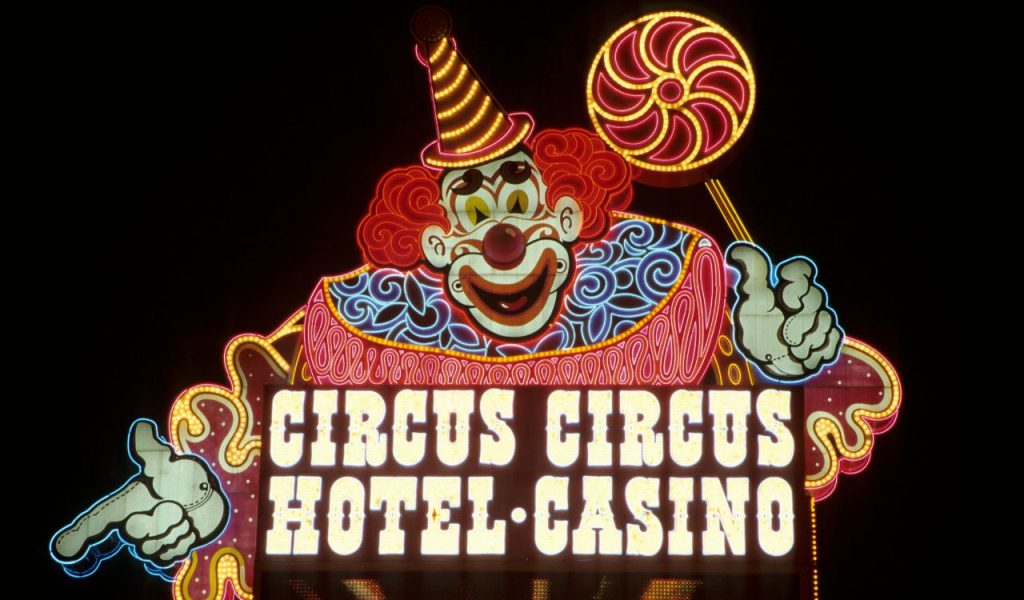
The Electric Circus delivered an experience that felt like stepping into a pocket-sized nightclub made for the youth of the 80s. Blacklights illuminated every surface, neon paint glowed like living artwork, and the air was thick with the haze of fog machines and the pulse of electronic music. This wasn’t just a place to play games; it was an environment built around energy, identity, and atmosphere. Teenagers flocked to its vibrant, stylish layout, where even walking from machine to machine felt like being part of a music video. The arcade games blended seamlessly into the overall vibe, glowing intensely as players bounced between rhythm, action, racing, and fantasy worlds.