
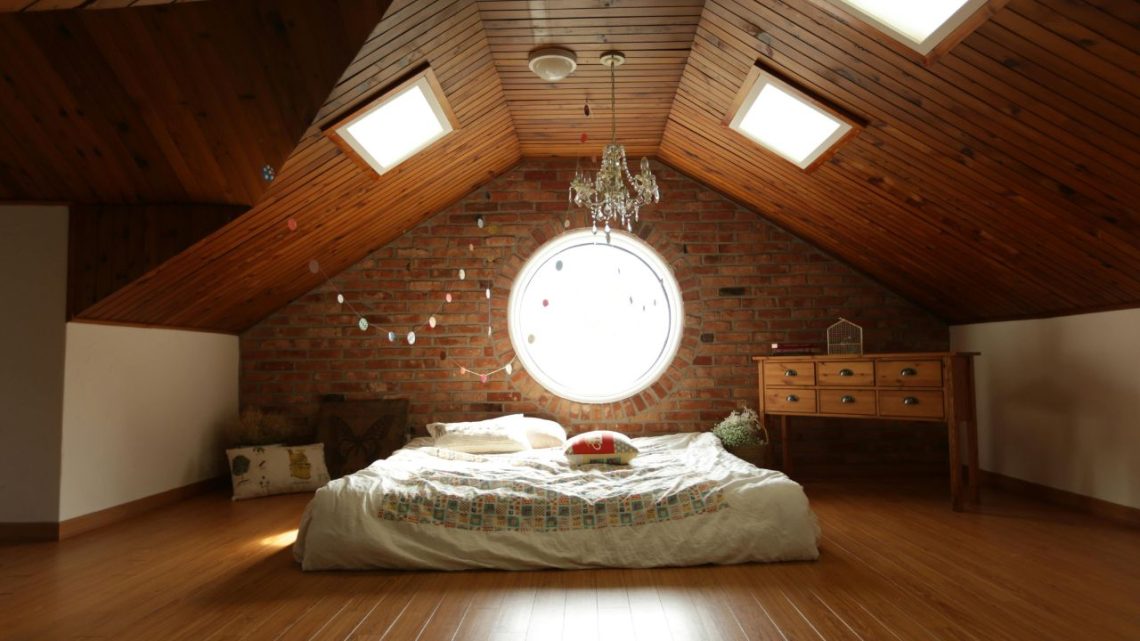
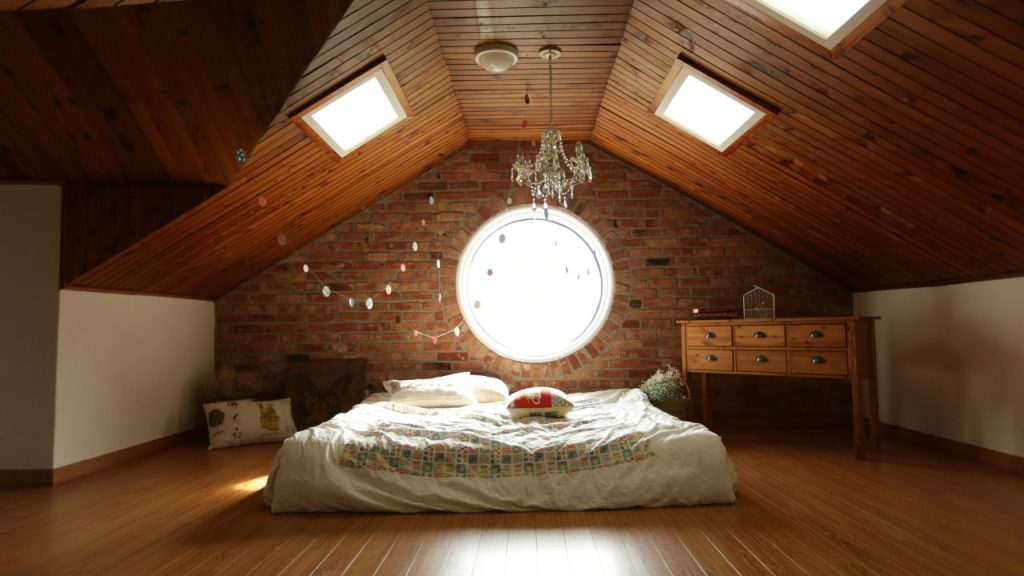
Creating warmth in a room isn’t simply about raising the thermostat; it’s about shaping an atmosphere that feels soft, lived-in, and comfortable on a sensory level. A space can be visually beautiful yet still lack an emotional sense of coziness if essential layers are missing. When a room feels cold, it often means textures are limited, lighting is harsh, or surfaces are too bare to create depth. By strategically adding elements that appeal to touch, sight, and even scent, you can transform an ordinary room into a comforting retreat. What’s most appealing about this process is that none of the changes require major renovations or large budgets; small additions can shift the entire mood.
1. Rugsoft

A room without a rug often feels unfinished, echoey, and visually cold because hard floors don’t absorb sound or provide tactile comfort. Adding an area rug instantly changes that dynamic by grounding the furniture, softening footsteps, and giving the room a visual anchor that draws the eye inward. Thick pile rugs, woven natural fibers, or patterned designs introduce texture that warms the space both physically and aesthetically. Even in carpeted rooms, placing a decorative rug adds depth and defines zones within larger areas. Rugs also help regulate temperature by insulating floors, making them a practical addition in cooler seasons. The warmth they provide isn’t just about physical heat.
2. Thrownest

Introducing throws and blankets to your room brings a level of softness that cannot be replicated by furniture alone. When draped over a sofa, chair, or bed, a throw adds a relaxed, welcoming aesthetic that suggests comfort and ease. The tactile sensation of a soft fabric, whether it’s fleece, cotton, knit, or faux fur, naturally encourages you to rest, curl up, and stay longer. Beyond their functional use during chilly moments, throws act as decorative accents that add color, pattern, and visual warmth. They help break up flat surfaces and add a sense of movement, making the entire room feel more alive. Just the presence of a neatly folded blanket or one casually placed over an armrest communicates hominess.
3. Glowwarm

Lighting plays a crucial role in the emotional temperature of a room, and switching from harsh, cool bulbs to warm ambient lighting can dramatically transform the atmosphere. Warm light creates a soft, inviting glow that makes shadows blend smoothly, reducing the sterile feel of crisp white light. Adding lamps rather than relying on overhead fixtures allows you to build layers of illumination that feel more intimate and relaxing. Table lamps, floor lamps, and accent lights each contribute to a cozy environment that feels naturally warm without overwhelming the eyes.
4. Curtasoft

Curtains and drapes have the unique ability to instantly soften a room’s appearance while also insulating it physically. Bare windows often introduce stark lines and let in drafts, making the space feel colder, both visually and in temperature. Adding curtains creates a frame that brings balance and fullness to the room’s design. Thick fabrics like velvet, thermal blends, or layered sheers add both visual texture and functional warmth by trapping heat and blocking out cold air. They also help absorb sound, reducing echo and making the room feel more enclosed and serene. The movement and flow of fabric enhance the feeling of comfort and softness, making the environment feel more nurturing and welcoming.
5. Greenscape
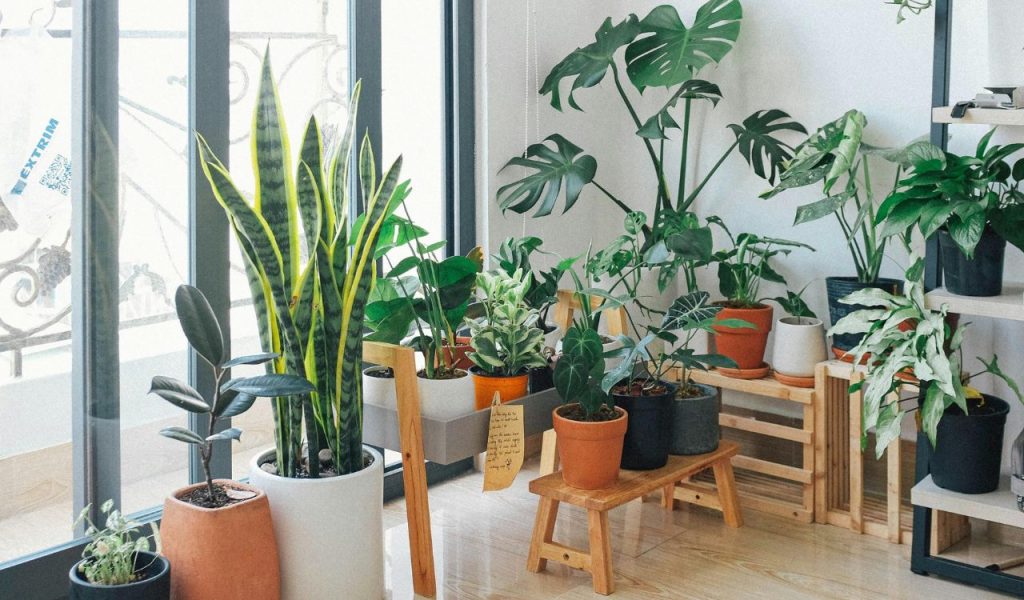
Adding plants to a room introduces a sense of warmth because living elements inherently make a space feel more organic, grounded, and nurturing. The visual presence of greenery softens rigid lines and adds a soothing natural contrast to structured furniture. Plants also help purify the air, creating a fresher environment that feels more alive. The varying shapes, sizes, and textures of leaves bring dimension and richness to the room, while pots and planters offer additional opportunities for color and style. Even a few strategically placed plants can transform an otherwise bland area into a vibrant, cozy corner. The connection to nature evokes calm and reduces stress, making the room feel emotionally warmer.
6. Warmtone

Using decor in warm color palettes introduces psychological and visual warmth that instantly shifts the room’s atmosphere. Warm tones like terracotta, mustard, rust, deep green, tan, and earthy neutrals create a sense of comfort and familiarity. When incorporated through pillows, vases, fabrics, or artwork, these hues make a room feel more inviting and grounded. Colors affect mood, and warmer tones naturally evoke relaxation, making the space feel cozier without adding physical heat. Even subtle accents can break up an otherwise cold or monochromatic environment. Warm-tone decor also pairs well with natural materials like wood and woven fibers, creating harmonious layers that enhance the room’s overall warmth.
7. Wallnest

Bare walls often contribute to a sense of emptiness and coldness in a room, making the space feel less lived-in. Adding artwork, framed photos, tapestries, or other wall decor fills this void and gives the room a sense of personality and warmth. Art adds visual interest through color, shape, and texture, creating focal points that draw the eye and add energy. Even minimalist pieces bring structure and intention to the walls. Wall decor also helps define the theme or mood of the space, making the environment feel cohesive and complete. The presence of personal photos or meaningful artworks adds emotional warmth that makes the space feel uniquely yours.
8. Woodtouch

Wood brings an unmatched natural warmth to interiors because of its organic texture, grain patterns, and mellow earthy tones. Even small wooden accents such as side tables, shelves, frames, or bowls can soften a space dominated by metal, plastic, or sterile surfaces. Wood’s visual richness adds depth, making the room feel more grounded and balanced. Its warm undertones help counteract cool color schemes or modern minimalistic designs that may otherwise feel cold. Wooden surfaces also age beautifully, adding character over time and reinforcing the sense of home. Whether polished or rustic, wood introduces a tactile quality that encourages touch and connection.
9. Aromawarm

Scent plays a major role in creating emotional warmth, and adding candles or diffusers can elevate the mood of any room. Candles give off a soft, flickering glow that instantly adds coziness, while their fragrances fill the air with comforting notes like vanilla, amber, cedar, or spice. Diffusers provide long-lasting aroma without an open flame, making them ideal for everyday use. Pleasant scents create associations with comfort, relaxation, and safety, helping the room feel more intimate and soothing. The gentle presence of fragrance also adds another sensory layer to the space, making it feel more complete and thoughtfully curated.