You don’t need a renovation budget to make your home feel different. What you need is timing. Small seasonal adjustments shift how a room looks, feels, and even functions. Designers often note that light, texture, and color strongly influence mood and perception, a point supported by environmental psychology research from institutions like the University of Minnesota. When you change elements that interact with light and comfort, the room responds immediately.
Here’s the practical part: you focus on surfaces, fabrics, scent, and layout before you touch anything structural. That keeps the cost low and the impact high. Guests may not pinpoint what changed, but they’ll sense the difference the moment they walk in. If you want a room that feels intentionally refreshed four times a year, these six adjustments do the heavy lifting without turning your home into a storage unit.
1. Rotate Textiles to Match the Season
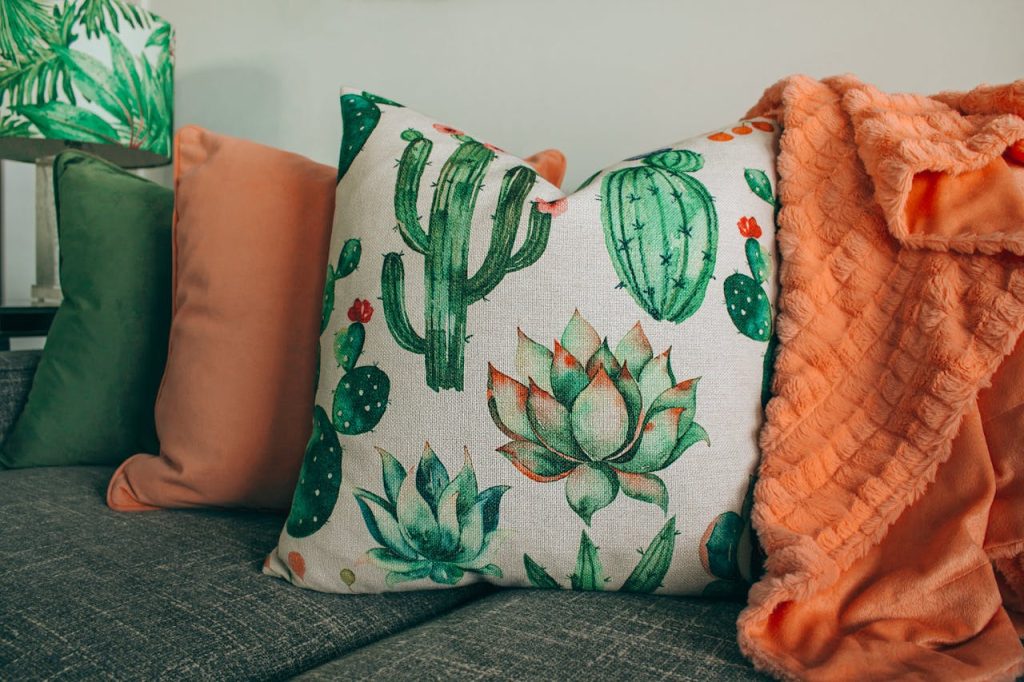
Your textiles set the emotional temperature of a room. In colder months, you want density and warmth: wool throws, velvet cushions, thicker drapes. In warmer seasons, swap them for breathable cotton, linen, or light blends. The tactile change alone shifts comfort levels. According to textile performance studies published by the Textile Research Journal, fiber weight and weave directly affect perceived warmth and air flow.
You don’t need to replace everything. Start with pillow covers, throws, and one statement rug. Even changing curtain panels can soften harsh sunlight in summer or trap warmth in winter. When guests sit down and instinctively comment that the room feels cozy or airy, that reaction comes from these fabric decisions. This adjustment is subtle but powerful because it works on both sight and touch.
2. Adjust Lighting Temperature and Placement

Lighting is the fastest transformation tool in your home. Warmer bulbs around 2700K create intimacy and relaxation during fall and winter. Cooler tones between 3000K and 4000K feel clean and energetic in spring and summer. The Illuminating Engineering Society supports matching color temperature to desired mood and task.
You can go further by repositioning lamps. In winter, cluster lighting lower to create a sense of enclosure. In summer, spread light outward and upward to make the room feel open. Replace heavy lampshades with lighter fabrics when daylight increases. Add candles in cooler months for layered glow, then shift to subtle accent lighting when evenings stretch longer. Guests may not discuss Kelvin numbers, but they will notice the atmosphere shift immediately.
3. Introduce Seasonal Greenery
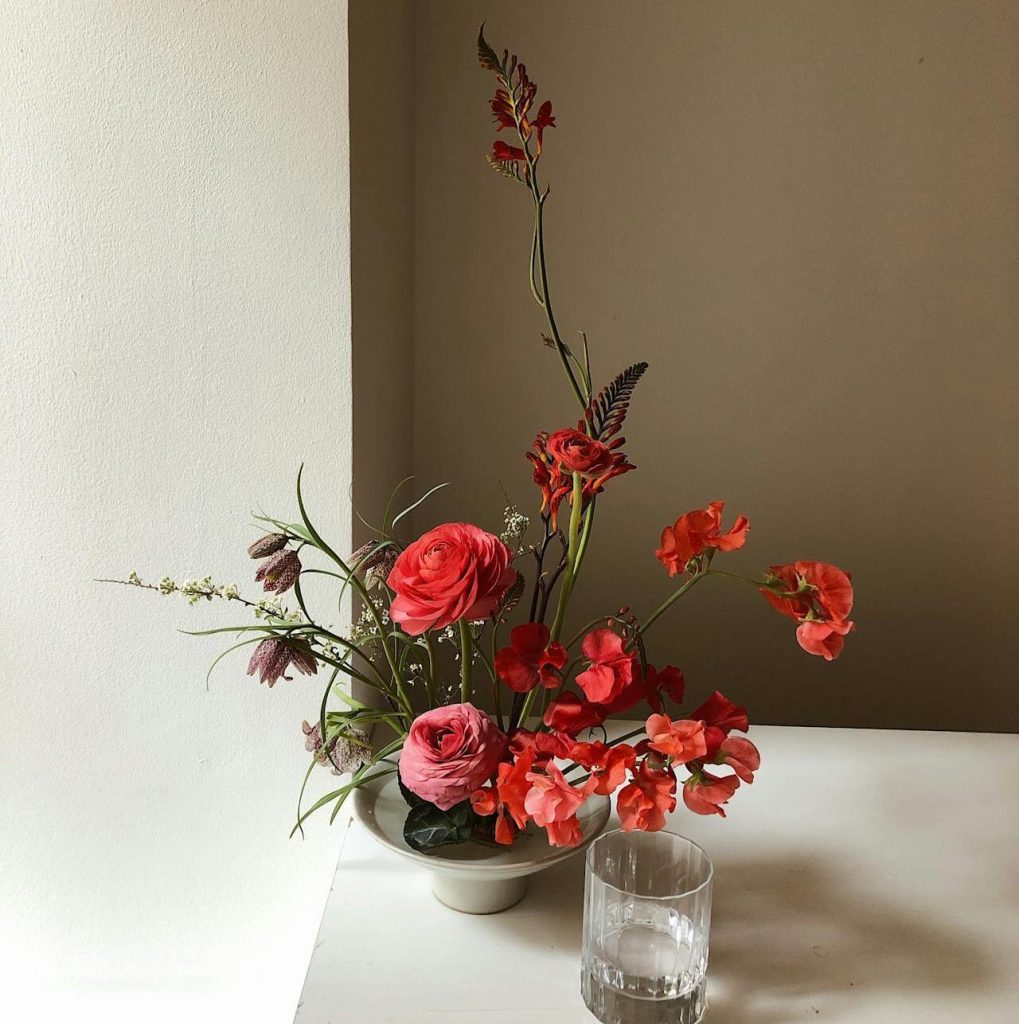
Plants instantly refresh a space, but the type you choose matters. Spring calls for flowering varieties or fresh-cut stems. Summer favors leafy greens that thrive in bright light. In autumn, branches with warm tones or dried arrangements echo the outdoors. Winter works well with structured evergreens or low maintenance indoor plants.
Research from Texas A&M University shows that indoor plants can enhance perceived well-being and reduce stress. When you rotate greenery with intention, you mirror what is happening outside. That connection grounds a room in the current season. You do not need a jungle. Even one large statement plant or a rotating centerpiece changes the visual rhythm and keeps the room from feeling static all year.
4. Shift Your Color Accents
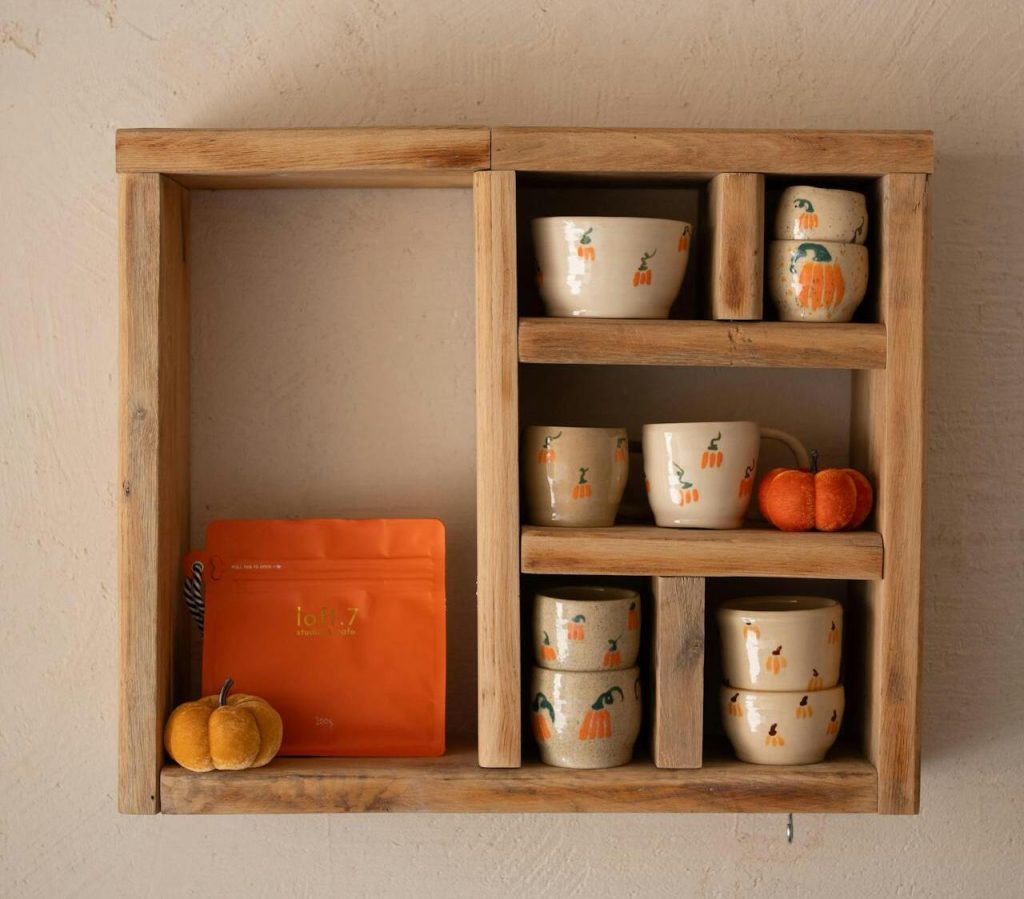
You may not want to repaint walls every few months, and you do not need to. Accent colors carry enough visual weight to signal change. In cooler seasons, lean into deeper tones such as rust, forest, or navy. In warmer months, choose lighter shades like sage, soft blue, or warm neutrals.
Color psychology research summarized by the American Psychological Association indicates that color influences emotional response and spatial perception. You can apply this through art prints, decorative bowls, or even books displayed spine-out in curated palettes. The goal is consistency. Pick one or two seasonal tones and repeat them in small ways across the room. Guests will sense cohesion even if they cannot identify the exact change.
5. Rework the Furniture Layout
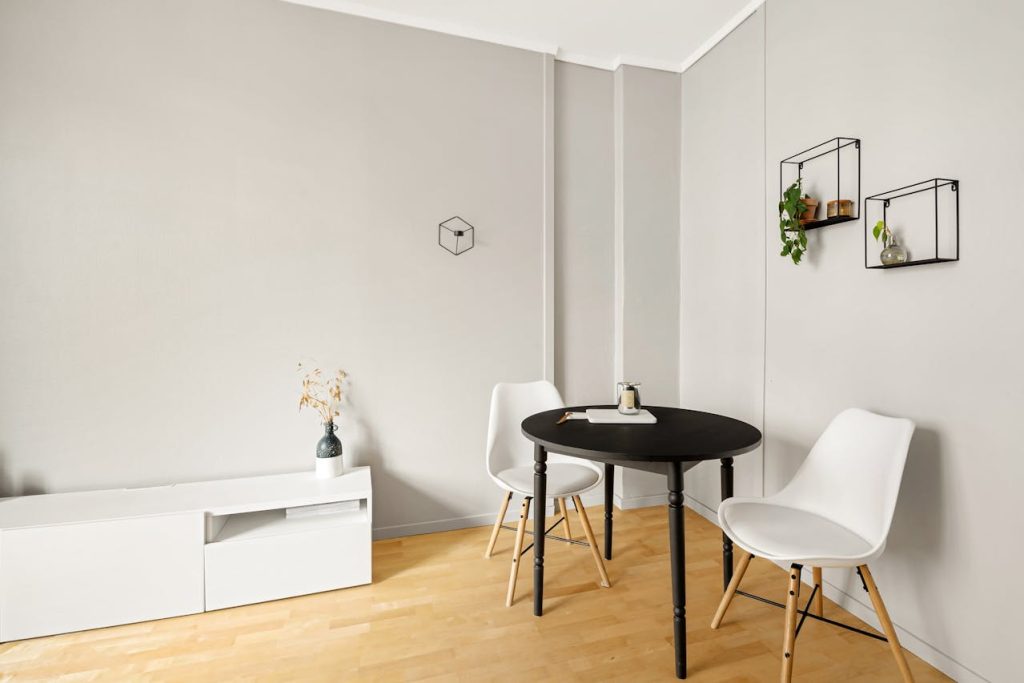
Season affects how you use space. In winter, you gravitate toward intimate conversation areas. Pull chairs closer together and angle seating inward. In summer, you likely prefer airflow and openness. Create wider pathways and remove unnecessary side tables.
Spatial arrangement research from Cornell University suggests that furniture placement influences interaction and perceived comfort. When you shift layout with intention, the room supports how you actually live in that season. This costs nothing except time, yet the impact feels dramatic. Guests notice when a space invites conversation or feels easy to move through. That invitation comes from layout, not square footage.
6. Update Scent and Sensory Details
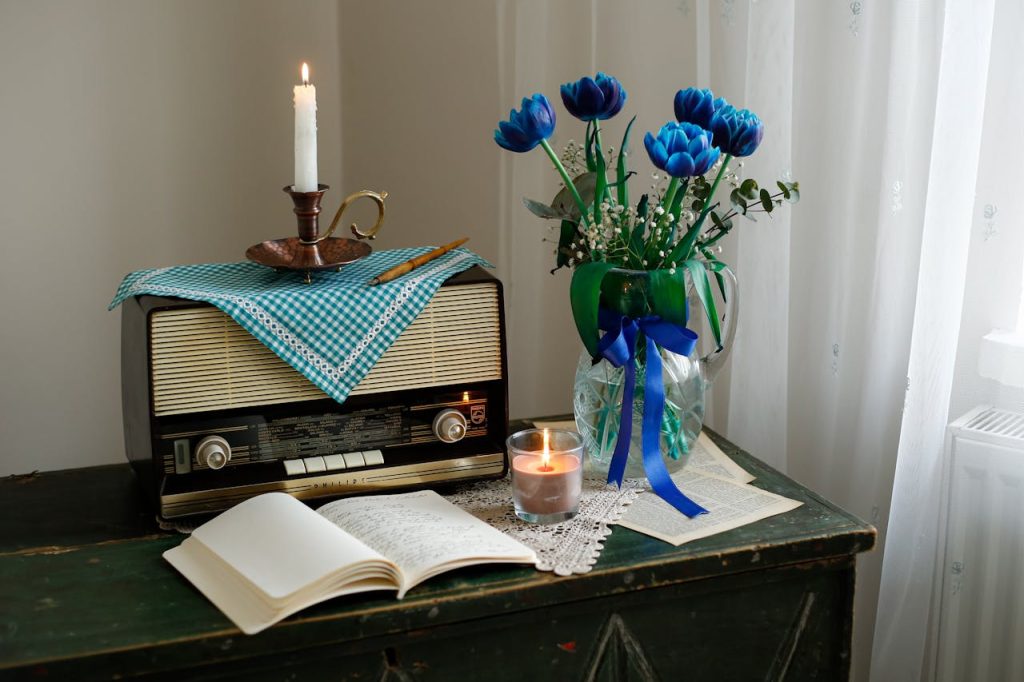
Scent anchors memory more strongly than sight, according to findings published in Chemical Senses. If your room smells like pine or spice in December and citrus or fresh linen in June, you reinforce the seasonal shift. Use candles, diffusers, or natural elements like eucalyptus.
Texture and sound also matter. In colder months, layered rugs soften footsteps and absorb echo. In warmer seasons, lighter floor coverage keeps acoustics brighter. Even swapping heavy table decor for simpler pieces reduces visual weight. These micro adjustments build a full sensory experience. Guests may not articulate why the room feels different, but their senses register the shift within seconds.