
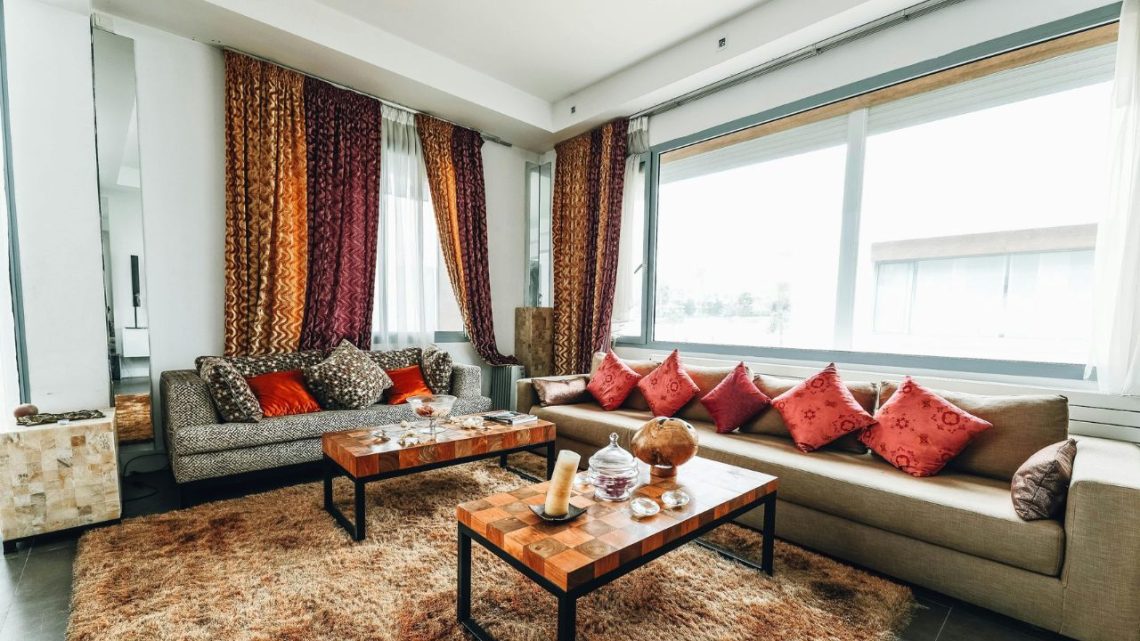
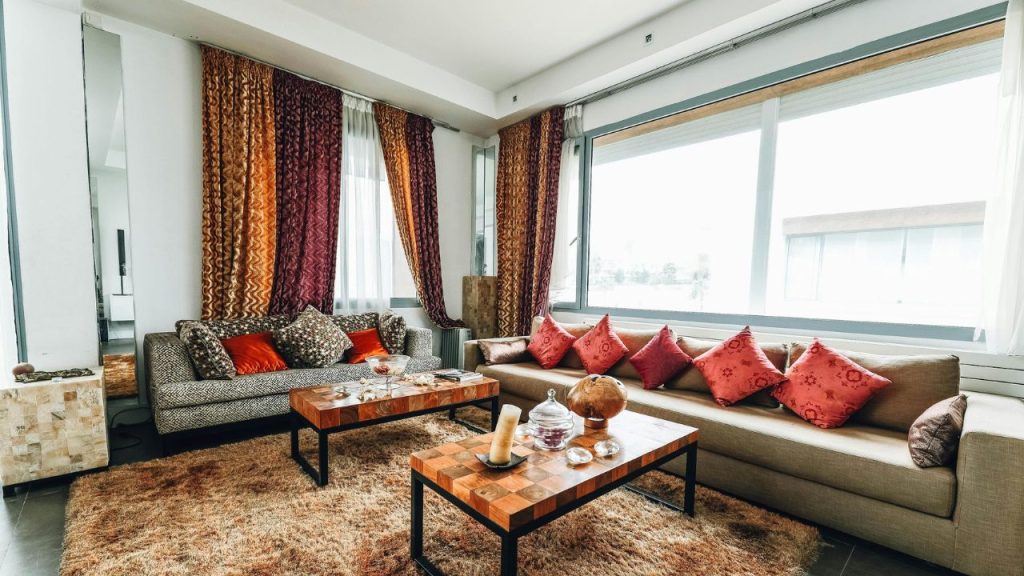
Creating a cozy atmosphere in your home or personal space is often thought of as a simple task—soft lighting, plush cushions, and warm colors should be enough, right? Yet, many people unknowingly make subtle mistakes that chip away at the warmth and comfort of a space. These errors are often so quiet and unassuming that they go unnoticed, but their impact is cumulative. A truly cozy environment is more than aesthetics; it is a combination of sensory harmony, emotional resonance, and functional flow.
1. Harsh Lighting

Lighting is arguably the single most influential factor in shaping a cozy atmosphere. Bright, cold, or overly direct lighting can immediately transform a space from inviting to sterile. Many people assume that well-lit rooms are inherently warm, but this is a misconception. Lighting that is too harsh creates shadows, emphasizes imperfections, and contributes to a clinical feeling that discourages relaxation. Warm light, soft diffusers, and layered lighting options—such as table lamps, floor lamps, and subtle wall sconces—are crucial to cultivating intimacy.
2. Clutter Accumulation
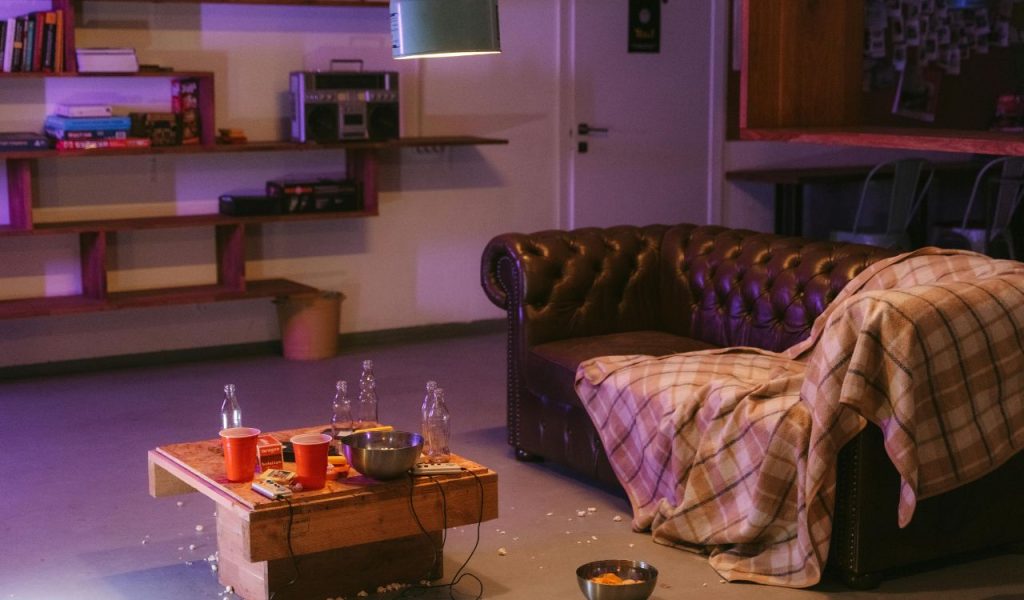
Cozy spaces are often associated with warmth and comfort, but excessive clutter, even if it appears benign, has the opposite effect. Clutter disrupts visual flow, creates stress, and signals disorganization. People often accumulate items on surfaces like coffee tables, shelves, or countertops without realizing how these tiny accumulations can make a room feel chaotic rather than inviting. A cozy space should balance the presence of personal items with visual breathing room. Thoughtful arrangement, selective display of meaningful objects help maintain intimacy without overcrowding.
3. Inconsistent Textures
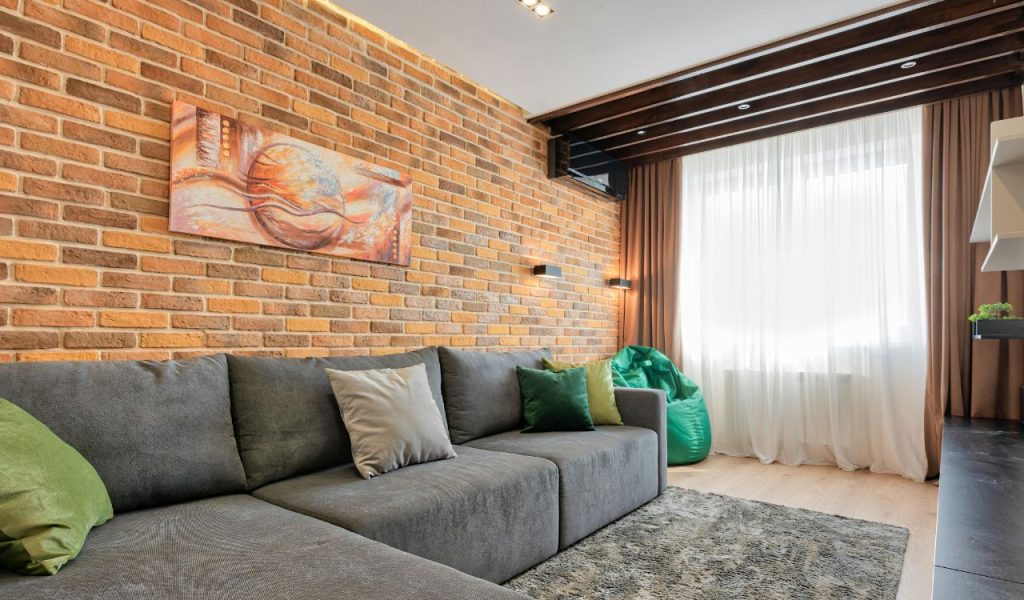
Texture is a subtle yet essential component of a cozy atmosphere, yet many people underestimate its importance. Spaces that rely solely on smooth, uniform surfaces—like sleek countertops, polished floors, or synthetic fabrics—often feel cold and uninviting. Introducing tactile variety, such as woven rugs, soft throws, plush cushions, and textured wall hangings, adds depth and warmth to a room. Inconsistent textures, or the complete absence of them, prevent a space from feeling layered and lived-in.
4. Overpowering Scents

Scent is one of the most overlooked elements in designing a cozy environment, yet it profoundly affects mood and perception. Many people unintentionally disrupt coziness by using overpowering candles, strong air fresheners, or heavily perfumed cleaning products. Strong smells can dominate a room, irritate the senses, and trigger stress rather than comfort. A subtle, balanced approach is key; natural scents like essential oils, gently simmering spices, or the smell of fresh linens promote a welcoming and relaxing environment.
5. Ignoring Temperature Balance
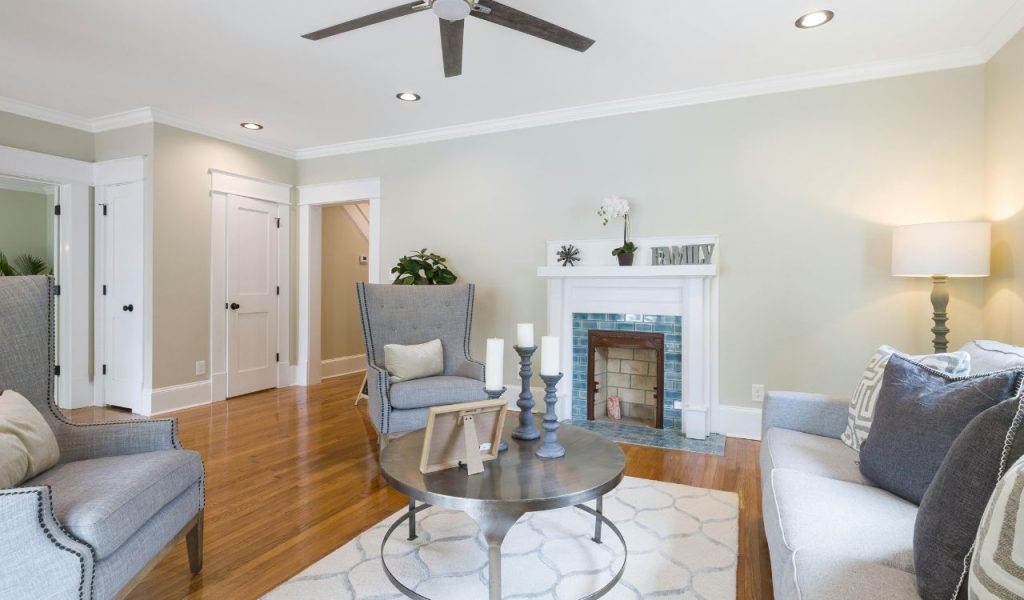
Temperature is a frequently underestimated factor in comfort, yet it plays a critical role in creating a cozy atmosphere. A space that is too cold or too warm immediately undermines the sense of relaxation, regardless of how well-decorated it is. Many people overlook the importance of adjusting heating, cooling, or even airflow to suit the mood and season. Cozy spaces benefit from the ability to maintain a consistent, comfortable temperature while providing options such as blankets, throws, or strategically placed fans for personal adjustment.
6. Overcrowded Furniture
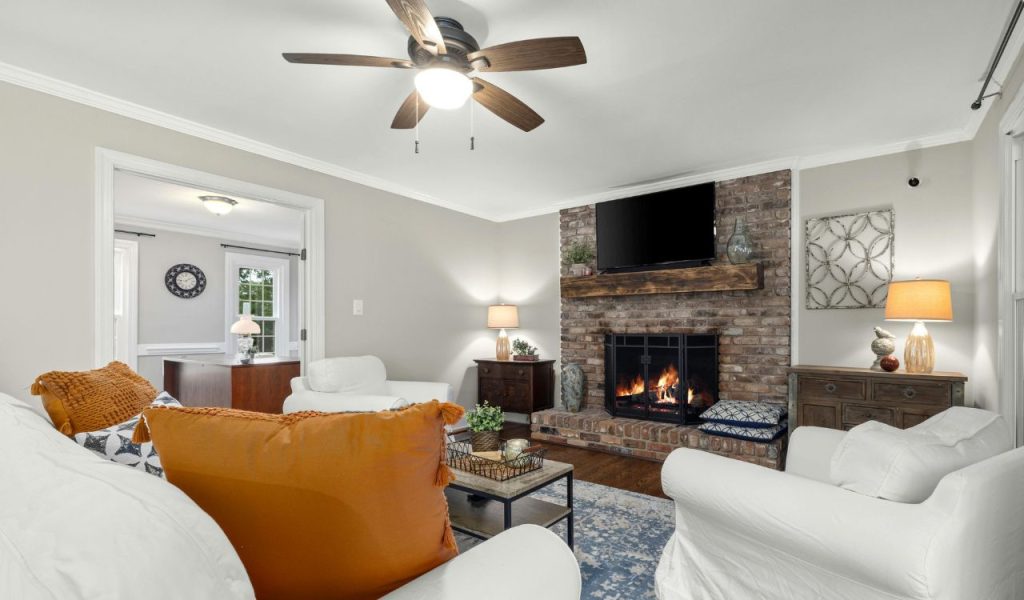
Furniture arrangement greatly affects both flow and emotional comfort, yet many people unknowingly fill a room with too many pieces. Overcrowded furniture restricts movement, creates visual tension, and disrupts the natural rhythm of a space. Even a well-chosen sofa or chair can make a room feel cramped if positioned incorrectly. Cozy spaces are about inviting comfort without sacrificing freedom of movement. Allowing breathing room between furniture, ensuring clear pathways, and strategically positioning seating to encourage conversation.
7. Ignoring Personal Touches
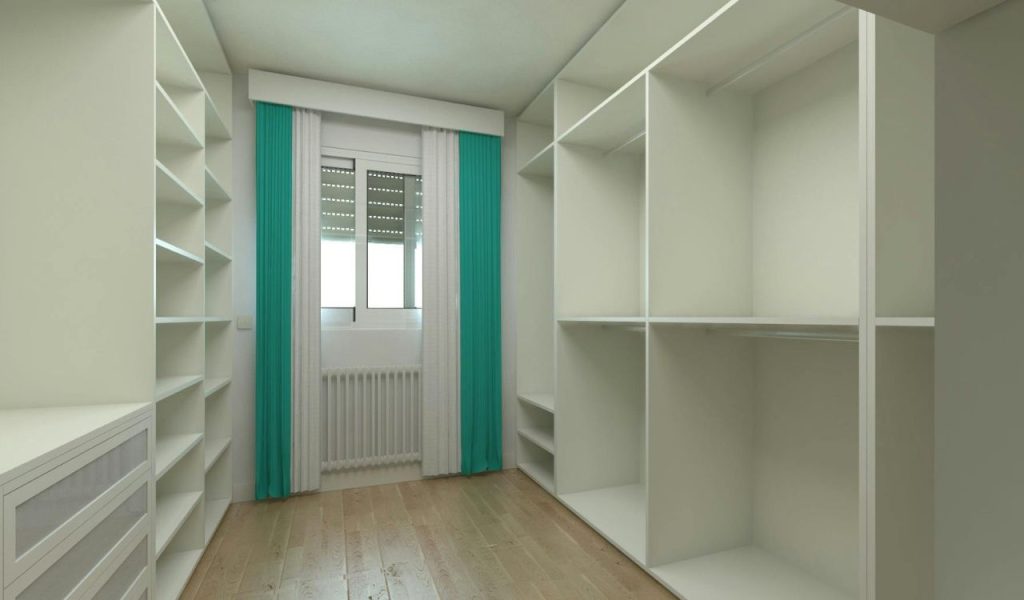
Cozy spaces are not just about general warmth—they reflect personality and lived experience. Many people fail to incorporate meaningful personal touches, instead relying solely on generic decorations or trend-driven décor. Personal elements, such as family photos, heirlooms, or handpicked items, create emotional resonance and a sense of belonging. Without these touches, a space may look comfortable on the surface but lack the deeper connection that transforms it into a sanctuary.
8. Overuse of Technology
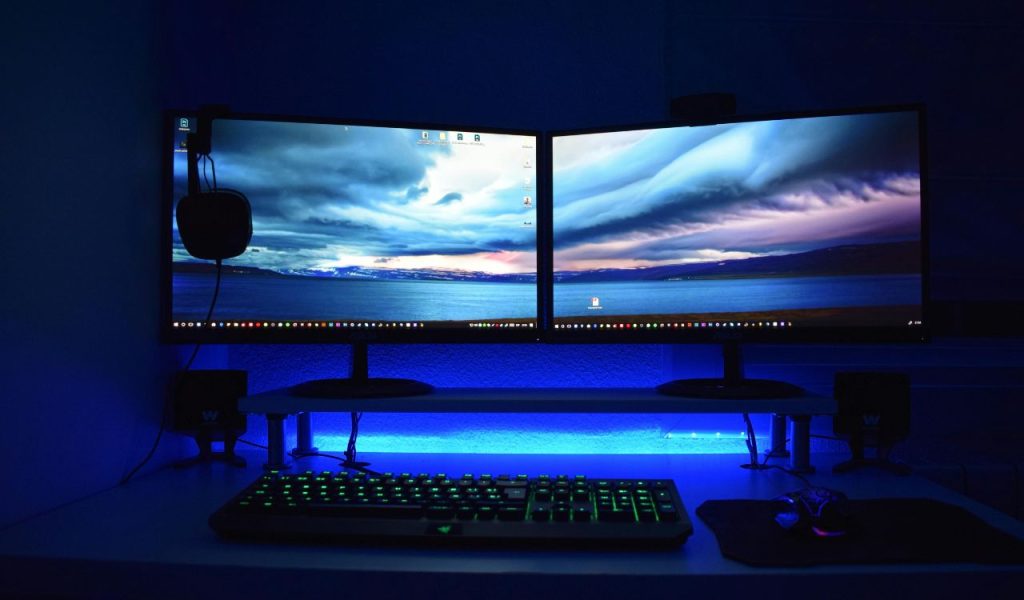
Technology is often the silent disruptor of cozy atmospheres. Excessive screens, bright monitors, and constant device notifications fragment attention and prevent relaxation. Many people fail to recognize how these distractions subtly erode the peacefulness of a room. Even when devices are not in use, their presence can affect perception, contributing to mental clutter and sensory overstimulation. Limiting visible technology, creating dedicated charging or storage areas, and establishing screen-free zones encourage mindfulness and help maintain the serenity of a space.