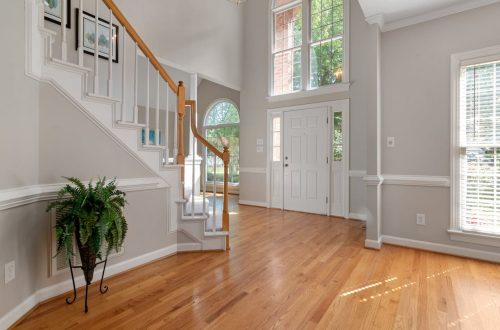
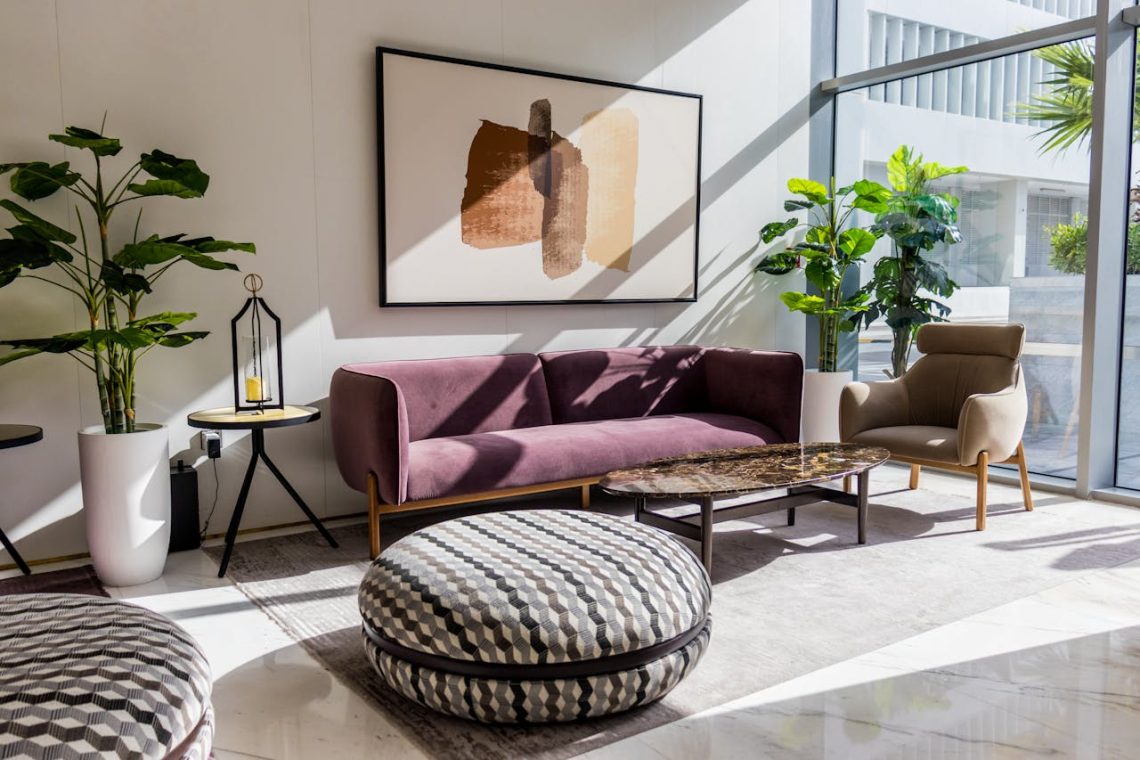
You don’t always need new purchases to feel better at home. Often, comfort comes from things already around you that simply need attention or small adjustments. Research from groups like the Environmental Protection Agency and the Sleep Foundation shows that light, airflow, sound, and layout can shape mood, sleep quality, and stress levels more than most people realize. When you start noticing these quiet influences, your space begins to work with you instead of against you, making daily routines feel smoother and more supportive without major effort.
You might walk past a sunny corner, ignore a draft, or live with background noise without thinking twice. Yet these overlooked details hold real potential to improve how you rest, focus, and recharge. The ideas below help you see familiar spaces with fresh eyes so you can make thoughtful tweaks that pay off every single day.
1. Natural Light You’re Not Using Fully
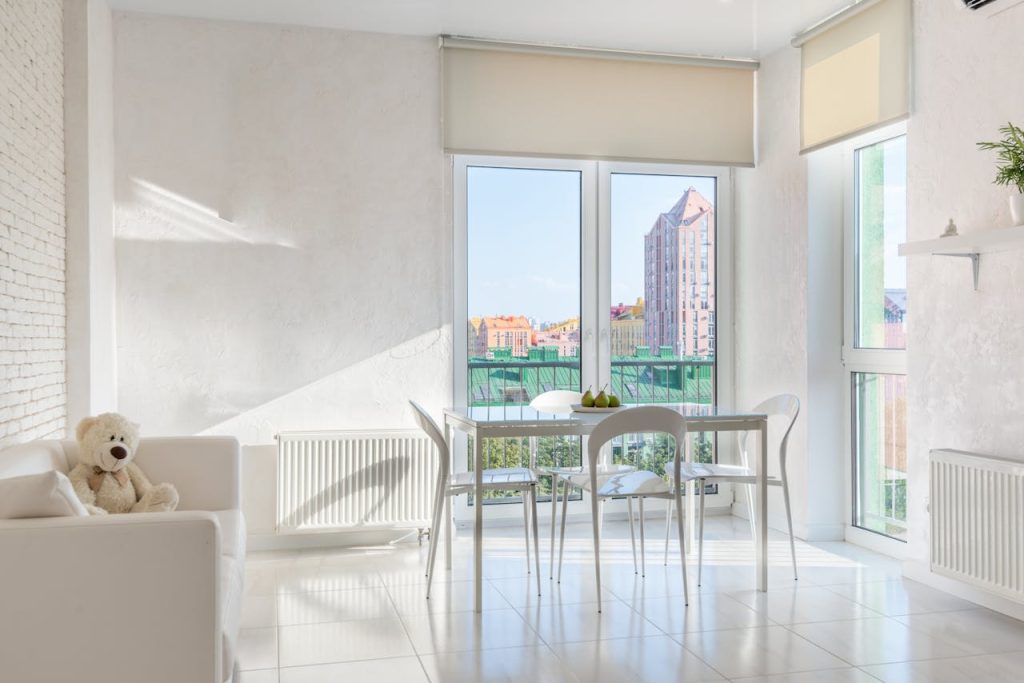
You probably have windows that could do more than just brighten a room. Exposure to daylight helps regulate your internal clock, according to sleep research, which can improve energy during the day and rest at night. Try noticing where sunlight lands in the morning or afternoon and shift seating or work spots to take advantage of it. Even opening curtains fully instead of halfway can change how alert and positive you feel while moving through your routine.
You can also keep window areas clear so light travels deeper into the room. Light colored surfaces reflect brightness and make spaces feel calmer without adding anything new. Over time, you may notice better focus and a subtle lift in mood simply because you allowed your home’s natural light to do its job more effectively.
2. Hidden Airflow That Affects Your Comfort

Air movement plays a bigger role in comfort than most people think. Guidance from building standards organizations shows that even gentle airflow can help maintain steady temperatures and reduce stuffiness. Walk through your home and notice where the air feels stagnant or where a slight breeze naturally occurs.
Opening windows on opposite sides or adjusting a fan direction can refresh a room without changing your thermostat settings. You can also check that vents or pathways are not blocked by furniture or clutter. When air circulates freely, rooms tend to feel fresher and more balanced, which can support concentration and reduce that heavy indoor feeling.
3. Quiet Corners That Can Become Retreats
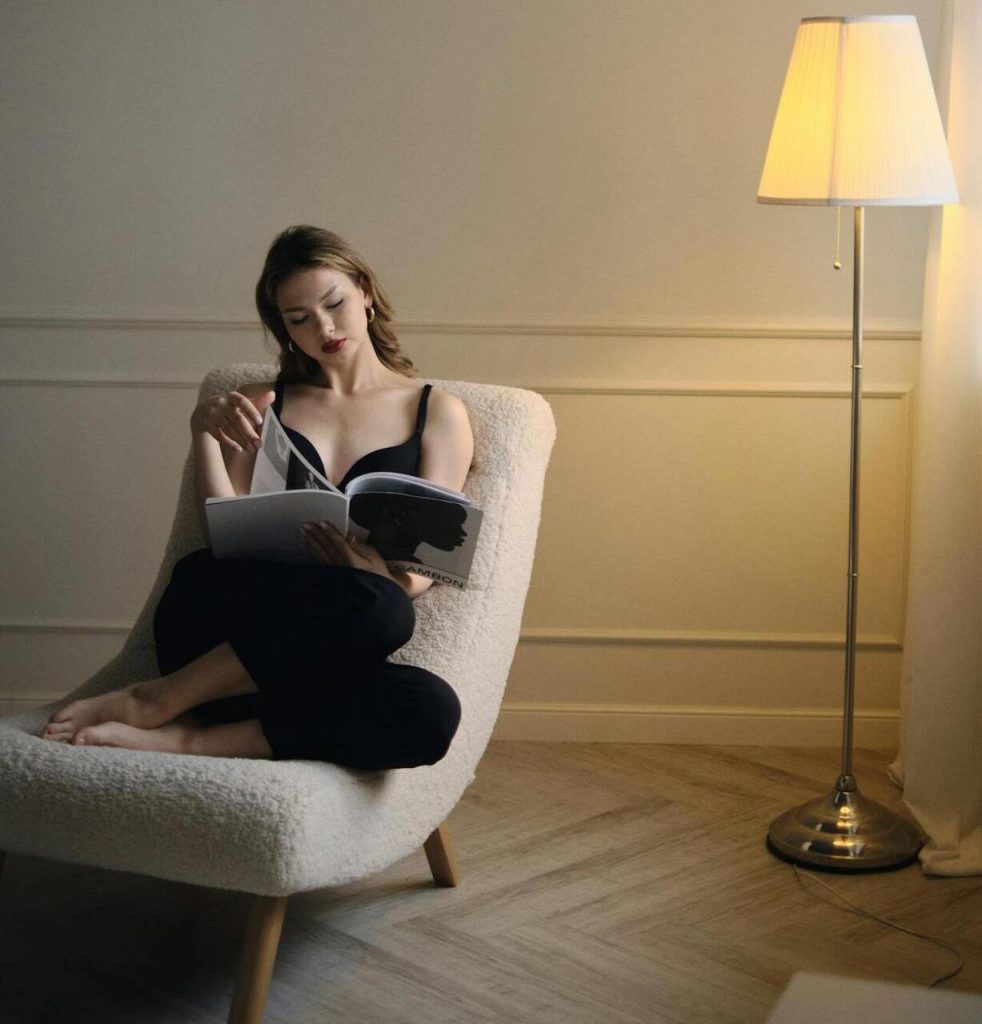
Every home has a spot that feels naturally calmer, even if you rarely use it. Sound research shows that reducing background noise can lower stress and support clearer thinking. Notice where outside sounds are softer or where walls seem to buffer activity. Turning that area into a reading chair, reflection space, or simple pause point can give you a reliable place to reset during busy days.
You do not need elaborate décor to make this work. A comfortable seat, good lighting, and minimal distractions are often enough. When you intentionally use quieter areas, you create small moments of recovery that add up over time. This simple shift can help you feel more grounded and give your home a sense of balance that supports both activity and rest.
4. Furniture Layout That Shapes How You Feel
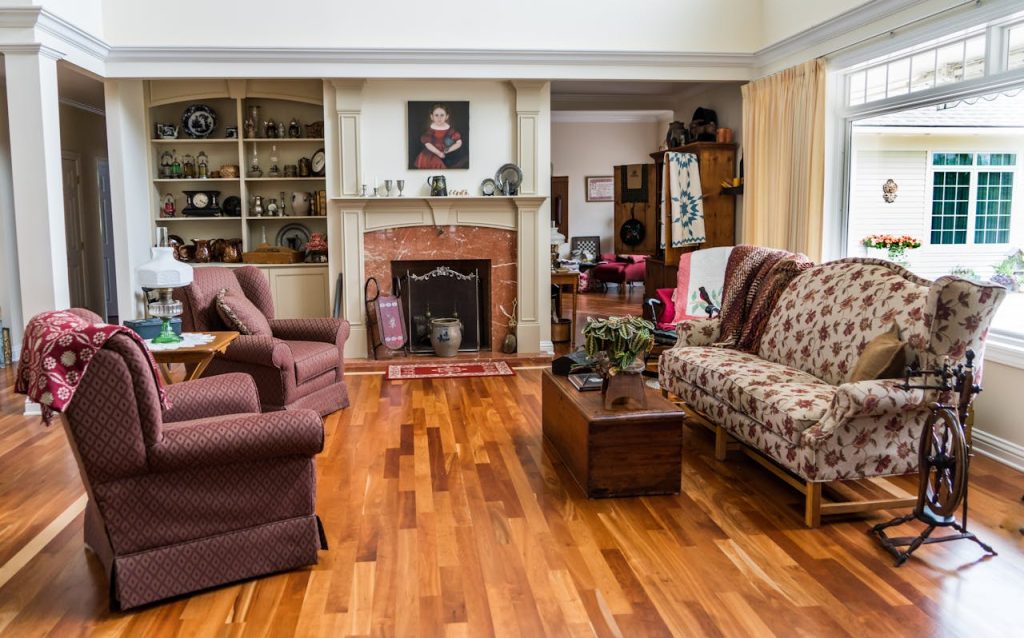
The way furniture is arranged influences how easily you move and how relaxed you feel. Environmental psychology studies suggest that clear pathways and balanced layouts reduce mental friction and make spaces feel more welcoming. Take a moment to walk through each room and notice whether you have to squeeze past items or navigate awkward turns.
You might angle a chair toward natural light or create a clearer line of sight across the room. These changes can make conversations feel more natural and daily tasks less tiring. When your layout supports movement instead of interrupting it, you may notice a subtle sense of ease that comes from being able to move through your space without resistance.
5. Textures That Influence Warmth and Relaxation

The materials you touch every day quietly affect how comfortable your home feels. Soft textiles, natural fibers, and layered surfaces can create a sense of warmth that research links to feelings of security and relaxation. Notice where spaces feel stark or overly hard, and consider how existing blankets, cushions, or rugs could be repositioned to soften the environment.
You might drape a throw where you often sit or bring a cushion to a chair that feels underused. These small shifts change how inviting a space feels without adding clutter. Paying attention to texture helps you shape an atmosphere that supports unwinding, making it easier to settle in after a long day and enjoy simple moments at home.
6. Everyday Scents That Set the Tone

Smell has a direct connection to memory and mood, as noted in sensory research. Your home likely already has natural scents from cooking, fresh air, or clean linens that can be used more intentionally. Notice which areas feel pleasant and which might benefit from airing out. Opening windows after cooking or placing freshly washed fabrics nearby can refresh a space naturally.
You can also be mindful of lingering odors that subtly affect comfort. Regular ventilation and simple cleaning habits often make a noticeable difference. When your home smells clean and familiar, it creates a welcoming backdrop that supports relaxation and makes spending time indoors feel more enjoyable and reassuring.
7. Storage Spaces That Reduce Daily Friction
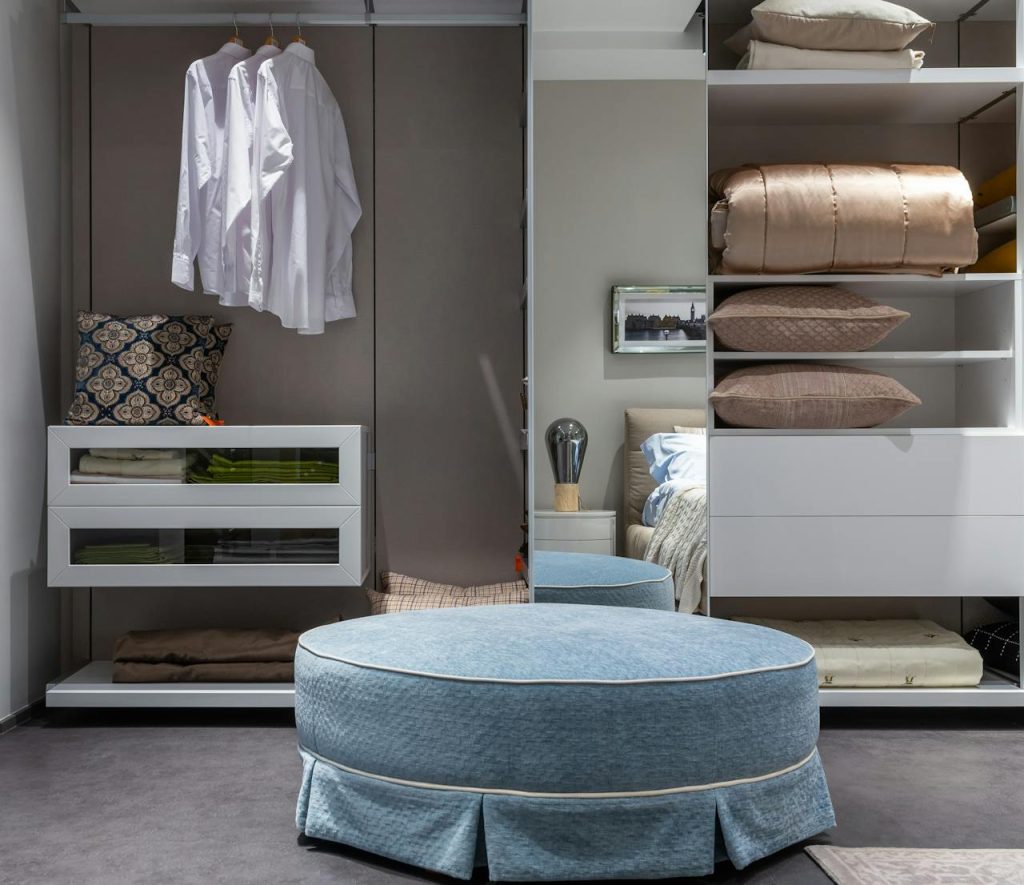
Closets, shelves, and drawers shape how smoothly your day begins and ends. Organization research shows that accessible storage reduces stress by making routines predictable and efficient. Look at areas you use frequently and notice whether items are easy to reach or tend to pile up. Small rearrangements can make daily tasks feel lighter and more manageable.
You might group related items together or clear surfaces so essentials are visible without searching. When storage works well, you spend less energy on small frustrations and more on what matters. Recognizing the potential in your existing storage helps you create a home that supports calm, steady routines without needing major changes.