


Every day life is full of small interactions with objects we barely acknowledge, yet many of these unobtrusive items hold stories far richer than we imagine. They work quietly in our routines, appearing so familiar that we stop questioning how they came to be, why they are designed in specific ways, and what hidden mechanisms or histories are embedded within them. When we pause long enough to observe them closely, something fascinating happens: curiosity awakens. These objects reveal clever engineering, accidents that became breakthroughs, and tiny marvels of human creativity shaped across centuries. Exploring them reconnects us with the wonder often lost in routine, proving that even the simplest tools can hold extraordinary layers of meaning when we choose to look deeper.
1. Clipflow

The paper clip, despite its small and often overlooked form, is a near-perfect example of accidental brilliance in design. Its iconic double-looped shape, recognized as the Gem pattern, stands as one of the rare inventions that emerged so complete that little innovation followed. This simple twist of metal creates tension and balance that allow it to grip papers securely without tearing or permanently altering them. Each bend contributes to distributing pressure evenly, and the resilience of the steel wire ensures it returns to shape repeatedly. When sliding a paper clip onto documents, you are unknowingly engaging with a piece of engineering refined by necessity, convenience, and practicality.
2. Ziplock

The zipper is a familiar tool we use effortlessly, yet its underlying mechanism is a testament to the marvels of precision engineering. Beneath its straightforward sliding motion lies a sophisticated system of interlocking teeth, each one crafted to match its neighbor with near-perfect accuracy. As the slider moves upward, its internal guides push the opposing sides together, locking each tooth into its corresponding slot with a satisfying uniformity. When reversed, the same mechanism separates them cleanly. This ability to repeatedly join and separate materials with such precision makes the zipper indispensable across clothing, bags, outdoor gear, and countless specialized uses.
3. Sticknote

Post-it notes may look playful and simple, but their creation is one of the most remarkable examples of innovation born from failure. The adhesive that gives them their gentle stickiness was first dismissed because it lacked the strength expected of a good glue. Rather than discarding it, creative minds recognized its value for temporary attachment, leading to a product that would change offices, schools, and creative processes forever. The delicate balance of its adhesive allows it to cling lightly, detach cleanly, and reattach multiple times, making it more than just a note; it becomes a flexible thinking tool.
4. Keyform

Keys are so deeply embedded in everyday life that their extraordinary history often goes unnoticed, yet they represent one of humanity’s earliest ventures into mechanical security. The notches carved into a modern key correspond to precise pin heights inside the lock, forming a mechanical code that either grants or denies access. Though materials and manufacturing methods have changed, the essential principle behind these mechanisms has persisted since ancient civilizations sought ways to safeguard valuable possessions. A key is, in essence, a translator communicating with hidden components inside a lock to align them in perfect harmony. When inserted and turned.
5. Eraseon

A pencil eraser’s function appears straightforward, yet its internal chemistry and behavior under friction reveal a fascinating process. Rather than lifting graphite as if by magnetism, an eraser physically traps the graphite within its own material. As you rub it across paper, the friction warms and softens its rubbery surface, allowing the graphite particles to embed themselves into the tiny pieces that shear off. Those little crumbs are not waste but the mechanism itself in action: the eraser is capturing the marks by breaking down slightly. This controlled abrasion must be balanced so it removes graphite without tearing or scraping the paper beneath.
6. Mugheat
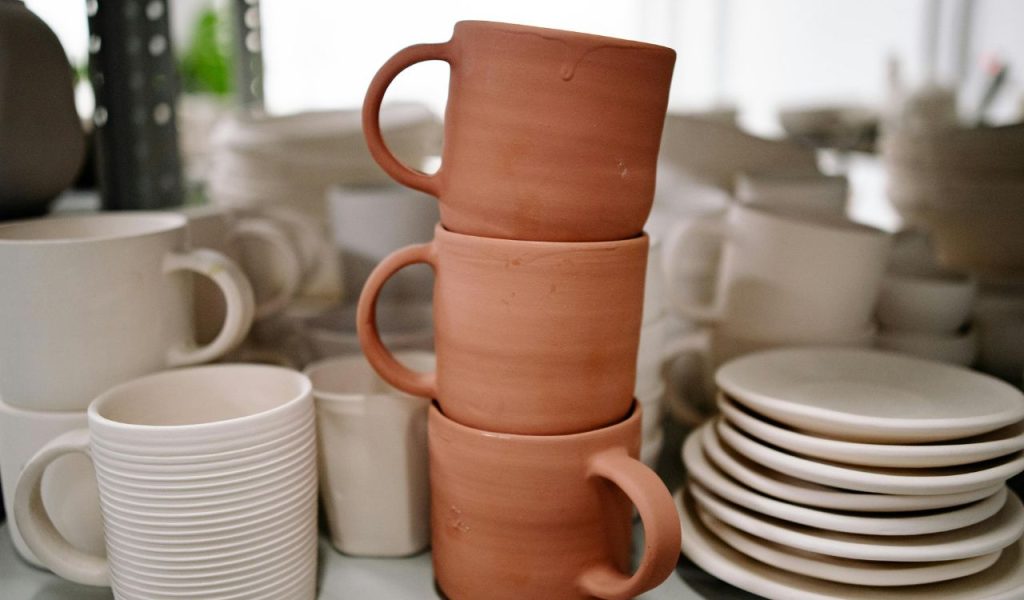
A ceramic coffee mug seems like a simple household object, yet its design is carefully guided by the physics of heat and the sensory experience of drinking. Ceramic retains warmth by absorbing heat slowly and releasing it gradually, stabilizing the temperature of the beverage and extending the enjoyment of each sip. Its thickness shields your hands from the heat while maintaining enough mass to buffer rapid cooling. The shape of the mug influences evaporation, aroma release, and even flavor perception; a wide top enhances fragrance and cools the drink quickly, while a narrower opening preserves warmth and concentrates taste.
7. Lightsnap

A light switch delivers an experience so immediate and effortless that we easily overlook the precision engineering within its small structure. When you flip the switch, a spring-loaded mechanism rapidly snaps metal contacts together or apart, ensuring that electricity is transferred cleanly without lingering between states. This rapid action prevents dangerous sparking and guarantees consistent performance over thousands of uses. The distinctive click is not merely a sound but the manifestation of mechanical certainty—confirmation that the internal parts have shifted decisively into place. Each component is crafted to balance durability, safety, and ease of use.