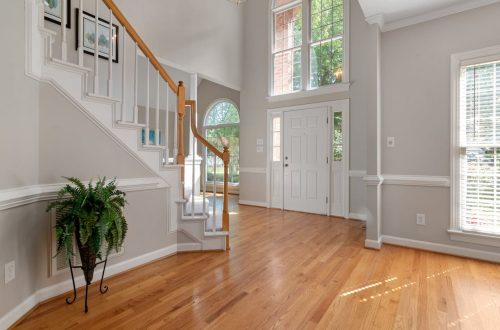
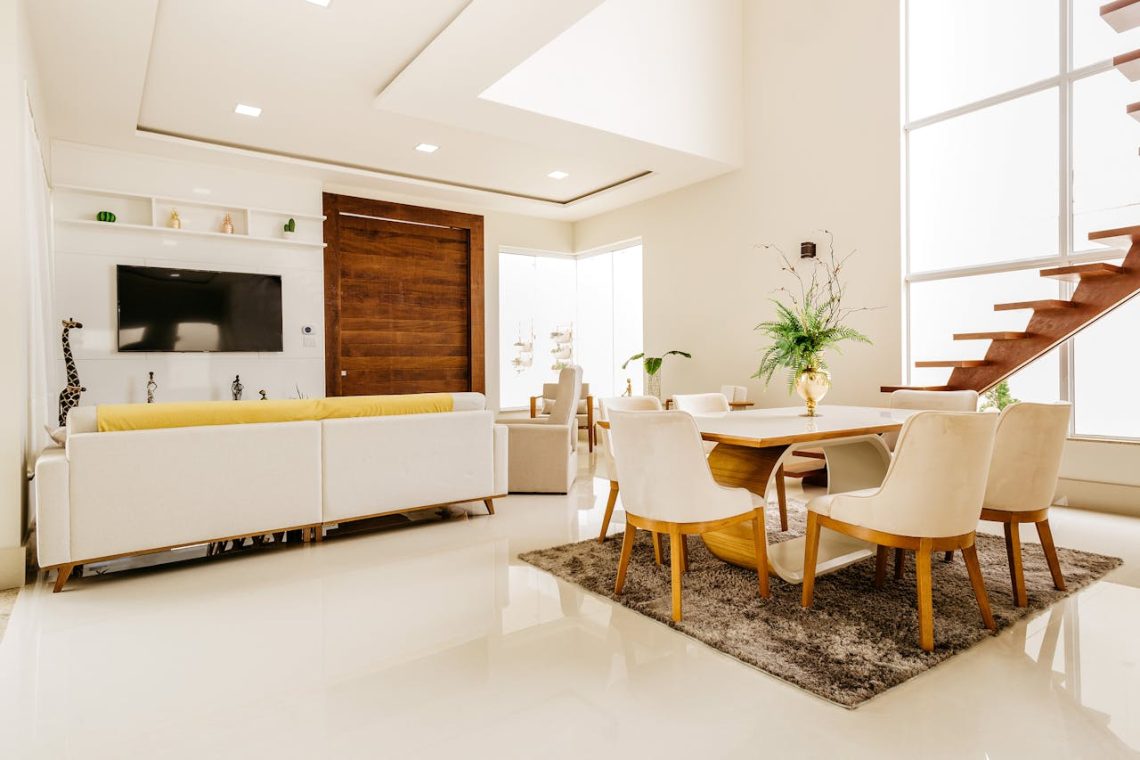
You feel it the moment you walk in. Some homes hold tension without anyone saying a word, while others seem to let your shoulders drop. What this really comes down to is how your surroundings interact with your attention, your memories, and your daily rhythms. Research in environmental psychology, including work referenced by the American Psychological Association, shows that clutter, noise, and visual overload can quietly raise stress levels.
You do not need a renovation or a shopping spree. Small choices, repeated consistently, shift how your home feels and how you move through it. The ideas below focus on practical changes you can actually keep up with, so your space supports you instead of draining you.
1. Clear surfaces you see every day
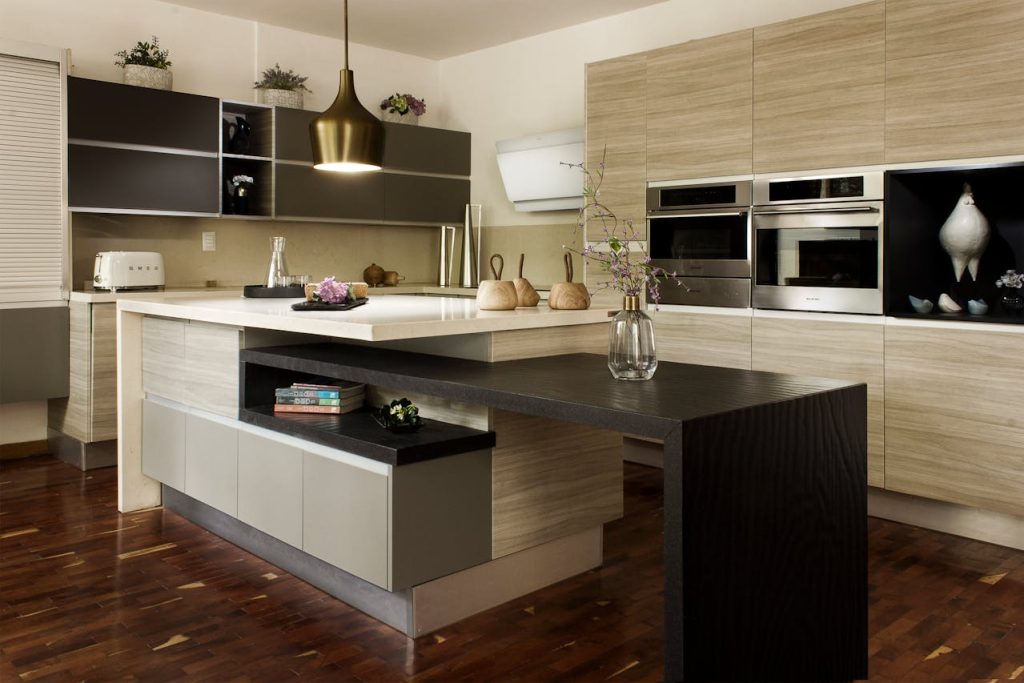
Start with what your eyes land on first. Kitchen counters, bedside tables, and entryway shelves shape your mental baseline because you pass them constantly. When these spots collect random items, your brain keeps a quiet tally of unfinished decisions. Clearing them does not mean stripping everything away. Keep only what you use daily or what genuinely lifts your mood.
Try a simple reset ritual once a week. Put things back where they belong, toss what you do not need, and wipe the surface clean. Research on cognitive load suggests that reducing visual distractions frees up attention for more meaningful tasks. You will likely notice that mornings feel smoother and evenings feel less rushed because you are not stepping into visual noise.
2. Let in natural light whenever possible

Light shapes mood more than most people realize. Exposure to daylight helps regulate your circadian rhythm, which influences sleep, energy, and emotional balance. Health guidance from organizations like the National Sleep Foundation highlights the role of morning light in stabilizing sleep cycles. Even small adjustments, like opening curtains right after waking, can make a difference.
If your space is dim, reposition furniture so light can travel further into the room. Use mirrors to reflect brightness instead of adding more artificial lighting during the day. Over time, brighter spaces tend to feel more open and less heavy, which subtly shifts how you experience everyday routines.
3. Edit what you keep, not just what you store
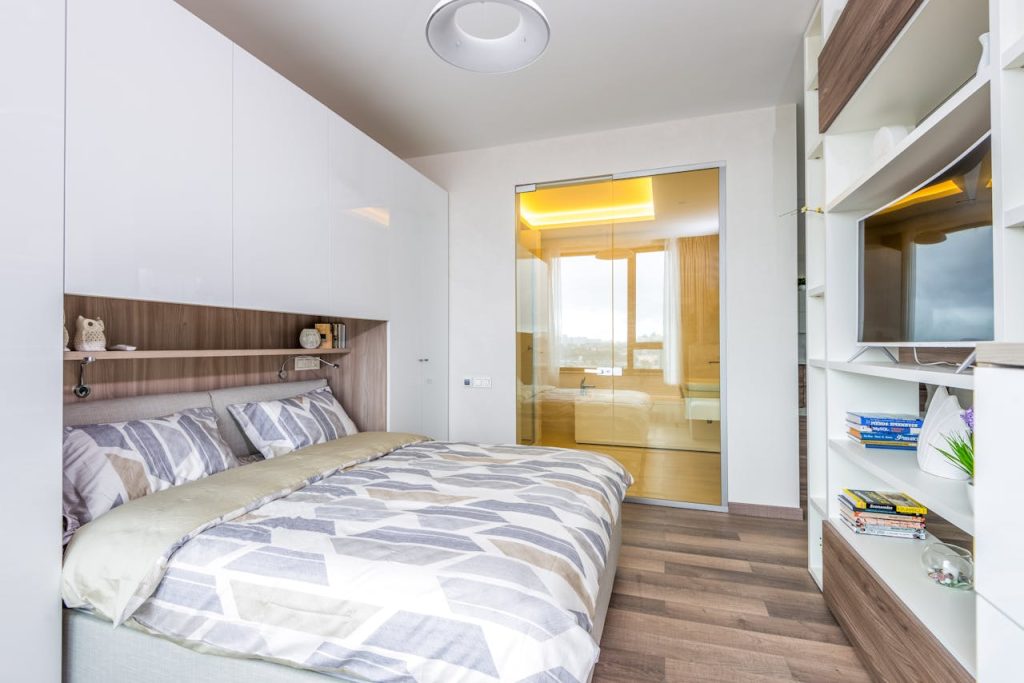
You might organize endlessly and still feel weighed down if you hold onto items that no longer fit your life. The approach popularized by Marie Kondo aligns with research showing that intentional decluttering can reduce anxiety by lowering decision fatigue. The key is to ask whether each item supports your current priorities.
Work room by room, and be honest about what you actually use. Donate or recycle what has quietly become background clutter. When your belongings reflect who you are now, your home feels more aligned and less crowded, both physically and emotionally. You give yourself permission to move forward without carrying unnecessary weight.
4. Create a small daily reset routine

A lighter home often comes down to rhythm rather than big changes. Spend ten minutes each evening putting things back in place, folding blankets, and clearing stray items. This habit prevents small messes from turning into overwhelming ones and gives you a sense of closure at the end of the day.
Behavioral research shows that predictable routines can lower stress by reducing uncertainty. When you wake up to a space that feels settled, you start the day with less friction. Over time, this simple practice builds a quiet sense of control that carries into other parts of your life. Even on busy days, a short reset helps you feel grounded.
5. Pay attention to sound and quiet
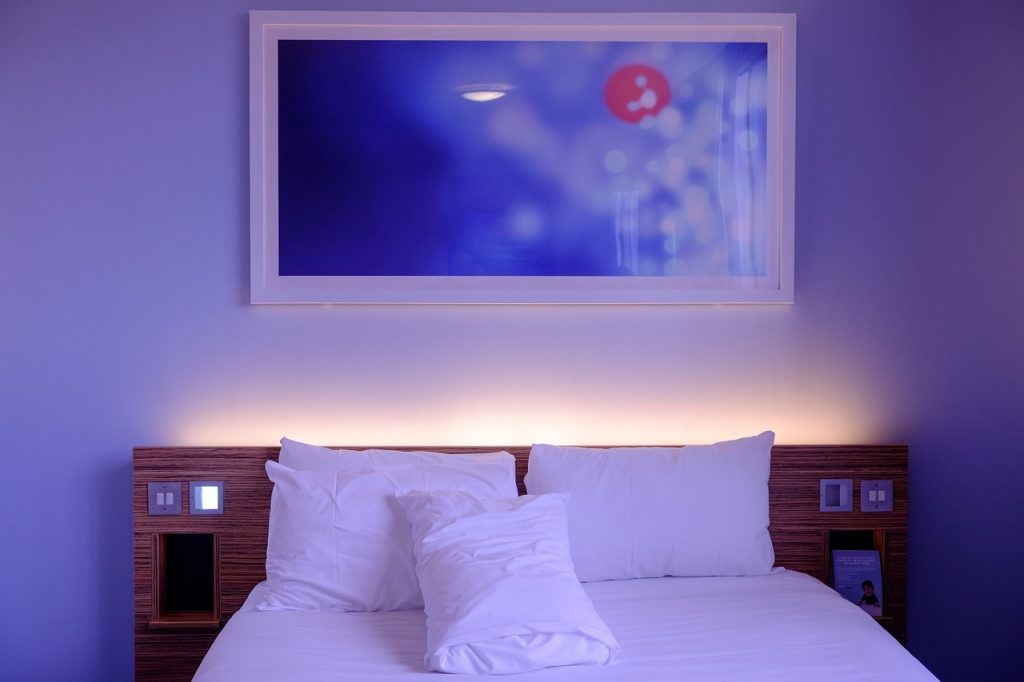
Noise can linger in ways you do not consciously notice. Constant background TV, traffic sounds, or overlapping conversations can keep your nervous system slightly on edge. Creating moments of intentional quiet helps your mind reset. Even soft background music or white noise can be more calming than unpredictable sounds.
Consider designating certain times or areas as low noise zones. Close windows during peak traffic hours or add soft furnishings that absorb sound. Studies in acoustic comfort show that reducing unwanted noise improves concentration and overall mood, making your home feel more restful.
6. Bring in elements of nature
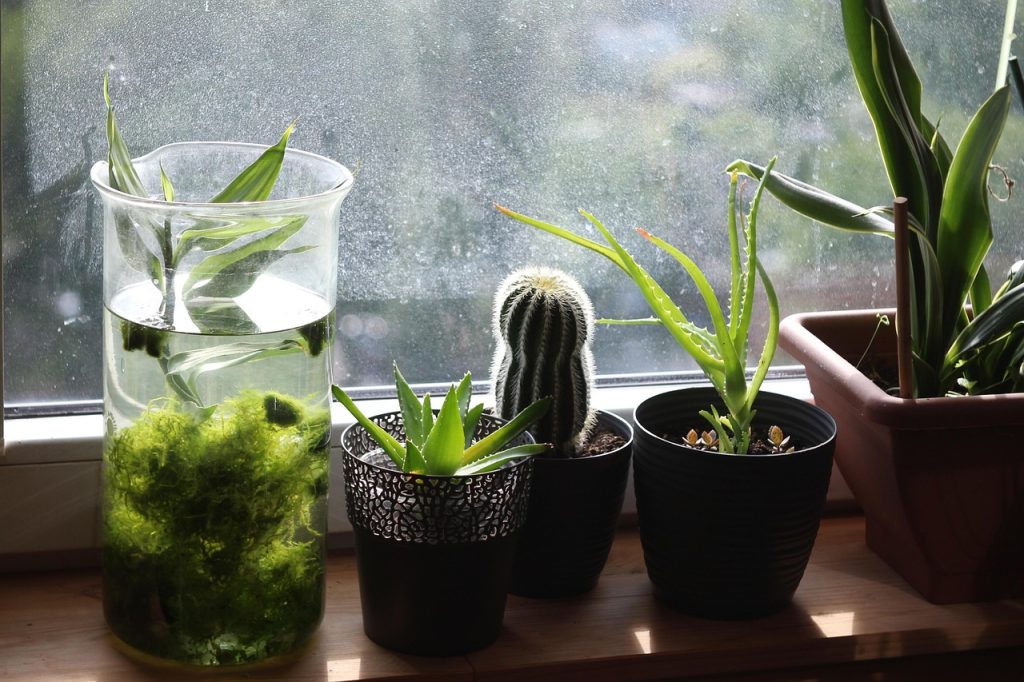
You do not need a garden to benefit from nature indoors. Houseplants, natural materials, or even a view of greenery can lower stress and improve mood. Research on biophilic design indicates that natural elements help reduce mental fatigue and support emotional well-being.
Choose plants that are easy to care for so they become a source of pleasure rather than another task. Wood textures, stone, or simple natural fabrics can also create a grounding effect. These touches remind you to slow down and connect with your surroundings. Even a small plant on a desk can create a subtle sense of calm during busy moments. Over time, these gentle cues help your home feel more restorative.
7. Be intentional about what you display

Objects carry emotional weight. Photos, souvenirs, and artwork can either comfort you or quietly stir old stress. Take a fresh look at what is visible in your home. Keep items that reflect positive memories or values you want to reinforce.
Rotating displays seasonally can keep your space feeling alive without adding more clutter. When your walls and shelves tell a story you feel good about, your environment supports emotional ease rather than pulling you in different directions. You may notice your mood lift when your surroundings reflect what truly matters to you. This simple shift helps you feel more settled in your own space.
8. Make space for rest that feels protected
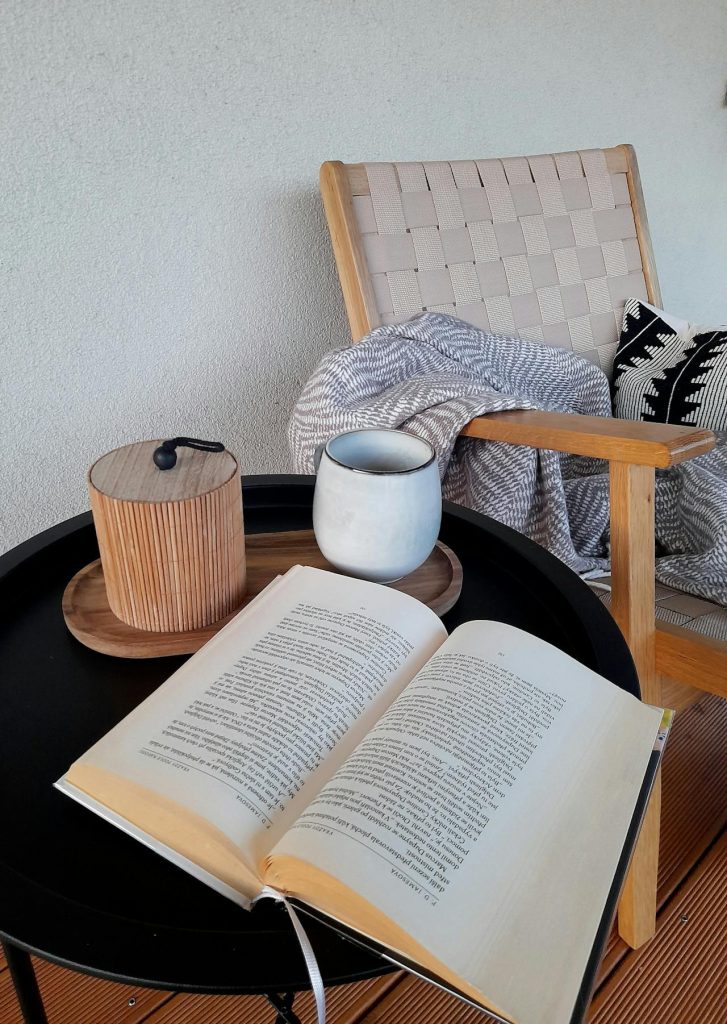
You need at least one spot where your mind can fully relax. This might be a reading chair, a corner with a soft lamp, or simply a bed that is free from work items. Sleep research consistently shows that separating rest areas from stress triggers improves recovery and sleep quality.
Keep this area simple and comfortable. Add a blanket, soft lighting, or a favorite book. When you treat rest as something worth protecting, your home becomes a place that restores your energy instead of draining it. Over time, your body begins to associate this space with calm and safety. Even a few quiet minutes here can reset your mood after a demanding day.