You might think the 1980s were all neon and big hair, but a lot of what happened then still shapes what you use, wear, and watch today. You saw early personal computers move out of labs and into homes, and entrepreneurs experiment with ideas that felt wild at the time. Trends like music video culture and streetwear weren’t just a flash in the pan.
They pushed creative and tech boundaries. In this post, you’ll revisit five of those trends from the 80s that were ahead of their time. You’ll see how they planted seeds for things you take for granted now and how they changed culture, style, and tech for good.
1. Personal Computers in Every Home

In the early 80s, computers still lived in offices and universities, but pioneers like Apple and Commodore imagined them in your house. You didn’t just use them for typing; you learned to program games, manage your budget, and connect to early networks. That idea of having a personal machine changed how you think about work and play.
It shifted power from big institutions to individuals. People laughed at the oversized floppy disks and clunky graphics, but those machines taught a generation to explore code and digital creativity. Without that push, today’s laptops and tablets might not be as central to your life as they are.
2. Music Videos and Visual Storytelling
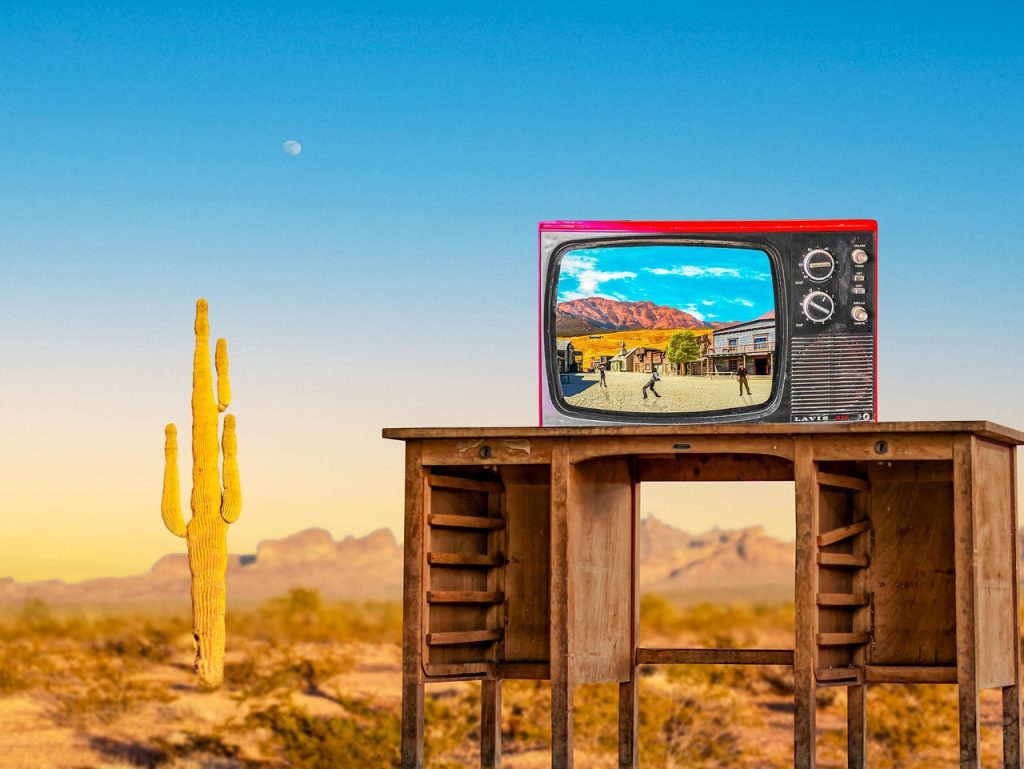
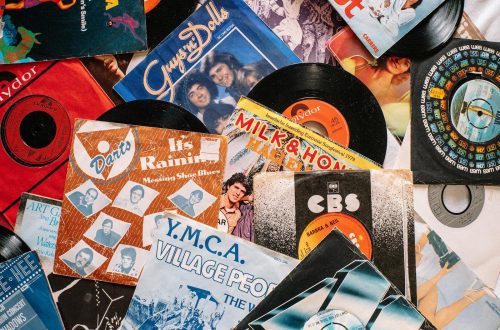
Before MTV became a cultural force, music meant sound on the radio or records. In the 80s you watched artists tell stories with visuals, and that changed how you experienced songs. Directors experimented with editing and narrative, and you learned songs by watching clips as much as hearing them.
Suddenly, fashion, dance, and location mattered as much as melody. Bands like Duran Duran and artists like Madonna used the format to make bold statements. This idea of pairing visuals with music foreshadowed today’s video-first platforms. You now consume music with visuals on your phone, a change that started decades earlier when video became part of pop culture.
3. Streetwear and Sneaker Culture

In the 80s, skate and hip hop scenes gave rise to a style that was more than fashion; it was identity. Brands like Nike, Adidas, and newcomers made clothes and sneakers that spoke to youth culture. You weren’t just buying shoes; you were buying into a movement. Limited releases and bold logos created demand and loyalty that modern streetwear still rides on.
That blend of sport, art, and expression feels normal now, but back then it was radical to treat casual clothes as cultural currency. Your outfit said who you were, and that idea didn’t come from runways but from streets and communities. That era taught you that style could be a statement, not just something you wore.
4. Indie and Arcade Gaming Boom
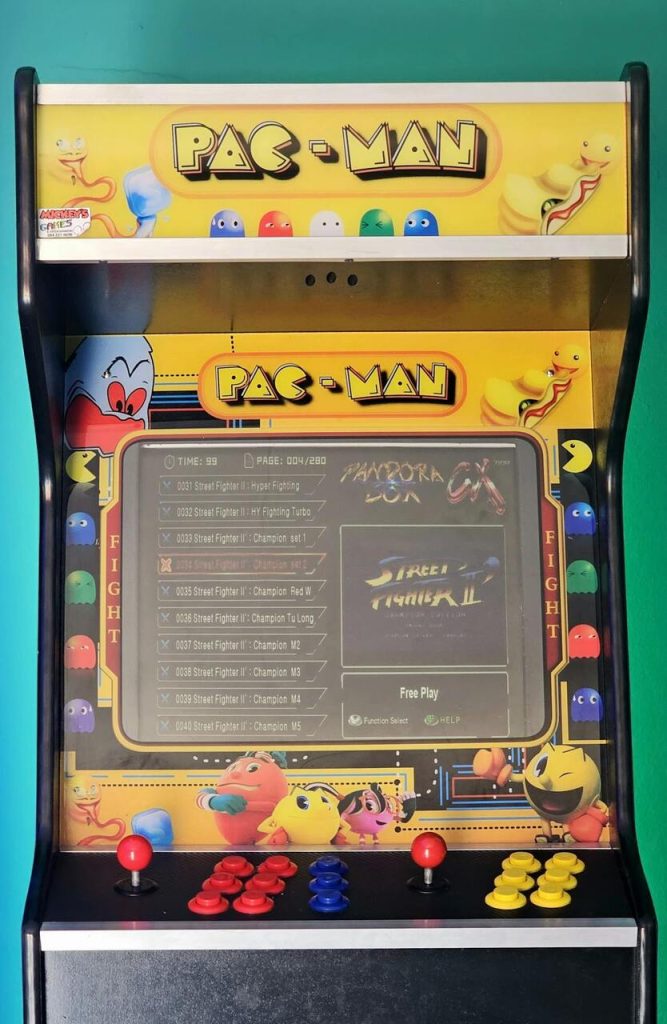
Arcade games in the 80s weren’t just entertainment; they were social hubs. You stood shoulder to shoulder with others trying to beat high scores on games like Pac‑Man or Donkey Kong. Home consoles brought those worlds to your living room. Game designers were inventing genres you still play today, from platformers to RPGs.
That early explosion of creativity pushed boundaries of storytelling and interactivity. People dismissed gaming as a fad at first, but you knew better if you queued for your turn. Today’s immersive worlds and indie game developers trace their roots back to that era when anyone with an idea could make something fun.
5. Graphic Novels and Mature Comics
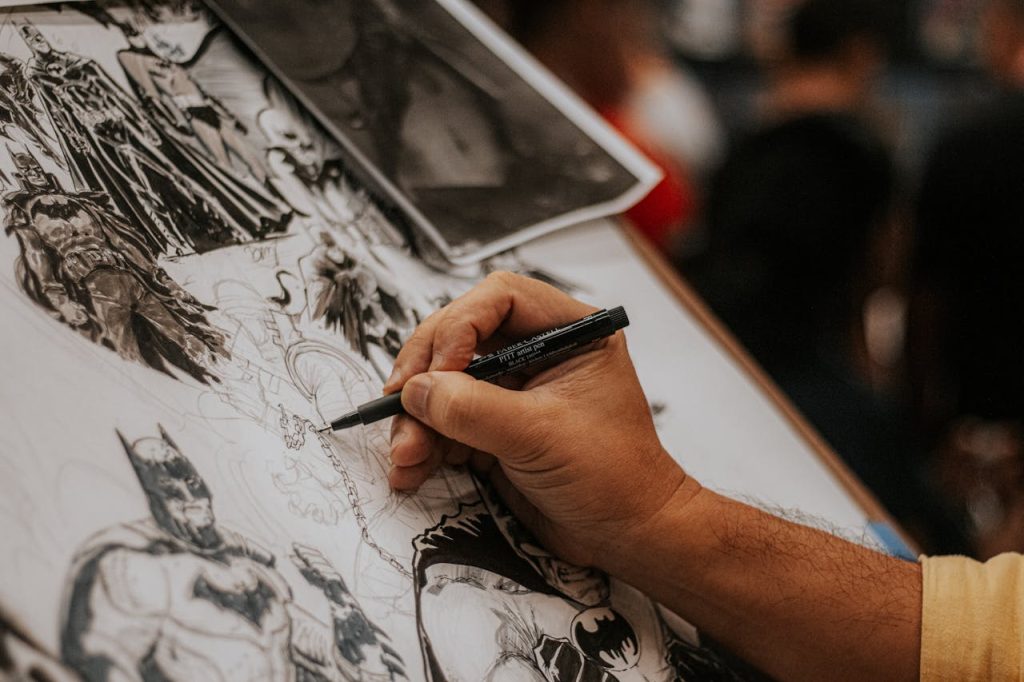
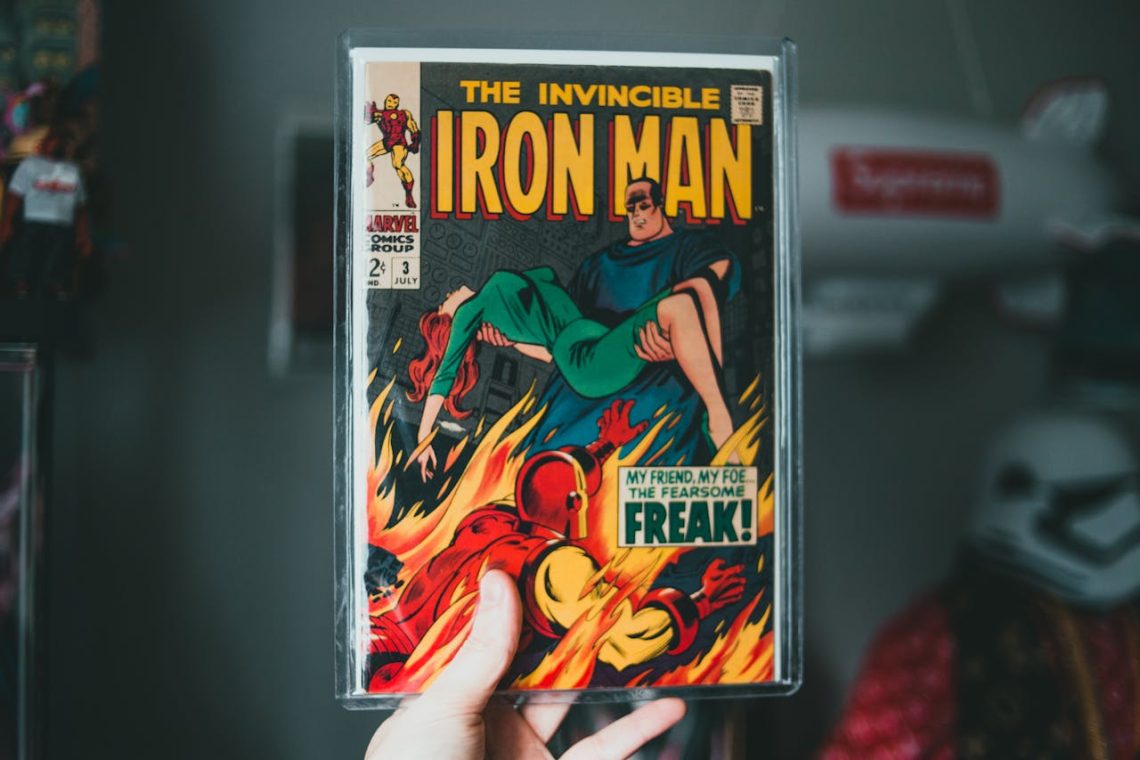
Comic books long seemed like kids’ stuff, but in the 80s, creators started telling complex, adult stories in graphic novel form. Works like Watchmen and The Dark Knight Returns showed you didn’t need simple heroes and villains. Characters struggled with flaws and real‑world issues.
That shifted how stories could be told in illustrated form and opened doors for comics to be taken seriously in literature and film. Today, you see blockbuster movies rooted in these richer narratives, but the trend began when artists and writers pushed beyond capes and catchphrases to explore deeper themes. It proved to you that illustrated stories could tackle real emotions and societal challenges, not just entertain.