


The 1980s were a decade of striking fashion, unforgettable music, and a sense of freedom that seems almost alien to modern life. Teenagers back then grew up in a world without smartphones, social media, or constant surveillance, and their daily routines reflected a level of independence and creativity that today’s parents would likely find alarming. From exploring neighborhoods alone to navigating life with minimal adult guidance, the habits and experiences of 80s teens were shaped by a mix of adventure, responsibility, and risk-taking.
1. Roaming Free

Teenagers in the 80s had an unparalleled sense of freedom, often spending entire afternoons wandering their neighborhoods without a single adult present. Whether biking down streets, exploring local parks, or simply hanging out with friends in empty lots, unsupervised exploration was the norm rather than the exception. Parents trusted their children to be responsible while navigating the world on their own, and kids developed independence, problem-solving skills, and a sense of adventure simply by being allowed to roam freely.
2. Walking Solo

Going to school alone, rain or shine, was an ordinary part of growing up in the 80s. Teens would often walk miles through their neighborhoods, sometimes crossing busy streets and interacting with strangers, all without a parent escort or smartphone for emergencies. This daily routine provided teenagers with a sense of confidence and self-reliance that shaped their early independence. The journey itself was an opportunity to observe the world, make friends along the way, and handle unexpected situations.
3. Payphone Culture

Before cell phones, payphones were the lifeline of teen communication. Whether making plans, calling a friend in distress, or breaking up with a significant other, teenagers had to know the locations of nearby payphones and carry coins at all times. Learning to time calls, memorize phone numbers, and plan social interactions around the availability of a payphone required both patience and resourcefulness. Today, the idea of having to physically go somewhere just to contact someone seems archaic, as instant messaging and social media have eliminated the need for such effort.
4. VHS Days
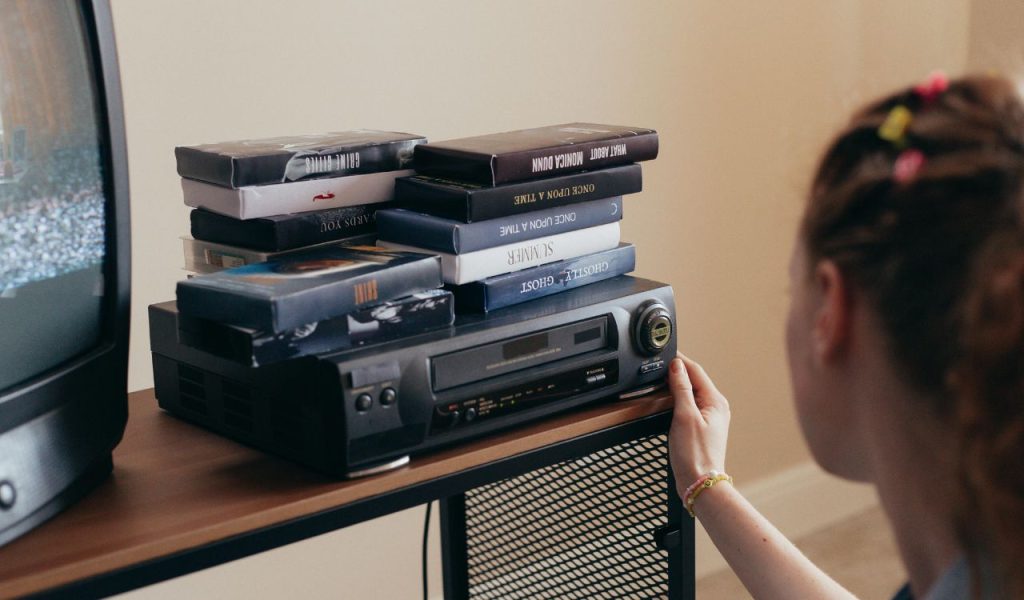
Teenagers in the 80s experienced movies in a tactile and immersive way. Renting films from stores like Blockbuster required browsing shelves, reading covers, and physically handling VHS tapes. Watching a movie often meant rewinding it afterward, sometimes manually, and sharing favorite scenes with friends through homemade mixtapes. There was no streaming, no on-demand access, and no instant replays. The ritualistic nature of movie-watching created anticipation and a sense of ownership over the entertainment experience.
5. Outdoor Obsession

Physical activity and unstructured outdoor play were central to the lives of 80s teenagers. Whether organizing street hockey games, kickball tournaments, or endless rounds of hide-and-seek, teens spent hours outside, engaging in physical, creative, and social activities. Screen time was virtually nonexistent, and boredom was an invitation to invent new games or explore new areas of the neighborhood. The commitment to outdoor play fostered teamwork, ingenuity, and resilience, as teens learned to negotiate rules, settle disputes, and navigate challenges without adult interference.
6. Risk-Taking

Teenagers in the 80s engaged in activities that would make modern parents gasp: skateboarding down steep hills without protective gear, climbing trees far taller than recommended, riding bikes without helmets, and experimenting with daring stunts. These experiences taught valuable lessons about risk, consequence, and personal responsibility. While some actions were undeniably dangerous, they also helped teens develop confidence, resilience, and problem-solving skills. Today, parental caution and legal regulations significantly limit such activities, and risk-taking is often discouraged.
7. Handwritten Notes

Before texts and DMs, expressing feelings required ink, paper, and effort. Teenagers wrote letters to friends, passed notes in class, or carefully composed messages to express love, friendship, or gossip. The anticipation of waiting for a reply created emotional tension and excitement, making every message feel meaningful. This practice taught patience, communication skills, and emotional expression in a way that instantaneous messaging rarely does today.
8. Personal Soundtracks

Music was a deeply personal experience, and teenagers often carried Sony Walkmans loaded with carefully curated cassette tapes. Teens could create their own soundtracks, share mixtapes with friends, and experience music in a portable, tactile way. Selecting songs, recording them from the radio, and listening with headphones created a unique sense of intimacy and ownership over music. Today, streaming services make playlists effortless, but they lack the ritual and anticipation that Walkman culture demanded. Sharing a mixtape required creativity.
9. Learning by Doing
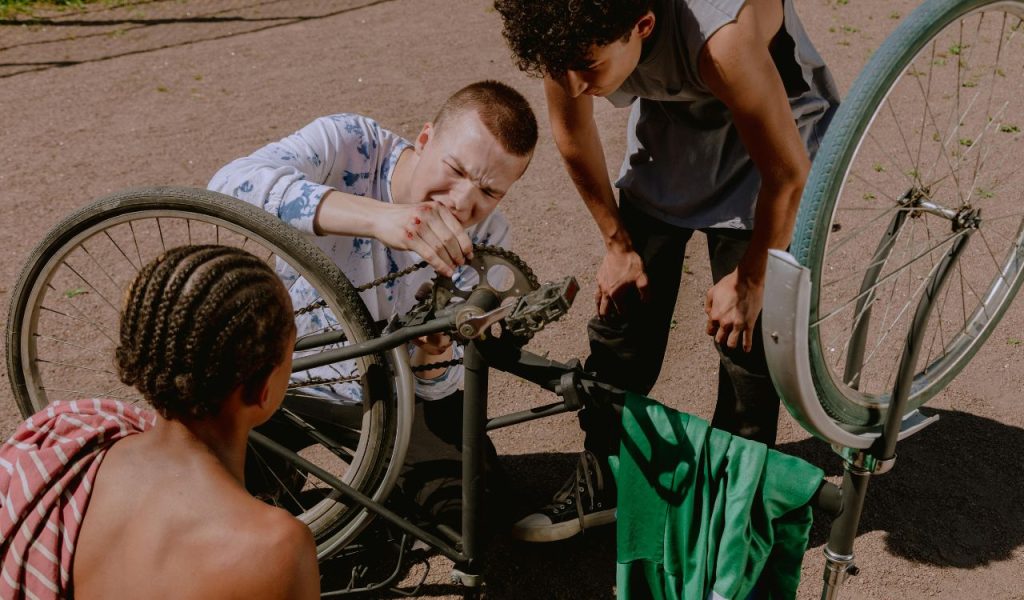
In the 80s, teenagers often learned new skills without the internet. Whether fixing a bike, building a treehouse, or experimenting in the kitchen, they relied on manuals, friends, or trial and error. This hands-on approach taught independence, resilience, and problem-solving skills. Today, Google or YouTube tutorials make solutions immediate, leaving little room for experimentation or creative failure. The 80s approach demanded patience, curiosity, and perseverance, encouraging teens to think critically and develop resourcefulness.
10. Total Independence

80s teenagers experienced a level of independence that is nearly unimaginable today. With minimal parental supervision, limited technology, and fewer structured schedules, they navigated social, academic, and personal challenges largely on their own. This freedom instilled confidence, resilience, and practical knowledge that shaped their transition into adulthood. Today, constant connectivity, parental monitoring, and structured routines often replace these formative experiences, leaving modern teens with less autonomy and fewer opportunities to learn from independent decision-making.