
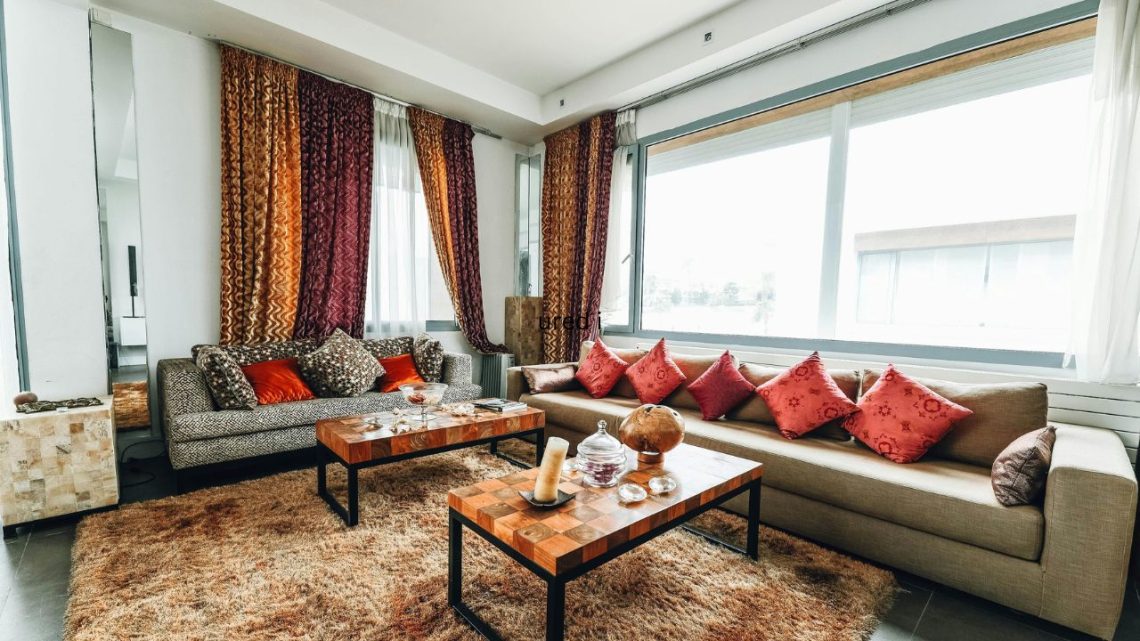
A home is meant to be a reflection of who you are, a space that nourishes your lifestyle and evolves as you do. Yet, many houses silently linger in the past, clinging to outdated styles, colors, furniture, and layouts that no longer serve comfort or function. Living in such an environment can subtly influence your mood, your productivity, and even the way you interact with guests. What may have been considered stylish decades ago might now feel heavy, impractical, or stagnant. Identifying these signs is crucial because your surroundings directly affect your well-being.
1. Furniture Freeze
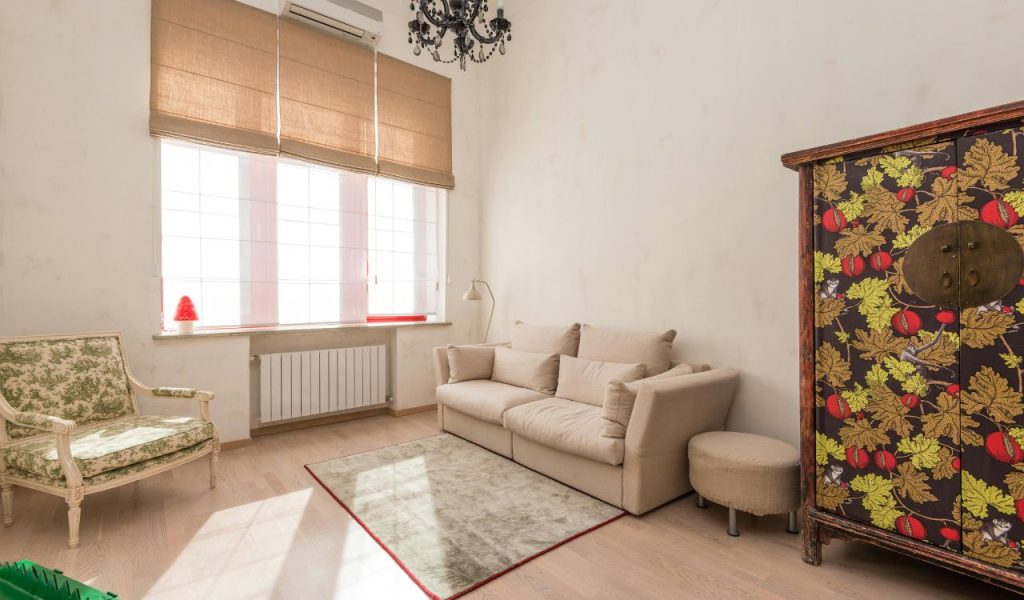
When furniture dominates a room with designs that are clearly from previous decades, it immediately dates your space. Chunky sofas with heavy fabric, overly ornate cabinets, or bedroom sets made from dark, imposing wood can give a sense of being trapped in another era. This is not just a matter of aesthetics; outdated furniture often fails to support the modern lifestyle, offering limited comfort or practicality. Pieces that were once considered luxurious may now feel cumbersome and restrictive, preventing smooth movement within your home.
2. Color Echoes
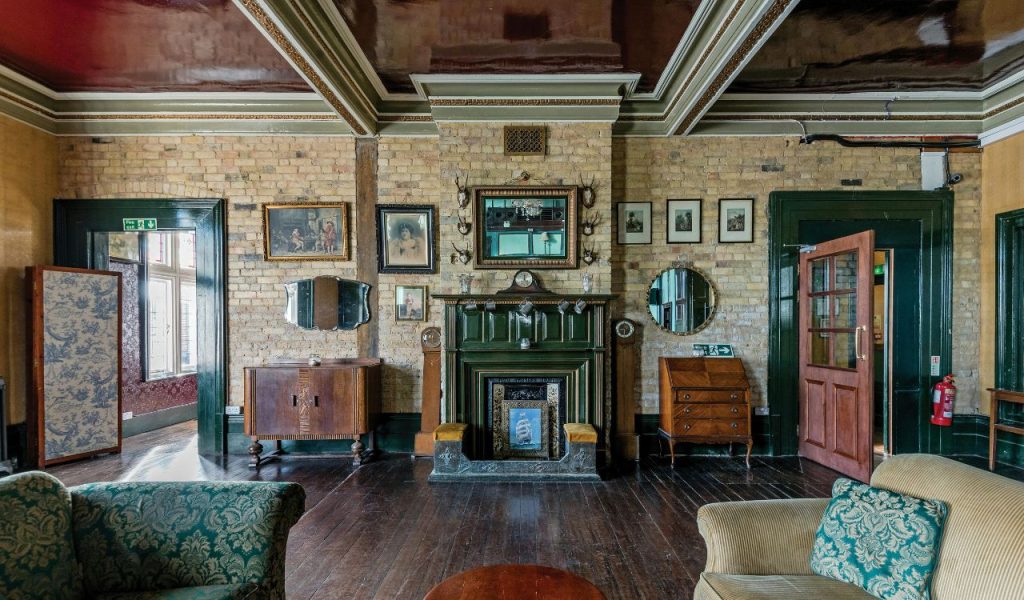
The palette of your walls, furniture, and accessories can unconsciously set the mood of your home. Colors like avocado green, mustard yellow, or muted beige were once highly popular, yet today they often feel dated and uninspired. A color scheme that belongs to a different era can make even a well-maintained home seem stuck, creating a sense of monotony or heaviness in your living space. Beyond aesthetics, colors impact your psychological state, influencing emotions, energy levels, and focus.
3. Wallpaper Time Warp
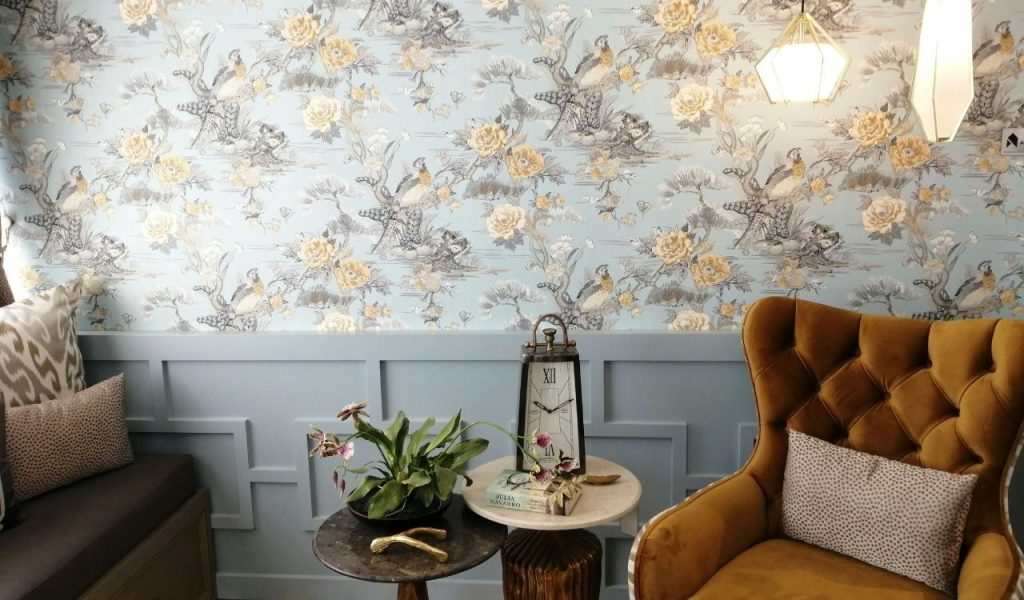
Wallpaper and decorative wall borders that were once fashionable can quickly age a home, making it feel like a preserved artifact. Tiny floral prints, pastel borders, and thematic murals may have been charming in the past, but today they can create a visual clutter that overwhelms the senses. These designs can limit how you use the space and restrict your ability to update other elements without creating clashes.
4. Tech Lag
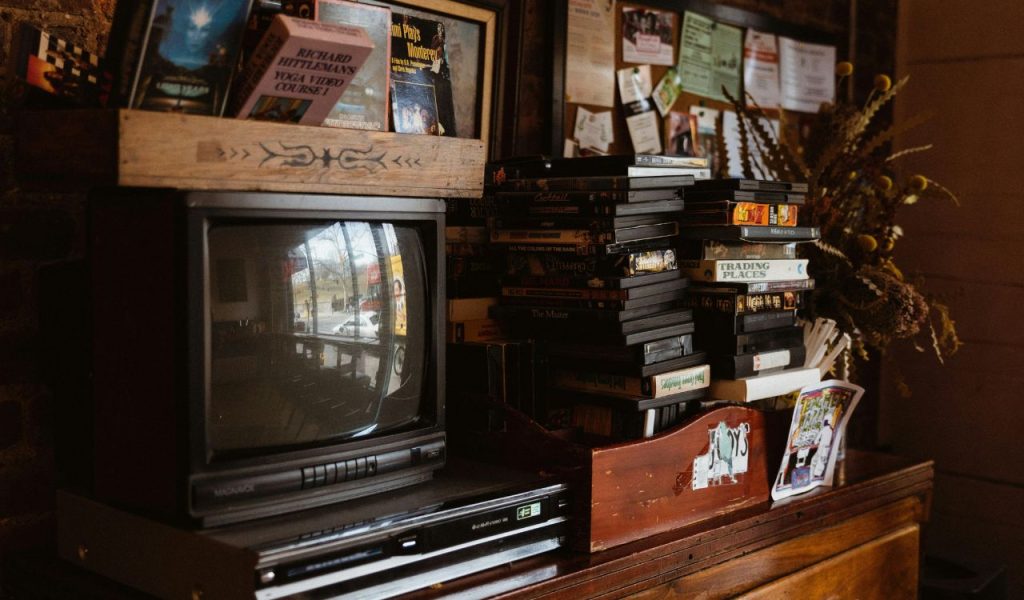
A home filled with outdated electronics and appliances immediately signals its age. Bulky televisions, aging stereos, and kitchen gadgets from previous decades may still function, but they create an environment that feels disconnected from the modern world. Technology is not just about convenience; it also contributes to the overall aesthetic and flow of a home. Old devices take up unnecessary space, limit functionality, and can even disrupt the visual harmony of your interiors.
5. Layout Lag
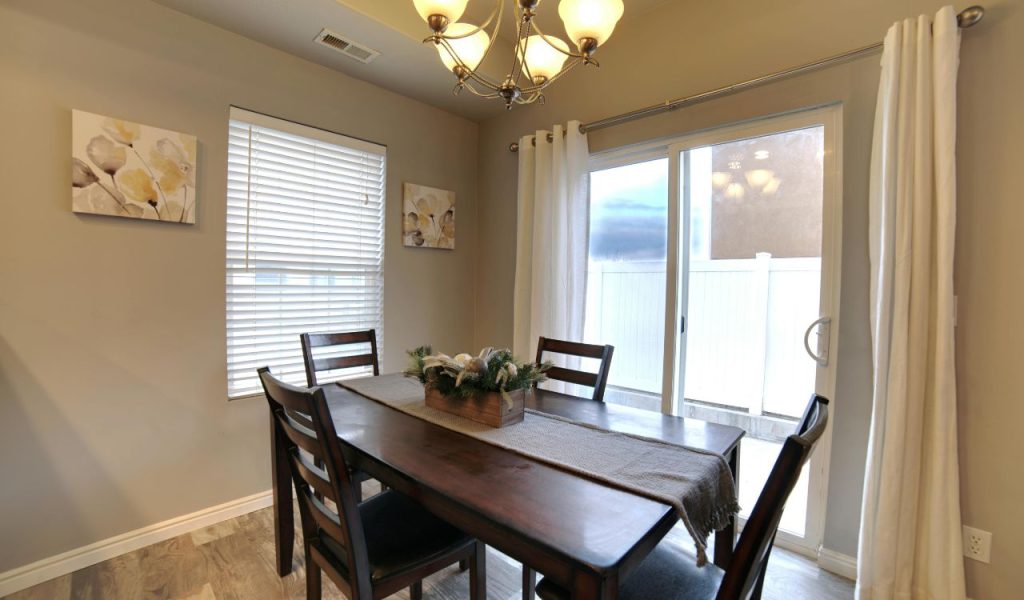
The arrangement of rooms and furniture can make a home feel rooted in another time, especially if it prioritizes formality over functionality. Many older layouts have multiple small rooms, heavy curtains, or formal dining areas that are rarely used. While these designs were once symbols of elegance, they can now feel restrictive, compartmentalized, and inefficient. A stagnant layout can affect daily life, limiting movement and making even simple tasks feel cumbersome.
6. Decor Overload
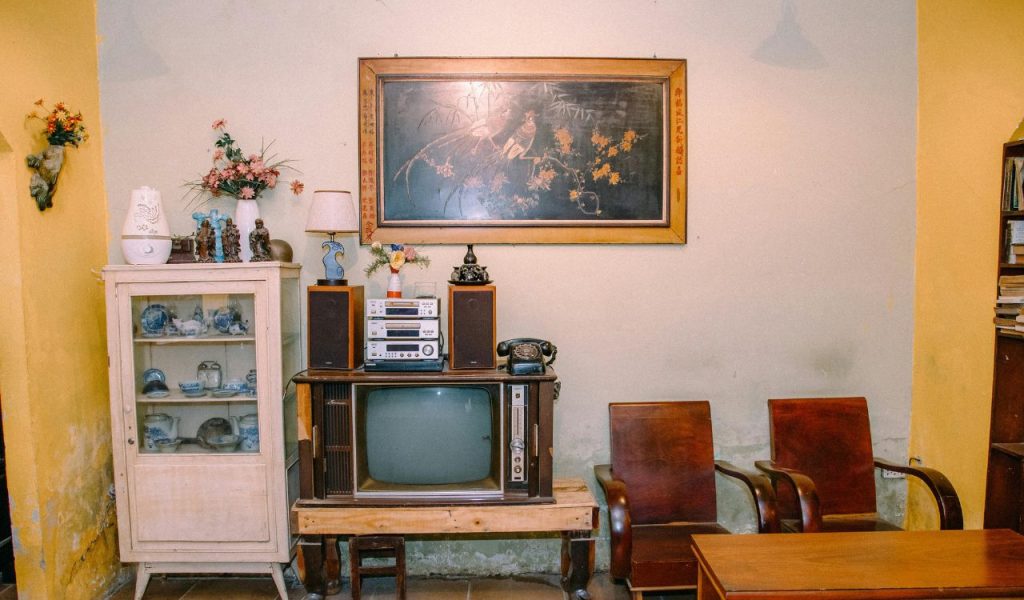
Homes that cling to outdated décor accessories often appear cluttered and heavy. Figurines, trinkets, and overly themed decorations that were once trendy can now dominate visual space, making rooms feel crowded and out of touch. Beyond aesthetics, excessive or old-fashioned decorations can create emotional weight, anchoring the mind in previous tastes and experiences. Thoughtful curation of décor, keeping only items that resonate with current preferences, allows your home to reflect who you are today.
7. Flooring Fade
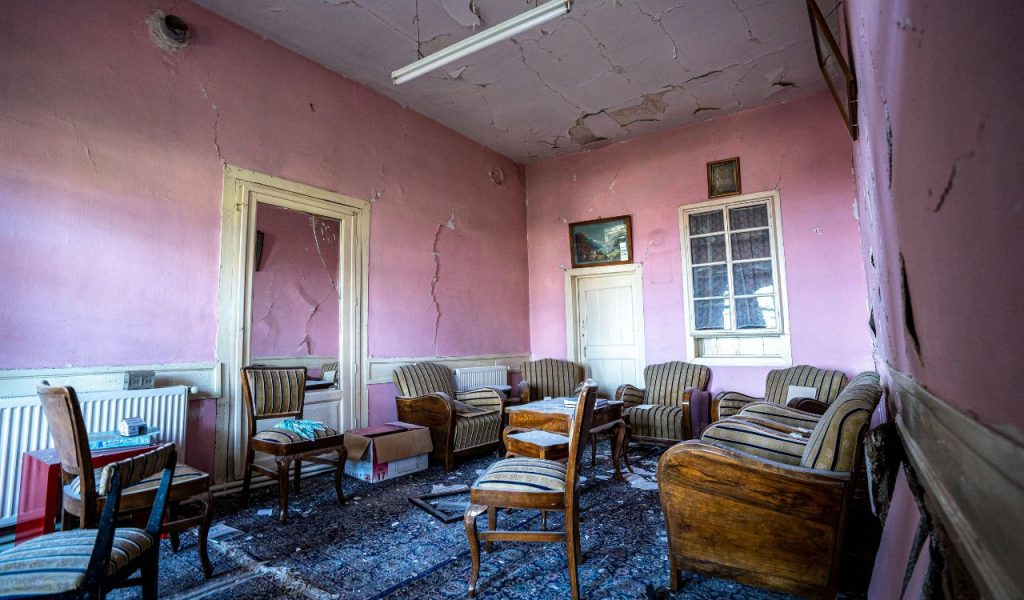
Flooring is a major factor in how a home is perceived, yet old carpets, linoleum, or worn hardwood can make a space feel antiquated. Beyond appearance, aging floors often impact comfort and functionality, affecting both movement and maintenance. Floors that are clearly from past decades can subtly enforce the feeling that the home itself hasn’t evolved. Updating flooring, whether through engineered wood, polished concrete, luxury vinyl, or refreshed rugs, revitalizes a room’s visual and functional qualities.
8. Light Stagnation
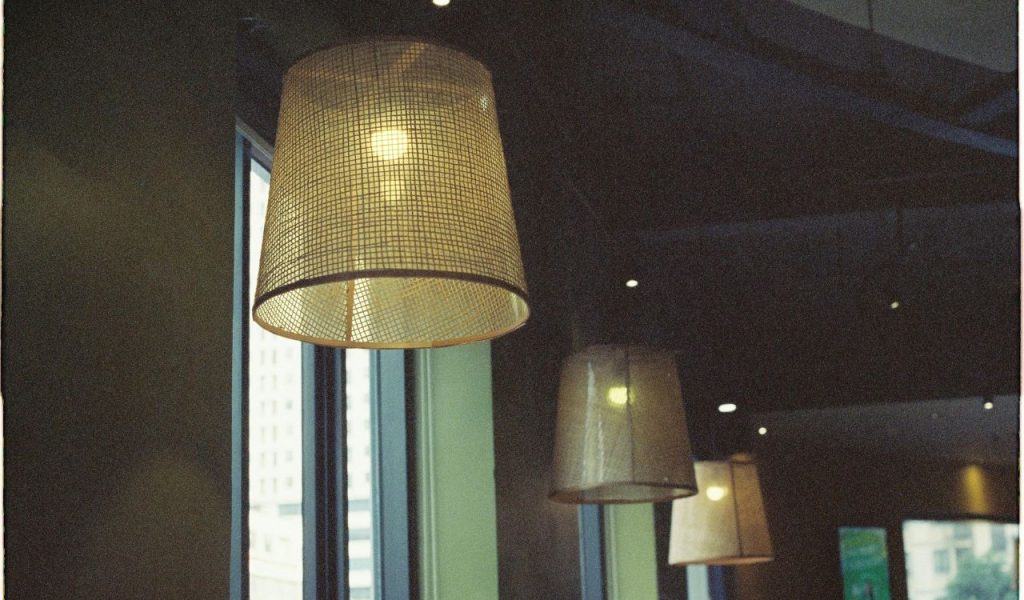
Lighting has a profound effect on how a home is experienced, yet many homes retain fixtures that are outdated or insufficient. Harsh fluorescents, old chandeliers, or poorly positioned lamps can create a gloomy, static atmosphere that emphasizes the home’s age. Proper lighting enhances the mood, functionality, and aesthetic appeal of a space, making it feel open and welcoming. Modernizing lighting with layered approaches—combining ceiling fixtures, task lighting, and ambient sources—can transform rooms.
9. Energy Stale
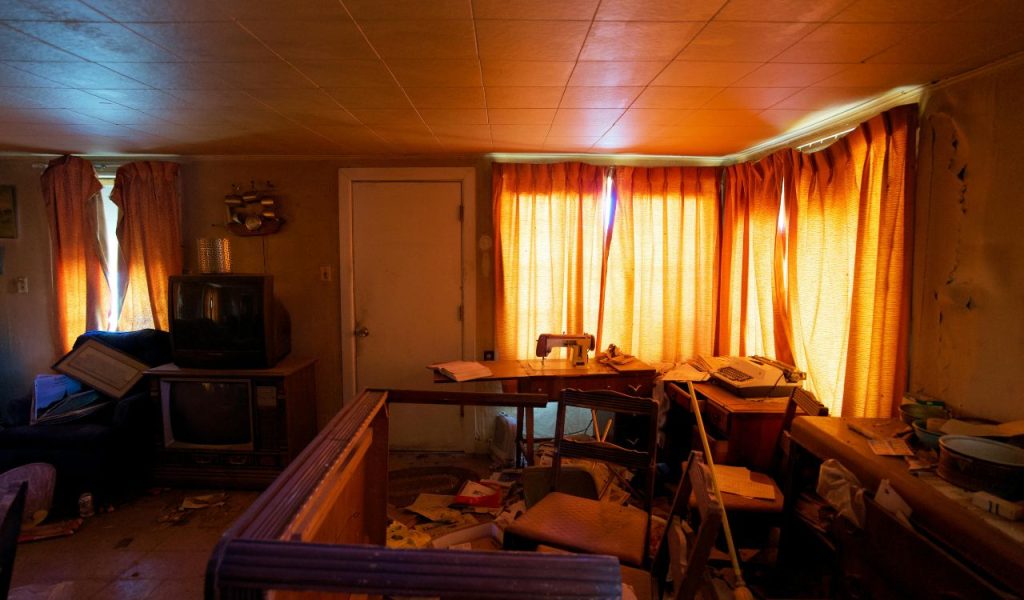
Sometimes the signs of a home stuck in the past are not visible but felt. Stale air, heavy fabrics, cluttered corners, or layouts that inhibit flow contribute to a sense of stagnation. Homes that feel heavy or uninviting subtly impact mental well-being, creating a space that discourages relaxation, creativity, and social interaction. Revitalizing energy involves more than cleaning; it includes opening windows, incorporating natural light, decluttering, adding plants, and allowing spaces to breathe.