

Small habits often snowball into big changes, but it’s hard to know where to start. A 30-day challenge gives you a clear window to experiment, track progress, and see results. You don’t need drastic routines or expensive tools, just consistency and intention. Each day builds momentum, turning what feels small on day one into meaningful growth by day thirty.
Whether it’s mental, physical, or creative, these challenges show you how much progress a month can bring, giving you confidence, a sense of accomplishment, and a practical framework to keep improving. You might be surprised how one small habit can ripple into bigger life changes.
1. Wake Up 30 Minutes Earlier

Shifting your wake-up time might feel impossible at first. You start with one small adjustment, but by week two, your mornings become your most productive hours. You can read, exercise, or plan your day without rushing. Over thirty days, you notice better focus, more energy, and calmer starts.
Early mornings give you control over your time instead of reacting to demands. By the end of the month, this habit can reshape your daily rhythm, leaving you with a sense of structure and clarity you didn’t expect. You may also find small pockets of time for hobbies or reflection that never existed before. Consistently starting the day earlier can quietly improve your mood and mindset for everything else.
2. Drink More Water

Hydration is simple, but it impacts mood, focus, and skin health more than you think. Track your daily intake, carry a bottle, and set reminders to sip consistently. At first, it feels tedious, but your body adapts quickly. By the third week, headaches fade, energy rises, and digestion improves.
Small, consistent actions compound, showing how a basic habit affects your overall health. By day thirty, drinking water regularly becomes second nature, giving you a sense of control over your wellbeing and demonstrating the power of tiny, deliberate choices. You may even notice improvements in sleep and mental clarity as a result.
3. Daily Journaling

Writing for just ten minutes a day may seem minor, but it shifts your mental clarity over time. You capture thoughts, track moods, and reflect without judgment. Some days feel empty, others cathartic, but the consistency matters most. By week four, patterns in your emotions and behavior become visible.
Journaling helps reduce stress, increases self-awareness, and gives perspective on challenges. By the end of the thirty days, the small daily habit transforms how you process life, leaving you with a clearer mind and a record of growth you can revisit anytime. Over time, journaling can also spark creative ideas and solutions you might otherwise overlook.
4. 10,000 Steps a Day

Moving more doesn’t require a gym membership, just a plan. You aim for 10,000 steps daily, taking short walks or adding activity to your routine. It may feel small at first, but you notice endurance and energy increasing by week two. Walking improves circulation, reduces stress, and boosts mood.
By day thirty, you see tangible health benefits and a stronger connection between daily activity and well-being. This challenge proves that consistent, simple movement compounds over time, showing you how small steps can change both your body and mindset significantly. You may also find new ways to stay active that fit naturally into your day.
5. Digital Declutter

Spending thirty days removing digital distractions can feel slow at first. You unsubscribe, organize folders, and limit notifications. The first week highlights how much noise accumulates, but gradually your screen time drops. By week three, focus improves, stress decreases, and you enjoy more intentional use of devices.
You reclaim attention and control over your time. At day thirty, your digital space feels lighter, and the mental clarity from this small practice reinforces the value of purposeful habits in a world filled with constant alerts and interruptions. You may also discover apps and tools that truly add value instead of distraction.
6. Plant-Based Meals

Trying a plant-based meal a day challenges routines without overwhelming your diet. You experiment with recipes, discover new flavors, and see how your body responds. Initial resistance fades as you notice more energy, better digestion, and lighter meals.
The habit introduces creativity into cooking and improves nutrition awareness. By the end of the thirty days, you’ve built a more intentional approach to meals and a better understanding of how food affects your body. Small daily adjustments compound, leaving you healthier and more confident in your choices. You may even find yourself exploring new ingredients and cooking techniques naturally.
7. Read 20 Minutes Daily

Reading might feel like a luxury, but a daily 20-minute practice adds up quickly. You start with short sessions, exploring different topics or genres. By week two, it becomes a natural part of your routine, offering insight, focus, and stress relief. Each day builds knowledge and curiosity, reshaping your thinking habits.
By day thirty, you’ve accumulated nearly seven hours of reading, enhanced concentration, and developed a habit that enriches your perspective and offers daily mental rejuvenation, proving small, consistent actions can yield meaningful long-term benefits. You may also notice improved vocabulary and sharper critical thinking skills.
8. Gratitude Practice
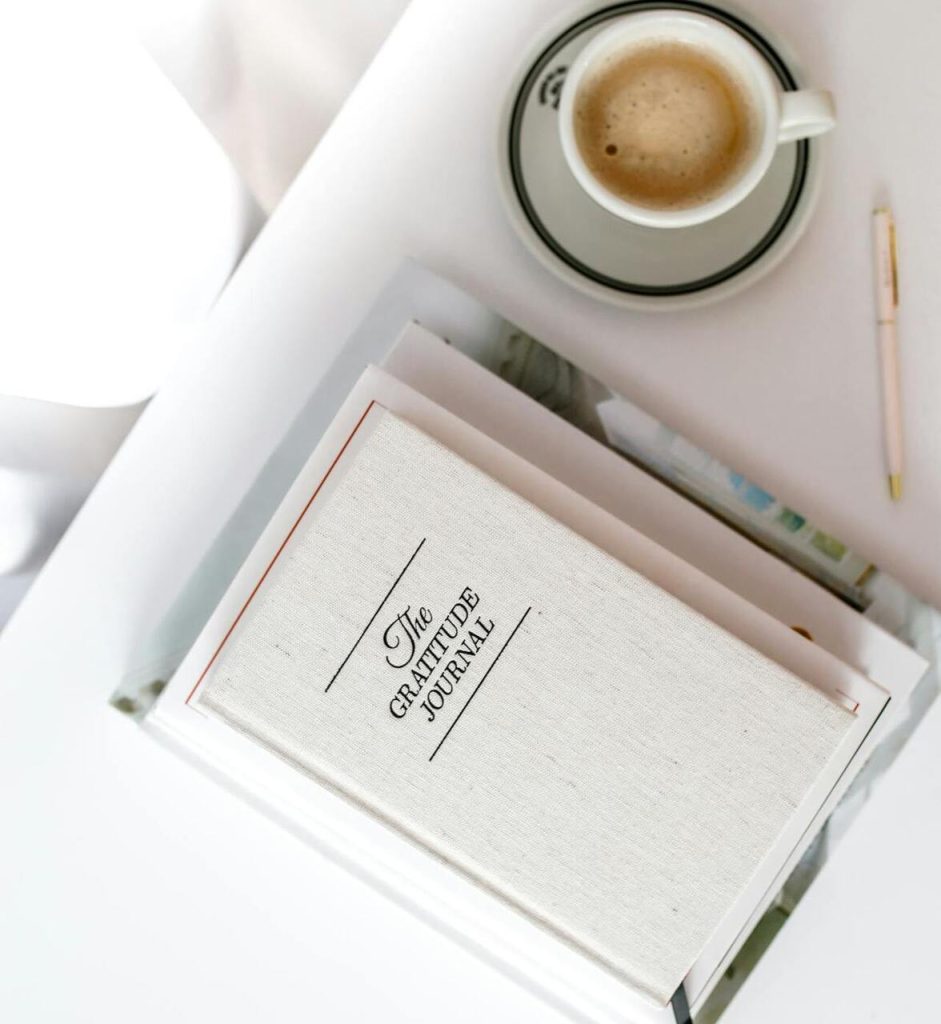
Taking a few minutes daily to note what you’re grateful for may seem minor, but it rewires perspective over time. You start small, listing simple moments, people, or experiences. By week three, your focus naturally shifts to positives in challenging situations. Gratitude reduces stress, increases contentment, and improves relationships.
By day thirty, the habit reshapes how you respond to life’s ups and downs. Consistency turns small daily reflections into lasting optimism, showing you that intentional focus on good experiences amplifies joy and resilience beyond what you expected. Over time, you may even notice stronger connections with those around you.
9. Declutter One Item Daily

Removing one item each day seems simple, but thirty items vanish quickly. You start with obvious clutter and gradually tackle hidden spaces. Over time, your living environment feels lighter and more organized. By day thirty, your home reflects intentionality, reduces stress, and frees mental space.
The process teaches decision-making and mindfulness. Small, daily decluttering shows that minor, consistent actions have noticeable effects, both physically and mentally, leaving you with a more peaceful space and a sense of accomplishment that extends into other areas of life. You may also feel more motivated to maintain other healthy habits once clutter is under control.
10. Random Acts of Kindness

Doing one kind act each day changes your outlook subtly. You compliment someone, help a neighbor, or leave a note of encouragement. At first, it may feel awkward or forced, but consistency builds habit and awareness. By week three, you notice a positive feedback loop: your actions uplift others and improve your mood.
By day thirty, small gestures become natural, transforming how you engage with people and deepening social connections. The challenge proves that tiny, daily kindnesses ripple outward, creating a tangible difference in both your life and the lives of others. You may also find that practicing kindness encourages gratitude and positivity in your own mindset.