
Growing up changes the way stories speak to you, often in ways you never expect. When you were ten, movies were simply colorful escapes meant to entertain, distract, or make you laugh, and rarely did you think about themes like identity, loss, ambition, or emotional isolation. But by twenty-five, after learning that friendships can fracture, dreams can shrink or expand, heartbreak can rewrite your sense of self, and responsibilities can reshape your priorities, these same films begin to feel like coded messages written for a future version of you. Scenes you once ignored now sting with meaning, characters you misunderstood now feel familiar, and the worlds you once saw as fantasy suddenly reflect the emotional landscape of adulthood.
1. Truman

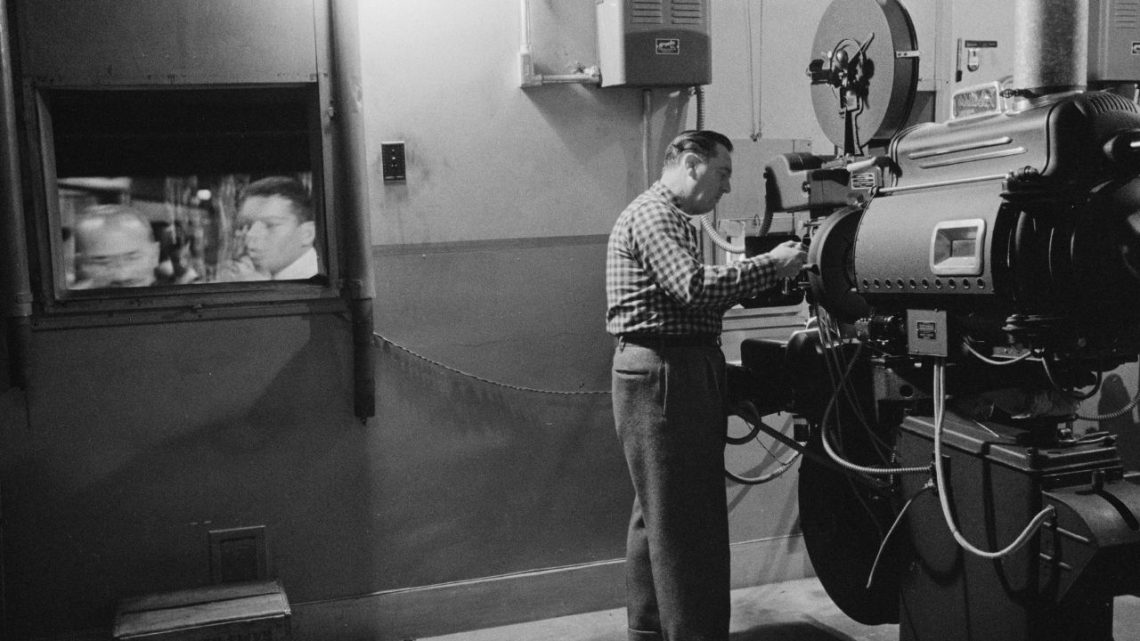
As a child, this movie might have seemed like nothing more than a quirky story about a man unknowingly trapped inside a TV show. The sets were bright, the characters were exaggerated, and the entire concept felt humorous in a way that didn’t demand deep understanding. But at twenty-five, the film becomes a startling reflection of the invisible expectations that shape your life: family expectations, societal norms, peer pressure, and even the quiet routines you slip into without realizing. What once felt comedic now feels symbolic of the moments when you begin to question the authenticity of your own choices and whether you are living a life shaped by your desires or by the comfort of the familiar.
2. Lost
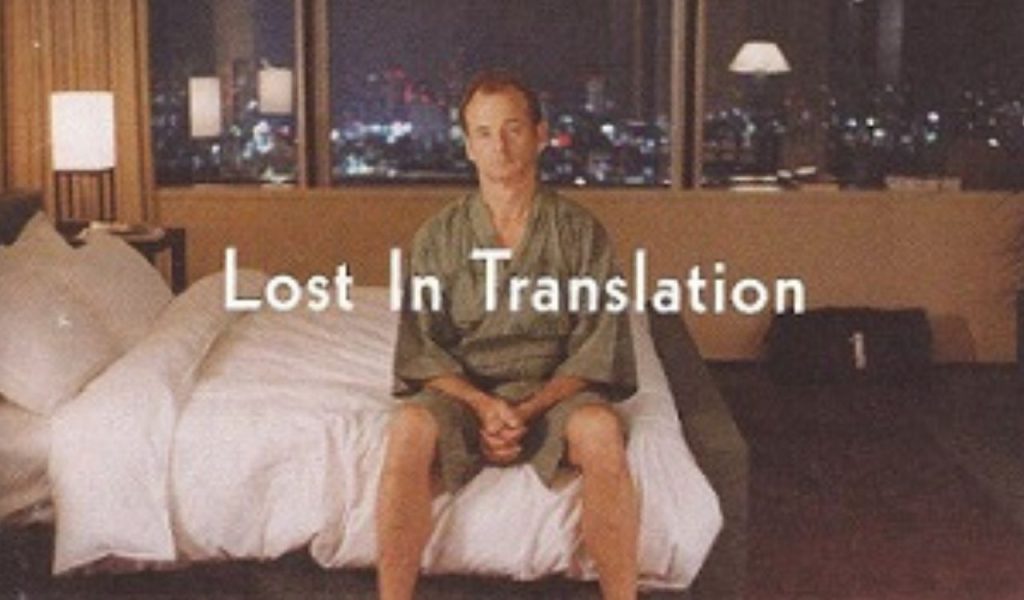
At ten, this film could easily feel boring, slow, or confusing, filled with quiet scenes, wandering characters, and conversations that feel incomplete. Without the emotional vocabulary to understand loneliness, disconnection, or the search for meaning, it’s natural that the story simply didn’t register. But watching it at twenty-five opens a new dimension, one that speaks to the quiet ache of adulthood, those moments when you feel out of place even in familiar environments, when ambition loses clarity, or when you’re surrounded by people yet feel completely alone. The film captures the fragile, fleeting nature of human connection, especially the kind that appears unexpectedly, offering comfort just when you need it most but cannot keep.
3. Eternal
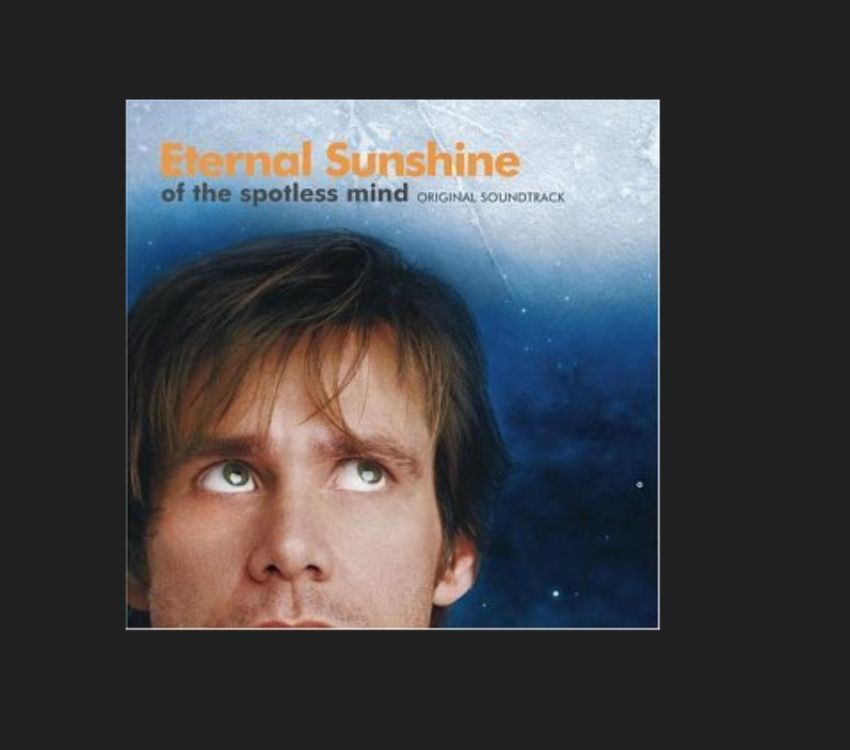
As a kid, the premise of people erasing memories might have seemed like a strange and almost comical science-fiction idea, full of chaotic visuals and strange sequences that felt more confusing than meaningful. But by twenty-five, after your own experiences with relationships that left marks on your identity, the story shifts dramatically. It becomes a deeply emotional exploration of how vulnerable it is to love someone, how devastating it can be to lose them, and how tempting it is to want to forget the pain entirely. Yet, the film reveals something more honest: that every moment, good or bad,d shapes who you become, and erasing the hurt also erases the growth.
4. Network
When you’re ten, this film can feel like nothing but a series of arguments about business, coding, or competition, with characters talking too fast and with too much intensity for a child to care about. But at twenty-five, the story sharpens into a dramatic study of ambition, insecurity, and betrayal, emotions that often grow stronger as you try to build your own future. You begin to identify with the pressure to succeed, the desire to prove yourself, and the painful realization that not every friendship survives the pursuit of personal goals. What once looked like petty conflict becomes a reflection of how adulthood forces people to change, sometimes in ways that pull them apart.
5. Remy
As a kid, this movie feels lighthearted, charming, and funny, centered around an ambitious rat who wants to be a chef. The humor, adventure, and playful animation overshadow the deeper emotional message. But by twenty-five, the symbolism becomes impossible to miss, especially if you have ever felt underestimated or trapped by the limits of where you came from. The story transforms into a moving meditation on self-belief, artistic passion, and the struggle against imposter syndrome. You begin to see how difficult it is to pursue dreams that seem unrealistic or unsupported, and how the world often tries to place people into boxes based on their background, not their potential.
6. Her

At ten, this film likely seemed absurd or overly futuristic. A story about someone falling in love with an operating system might have felt like a joke or a strange depiction of technology. But at twenty-five, after navigating the complexities of digital communication and modern relationships, the narrative becomes startlingly sincere. It examines loneliness, emotional dependence, and the ways people seek connection in an increasingly detached world. You begin to recognize how easy it is to confide in technology when real interactions feel heavy, unpredictable, or disappointing.
7. Spirited

As a child, this animated film may have captivated you primarily through its fantastical world, unique creatures, and magical adventures. But at twenty-five, the story transforms into something far more profound. It becomes a symbolic narrative about leaving childhood behind, confronting unfamiliar challenges, and learning to adapt to a world that demands maturity and resilience. You start to see how the protagonist’s journey reflects the emotional turbulence of becoming an adult: stepping into strange environments, navigating responsibilities you didn’t choose, and discovering your own strength piece by piece.