
For years, the objects sitting quietly in your home have probably been doing far more than you ever realized. Most of us interact with everyday household items on autopilot, assuming their purpose is obvious and their design straightforward. But many of these items were created with specific functions, hidden features, and intended techniques that go completely unnoticed. This leads people to struggle with problems they never needed to face, jagged pieces of aluminum foil, unevenly heated leftovers, sticky residue from labels, hair that doesn’t stay in place, and kitchen tools that never quite seem to work as effortlessly as they should.
1. Foil Lock
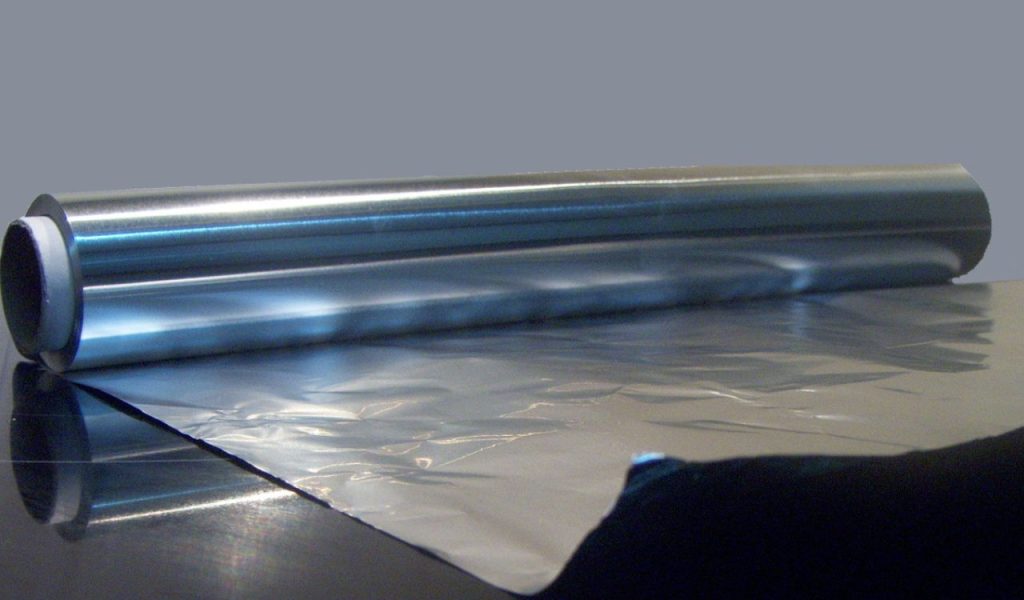
Many people rip aluminum foil from the box with frustration, not realizing the roll inside is designed to be held still by small tabs on the box’s sides. These tabs, which can be pressed inward, secure the roll so it doesn’t slide out or wobble when you pull on the foil. Without using these built-in locks, the roll tends to tumble out of the box or unravel unevenly, causing wasted material and irritation every time a piece tears at the wrong angle. If you press the tabs in place, the foil glides out smoothly, allowing for controlled tearing along the cutting edge. This simple trick transforms the way you dispense foil, especially when you’re multitasking while cooking. The design wasn’t meant to be mysterious, just overlooked.
2. Tube Glide
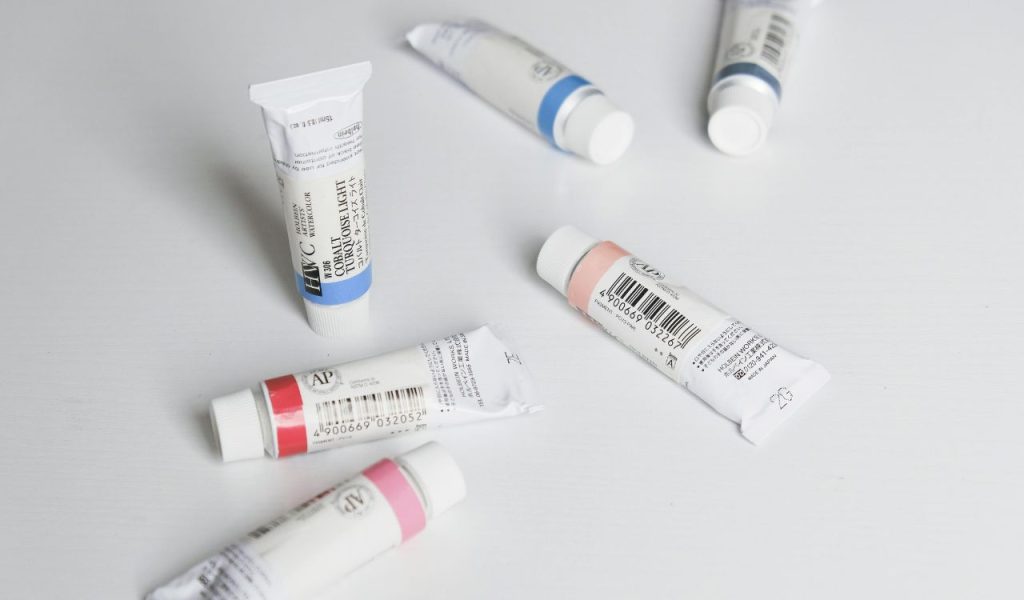
A toothpaste tube seems too basic to misuse, but many underestimate how its shape and flexibility are intended to work together. When you squeeze from the middle, the paste inside becomes unevenly distributed, forcing air pockets deeper into the tube and causing that annoying “crunch” feeling as it collapses inconsistently. Over time, this makes extracting the remaining paste difficult and leads to unnecessary waste. The correct approach is to roll the bottom upward so that pressure moves smoothly toward the opening, ensuring that the paste stays packed tightly and dispenses evenly. Many manufacturers purposely use soft, flexible materials that allow this controlled compression, and some even design the back seal to flatten systematically as you roll.
3. Heat Drawer

For generations, people have opened the bottom compartment of their oven and tossed in baking pans, pot lids, extra trays, or whatever cookware didn’t fit in the cabinets. Yet the bottom oven drawer in many models is actually a warming drawer, designed to keep freshly cooked food warm while the rest of the meal finishes. Instead of acting as storage, it circulates gentle heat from the oven above and maintains dishes at a safe, steady temperature without drying them out. When used properly, this feature allows you to serve meals with perfect timing, ensuring nothing cools off before it reaches the table. Misusing the space for storage not only prevents it from doing its job but can also potentially warp cookware or cause awkward smells if the drawer heats up unintentionally. By embracing its true purpose, you can coordinate complex meals more easily, letting side dishes wait comfortably while main courses finish cooking. The drawer becomes an invisible assistant in the kitchen one that has been hiding in plain sight while most people simply fill it with clutter.
4. Pin Grip
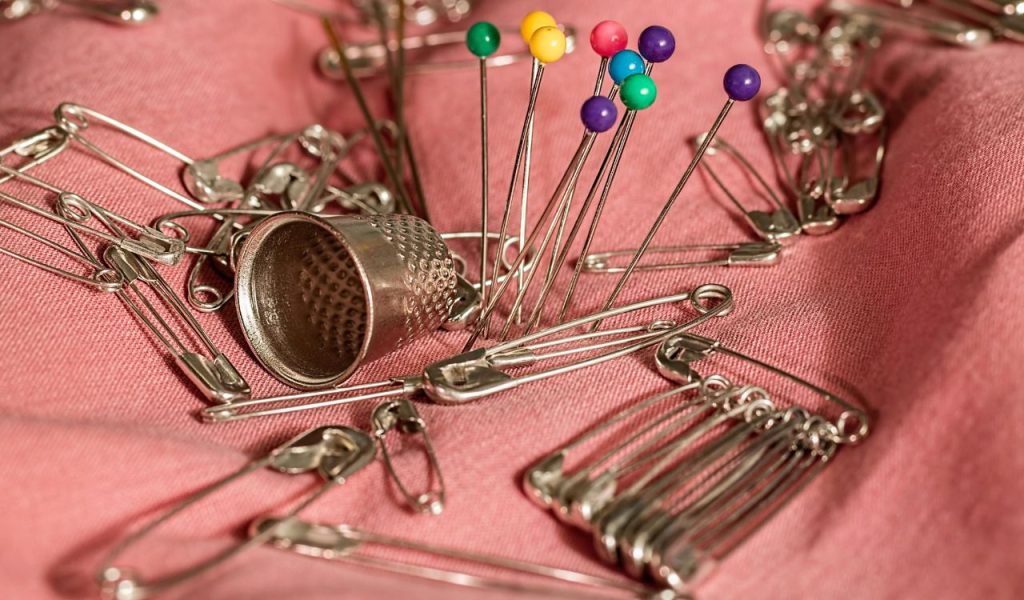
Bobby pins appear so simple that it hardly seems possible to use them incorrectly, yet countless people slide them into their hair with the wrong side facing outward. Those tiny waves along one side aren’t decorative; they’re engineered to grip the hair more securely. When the wavy side faces down against the scalp, it acts like a spring that locks the pin in place by creating friction and holding more hair between its curves. Placing the pin with the wavy side up reduces grip strength, making your hairstyle loosen quickly or causing the pin to slip out altogether. When used properly, a single bobby pin can secure a surprising amount of hair without needing constant adjustment. Stylists rely on this method to create updos that survive hours of movement. If you’ve ever wondered why your pins never seem to hold, the answer is usually orientation. By reversing the way you insert the pin, you transform it from a flimsy accessory into a dependable tool that reshapes how you manage your hair on busy days or for special events.
5. Flow Hit
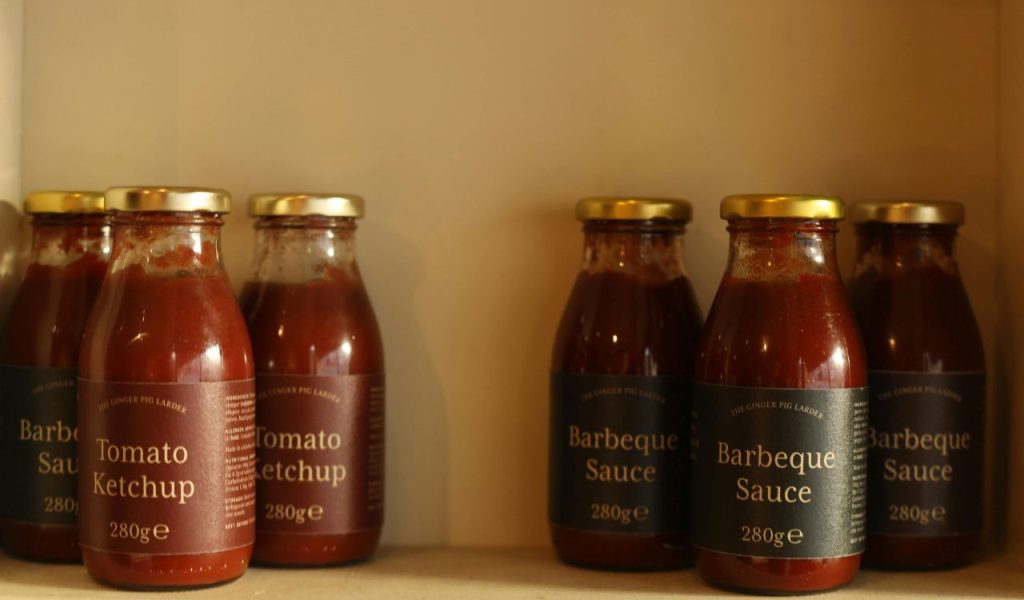
A classic glass ketchup bottle can test the patience of even the calmest person. Most people shake it wildly or smack the bottom, hoping gravity will eventually coax the condiment outward. But the bottle was designed with a subtle trick: tapping the raised number often “57” on the neck loosens the ketchup more efficiently by striking the point where the glass is thinnest. This simple tap encourages the sauce to break away from the bottle walls and flow smoothly without splattering. Hitting the bottom sends air rushing through the center, causing the ketchup to surge unevenly and often too forcefully. The neck-tap technique gives you control, eliminates messy bursts, and keeps your plate cleaner. The fact that the secret lies in such a small detail makes it one of those clever quirks of product design that many overlook. Once you try it, the movement becomes instinctive, and the frustration of stubborn ketchup becomes a thing of the past. It’s a tiny shift that turns a famously difficult bottle into a remarkably cooperative one.
6. Nut Flip
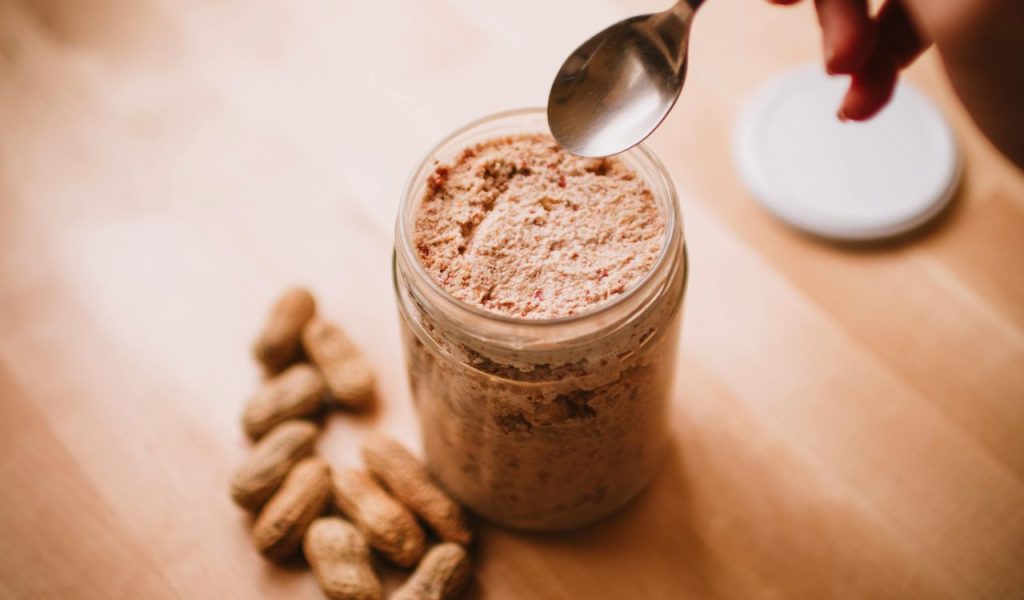
Natural peanut butter is notorious for having oil collect at the top, forcing you to stir through thick layers of separated nut paste every time you open a jar. The solution is surprisingly simple: store the jar upside down. Doing this allows the oils to slowly travel upward into the thicker portion, naturally blending themselves throughout the contents. Instead of digging your spoon into a slippery, oily surface, you open the jar to a much more uniform mixture that requires little to no stirring. This method not only prevents messy oil spills but also improves the spreadability of the peanut butter, making it easier to use on bread, crackers, or in recipes. Over time, the product stays fresher and maintains a consistent texture that doesn’t harden at the bottom. People who adopt this technique often wonder why they spent years fighting with stiff peanut butter when the fix required no effort at all. It’s a minor adjustment that dramatically transforms the way you interact with a jar that might otherwise feel like a small daily battle.
7. Wash Align
Dishwashers are one of the most convenient appliances in any home, yet most people load them in ways that hinder their performance. Plates often face in random directions, cups lie flat or tilt incorrectly, and utensils bunch together, preventing the spray arms from reaching all surfaces. Dishwashers are engineered to operate with water jets aimed at the center, meaning dishes should face inward along invisible arcs. When the racks are used as intended, the water circulates freely, the detergent dissolves properly, and everything emerges cleaner with fewer streaks. Overloading the machine restricts movement and causes leftover particles to redeposit on other items, contributing to cloudy glasses, stained utensils, or food residue that requires rewashing.
8. Label Slide

Removing a sticker or label often turns into a struggle filled with torn paper, stubborn adhesive patches, and hours wasted scrubbing with solvents. The problem usually comes from pulling the sticker directly upward, which encourages the fibers to tear and leaves the glue firmly attached to the surface. Instead, peeling the sticker slowly and sideways at a low angle causes the adhesive to release more uniformly, greatly reducing residue. This technique works because the adhesive bond weakens differently when tension is applied horizontally rather than vertically. By using this lateral peeling motion, you preserve both the sticker and the surface beneath it, making removal smoother and cleaner.
9. Plunge Fit

Most households keep a single plunger under the sink or beside the toilet, assuming all plungers are the same. But there are actually two major types, each designed for a specific purpose. The plunger with a shallow, cup-shaped bottom is meant for sinks, tubs, and flat drains because it forms a seal easily against smooth surfaces. The plunger with an additional extended rubber flange is designed specifically for toilets, whose curved drain openings require a deeper seal for proper suction. Using the wrong plunger makes the task harder and often ineffective, causing water to splash or suction to fail entirely.
10. Heat Loop
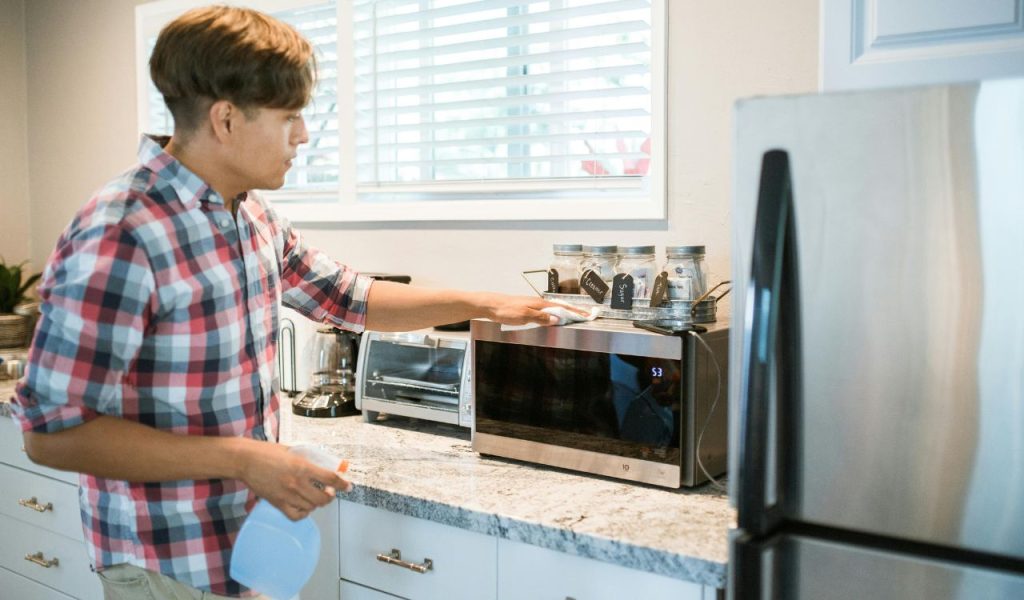
Microwaving food seems simple, yet many people complain about cold spots in the middle of their meals. This happens because placing food in a mound at the center prevents the microwave’s rotating energy from distributing heat evenly. The solution is to arrange the food in a ring or donut shape around the plate, leaving the middle empty. This allows the microwaves to penetrate and circulate more thoroughly, heating each portion evenly. The result is food that warms faster, tastes better, and doesn’t require constant stirring or reheating. This technique is particularly useful for dense foods like pasta, rice, or leftovers that tend to clump.