
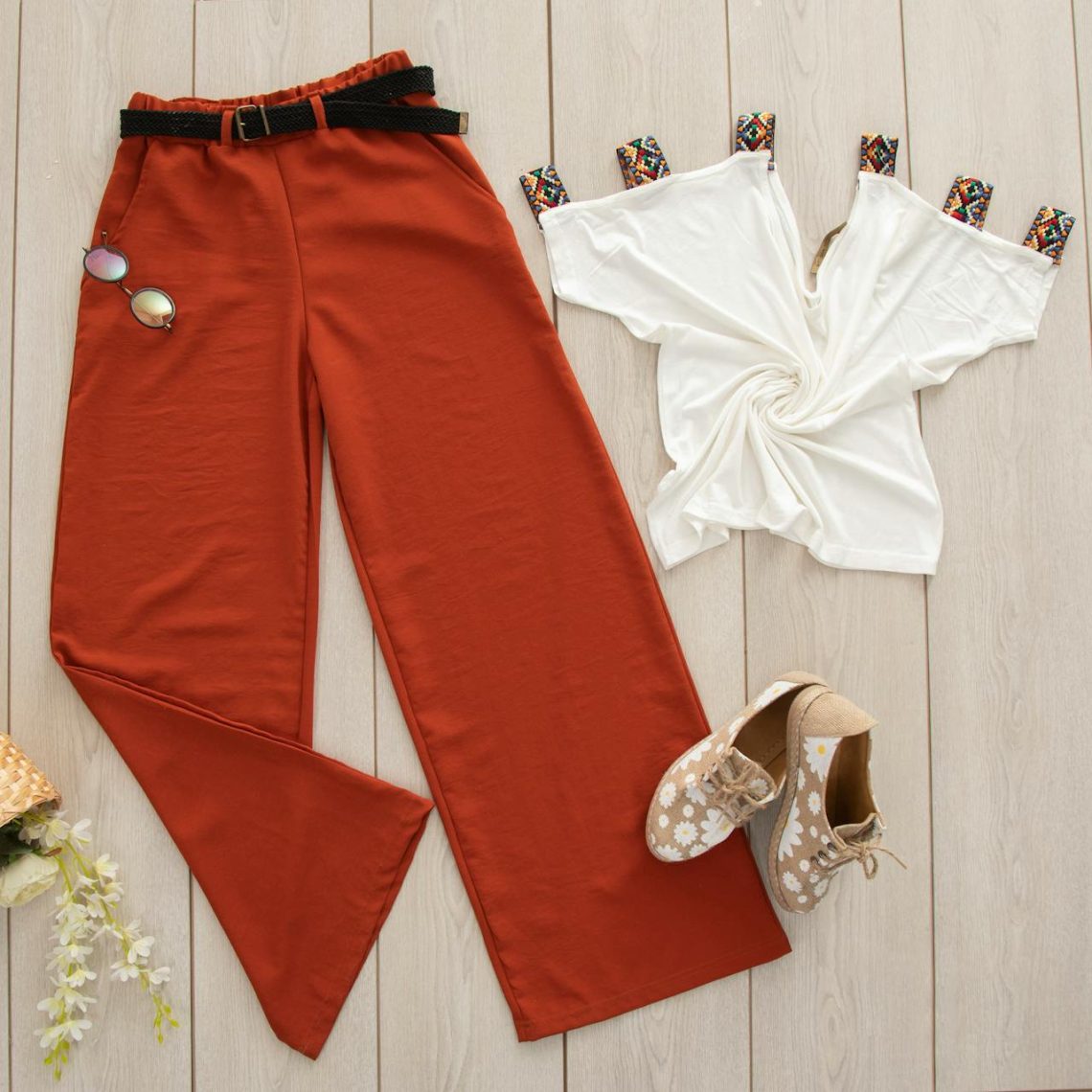
Color can make or break your outfit, and most people don’t realize how often they get it wrong. Pairing the wrong shades can make even the best clothes look off. You might think contrasting colors always work, but some combos clash subtly, pulling attention for the wrong reasons. Understanding common mistakes helps you see your wardrobe in a new light.
You can mix and match more confidently when you know which pairings usually fail. Small adjustments in hue or balance can make your style feel polished without buying anything new. Paying attention to proportions and where colors meet also matters. These small tweaks make your outfits feel thoughtful and cohesive.
1. Matching Too Many Brights

You may love vibrant colors, but putting three or more bright shades together often overwhelms the eye. Instead of looking bold, the outfit can feel chaotic. Try pairing one bright piece with neutral tones like beige, white, or black. This lets the color pop without stealing attention from everything else.
You keep your look energetic but controlled. Brights work best when balanced, and you’ll notice outfits feel more intentional. Learning to tame your most colorful items makes them versatile for multiple settings. You can also use accessories to introduce small pops of color. Experimenting with shoes or bags lets you test bold shades without committing fully.
2. Ignoring Undertones
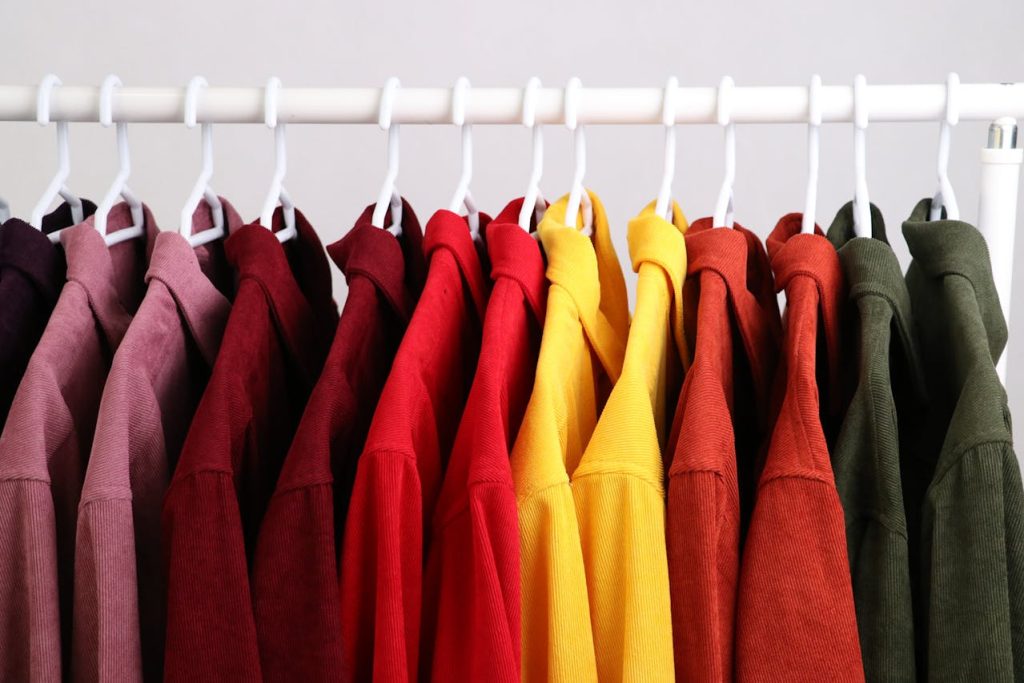
You might grab a pink shirt and blue jeans without thinking, but undertones matter. Warm undertones like yellow, coral, and olive usually pair well together. Cool tones like navy, lavender, and mint also harmonize naturally. Mixing warm and cool incorrectly can create subtle clashes that make your skin look off or your outfit less cohesive.
Paying attention to undertones elevates your combinations. You don’t need perfect matches, just awareness, and a little experimentation to see what feels right. Try comparing fabrics in natural light to check how colors interact. Over time, you’ll instinctively know which tones complement each other.
3. Overdoing Monochrome

Wearing a single color head to toe can look sleek or flat, depending on execution. Many people go monochrome without varying shades or textures, and the outfit feels dull. Layering similar tones and adding texture keeps it dynamic. For example, a light grey sweater with charcoal pants and textured accessories looks balanced.
Monochrome works best when you play with depth and materials. You’ll find that subtle shifts in shade make the outfit interesting while maintaining that cohesive, intentional look. Mixing fabrics like wool, cotton, or leather adds dimension. Small accessories in contrasting tones can also break monotony without ruining the harmony.
4. Clashing Patterns
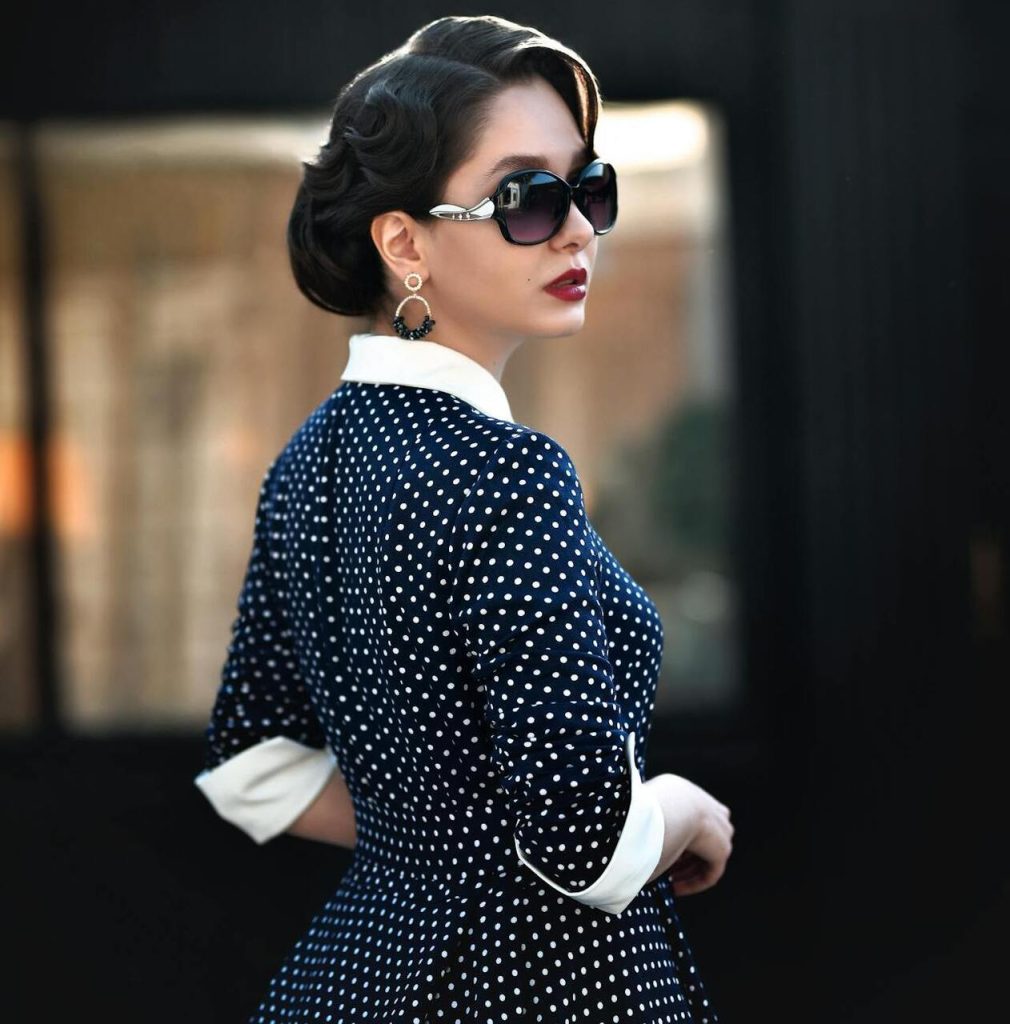
Pattern mixing is tricky, and most people underestimate it. Stripes with polka dots or plaid with floral can look chaotic if the scales or colors compete. You can mix patterns successfully by keeping one dominant and the other subtle. Stick to a common color in both pieces to create harmony.
Small details like the direction of stripes or size of a print change the visual balance. With practice, you’ll start noticing which combinations feel natural. You can turn potential clashes into thoughtful, stylish pairings. Start with neutral patterns before introducing bolder prints. Over time, you’ll develop an eye for balance that feels effortless.
5. Forgetting Seasonal Colors

Some colors shine in certain seasons but feel out of place at the wrong time. Pastels often work best in spring and summer, while deep reds, greens, and browns resonate in fall and winter. Wearing bright summer tones in winter can make outfits look forced. You don’t need to discard items outside their season; layer them with neutral or darker tones to make them work.
Recognizing seasonal cues helps your wardrobe feel intentional. You’ll appear more coordinated without changing your entire closet. Accessories like scarves or shoes can bridge seasonal colors. Even small adjustments keep your outfits fresh and appropriate year-round.