
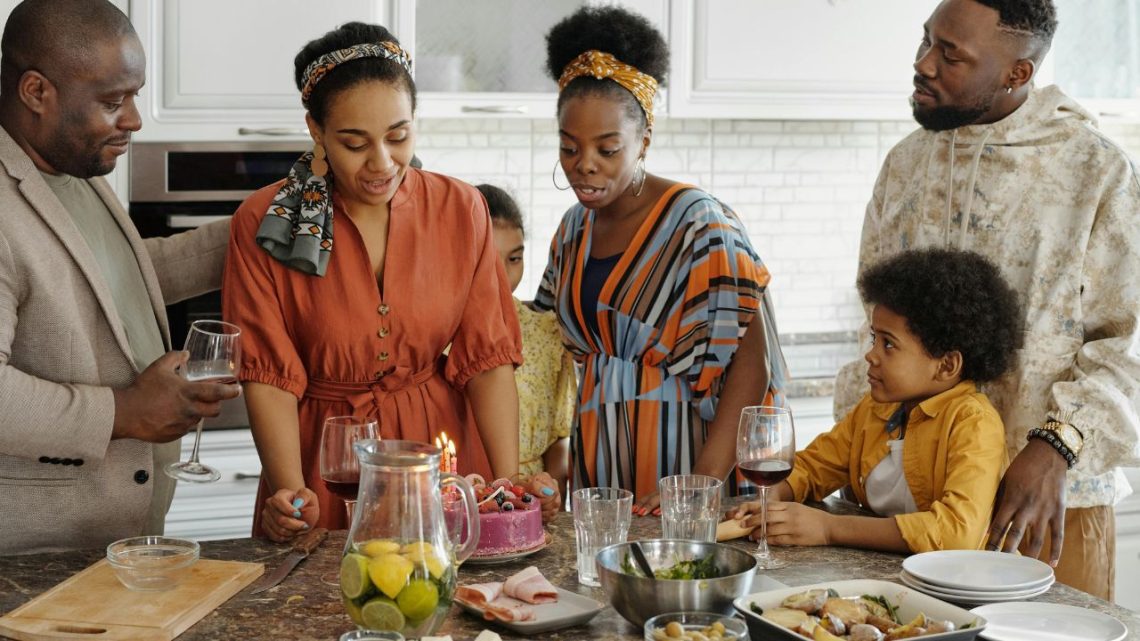
From TV dinners to smoking on airplanes, American family life in the ’60s looks almost unreal today. It was a decade of optimism, conformity, and quiet dangers hidden in plain sight. Parents trusted experts, kids roamed free, advertisements ruled behavior, and few people questioned what was “normal.” Looking back, many everyday habits now seem shocking, unsafe, or just wildly outdated. Here are nine things families once did without hesitation that would raise eyebrows or alarms now, yet once felt wonderfully ordinary. Remembering them shows how quickly ideas about safety, freedom, and family can change over time.
1. Driving Without Seatbelts or Car Seats

Seatbelts were optional, and many cars didn’t even have them in the back. Kids sprawled across bench seats, napped on the rear window ledge, or bounced around the station wagon while parents drove. No booster seats, no airbags, no carefully researched safety ratings. Long road trips meant windows down, no GPS, and sometimes even a baby on someone’s lap. Today, the idea of driving like that feels reckless, but back then, it was simply how families traveled together. Few families thought about crash statistics; they just loaded everyone in, cranked up the radio, and assumed getting there in one piece was guaranteed.
2. Smoking Everywhere, Even Around Kids

Family photos often show adults smiling with lit cigarettes at the dinner table, in the car, even in the nursery. Smoke hung in living rooms, restaurants, and airplanes, and nobody thought twice about kids inhaling it. Doctors appeared in ads reassuring the public that certain brands were “smoother” or “recommended.” Ashtrays were household decor. For many families, quitting wasn’t even a conversation. Now we know the risks all too well, and smoking indoors around children is nearly unthinkable. It’s jarring to picture a newborn beside a haze of smoke, yet that scene once signaled comfort.
3. Letting Kids Roam for Hours Unsupervised

Many kids in the ’60s roamed their neighborhoods with almost no supervision. They left home after breakfast, played blocks away, and came back when the streetlights flicked on. Parents didn’t track locations or text to check in; they trusted neighbors, siblings, and pure luck. Bikes rarely had helmets, and creeks, woods, and vacant lots became daily playgrounds. Today’s world of constant supervision and GPS tracking makes that level of freedom feel radical, even though it once felt ordinary. Parents might glance at the clock, listen for laughter or a screen door slam, and assume no news meant everything was fine.
4. Living on Casseroles and Jell-O Creations

Instead of ordering takeout or microwaving a frozen meal in minutes, families often spent Sunday prepping casseroles, Jell-O salads, and elaborate baked dishes to last the week. Canned pineapple, condensed soup, and gelatin showed up in recipes for everything from “salads” to meatloaf. Moms were expected to cook from scratch, pack lunches, and have dinner ready by the time Dad got home. Today’s mix of delivery apps, meal kits, and flexible gender roles would have seemed futuristic to many. Kids fetched ingredients, licked spoons, and watched stained recipe cards pass between generations.
5. Gathering Around a Single TV Screen

Television was the evening campfire of the American home, with just a few channels that everyone shared. Families gathered around to watch variety shows, westerns, or the latest episode of a wholesome sitcom, often all together in the same room. Kids adjusted the rabbit-ear antennas while parents decided what was appropriate. There were no streaming services, no rewinds, no individual devices. If you missed a show, it was gone. Today’s on-demand, personalized screens would have felt like science fiction. Commercial breaks meant snack runs and bathroom sprints, and neighbors repeated the same jokes the next day.
6. Treating Adult Authority as Absolute

In the ’60s, adults were rarely questioned. Teachers, doctors, and parents were seen as unquestionable authorities, and kids were expected to obey without much explanation. “Because I said so” ended most debates. Many children endured harsh discipline at home or even corporal punishment at school, and few families talked openly about emotions. Privacy and mental health weren’t common topics. Today’s parenting trends, focused on gentle communication and emotional validation, would have seemed overly indulgent to many. Kids who questioned rules were called disrespectful, and adults assumed kids would forget anyway.
7. Following Rigid Gender Roles at Home
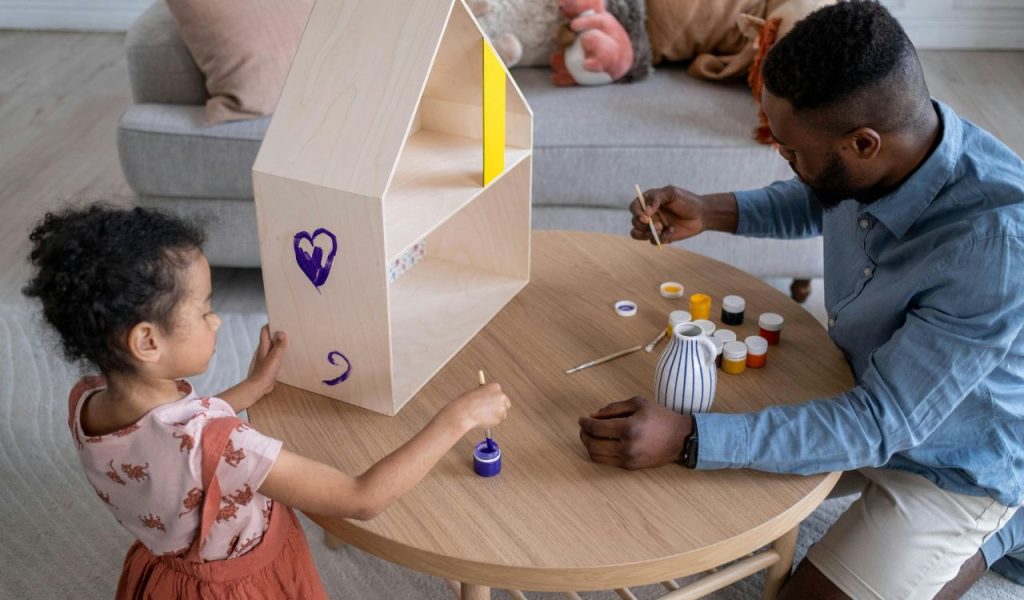
Family life was shaped by strict gender roles. Many women were expected to marry young, stay home with the children, and keep a spotless house, while men were seen as breadwinners whose main job was providing for the family financially. A wife taking a job after having kids could spark gossip, and dads were often praised for doing the bare minimum of childcare. Today’s expectations of shared chores, dual careers, and hands-on fatherhood would have challenged many ’60s assumptions about family success. Magazines praised cheerful housewives, boys were nudged toward careers, and girls were pushed to be pretty.
8. Hiding Family Problems Behind Closed Doors

Few families talked openly about topics like divorce, addiction, mental illness or abuse. Problems were often “kept in the family,” whispered about behind closed doors or ignored entirely. Therapy carried stigma, and many parents worried more about appearances than emotional health. Children were told to be tough, not sensitive. Today, while stigma still exists, there’s far more openness about seeking help, setting boundaries, and protecting kids from unsafe situations that once stayed hidden. Neighbors might notice shouting or bruises, yet the rule was not to interfere, and kids learned early to stay silent.
9. Letting Kids Handle Adult Products
Many kids in the ’60s rode their bikes to the corner store with a note from Mom and cash to buy cigarettes, beer, or household medications, and clerks often didn’t blink. Age checks were far looser, and kids saw adult vices up close. Even at home, medicine cabinets were rarely locked, and warning labels were minimal. Today’s childproof caps, ID checks, and safety campaigns show just how casual earlier attitudes were about kids and adult products. Parents believed a handwritten note was as good as standing there themselves, and a kid carefully balancing glass bottles in a bike basket barely raised an eyebrow then.