You may think your pet spends most of the day napping or waiting for meals, but you would be surprised how often they stay alert to subtle changes around your home. From noticing unfamiliar sounds to sensing emotional shifts, their instincts often work quietly in the background to keep you aware and safe.
Behavior experts and veterinary groups note that many common pet habits come from survival instincts shaped over thousands of years living alongside people. When you understand what these actions mean, you can see how your pet contributes to your home’s sense of security in ways you might overlook every day.
1. Alerting you to unfamiliar sounds

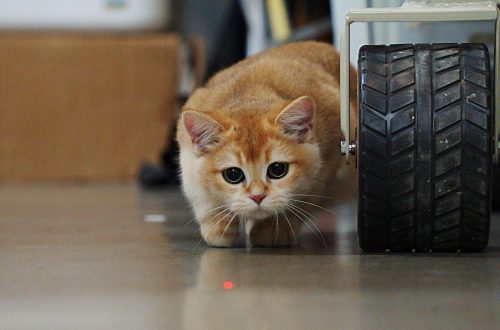
When your pet perks up, pauses, or moves toward a door after hearing a faint noise, you are seeing their sharp hearing at work. Dogs can detect higher frequencies than you, and cats quickly pick up vibrations through floors and walls. These reactions often happen before you even notice anything unusual.
By responding early, your pet gives you time to pay attention to what is happening nearby. Even if the sound turns out to be harmless, their quick response helps you stay aware of activity outside or within your home, adding a quiet layer of vigilance you may not realize is there. Over time, you may start to recognize patterns in how your pet reacts to certain sounds, which can help you distinguish between normal background noise and something that deserves a closer look.
2. Watching entry points like doors and windows
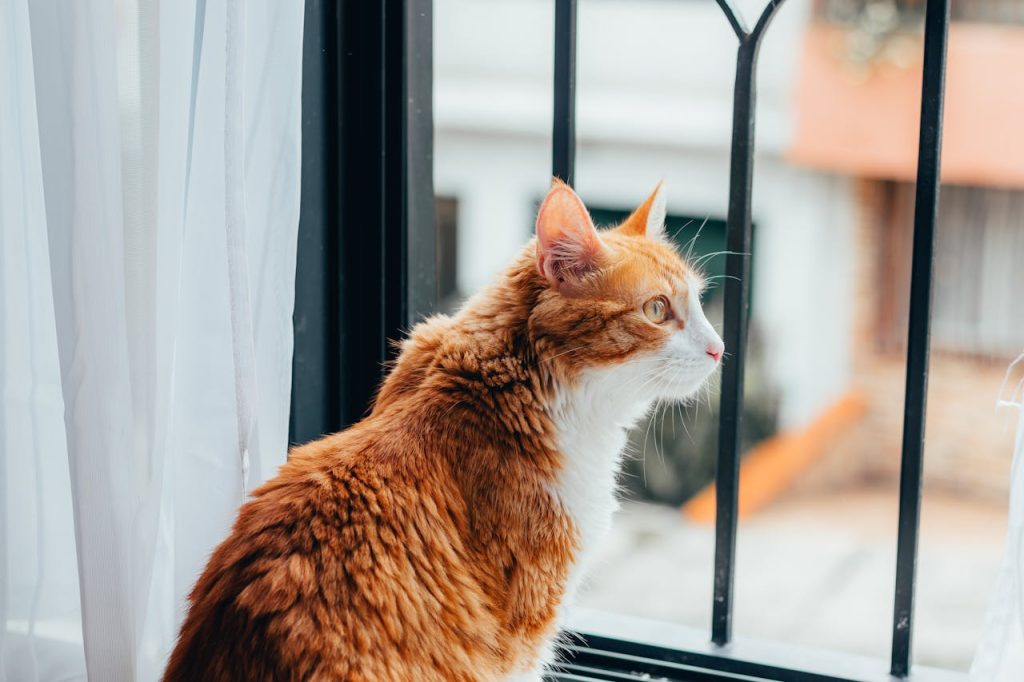
You might notice your pet spending time near doors, hallways, or windows, calmly observing movement outside. This behavior comes from territorial instincts that encourage them to monitor spaces where changes are most likely to occur. They naturally track who comes and goes.
When your pet keeps an eye on these areas, you benefit from an extra set of senses focused on potential disruptions. Their presence alone can deter unwanted visitors, and their attention often signals to you when something unfamiliar is happening near your home. Over time, you learn to trust these quiet, watchful moments as gentle reminders to stay aware of your surroundings.
3. Reacting to changes in your routine
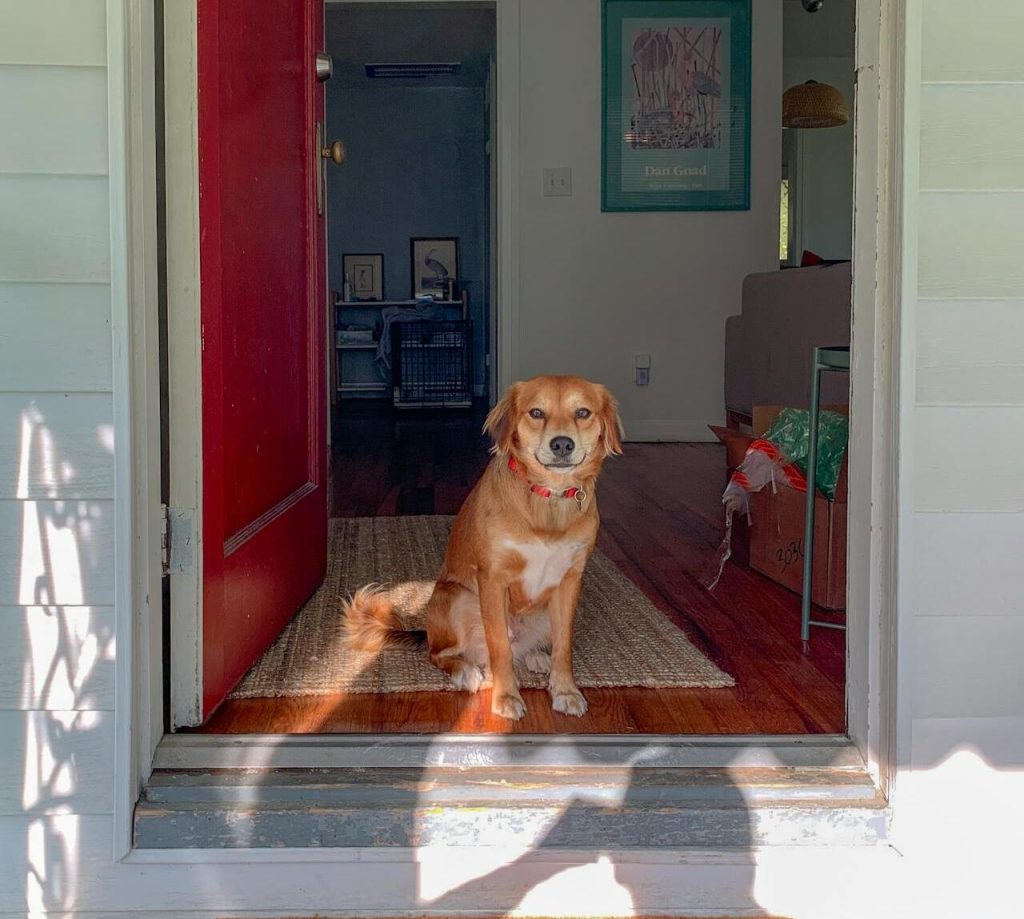
Pets quickly learn your daily patterns, from when you wake up to when you return home. If something feels different, such as a delayed arrival or unusual activity, they often show curiosity or concern. This sensitivity helps them notice when situations are out of the ordinary.
By responding to these changes, your pet encourages you to stay mindful of your environment. Their behavior can prompt you to double check doors, notice forgotten tasks, or simply remain aware when your normal rhythm shifts, which can indirectly support your household’s safety. You may even find that their reactions help you catch small oversights before they turn into bigger problems. Pets quickly learn your daily patterns, from when you wake up to when you return home. If something feels different, such as a delayed arrival or unusual activity, they often show curiosity or concern. This sensitivity helps them notice when situations are out of the ordinary.
4. Sensing emotional tension
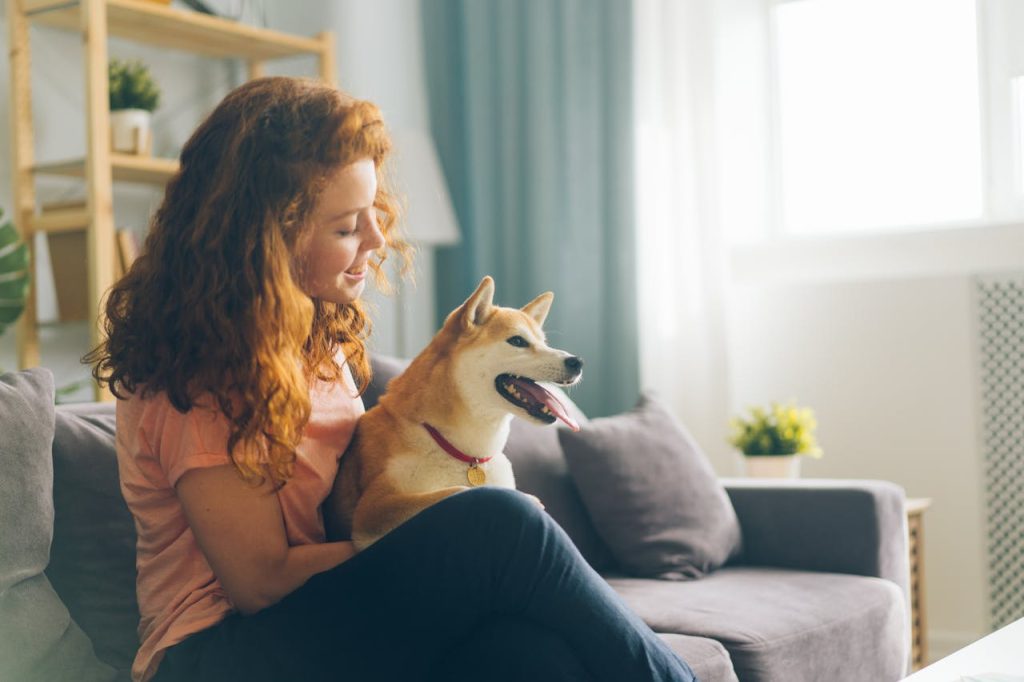
You may have seen your pet become attentive or clingy when you feel stressed or uneasy. Animals are skilled at reading body language, tone of voice, and subtle cues. They often respond to emotional tension before you fully recognize it yourself.
This awareness can be protective because your pet’s reaction encourages you to pause and assess what is happening around you. When they stay close or watchful, they can provide comfort while also helping you stay alert to situations that might require extra attention or caution. Their steady presence can ground you, making it easier to respond thoughtfully rather than react impulsively.
5. Creating a visible presence
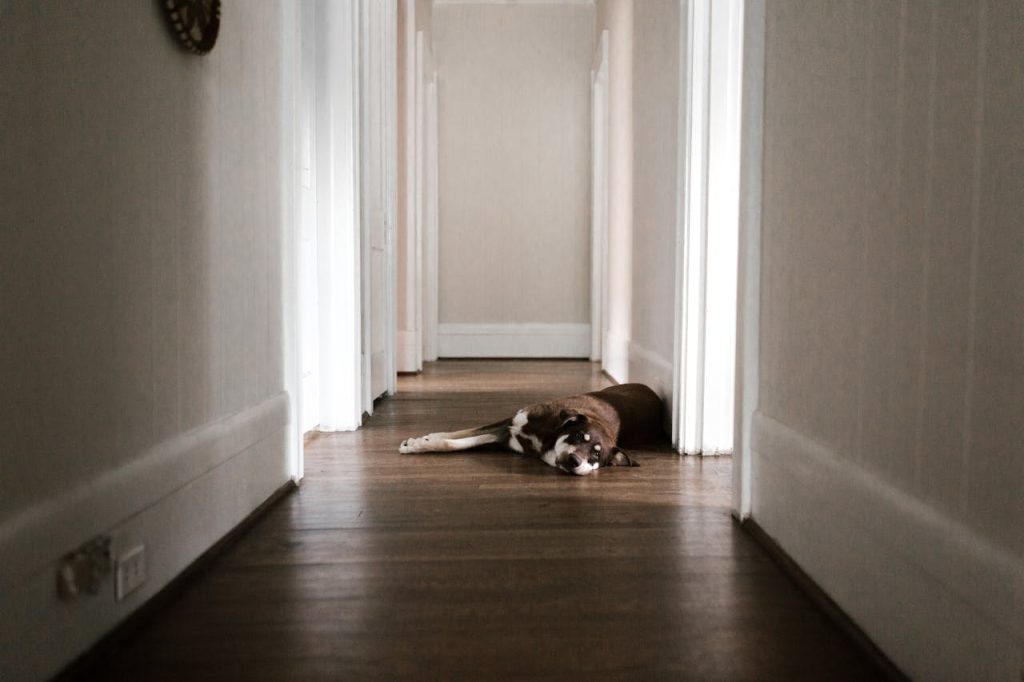
Simply having a pet moving around your home sends a signal that the space is occupied. The sounds of footsteps, tags, or occasional barking can discourage unwanted attention from outsiders who prefer empty environments. Your pet naturally contributes to this impression without any training.
Their visible presence, whether resting near an entrance or exploring rooms, reinforces the idea that someone is always nearby. This subtle effect can reduce risks while giving you peace of mind, even when you are not actively thinking about security. You may not notice it day to day, but this constant activity quietly strengthens the sense that your home is watched and lived in.
6. Investigating unusual objects or smells

When something new appears in your home, your pet often approaches to sniff, inspect, or observe. Their strong sense of smell allows them to detect unfamiliar scents that you might miss, including subtle environmental changes or items brought in from outside.
This curiosity acts as an informal check on your surroundings. By drawing your attention to new objects or lingering odors, your pet encourages you to stay aware of what enters your space, helping you notice anything that seems out of place. You might find that their interest prompts you to take a closer look and confirm everything is as it should be. Over time, this habit builds a shared awareness that helps you keep track of changes in your home more easily.
7. Staying alert during quiet hours

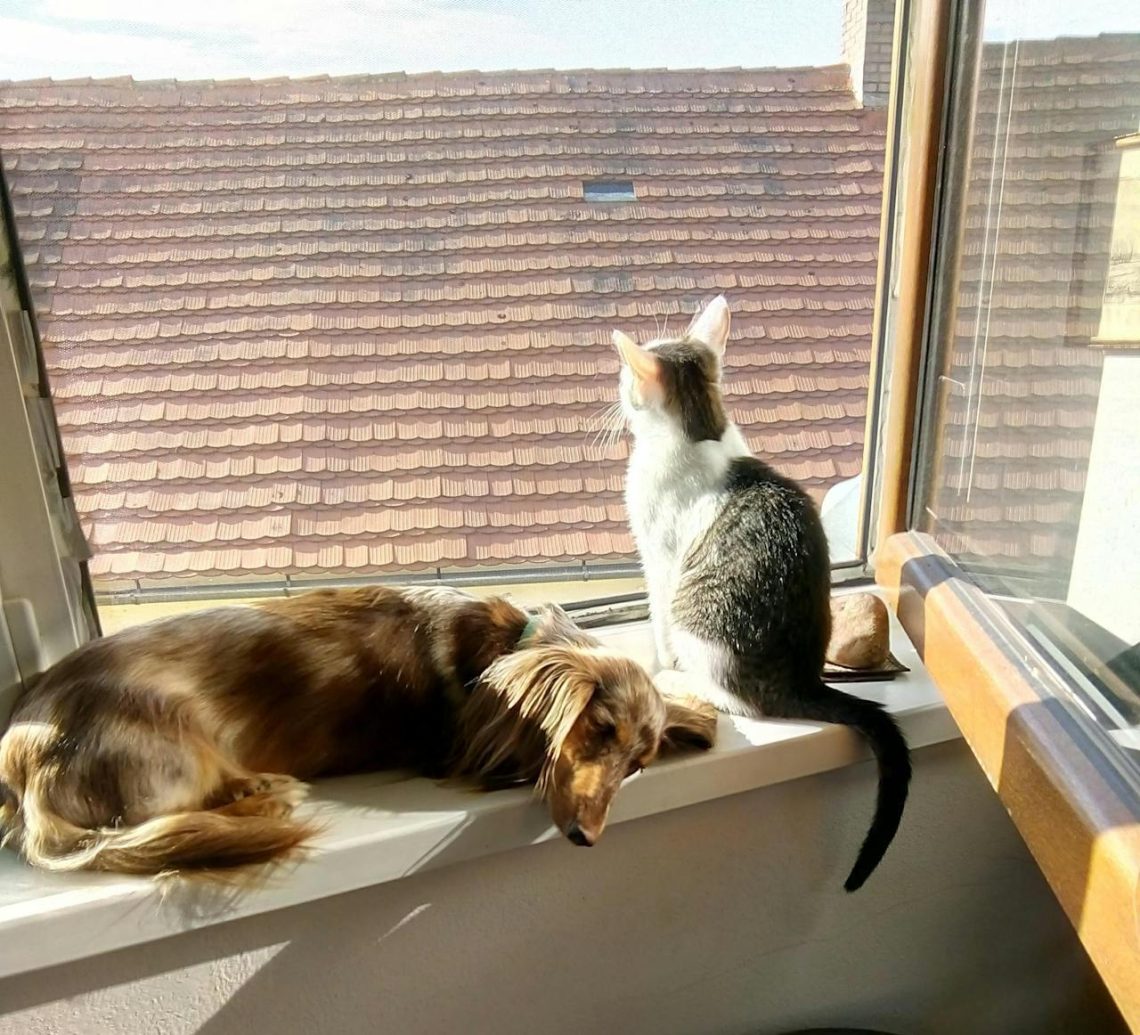
While you sleep or relax, your pet often remains partially attentive to sounds and movement. Many animals naturally cycle between rest and watchfulness, which means they can respond quickly if something unusual occurs during the night or early morning.
Their readiness provides an added sense of security because they can react before you fully wake. Whether it is a soft noise or unexpected movement, your pet’s alertness helps ensure that your home does not go completely unmonitored during quieter moments. You may notice subtle shifts like a lifted head or quiet movement that signal they are checking their surroundings.