

You probably reach for your phone without thinking. Messages, news, and endless scrolling fill small gaps in your day until quiet moments feel unfamiliar. Research from groups like the American Psychological Association suggests constant connectivity can raise stress and reduce focus, while the World Health Organization highlights the value of rest and balance. Stepping back does not mean disappearing from your world. It means choosing how you spend attention so you feel present instead of pulled in every direction.
A thoughtful digital reset helps you notice what actually matters. You keep the benefits of technology while giving your mind room to breathe, reflect, and reconnect with daily life.
1. Start with short screen-free windows

Pick one or two small blocks of time each day when you put devices away completely. You might choose breakfast or the first half hour after work. Keeping the window short makes the change feel manageable instead of restrictive.
During that time, focus on something tangible like eating slowly or stepping outside. You train your brain to tolerate quiet without feeling cut off. Over time, these small breaks build confidence that you can step away without missing anything important. You begin to notice details you usually overlook, like your surroundings or your thoughts settling. These moments remind you that constant input is not necessary to feel engaged.
2. Turn off nonessential notifications
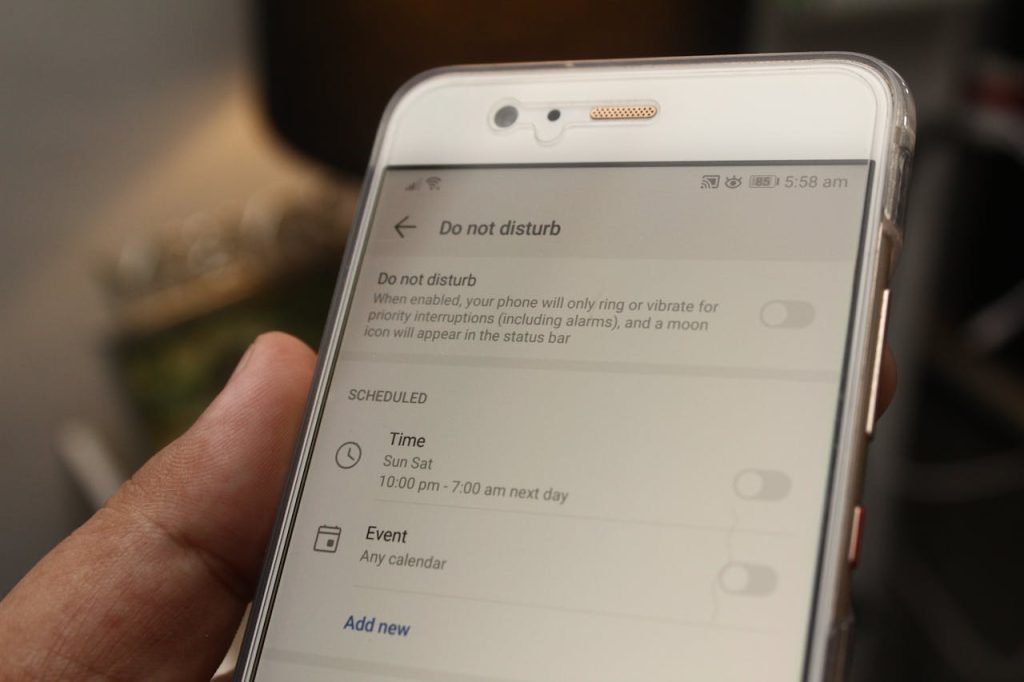
Every buzz pulls your attention, whether you realize it or not. Review your notification settings and keep only what truly requires a timely response, such as direct messages or calendar alerts.
Once the noise fades, you notice how much mental space opens up. You stop reacting to every update and start deciding when to check in. This simple shift reduces stress and helps you stay engaged with whatever you are doing in the moment. You regain a sense of control over your day instead of feeling constantly interrupted. With fewer alerts, you find it easier to focus deeply and finish tasks with less effort.
3. Create a phone parking spot at home

Choose a place where your phone rests when you are not actively using it. A small tray or shelf works well because it turns putting the device down into a deliberate action. You break the habit of carrying it everywhere, especially during meals or conversations.
Having a physical spot makes it easier to stay present and signals to others that your attention is available. It also reduces the urge to check your screen out of routine. Over time, reaching for your phone becomes a conscious choice instead of a reflex. You may notice conversations feel more relaxed and uninterrupted. This simple boundary helps you separate connection from constant availability.
4. Replace scrolling with a clear alternative

If you simply remove screen time, you may feel restless. Decide in advance what you will do instead, like reading a few pages, stretching, or making tea. A clear substitute keeps the transition smooth.
You still get a sense of reward, just without the endless feed. Over time, your brain starts associating breaks with activities that restore energy rather than drain it, making the change feel natural rather than forced. You give your mind a clear signal that pauses are meant for renewal. Small rituals can turn these moments into something you look forward to. With repetition, the urge to scroll gradually loses its pull.
5. Set a gentle evening cutoff

Choose a consistent time when you stop checking email or social apps. Even shifting back by thirty minutes can improve how you wind down at night.
Lower evening stimulation supports better sleep, something sleep researchers consistently emphasize. You give your mind space to settle, which can make mornings feel calmer and more focused without requiring drastic changes to your routine. Turning off screens signals your brain that the day is ending. You start to notice small improvements in mood and energy the next day. Even brief digital-free evenings can reduce stress and racing thoughts. These moments help you reclaim a sense of control over your time.
6. Audit the apps you actually value

Scroll through your apps and ask yourself which ones truly serve a purpose. Delete or hide anything that mainly fills time without adding value. This process clarifies what you want technology to do for you. You reduce clutter and make intentional choices about where your attention goes.
Many people find that a simpler home screen reduces mindless checking almost immediately. Fewer apps mean fewer distractions competing for your attention each day. You create space to focus on tasks that actually matter. You start to notice how often you used to reach for your phone out of habit. Making these choices regularly reinforces control over your digital environment.
7. Try one device-free activity each week

Pick an activity that naturally keeps your hands and mind engaged, such as cooking, walking, or working on a hobby. Commit to doing it without bringing your phone along. You rediscover the feeling of being absorbed in something without interruption.
These experiences build confidence that you can enjoy time offline and still feel connected to your surroundings and the people around you. Regular practice strengthens your ability to focus without digital crutches. You notice small details and sensations that often go overlooked. Time offline becomes refreshing rather than uncomfortable or wasted. This habit gradually makes unplugging feel natural instead of forced.
8. Communicate your boundaries clearly

Let friends or colleagues know when you might be slower to respond. A quick explanation prevents misunderstandings and reduces pressure to stay constantly available. Most people respect clear expectations. You create space to focus without worrying that silence will be misinterpreted.
This step reinforces that stepping back is a healthy choice rather than a withdrawal. Clear communication also reduces anxiety about missing important messages. You set boundaries that support long-term focus and well-being. Others learn to respect your offline time, which strengthens relationships. Over time, this makes digital detoxing feel normal instead of disruptive.
9. Reflect on how you feel after changes

Take a moment each week to notice shifts in mood, focus, or energy. You might jot down a few observations or simply check in mentally. Reflection helps you see what works and adjust without judgment. Recognizing benefits like calmer evenings or deeper concentration reinforces the habit and keeps you motivated to maintain a healthier relationship with your devices.
You start to identify patterns in what triggers stress or distraction. Noticing small wins makes the process feel rewarding rather than tedious. Reflection strengthens your ability to stay intentional with screen use. Over time, these insights help you create a digital routine that truly supports your well-being.