
Millennials grew up during a golden age of gaming, a time when cartridges ruled, LAN cables stretched across bedrooms, and the sound of a startup screen meant hours of adventure ahead. Video games weren’t just something we played; they shaped our friendships, fueled playground debates, and defined entire phases of childhood. From split-screen battles to early online worlds, these titles created shared experiences that still spark nostalgia today. Here are 11 video games that didn’t just entertain a generation, they helped define what it meant to grow up millennial, before smartphones and social media changed everything.
1. Super Mario 64
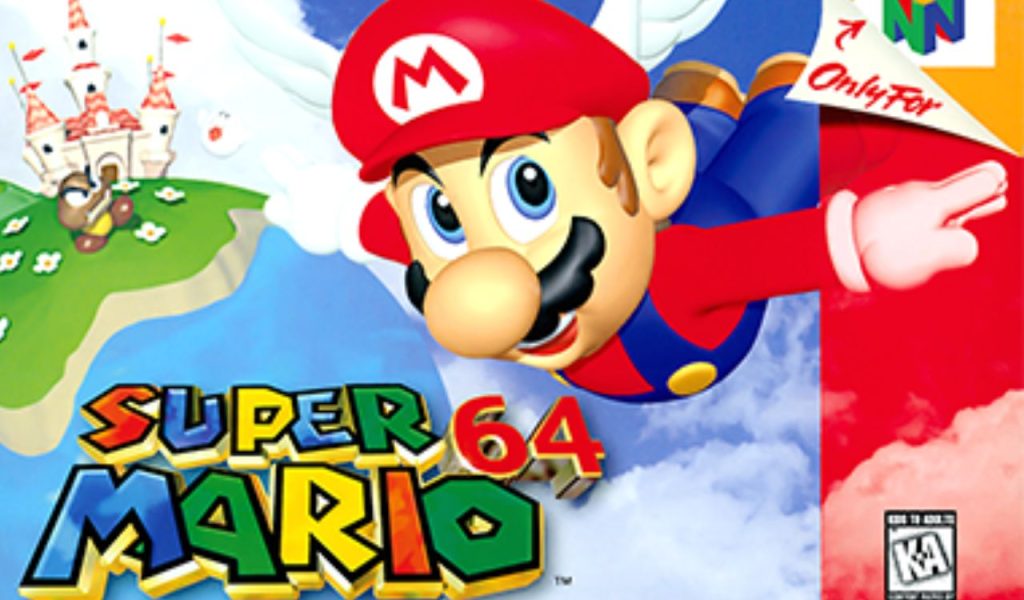
When Super Mario 64 launched on the Nintendo 64, it felt like stepping into the future. For many millennials, this was their first experience exploring a fully 3D world. Peach’s Castle wasn’t just a hub, it was a playground filled with secrets, hidden stars, and paintings that transported players to vibrant new lands. Mastering the analog stick, perfecting long jumps, and racing Koopa the Quick became after-school rituals. It set the standard for 3D platformers and showed what gaming could become in a new dimension, inspiring countless future classics and redefining adventure for a generation of players.
2. Pokémon Red and Blue
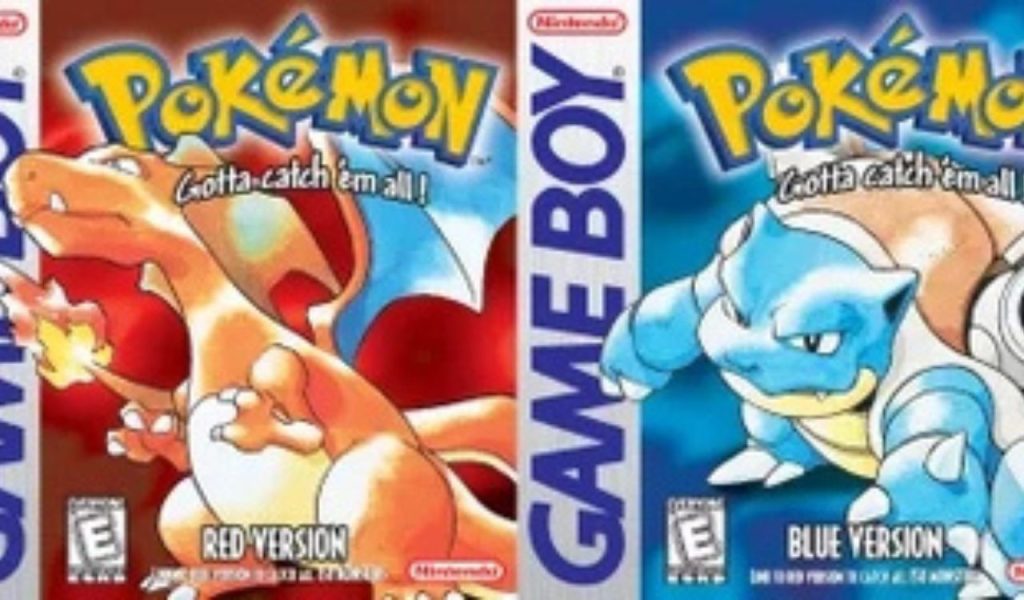
Few games captured playground culture like Pokémon Red and Blue. The original 151 Pokémon became instant icons, and choosing between Charmander, Squirtle, or Bulbasaur felt like a life decision. Trading through the Game Boy link cable turned recess into a marketplace of strategy and negotiation. Rumors of secret glitches and hidden Pokémon spread like wildfire. Beyond battles and gym badges, the games created a shared language for a generation one built on collecting, competing, and the dream of catching them all, shaping pop culture for years to come and launching a global phenomenon that still thrives today.
3. The Legend of Zelda: Ocarina of Time
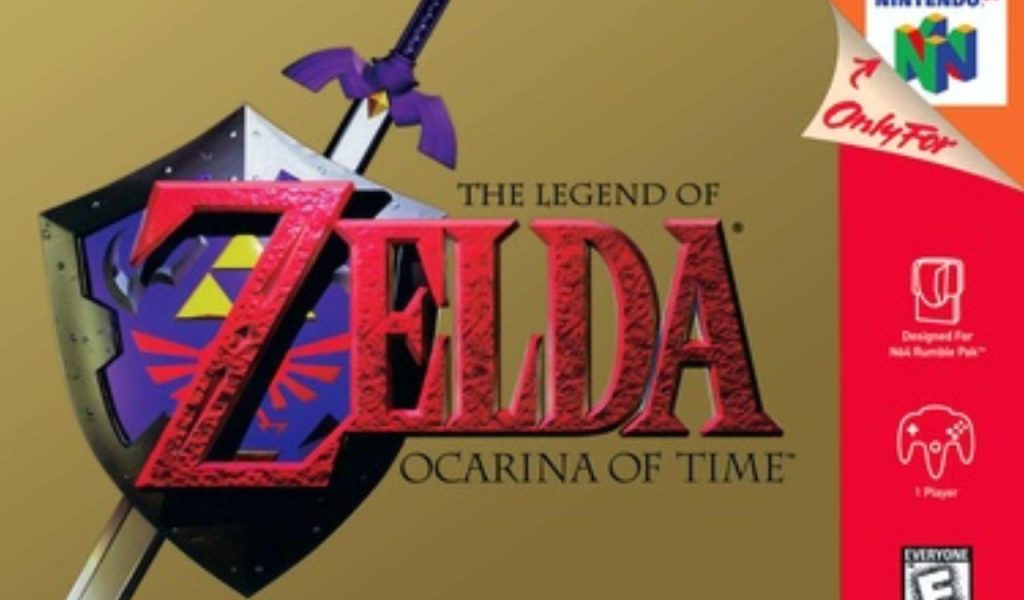
When The Legend of Zelda: Ocarina of Time arrived on the Nintendo 64, it redefined what adventure games could be. Its sweeping story, cinematic cutscenes, and groundbreaking Z-targeting combat system made Hyrule feel alive and immersive. Players journeyed from childhood to adulthood alongside Link, exploring vast fields, eerie temples, and unforgettable dungeons like the Forest and Shadow Temples. The haunting ocarina melodies weren’t just gameplay mechanics, they were emotional anchors that deepened the experience. For many millennials, solving puzzles late into the night and uncovering hidden secrets felt magical.
4. GoldenEye 007
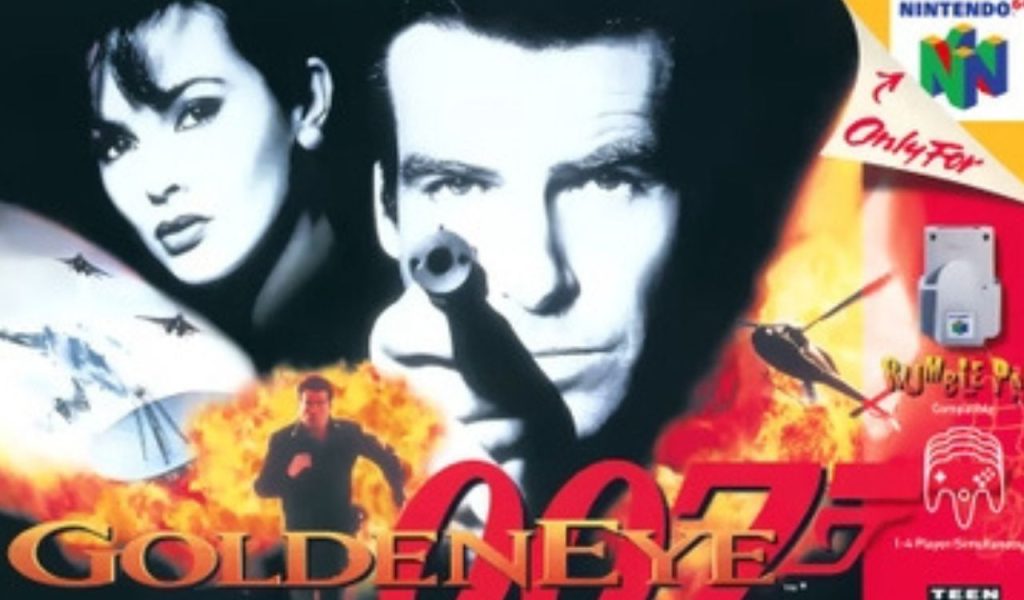
Before online multiplayer dominated consoles, GoldenEye 007 turned living rooms into battlegrounds. Its four-player split-screen mode became the centerpiece of sleepovers and weekend hangouts. Arguments over screen peeking, house rules banning Oddjob, and frantic matches on maps like Facility and Complex are etched into millennial memory. Beyond multiplayer, the single-player campaign blended stealth and action in a way that felt mature and cinematic. It showed that first-person shooters could thrive on consoles, paving the way for future blockbusters. For many, it wasn’t just a game, it was the birth of competitive couch gaming culture.
5. The Sims
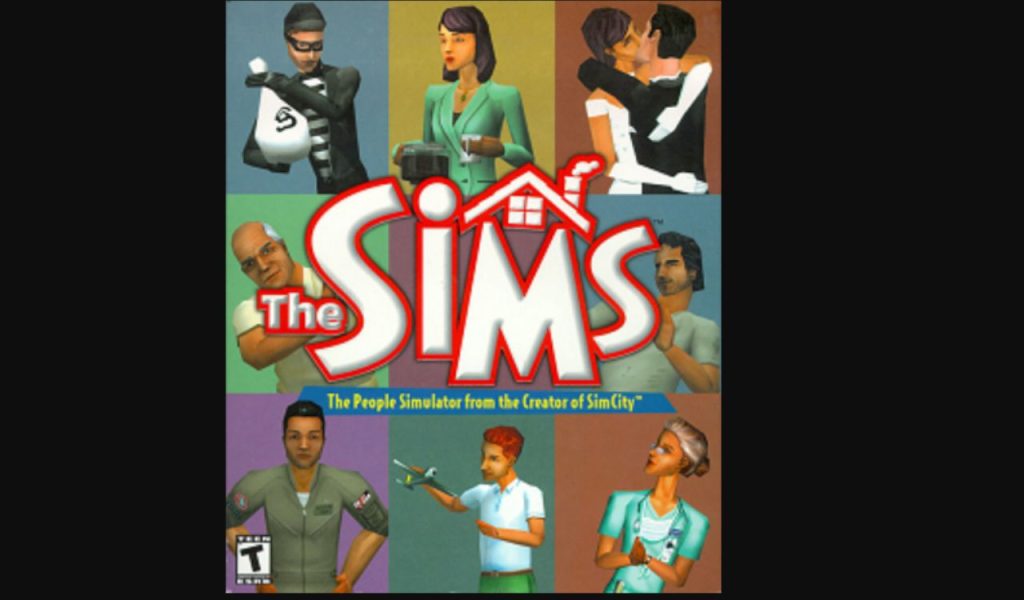
When The Sims launched in 2000, it offered something radically different from the action-heavy games dominating the market. Instead of saving the world, players designed houses, built relationships, and guided digital families through everyday life. Creating dream homes in Build Mode became just as addictive as managing careers and chaotic dinner parties. The quirky Simlish language and unpredictable AI made every session feel personal and often hilarious. Many millennials spent hours customizing characters or experimenting with the game’s open-ended systems. It encouraged creativity, storytelling, and even a bit of mischief.
6. Halo: Combat Evolved
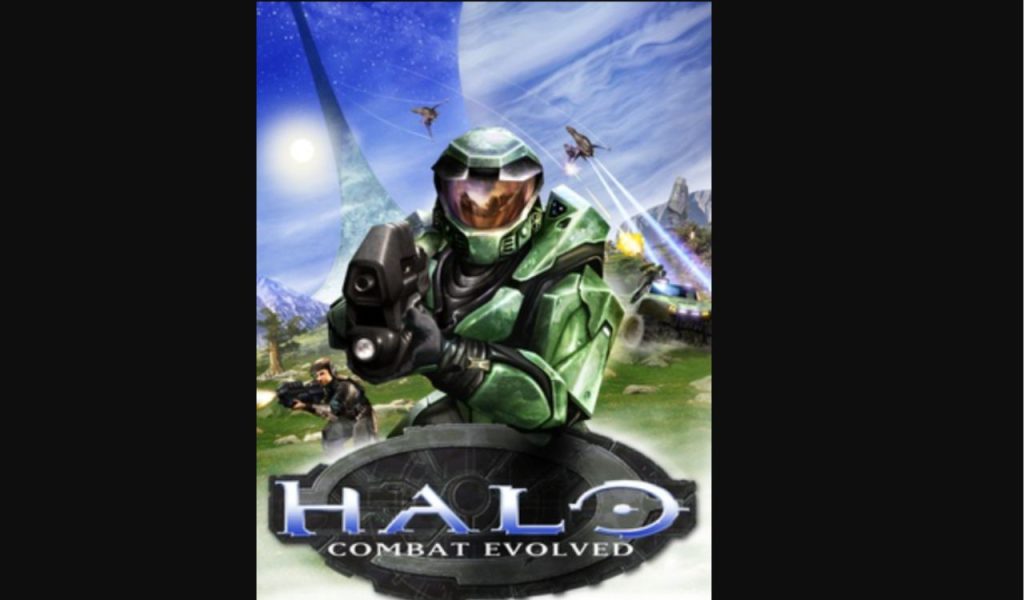
When Halo: Combat Evolved debuted alongside the original Xbox, it transformed console shooters forever. Its tight controls, regenerating shields, and expansive sci-fi campaign set a new benchmark for the genre. Players stepped into the armored boots of Master Chief, battling the Covenant across mysterious alien landscapes. But it was multiplayer that truly defined the experience. LAN parties with tangled Ethernet cables and system-link setups became legendary weekend events. Maps like Blood Gulch fostered rivalries and unforgettable clutch moments. For many millennials, Halo wasn’t just a game — it was a social ritual that strengthened friendships and ushered in a new era of competitive console gaming.
7. Grand Theft Auto: Vice City
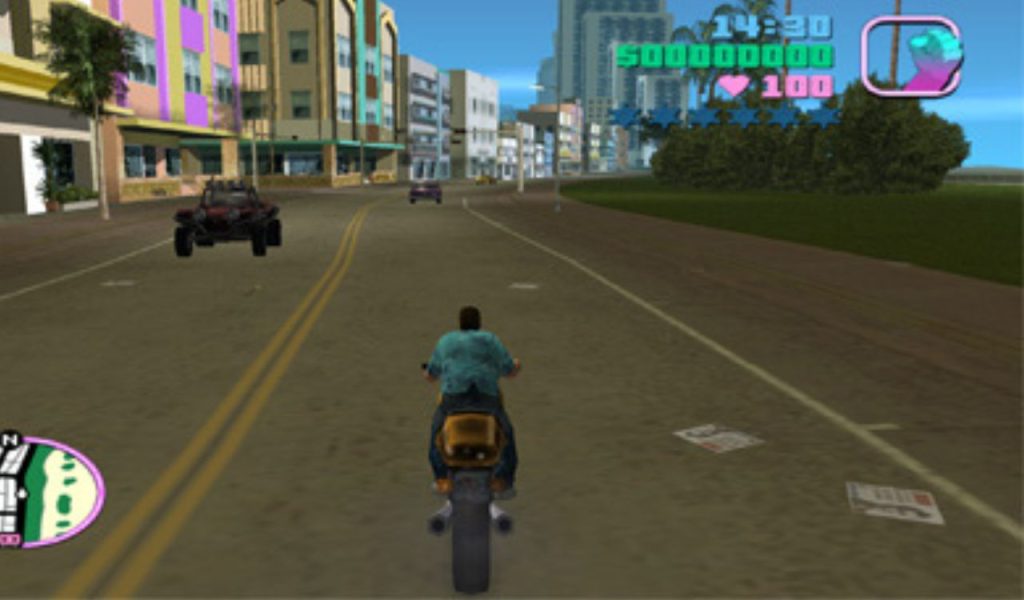
When Grand Theft Auto: Vice City arrived, it felt bold, rebellious, and undeniably cool. Set in a neon-soaked 1980s-inspired city, the game blended open-world freedom with a cinematic crime story that older millennials couldn’t stop talking about. Cruising down Ocean Drive to an iconic soundtrack, taking on missions for eccentric characters, and exploring every corner of the map gave players a sense of autonomy rarely seen before. It pushed boundaries with mature themes and expansive gameplay systems, proving that video games could rival blockbuster films in tone and scope. For many teens, it marked a shift toward more immersive, story-driven experiences.
8. World of Warcraft
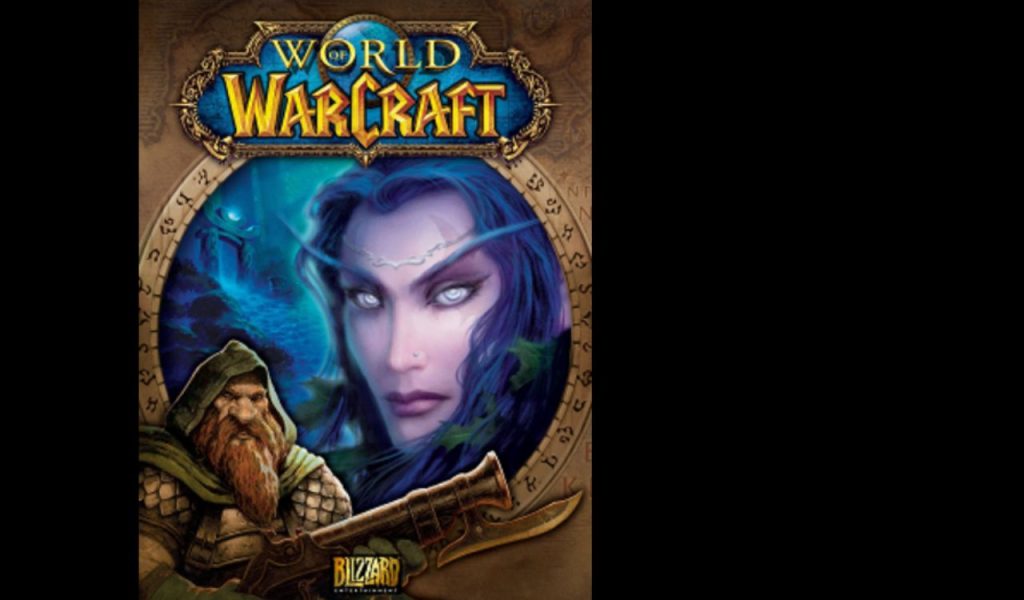
When World of Warcraft launched in 2004, it didn’t just introduce a game it introduced a second life. Azeroth became a digital home where players formed guilds, scheduled raids, and built friendships that often extended beyond the screen. Leveling characters, grinding for rare loot, and coordinating massive dungeon runs required teamwork and dedication. Late-night voice chats and shared victories created powerful social bonds. For many millennials, summers disappeared into epic quests and expansion launches. WoW defined the MMORPG era and demonstrated how online gaming could foster global communities, changing how players connected and collaborated in virtual worlds.
9. Mario Kart 64
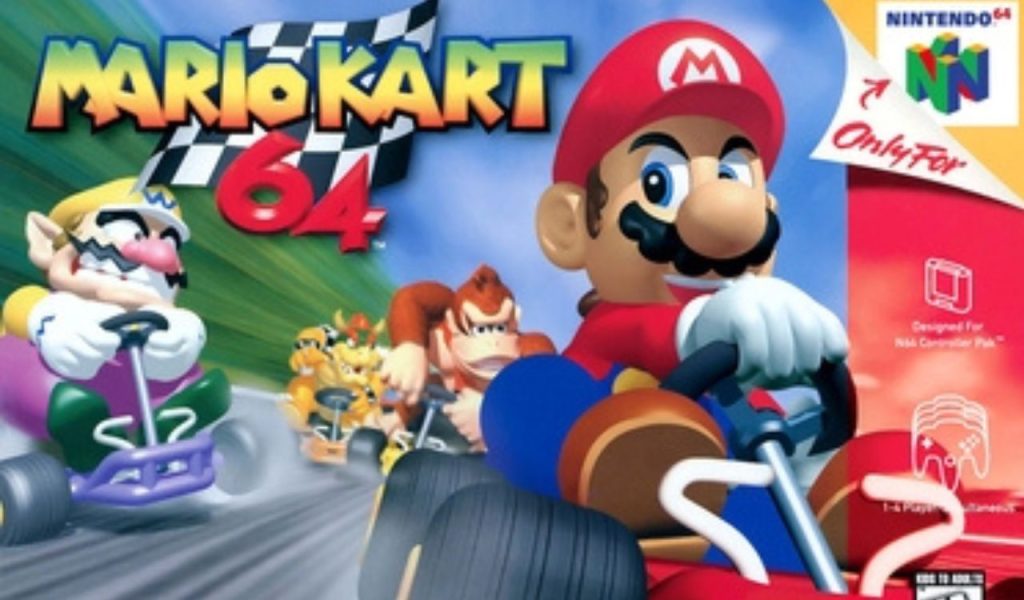
Few games captured the chaos of friendly competition like Mario Kart 64. Whether it was battle mode in Block Fort or high-stakes races on Rainbow Road, every match felt unpredictable and loud in the best way. Blue shells shattered first-place dreams, perfectly timed shortcuts sparked bragging rights, and friendships were tested with every last-lap overtake. The four-controller setup became a staple at birthday parties and family gatherings, turning living rooms into racetracks. Simple to pick up yet endlessly competitive, the game proved that multiplayer didn’t need complexity to be unforgettable. For many millennials, it defined couch gaming at its absolute peak.
10. Call of Duty 4: Modern Warfare
When Call of Duty 4: Modern Warfare launched in 2007, it ushered millennials into the era of online console gaming. Its modern setting, cinematic campaign, and tight gunplay felt grounded and intense. But it was multiplayer that truly changed everything. Custom loadouts, killstreak rewards, and the addictive Prestige system kept players logging in night after night. Xbox Live lobbies buzzed with competition, strategy, and trash talk. Maps like Crash and Shipment became battlegrounds etched into memory. For many young adults, this wasn’t just a shooter, it was a daily ritual that redefined competitive gaming and online communities.
11. Minecraft
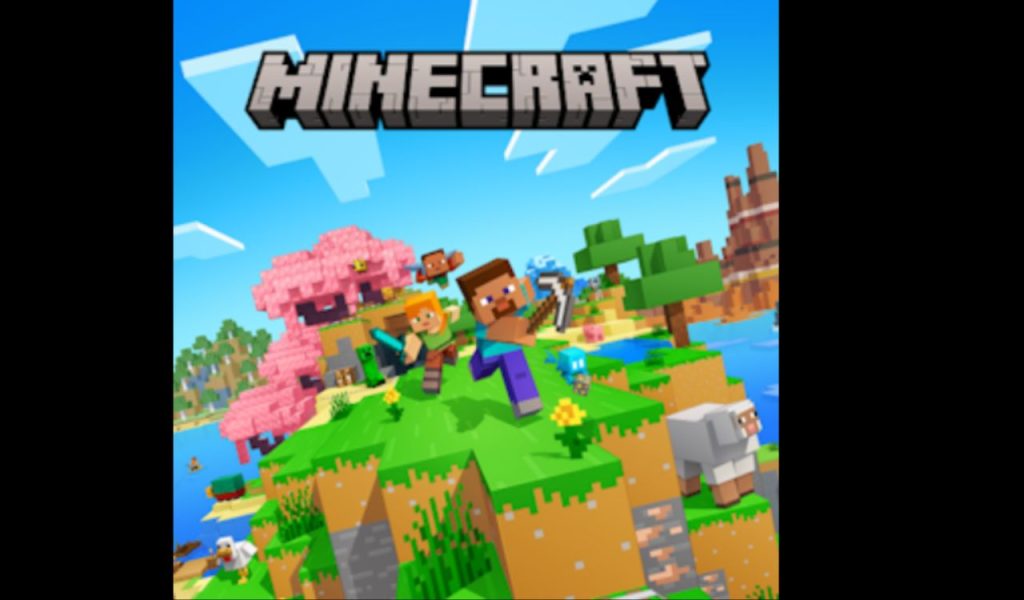
When Minecraft emerged in the early 2010s, it felt limitless in a way few games ever had. With its simple blocky graphics and open-ended design, it handed players the tools to build entire worlds from scratch. Whether surviving the first night against Creepers, digging deep for diamonds, or constructing massive castles with friends on multiplayer servers, every experience was uniquely personal. There were no strict objectives, only imagination and exploration. For many younger millennials, it marked a shift toward creativity-driven gameplay and community servers. More than just a game, Minecraft became a digital canvas where memories, friendships, and creativity could grow without boundaries.