
Watching your child grow confident is one of the most rewarding parts of parenting. Confident kids tackle challenges without fear, trust their abilities, and speak up when it matters. They take healthy risks and bounce back from setbacks with resilience. You notice it in small ways: how they approach new activities, solve problems, or interact with peers.
Confidence doesn’t mean perfection. It means they feel capable, supported, and ready to explore the world with curiosity and courage. You see it in the way they try new things on their own. It shows in how they trust themselves even when no one is watching.
1. They Speak Up for Themselves

A confident child expresses their needs, opinions, and feelings clearly. They don’t wait for someone else to speak for them or fear being dismissed. This doesn’t mean they are bossy, but they assert themselves respectfully and appropriately. They can ask questions in class, share ideas in a group, or say no when something doesn’t feel right.
Studies from the American Academy of Pediatrics link these communication skills with higher self-esteem and better problem-solving later in life. You’ll notice them standing up for themselves without seeking attention. They also listen to others and respond thoughtfully, balancing confidence with empathy.
2. They Handle Mistakes Without Panic
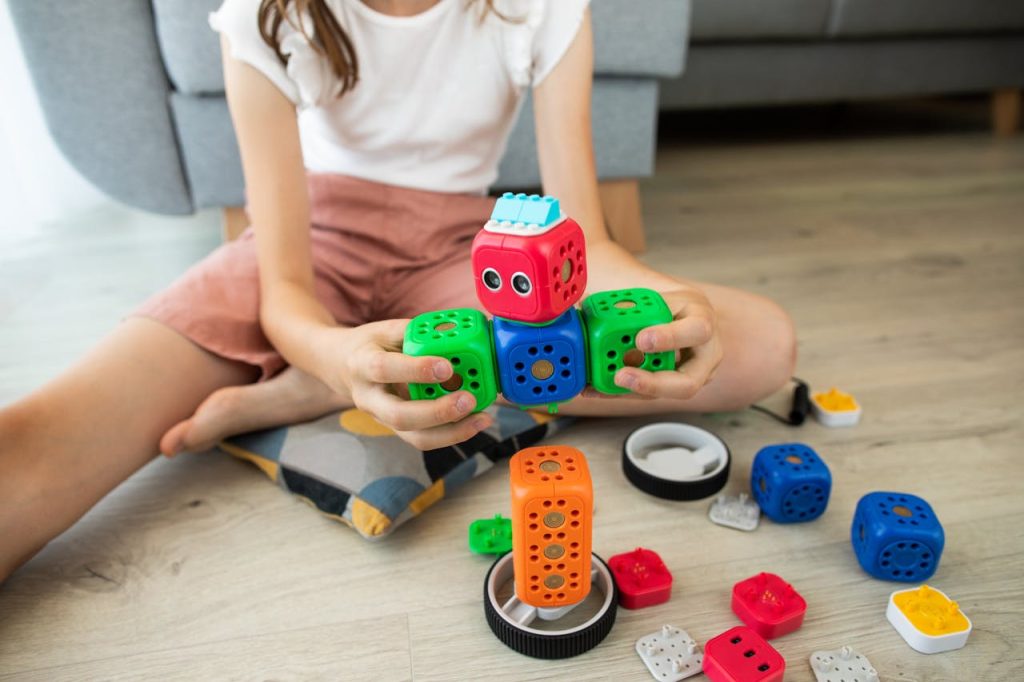
Confident kids see mistakes as opportunities to learn, not reasons to panic. When they fail at a task or forget something, they don’t crumble or hide. Instead, they ask what they can do differently next time. This mindset comes from secure support at home, where you emphasize effort and growth rather than perfection.
Over time, children who experience failure as part of learning develop resilience, persistence, and the courage to tackle challenges others might avoid. They try again without fear, knowing setbacks are temporary. They also reflect on what went wrong and celebrate small improvements along the way.
3. They Take Initiative

A child with confidence doesn’t wait for instructions for every task. They take initiative in small and big ways, from organizing a game with friends to volunteering for a classroom project. You’ll notice them suggesting solutions or trying something new without needing constant guidance.
Taking initiative reflects their belief in their ability to influence outcomes and shows they feel capable of contributing meaningfully. Encouraging this behavior strengthens independence and problem-solving skills over time. They also inspire others around them to get involved and take action. You’ll see them tackle new challenges without hesitation, trusting they can find a way.
4. They Show Curiosity

Curious children ask questions, explore new ideas, and dive into learning with enthusiasm. Confidence and curiosity go hand in hand because a confident child trusts that they can figure things out or ask for help if needed. You’ll see them investigating how things work, reading beyond their grade level, or experimenting with hobbies.
This fearless pursuit of knowledge develops creativity, critical thinking, and resilience. Curiosity signals they are ready to engage with the world actively rather than passively accepting it. They seek out new experiences even when unsure of the outcome. Their questions often spark conversations that teach everyone around them something new.
5. They Handle Peer Pressure Well
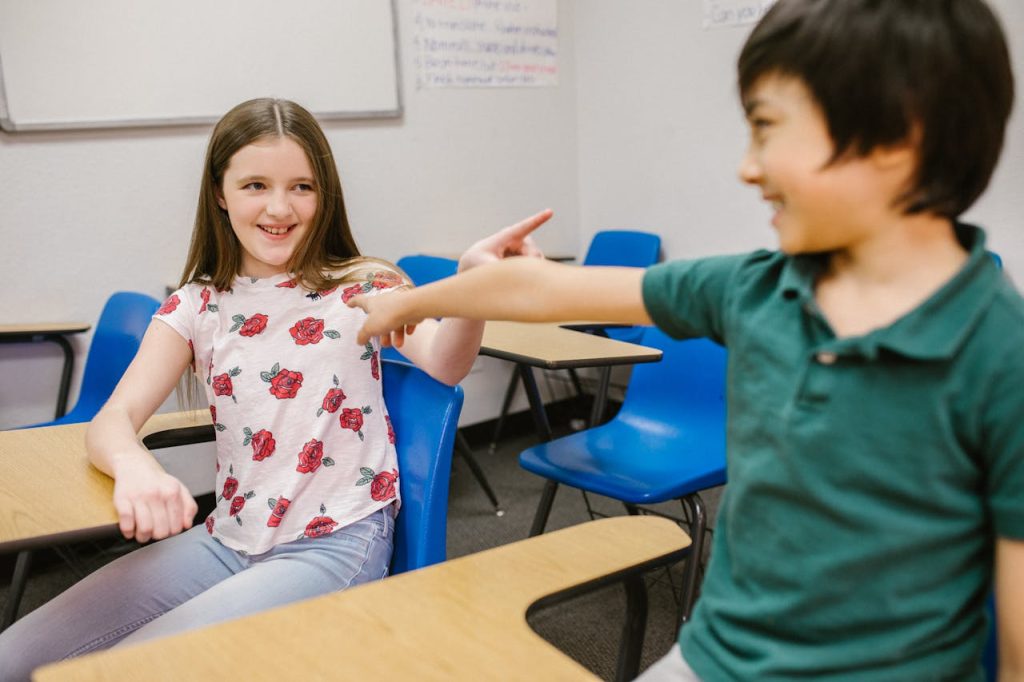
Confident kids are less likely to follow the crowd blindly. They evaluate situations and make choices aligned with their values, even if friends are doing something different. This doesn’t make them stubborn; it shows self-assurance and moral understanding.
Research from the Child Mind Institute shows that children with self-confidence are better at resisting negative peer pressure and making healthy decisions. By standing firm, they build integrity and learn that their voice and choices matter. You’ll notice them politely disagreeing when needed and explaining their reasoning. They make friends based on shared values rather than pressure.
6. They Adapt to New Situations

Confidence shows when a child enters unfamiliar environments and handles change without extreme stress. Whether it’s a new school, a sports team, or a social setting, they explore, ask questions, and engage with others rather than withdrawing. Adaptability stems from trusting their own abilities and knowing that challenges can be managed.
Children who adjust well tend to form friendships faster, navigate transitions smoothly, and feel empowered to seek opportunities rather than fearing the unknown. They quickly learn new routines and make thoughtful choices in unfamiliar settings. You’ll see them approach challenges with curiosity instead of hesitation, inspiring confidence in peers around them.
7. They Accept Compliments Gracefully

A confident child can accept praise without shrugging it off or feeling embarrassed. They understand their effort and accomplishments matter, but they also don’t boast. This balance of humility and pride reflects a healthy self-image. You’ll see them smile, say thank you, and continue trying new things without needing constant validation.
Research from developmental psychologists shows that children who handle recognition well tend to take on challenges and set higher personal goals, knowing their contributions are meaningful. They often encourage peers and celebrate others’ successes with genuine interest.
8. They Show Empathy and Leadership

Confidence doesn’t mean ignoring others; it often appears alongside empathy. Children who are self-assured notice feelings around them and help peers, step in when someone struggles, or mediate conflicts. This blend of leadership and compassion signals emotional intelligence.
Studies from Harvard’s Center on the Developing Child suggest that children with both confidence and empathy are better at teamwork, problem-solving, and navigating social challenges. Their ability to lead kindly makes them trusted and respected by friends and classmates. They inspire cooperation and set a positive example for those around them.
9. They Persist Through Challenges

A confident child doesn’t give up when tasks get tough. They approach challenges step by step, using problem-solving strategies instead of avoiding difficulty. Persistence reflects belief in one’s ability to succeed even after setbacks. You’ll notice them retrying a tricky puzzle, practicing a new skill, or tackling homework without constant supervision.
According to research from the University of Michigan, perseverance in childhood predicts resilience and success in adolescence and adulthood, making persistence a key sign of self-confidence. They celebrate small wins along the way, which motivates them to keep going.