
You think you understand the ocean. You picture sharks hunting, dolphins leaping, and fish moving in quiet schools. But once you look closer, the sea starts to feel stranger than science fiction. Creatures down there farm, punch, glow, change sex, and even stop aging. You are not just watching survival play out. You are watching an evolution experiment in real time.
What surprises you most is how deliberate many of these behaviors are. These animals are not acting on random instinct. They solve problems, defend territory, and adapt to pressure with tactics that rival anything on land. Marine biologists from institutions like the Smithsonian and NOAA continue to document behaviors that rewrite what you thought animals could do.
1. Pistol Shrimp
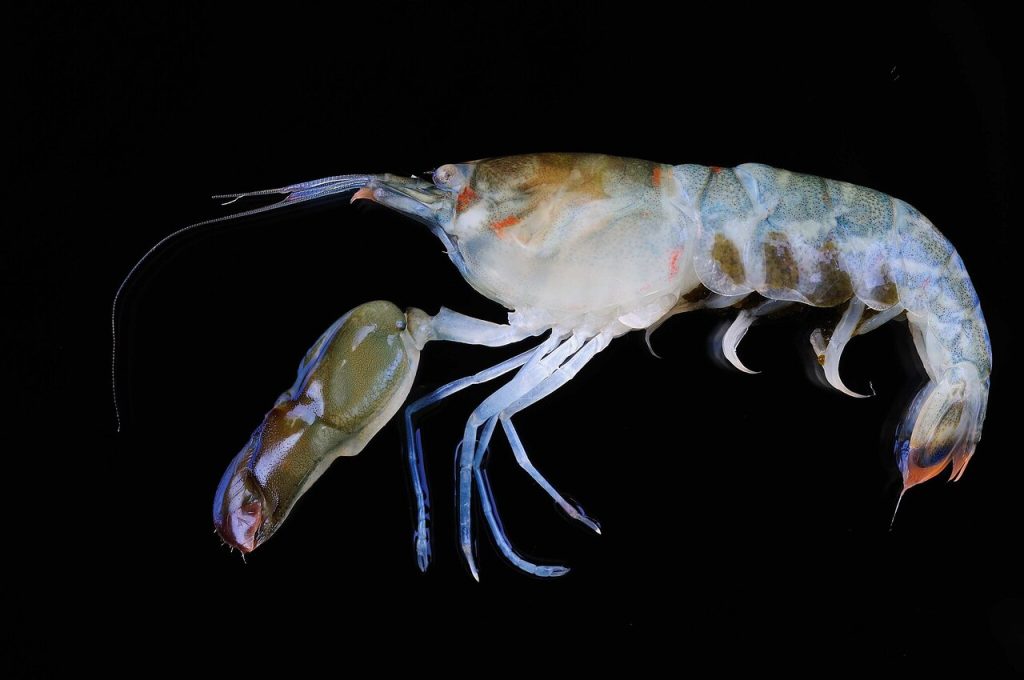
You expect a shrimp to be small and harmless. Instead, the pistol shrimp fires a bubble so powerful it briefly reaches temperatures near the surface of the sun. Researchers studying snapping shrimp have recorded shockwaves that stun or kill prey instantly. You are not hearing a simple click. You are hearing a collapsing cavitation bubble that produces light and extreme heat for a fraction of a second.
What makes this even stranger is that the shrimp uses this snap to defend territory and communicate. The sound can reach over 200 decibels underwater. According to studies published in marine biology journals and supported by NOAA observations, entire reefs can sound like crackling fire because of these snaps.
2. Clownfish
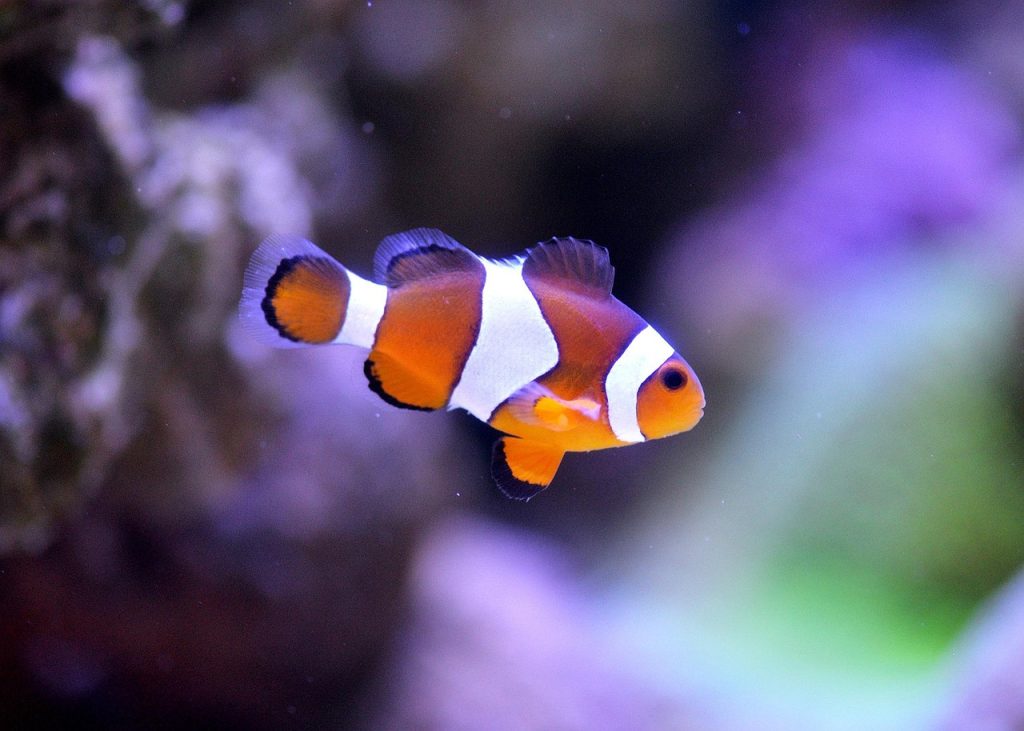
You may know clownfish from movies, but their real-life biology is even more surprising. All clownfish are born male. When the dominant female in a group dies, the largest male changes sex and becomes female. This transformation is not cosmetic. It involves full reproductive restructuring, documented in peer-reviewed marine research.
You are seeing one of the clearest examples of sequential hermaphroditism in vertebrates. The social hierarchy determines who changes and when. Scientists studying reef fish behavior have confirmed that hormone levels shift rapidly after the female disappears. Within weeks, the male becomes the breeding female. It is not random. It is a controlled biological response that keeps the group stable.
3. Mimic Octopus
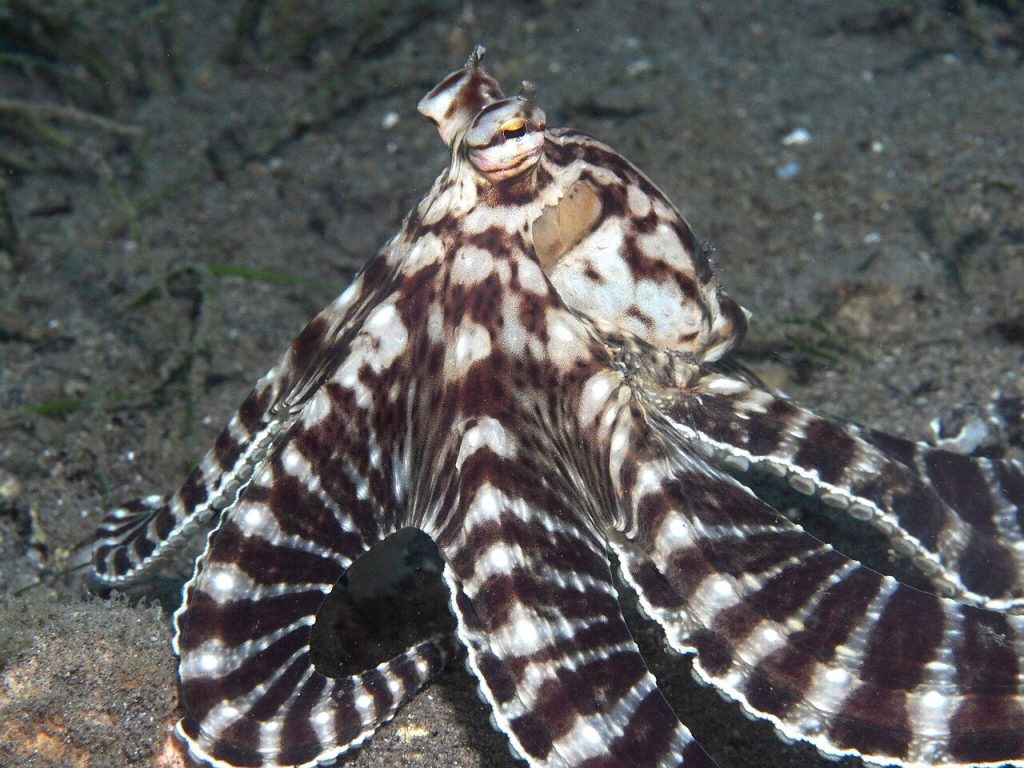
When you picture camouflage, you think of blending in. The mimic octopus goes further. It impersonates other animals entirely. Researchers first described this species in Indonesian waters in 1998. You can watch it flatten its body to resemble a sole, extend arms to mimic lionfish spines, or move like a sea snake.
What makes this remarkable is that the octopus appears to choose its disguise based on threat. Studies reported by marine biologists show it selects specific imitations depending on predators nearby. You are looking at a creature that does not just hide. It performs. That level of adaptive mimicry challenges how you think about intelligence in invertebrates.
4. Mantis Shrimp
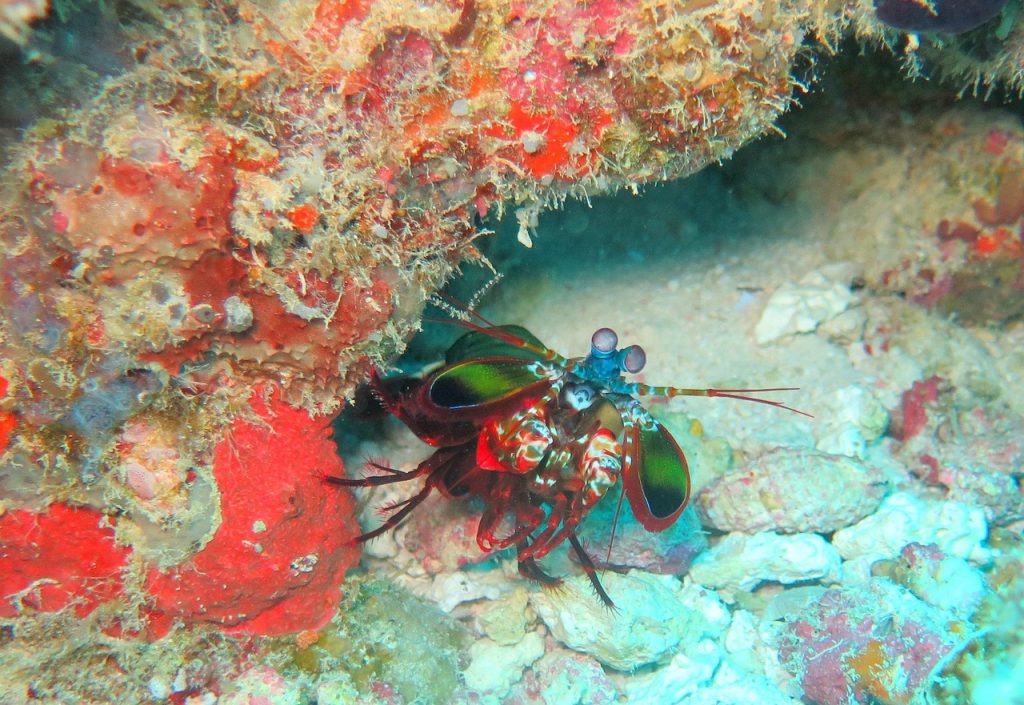
You might assume the mantis shrimp is just colorful. In reality, it throws one of the fastest punches in the animal kingdom. High-speed camera research shows its club can accelerate with the force of a bullet. The strike moves so fast it creates cavitation bubbles that add a second impact.
You are not dealing with brute force alone. The mantis shrimp also sees polarized light and a broader color spectrum than humans. Research from vision scientists studying stomatopods confirms their complex eyes contain more photoreceptor types than ours. This animal combines extreme vision with mechanical power, making it one of the ocean’s most formidable hunters.
5. Parrotfish
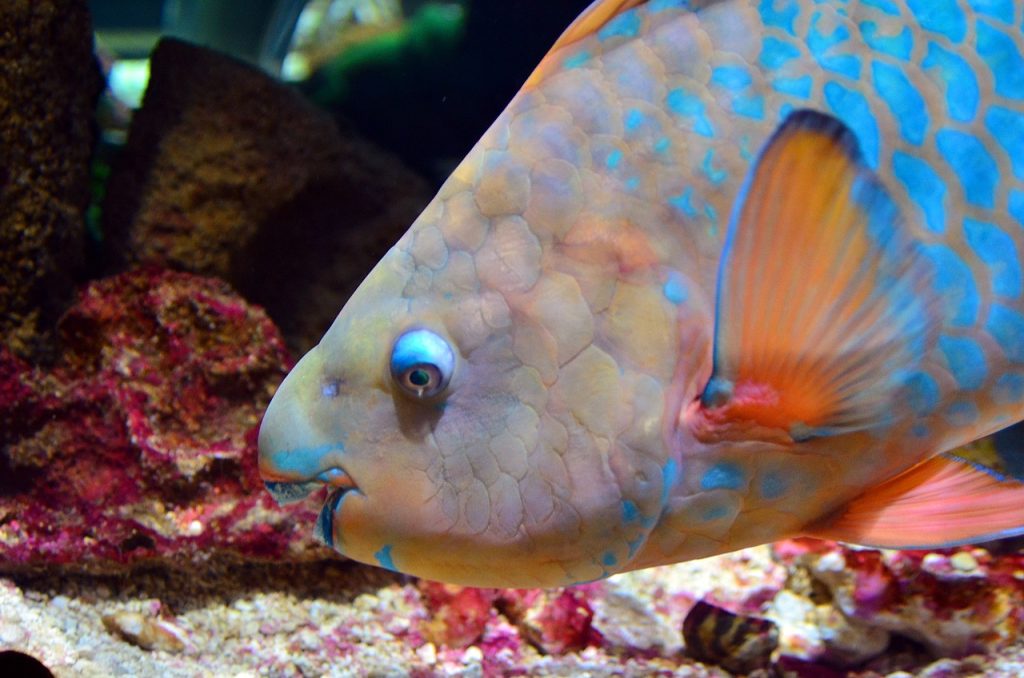
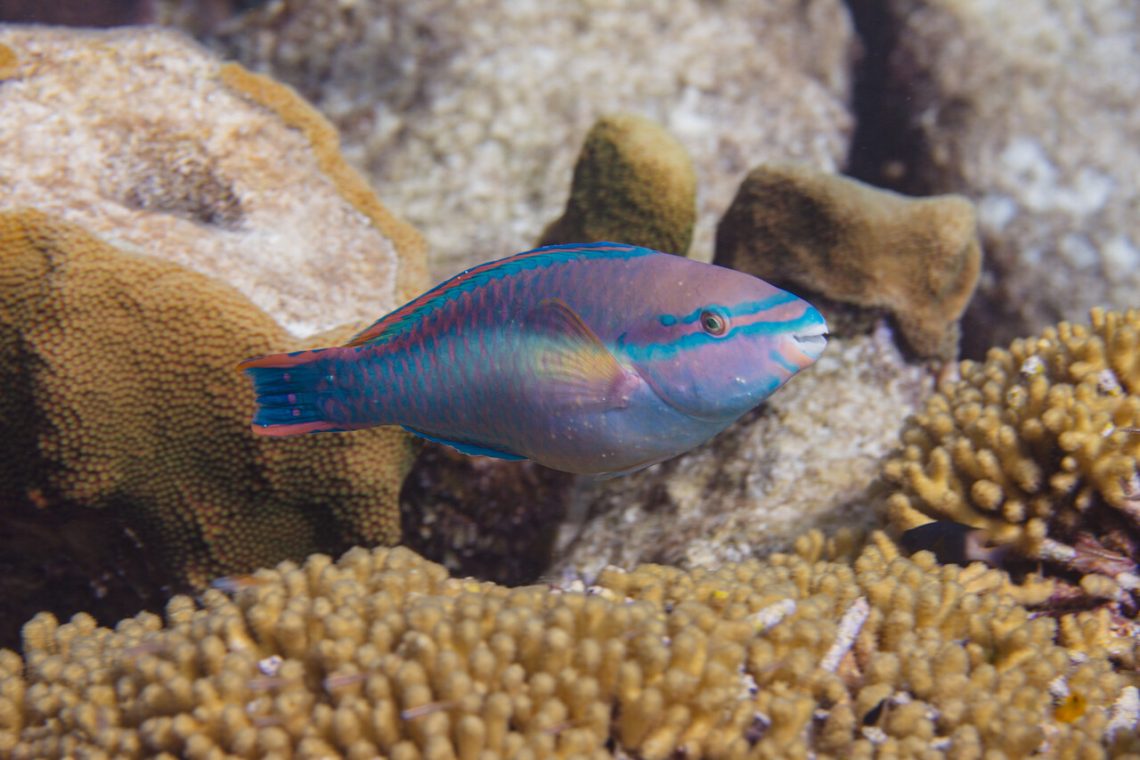
You would not expect a fish to shape beaches, but parrotfish do exactly that. They scrape algae from coral using beak-like teeth, grinding bits of coral in the process. What you walk on as white tropical sand often began inside a parrotfish.
Marine ecologists estimate that a single large parrotfish can produce hundreds of pounds of sand per year. Research from reef conservation groups and ocean institutes documents how critical this grazing is for coral health. You are watching a fish act as both landscaper and sanitation crew, preventing algae from overwhelming reefs while quietly building coastlines.
6. Immortal Jellyfish
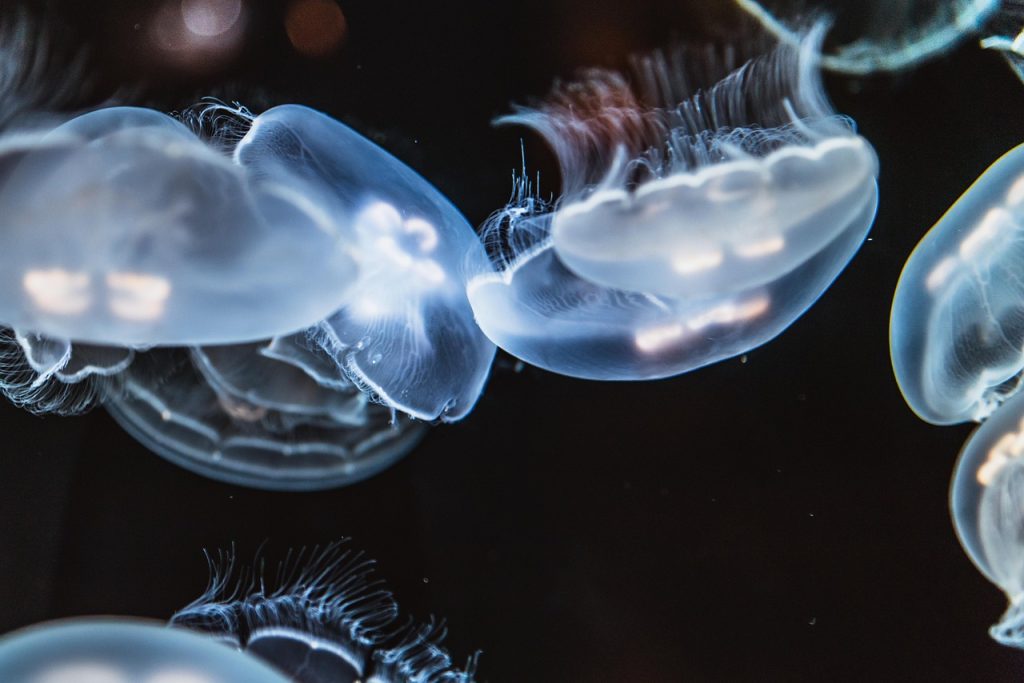
You assume aging is unavoidable. The so-called immortal jellyfish challenges that idea. When stressed or injured, it can revert its cells to an earlier life stage in a process called transdifferentiation. Documented in studies by marine biologists, this species can cycle back to its polyp form instead of dying.
You are not seeing true immortality. It can still be eaten or diseased. But biologically, it resets its clock. That ability has drawn attention from aging researchers studying cellular reprogramming. What looks like a fragile, drifting jelly becomes a case study in how life might bypass normal limits.
7. Cleaner Wrasse
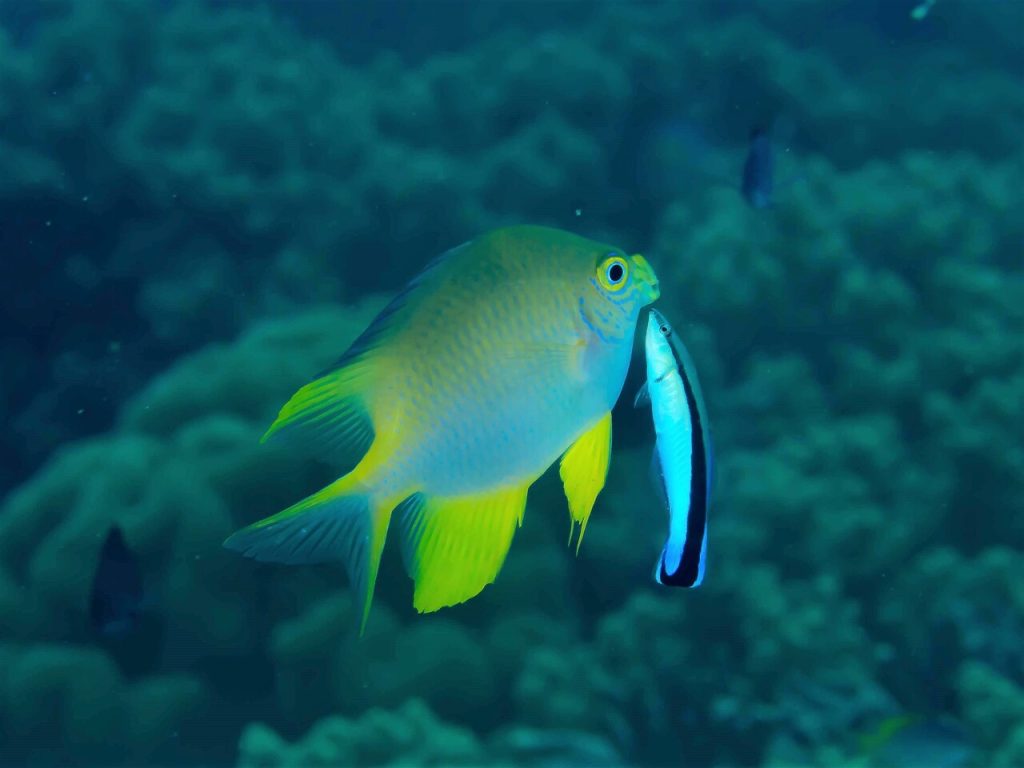
You may think fish interactions are simple. Cleaner wrasse prove otherwise. They set up cleaning stations where larger fish line up to have parasites removed. Divers have observed reef predators calmly waiting their turn instead of eating the cleaner.
Behavioral research has shown that cleaner wrasse can recognize individual clients and even adjust their behavior based on who is watching. Studies from marine behavior labs indicate they avoid cheating when other fish observe them. You are looking at social intelligence in a fish the size of your finger. Field experiments have also shown that when a cleaner takes a bite of healthy tissue instead of parasites, waiting fish may swim away or punish the offender. In response, cleaners often provide better service when competition is nearby.
8. Archerfish
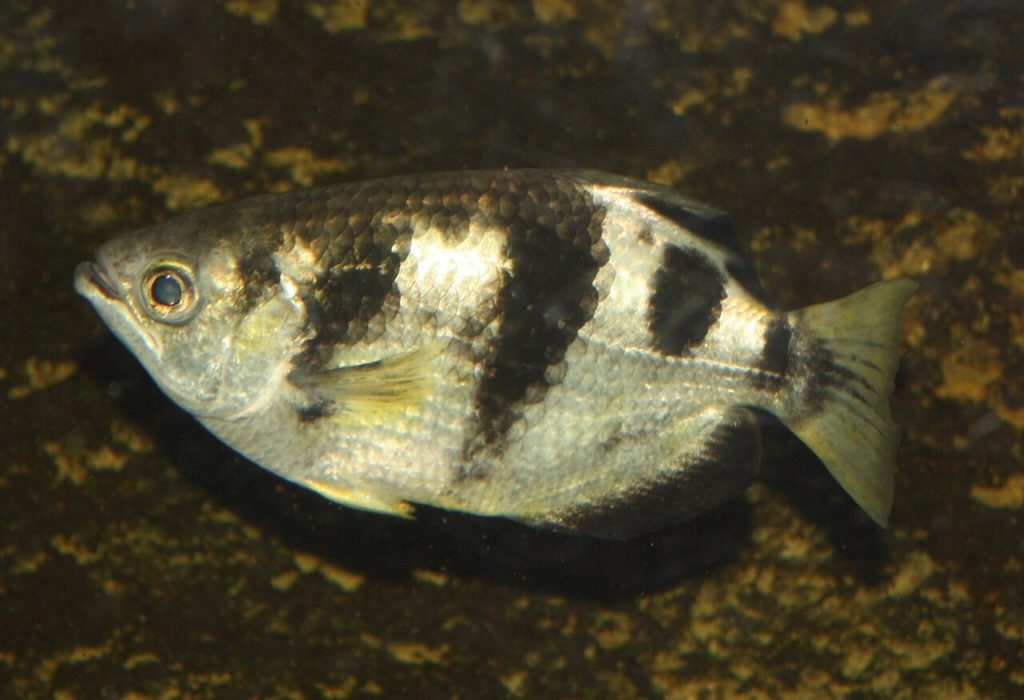
Hunting usually means chasing prey. Archerfish use water as a projectile. They shoot precise jets that knock insects off branches above the surface. Laboratory experiments have measured their accuracy and shown they adjust for light refraction when aiming.
You are watching applied physics in action. The fish calculates the distortion caused by the water and still hits moving targets. Researchers studying animal cognition have demonstrated that archerfish learn from experience and improve accuracy over time. This is not luck. It is a learned skill. Controlled studies have also found that archerfish can distinguish between different shapes and even recognize specific targets after training.
9. Sea Cucumbers
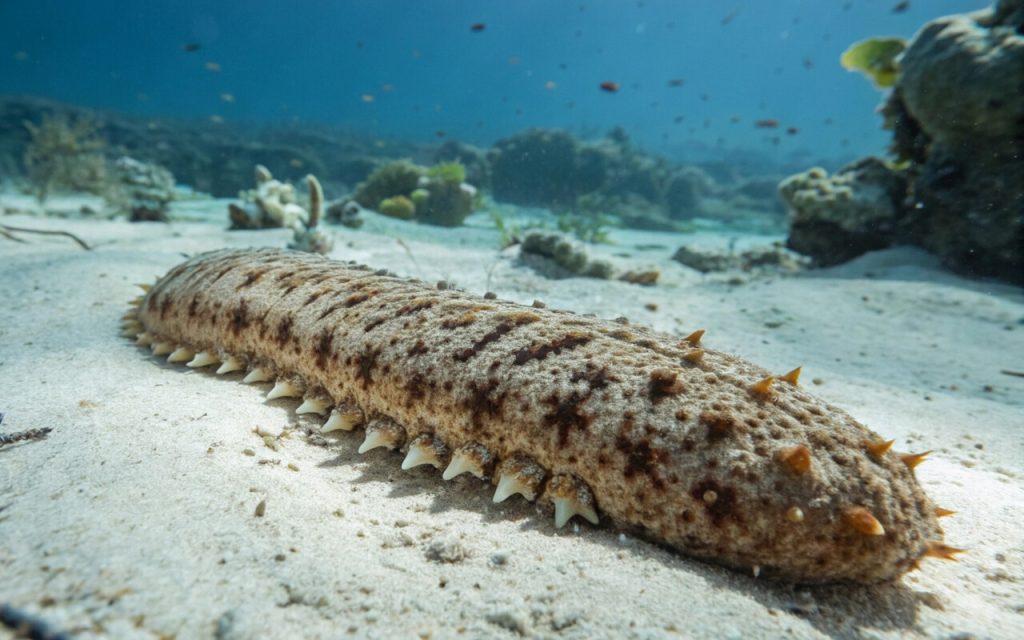
You might overlook a sea cucumber as slow and harmless. Under threat, some species eject internal organs to distract predators. This process, called evisceration, has been documented in marine invertebrate studies. Afterward, the animal regenerates the lost organs.
You are witnessing extreme sacrifice as defense. Regrowth can take weeks, but the strategy often allows survival. Some species also release sticky filaments that entangle attackers. What looks passive is actually strategic. The ocean rewards even the quietest creatures with unusual survival tools. Laboratory research has shown that regeneration involves rapid cellular reorganization and growth of new digestive tissue.