

Burnout rarely shows up all at once. It creeps in through tight deadlines, constant notifications, and the sense that you are always behind. The World Health Organization classifies burnout as a work-related syndrome marked by exhaustion, cynicism, and reduced effectiveness. That is not a minor slump. It affects sleep, focus, and even immunity. Short, intentional breaks reset your stress response and restore mental clarity faster than you think.
You do not need a passport or a perfect plan. What you need is distance from routine and permission to slow down. Research shows that even a brief time away from work lowers stress hormones and improves mood. A well-chosen escape gives your brain novelty, which boosts creativity and motivation.
1. Nature trail day trip
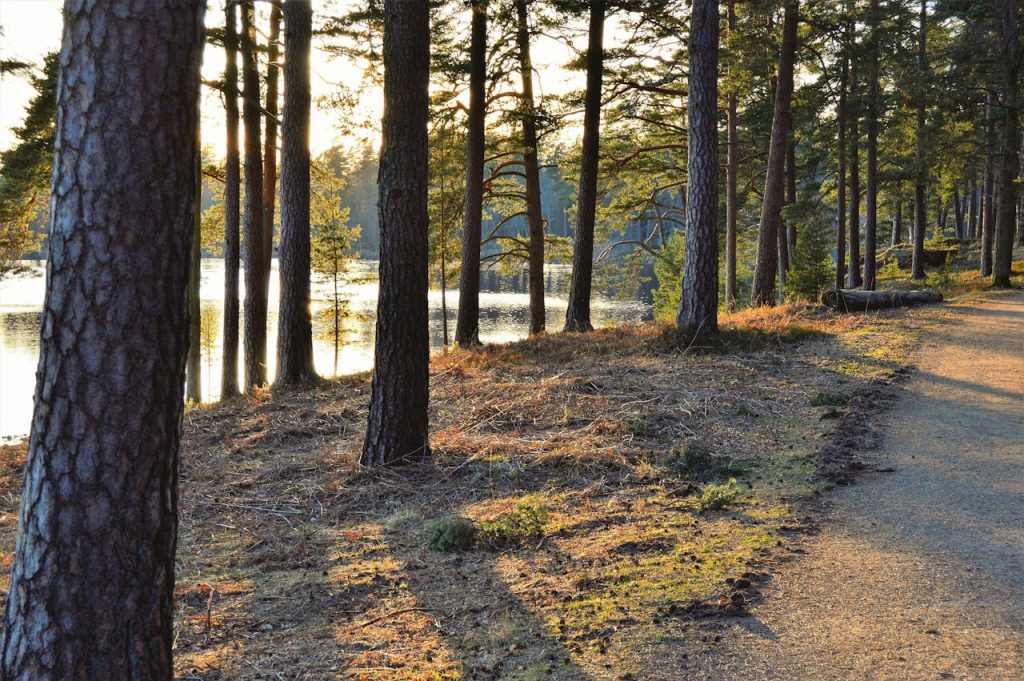
Step onto a forest path and your body responds almost immediately. Studies published in Environmental Health and Preventive Medicine show that time in wooded areas lowers cortisol, blood pressure, and heart rate. You do not need a mountain expedition. A few hours on a marked trail near your city is enough. Leave your headphones behind. Notice the sound of leaves and birds. That sensory shift pulls your attention away from looping thoughts.
You also gain gentle movement without the pressure of a workout. Walking on uneven ground activates different muscles and improves circulation. Bring water, take unhurried breaks, and let yourself wander. By the time you head home, your breathing feels slower and your mind less crowded. That is your nervous system recalibrating.
2. Coastal reset

Water has a measurable calming effect. Researchers at the University of Exeter found that people living near the coast report better mental health. You can borrow that benefit with a short beach visit. Sit where you can hear waves. Watch the horizon. The steady rhythm acts like a metronome for your breath, encouraging deeper inhales and slower exhales.
If you can, walk barefoot on sand. That simple act forces you to slow down and focus on balance. Leave your laptop behind. Even a half day near open water creates psychological distance from work stress. You return with clearer thinking and fewer racing thoughts.
3. Quiet cabin weekend
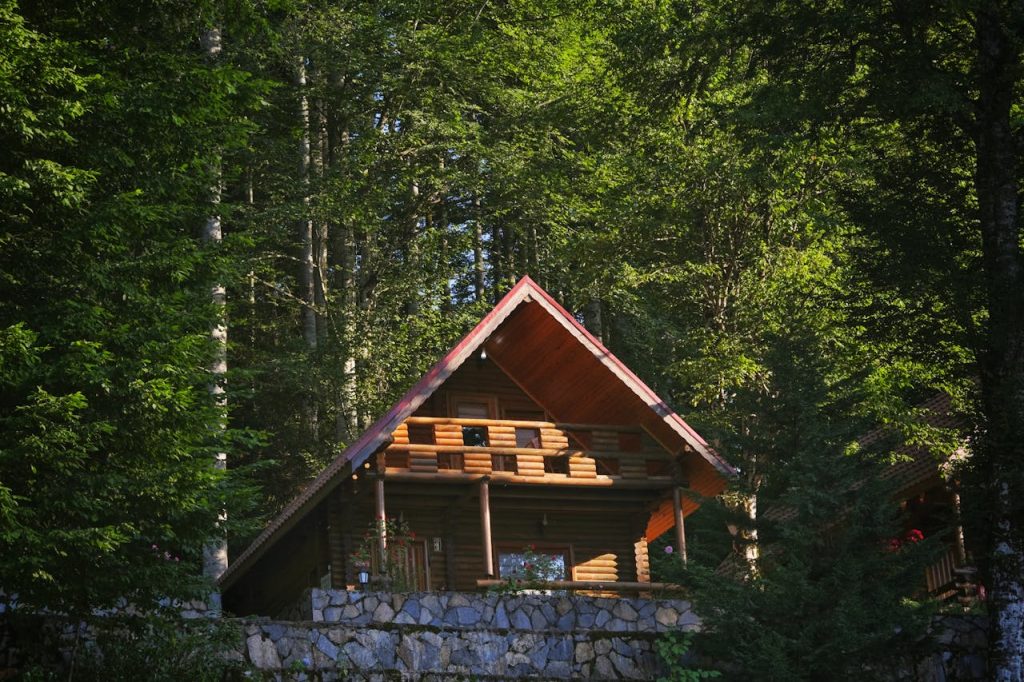
A small cabin, even one an hour away, creates a powerful contrast with your daily environment. Environmental psychology research shows that changing physical surroundings helps disrupt habitual stress patterns. Choose a simple space with minimal distractions. Bring a book, basic groceries, and comfortable clothes.
Cook slowly. Sleep without an alarm. Let boredom surface. When you remove constant input, your brain begins to process unresolved thoughts in the background. By the second day, many people notice improved focus and emotional steadiness. The quiet is not empty. It is restorative. Even a single unplugged weekend can reset your mental pace.
4. Museum wander
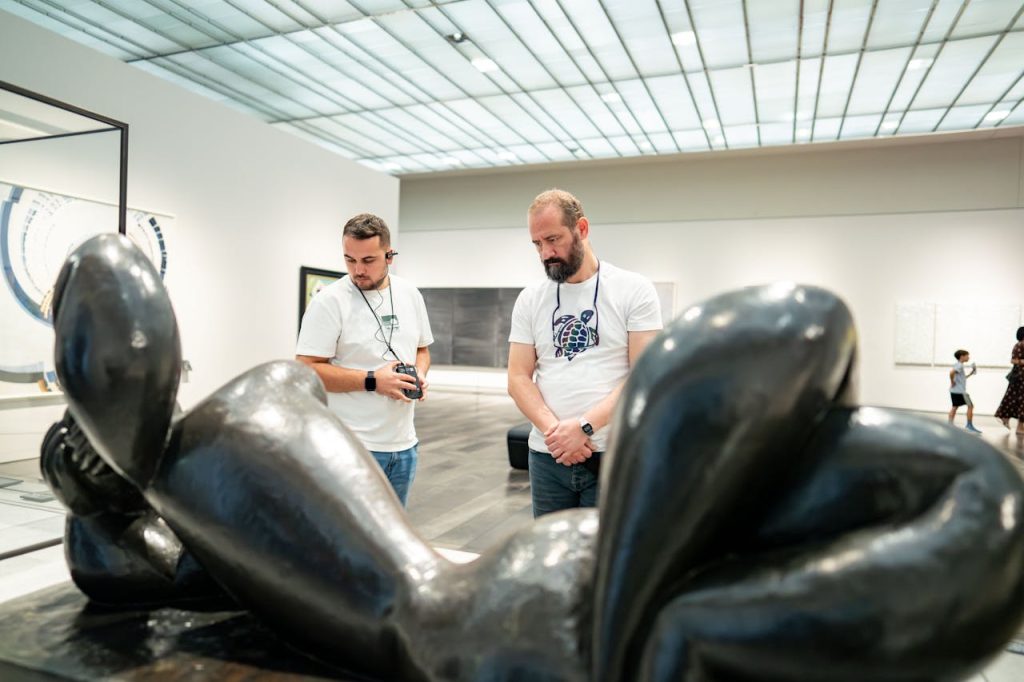
Art museums offer structured calm. A study in the Journal of Positive Psychology found that engaging with art increases life satisfaction and reduces anxiety. You do not need to understand every piece. Walk slowly. Stop where something catches your attention. Read a plaque or sit on a bench.
The controlled lighting and hushed atmosphere encourage slower movement and reflection. You step out of productivity mode and into curiosity. That mental shift alone can ease burnout symptoms. Two focused hours in a gallery can feel like a mental massage. You leave feeling mentally refreshed without feeling overstimulated.
5. Small town overnight stay

Choose a nearby town with a walkable main street. Check into a modest inn. Explore local shops and cafés without an agenda. Novelty stimulates dopamine, the brain chemical linked to motivation. Even minor changes in scenery can reignite interest and energy.
Talk to a shop owner. Try a regional dish. Notice the architecture that differs from the home. Because you are not far away, the trip feels manageable. Yet the psychological distance from your usual environment helps you reset expectations and pace. You are not chasing productivity. You are simply experiencing something new at a slower rhythm. That shift reminds you that your time does not always have to be optimized. It can simply be lived.
6. Digital detox day

Constant connectivity fuels burnout. The American Psychological Association links heavy device use to higher stress levels. Pick one day to turn off work email and silence social media notifications. Tell colleagues you will be unavailable except for emergencies.
Fill the day with analog activities. Cook from a paper recipe. Write by hand. Take a long walk. Without the constant pull of screens, your attention span begins to recover. Many people report better sleep that night and less mental fragmentation the next morning. You may also notice how often you reach for your phone out of habit, not need. Breaking that reflex gives your mind real breathing room.
7. Wellness spa afternoon
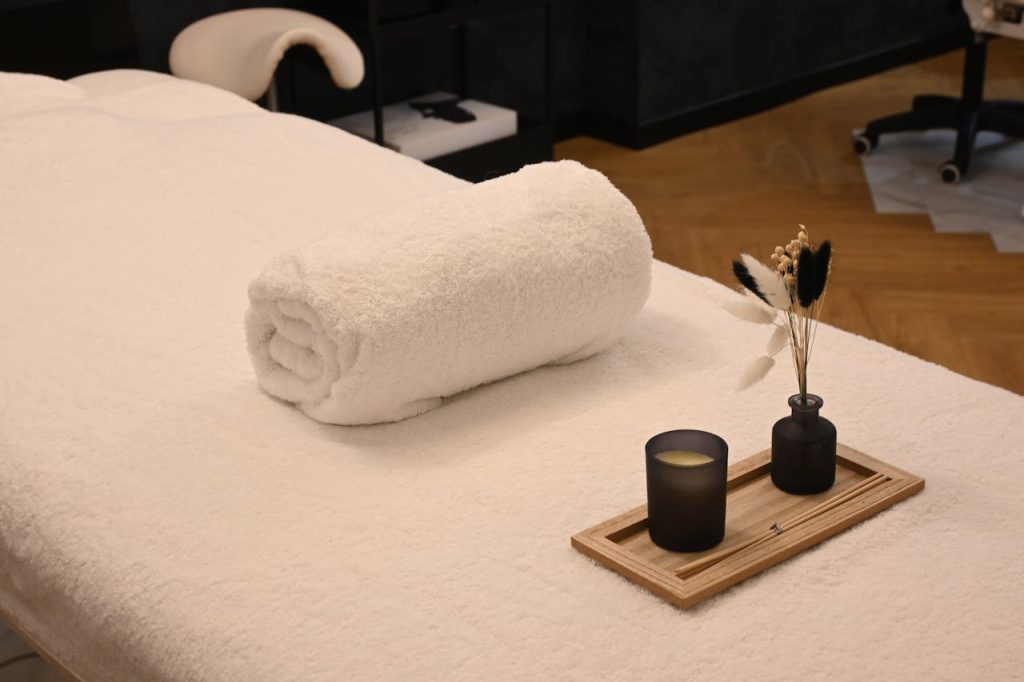
A structured relaxation session accelerates recovery. Research in Complementary Therapies in Clinical Practice shows that massage therapy lowers cortisol and increases serotonin. Book a basic treatment within driving distance. Arrive early and sit quietly before your appointment.
Let yourself focus on physical sensation rather than mental tasks. Slow breathing during a massage reinforces the relaxation response. Even a single afternoon can reduce muscle tension built from weeks of stress. You leave feeling physically lighter and mentally clearer. That physical release often unlocks mental calm you did not realize you were missing. It reminds you how tightly you have been holding everything together.
8. Lake kayaking escape

Paddling on calm water combines rhythmic movement with nature exposure. Repetitive motion has a meditative effect, similar to focused breathing exercises studied in stress research. Rent a kayak for a few hours at a local lake.
As you paddle, you coordinate breath with movement. That steady rhythm reduces mental chatter. Water sounds and open space expand your sense of perspective. By the time you return to shore, your shoulders feel looser and your thoughts less urgent. You are focused on balance, not deadlines. The gentle resistance of water keeps you present. Even after you leave, that slower internal tempo tends to stay with you.
9. Historic walking tour

Learning while moving keeps your brain engaged without overloading it. Guided walking tours provide structured information in manageable segments. Cognitive research suggests that moderate novelty enhances memory and interest.
You follow a set route, which removes decision fatigue. Listening to stories about past events shifts attention away from your own stressors. Physical movement supports circulation and mood. The combination leaves you mentally stimulated yet not drained. You absorb new details without pressure to perform. By the end, your mind feels active in a healthy way, not scattered or strained. That balance helps restore steady focus when you return home.
10. Yoga retreat day
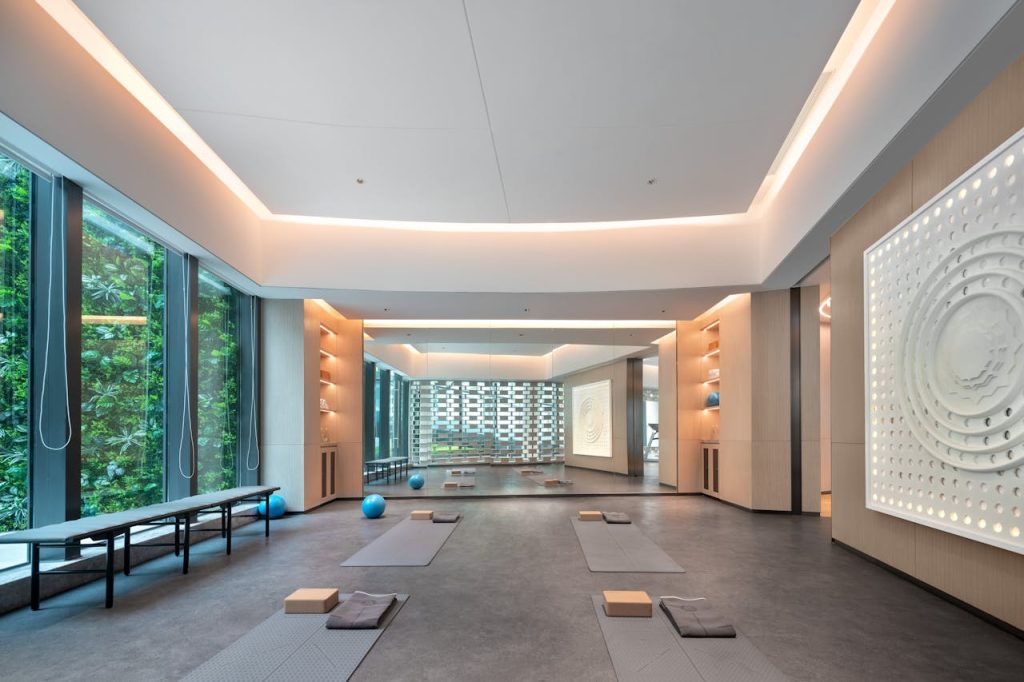
Many studios offer single-day retreats focused on gentle practice and guided relaxation. Clinical studies confirm that yoga reduces perceived stress and improves emotional regulation. Choose a restorative or slow flow session rather than an intense workout.
You spend several hours alternating movement, breath work, and quiet reflection. That pattern activates the parasympathetic nervous system, responsible for rest and recovery. You leave with practical breathing tools you can reuse during busy weeks. You also gain a clearer sense of where you carry tension in your body. That awareness helps you interrupt stress before it builds again.
11. Creative workshop

Burnout often dulls creativity. Engaging in hands-on art or craft reverses that trend. Research in Art Therapy indicates that making art lowers cortisol levels. Sign up for a short pottery, painting, or cooking class. Focus on the process rather than the outcome. Working with your hands shifts activity away from constant analytical thinking.You experience small wins as you complete simple tasks. That sense of progress rebuilds confidence and motivation.
12. Gardening getaway

Spend a day helping at a community garden or tending a rented plot. Horticultural therapy studies show reduced anxiety and improved mood among participants. Soil contact and repetitive planting motions encourage mindfulness.
You see tangible results from your effort within hours. That immediate feedback contrasts sharply with long-term work projects. Physical activity outdoors also improves sleep quality. By evening, you feel pleasantly tired rather than depleted. You notice how steady, simple tasks quiet racing thoughts. Working with living things shifts your focus from urgency to growth. That change in pace can steady you long after the day ends.
13. Scenic train ride

A short train journey offers built-in stillness. You watch landscapes change without controlling the route. That passive observation reduces decision fatigue. Transportation research notes that predictable motion can be calming.
Bring a notebook. Let your thoughts drift as scenery passes. Because you are not driving, you surrender control for a while. That mental break from constant responsibility helps reset cognitive load. You arrive refreshed, not rushed. The steady rhythm of the tracks encourages slower thinking. You gain perspective simply by moving through space without managing every detail. Sometimes that pause is exactly what you need.
14. Solo café writing day

Choose a café outside your usual neighborhood. Order a drink and sit with a notebook. Expressive writing research from the University of Texas suggests that writing about thoughts and feelings improves emotional processing.
Set a timer for twenty minutes and write freely. Do not edit. Afterward, read a book or simply observe people around you. This quiet solo time clarifies what truly exhausts you and what you want to change. You leave with insight, not just rest. The change of scenery helps your mind separate from routine stressors. That small shift often sparks new ideas and a lighter sense of focus.