
Family life in the early 1900s was defined by routines, traditions, and responsibilities that look vastly different from what we know today. This was an era without modern appliances, instant communication, or convenient shortcuts. Every task required time, effort, and cooperation among family members. The home was not just a place to live, it was a center of work, learning, entertainment, and survival. People relied heavily on one another, and every member of the household contributed to keeping things running smoothly. Although life was harder in many ways, these practices fostered skills and resilience.
1. Daily Chores
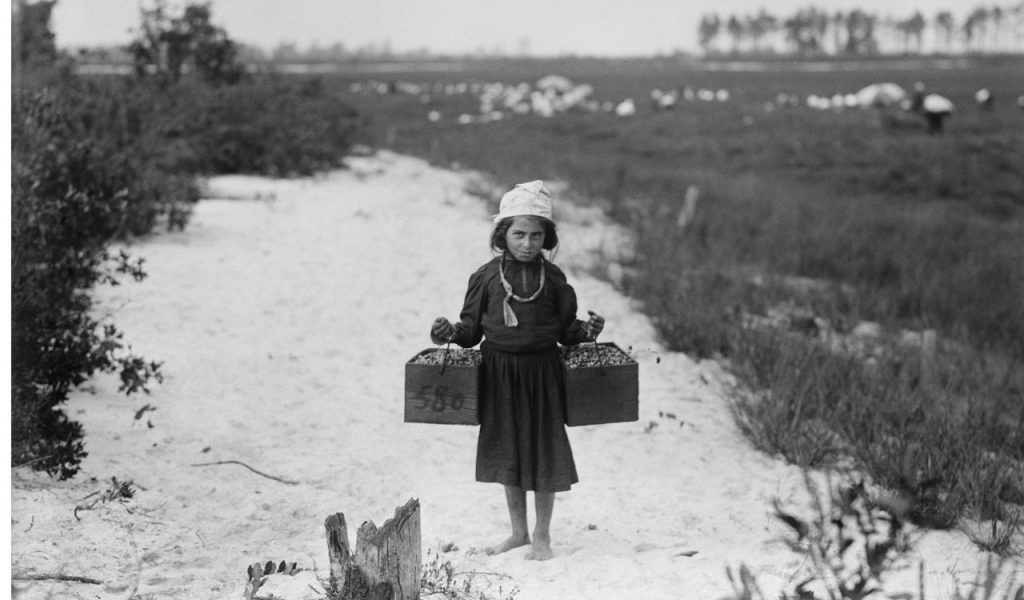
In the early 1900s, all the household children had assigned tasks that were expected to be done every day. These chores were not optional or something done when convenient. Instead, they were a natural part of life. Children often started their day by feeding animals, collecting eggs, hauling water, or helping to prepare breakfast. Adults spent much of their time tending to the home, doing farm work, and maintaining the property. These routines taught young people responsibility and discipline at an early age, and they helped ensure the household functioned efficiently. Chores fostered teamwork, and every completed task contributed directly to the family’s livelihood.
2. Laundry Days
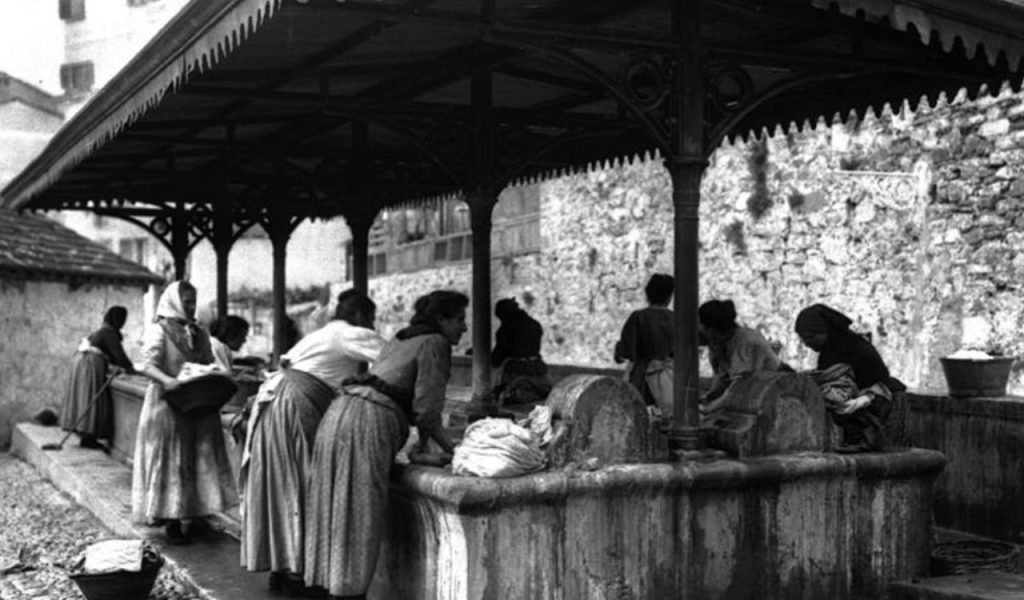
Laundry in the 1900s was a physically demanding and time-consuming task. Without electric washing machines, families relied on washboards, tubs, and manually wringing clothes by hand. Water had to be heated on a stove or over a fire, and soaps were often homemade. Laundry day typically took up the entire day, and drying clothes meant hanging them outdoors or near a fire inside during winter. Stains were scrubbed by hand, and whites were boiled to keep them clean. It was a weekly ritual that required endurance and patience, turning a simple modern chore into an all-day event that consumed both energy and time.
3. Cooking From Scratch
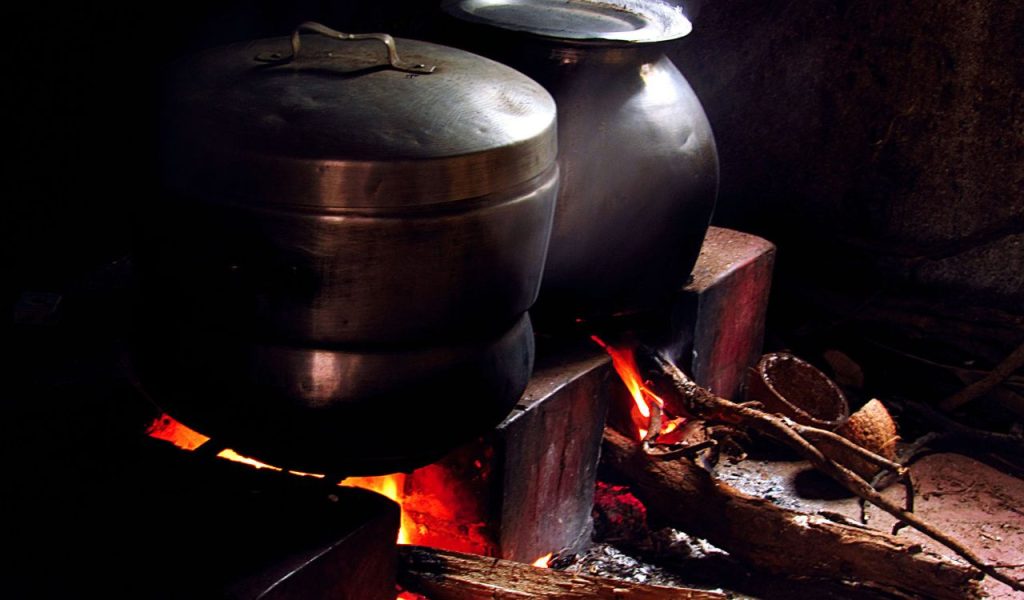
In the early 1900s, convenience foods were almost nonexistent. Meals were made entirely from scratch using fresh ingredients, many of which were grown in the family’s own garden or raised on their farm. Bread was kneaded and baked at home, vegetables were chopped daily, and meats were prepared the same day they were purchased or butchered. Homemakers spent much of their time in the kitchen, planning, preparing, and preserving food. Nothing was wasted; leftovers were creatively used in soups, stews, or pies. The process of cooking required skill and hours of labor, but it also brought families together around nourishing, homemade meals.
4. Family Mealtimes
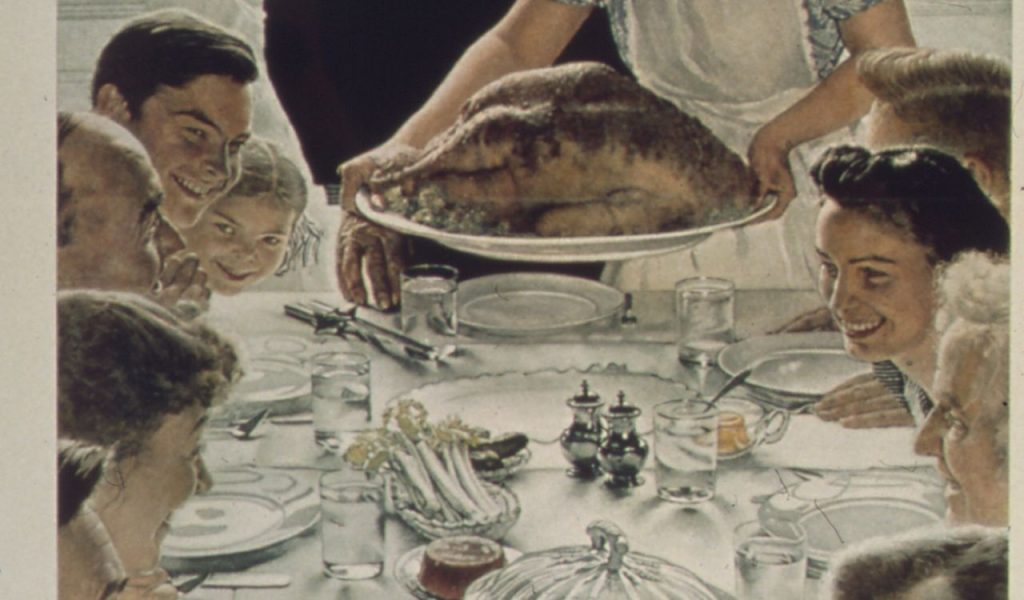
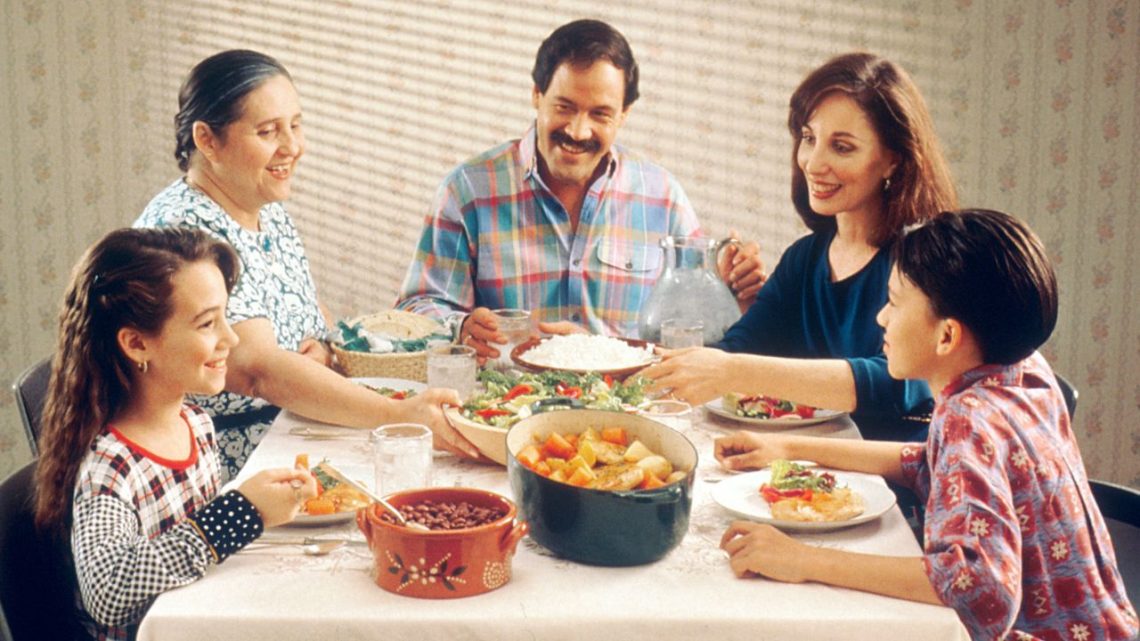
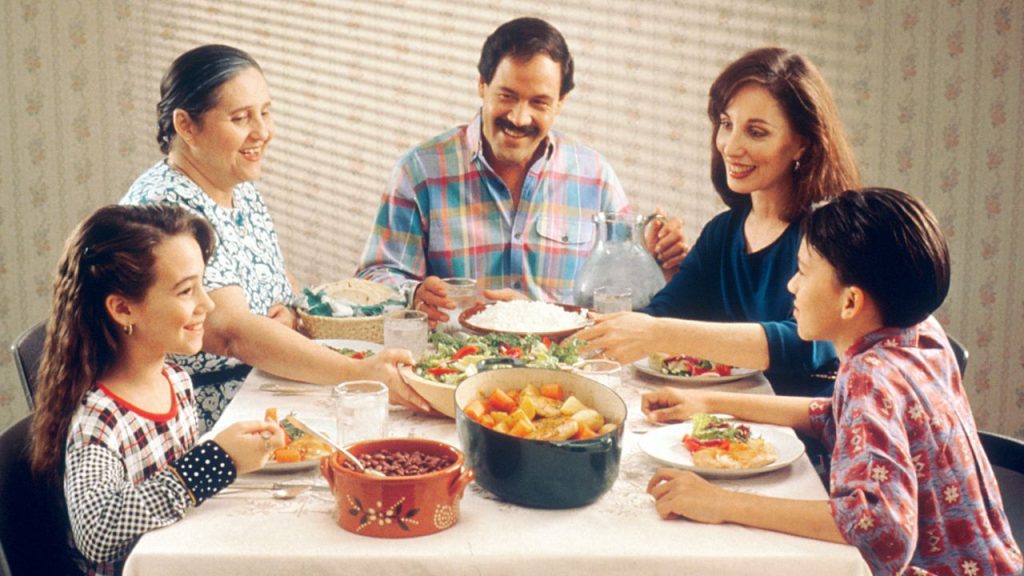
Unlike today, where screens and schedules often divide family time, mealtime in the 1900s was a focused and cherished activity. Families sat together to eat all their meals, breakfast, lunch, and dinner without distractions. The dinner table was a space for sharing stories, discussing the day’s events, teaching manners, and bonding as a unit. It was one of the few times everyone was guaranteed to be together, making it a significant part of daily life. This tradition helped strengthen family relationships and created a sense of unity that shaped the household environment.
5. Heating the Home

Heating a home was not as simple as adjusting a thermostat. Most families relied on wood or coal stoves to provide warmth and to cook meals. This required gathering firewood, chopping logs, hauling coal, and maintaining a steady fire throughout the day. Someone had to wake up early to start the morning fire, especially during cold months, making this a daily necessity rather than an occasional task. Ashes needed to be cleaned out regularly, and supplies had to be stocked ahead of time. The effort behind keeping a home warm was significant and demanded constant attention.
6. Homemade Entertainment
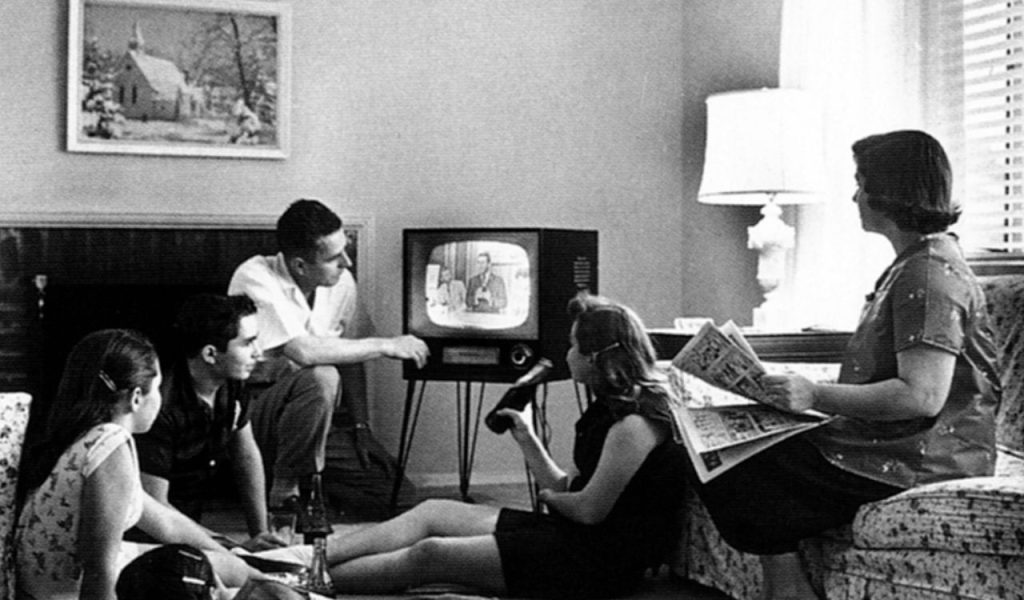
Before television, smartphones, or modern entertainment systems, families created their own fun. Evenings were spent reading aloud, playing musical instruments, telling stories, or engaging in parlor games. Families often gathered in the living room to share activities that encouraged creativity and interaction. Many homes had a piano, board games, or simple handmade toys. Conversation, imagination, and community served as the primary sources of entertainment. These moments created long-lasting memories and strengthened family bonds, demonstrating how meaningful simple pleasures could be in a world without digital distractions.
7. Clothing Repairs
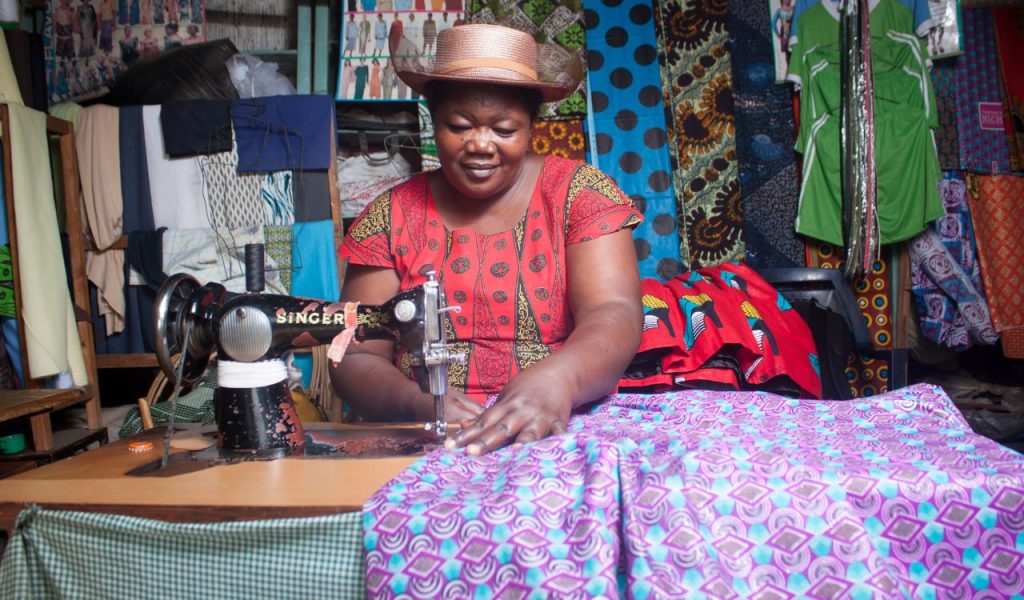
Instead of purchasing new clothing frequently, families in the 1900s made the most of what they had. Sewing was a necessary skill, and many women and older children knew how to mend tears, sew buttons, and patch holes. Clothing was handed down from one child to the next, often altered to fit. Fabric from worn-out garments was repurposed into quilts, rags, or new items of clothing. This practice reflected a culture of frugality and resourcefulness. Rather than disposing of items, families found ways to extend their usefulness, reducing waste and saving money.
8. Home Remedies
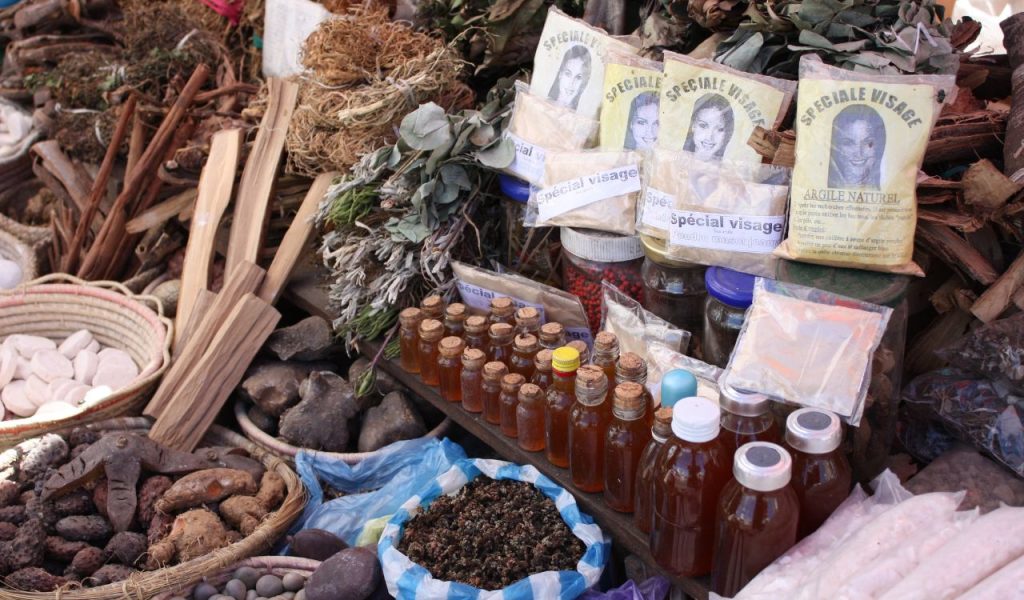
Medical care in the early 1900s was not as accessible or advanced as it is today. As a result, families relied heavily on home remedies passed down through generations. They used herbs, poultices, teas, and tonics to treat common ailments. People kept jars of homemade salves, brewed medicinal plants, and used simple treatments for issues like coughs, fevers, and minor injuries. Doctors were often expensive or located far away, so home remedies were essential for day-to-day health. These practices formed the foundation of many traditional healing methods still recognized in some cultures today.
9. Food Preservation
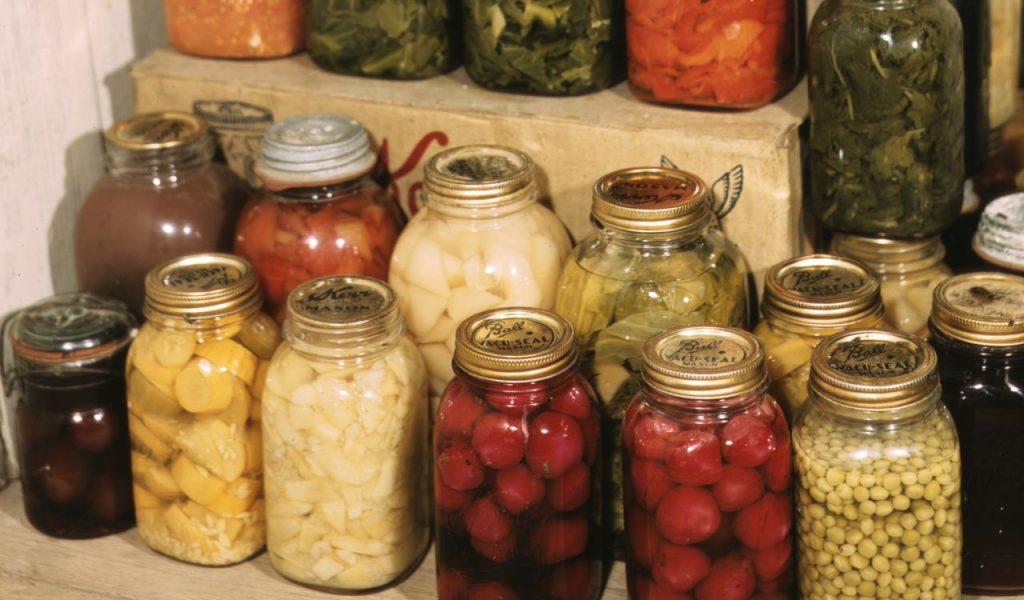
Preserving food was not just a hobby; it was a survival skill. During the late summer and fall, families spent weeks canning fruits, vegetables, jams, and sometimes meats in preparation for the winter months. This ensured a steady food supply when fresh produce was scarce. Families stored jars in basements, cellars, or pantries, creating shelves filled with brightly colored preserves that served as both sustenance and a source of pride. Canning required precision, cleanliness, and time, but it allowed households to stretch their harvests and avoid hunger during the cold season.