Windows quietly shape how a room feels. They control light, frame outdoor views, and influence whether a space feels calm, dramatic, cozy, or bright. The treatment you choose does more than cover glass. It changes the atmosphere of the entire room. Designers often point out that fabric, texture, and light filtering can influence mood as strongly as wall color or furniture placement. The right choice can soften harsh sunlight, add privacy, or make a room feel warmer and more welcoming.
Window treatments help manage both. When you choose thoughtfully, you guide the room’s tone without changing the structure itself. The following options show how different treatments shape mood and style in ways you may not expect.
1. Floor-Length Curtains That Add Soft Elegance
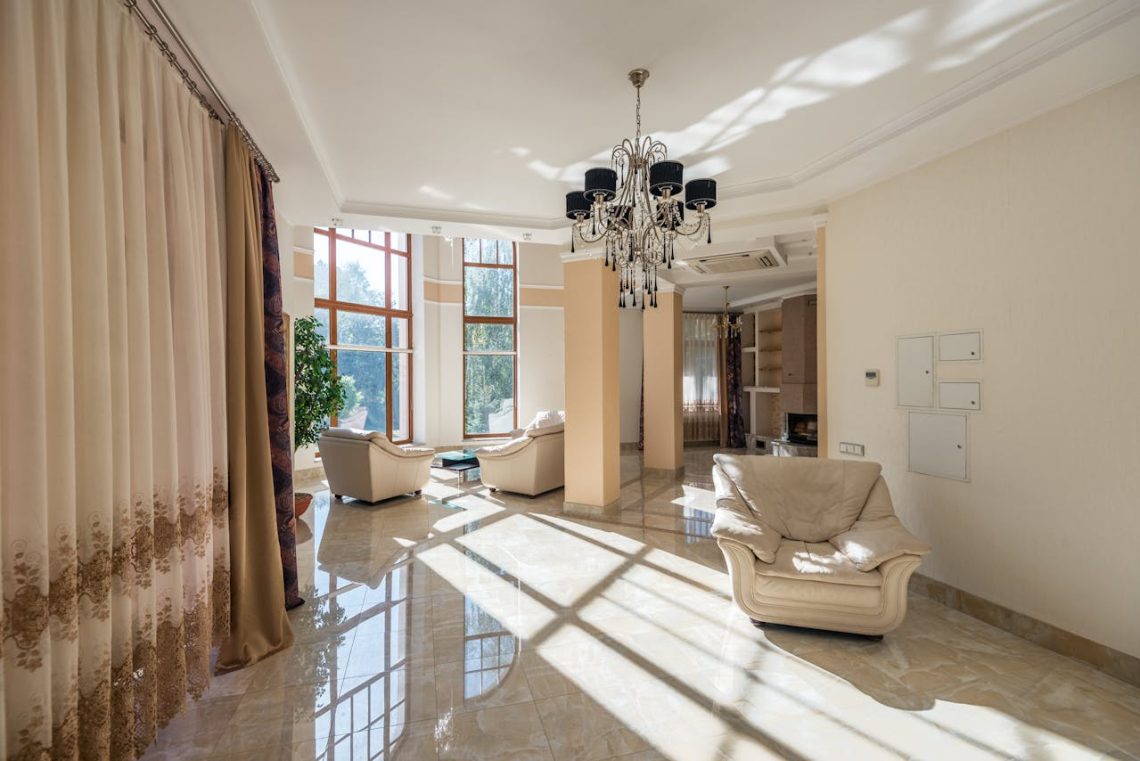
When you hang curtains from near the ceiling down to the floor, the room instantly feels taller and more refined. Designers often recommend this approach because it draws the eye upward and creates a sense of balance around the window. Even in smaller spaces, long curtains give the room a polished appearance.
Beyond aesthetics, floor-length curtains help regulate light and temperature. During the day, you can open them fully to allow natural light to brighten the space. At night, closing them makes the room feel quiet and enclosed. That simple daily change in lighting can completely reset the atmosphere of the room.
2. Roman Shades That Create a Tailored Look
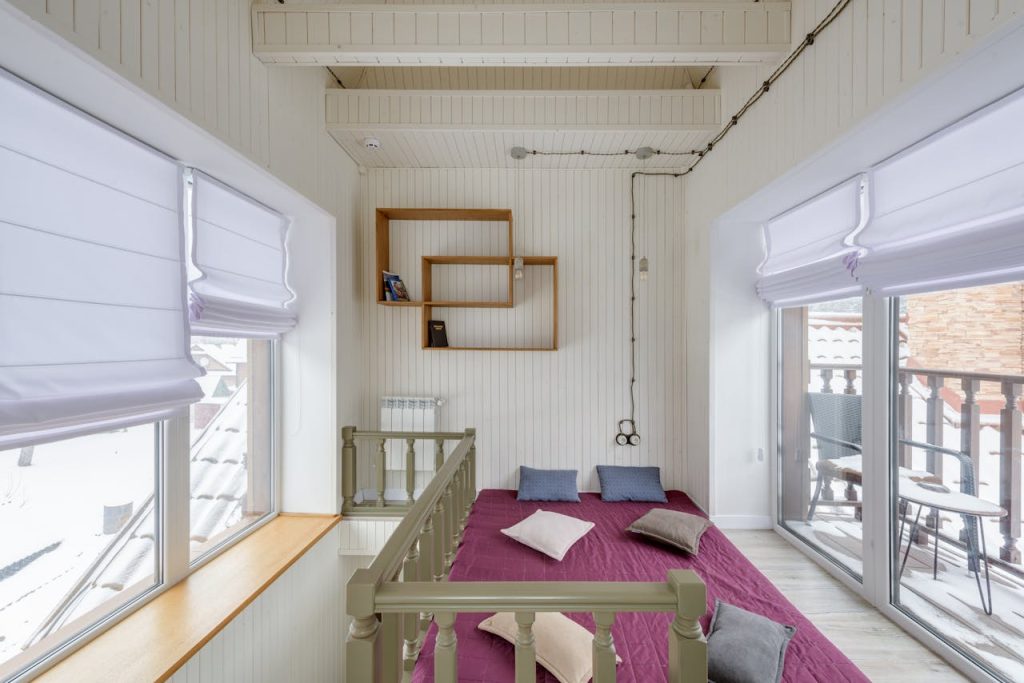
Roman shades offer a clean and structured appearance that works well in both classic and modern homes. When raised, the fabric folds neatly into horizontal pleats. When lowered, it forms a smooth surface that frames the window without overwhelming the space. This style works particularly well in living rooms, dining rooms, or home offices where you want a polished but understated design.
Another advantage is precise light control. Because Roman shades sit close to the window, they allow you to filter daylight while maintaining privacy. Interior designers frequently recommend them for rooms that receive strong sunlight, since different fabrics can soften glare without blocking the view entirely.
3. Sheer Curtains That Brighten a Space
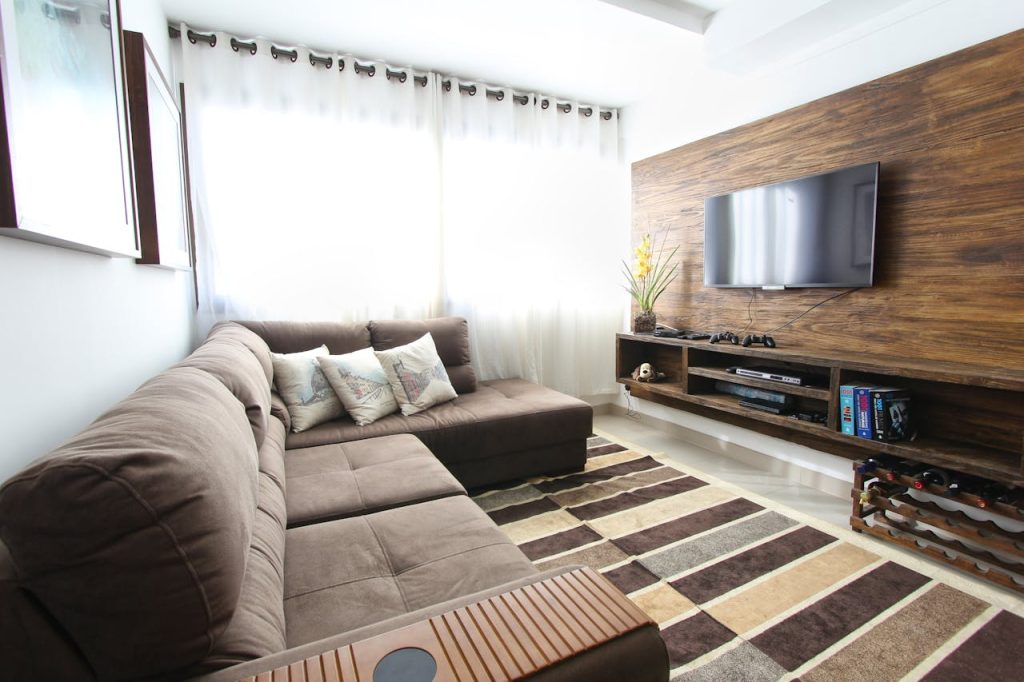
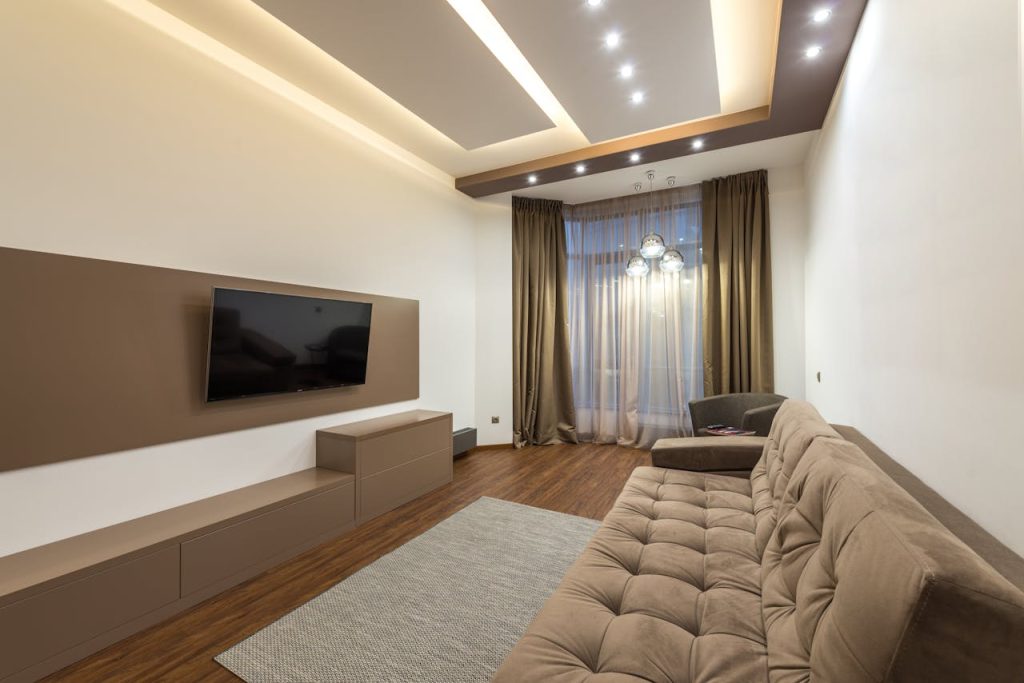
Sheer curtains transform the quality of daylight in a room. Instead of harsh sunlight, you get a soft glow that spreads evenly across walls and furniture. This effect often makes spaces feel calmer and more open. Many designers use sheer panels in living rooms or bedrooms where maintaining natural light is more important than complete privacy.
Because sheer fabrics diffuse sunlight, they reduce glare on screens and reflective surfaces. Lighting specialists often note that diffused daylight improves visual comfort during the day. That subtle shift in brightness can make a room feel more relaxed and inviting. Pairing sheer curtains with heavier drapes gives you flexibility.
4. Wooden Blinds That Bring Natural Warmth
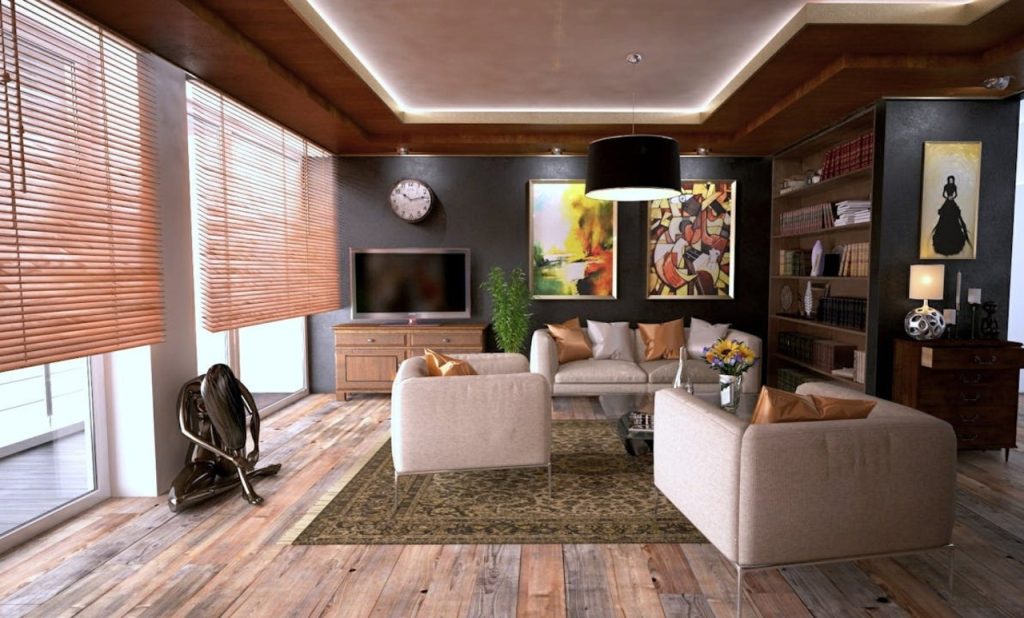
Wooden blinds introduce texture and warmth that many synthetic materials cannot match. The natural grain adds visual depth and complements furniture, flooring, and cabinetry. When sunlight passes through the angled slats, it creates gentle patterns of light and shadow that give the room a dynamic feel throughout the day.
These blinds are also highly practical. You can tilt the slats to control brightness while still allowing airflow and outside views. That balance between light and privacy makes wooden blinds popular in living rooms, studies, and kitchens. The natural material helps the room feel grounded and comfortable, especially when paired with neutral or earthy color palettes.
5. Cellular Shades That Make a Room Feel Calm

Cellular shades, often called honeycomb shades, are designed with small air pockets that trap heat and improve insulation. Their soft texture and smooth surface create a quiet, uncluttered look that works well in bedrooms or reading areas. When lowered, they form a simple plane of fabric that gently filters sunlight.
Research from the U.S. Department of Energy shows that honeycomb shades can reduce heat transfer through windows, helping rooms stay cooler in summer and warmer in winter. That added comfort contributes to the calm atmosphere these shades create. Many homeowners appreciate how they soften bright daylight while keeping the room bright enough for everyday activities.
6. Layered Drapery That Adds Depth and Drama
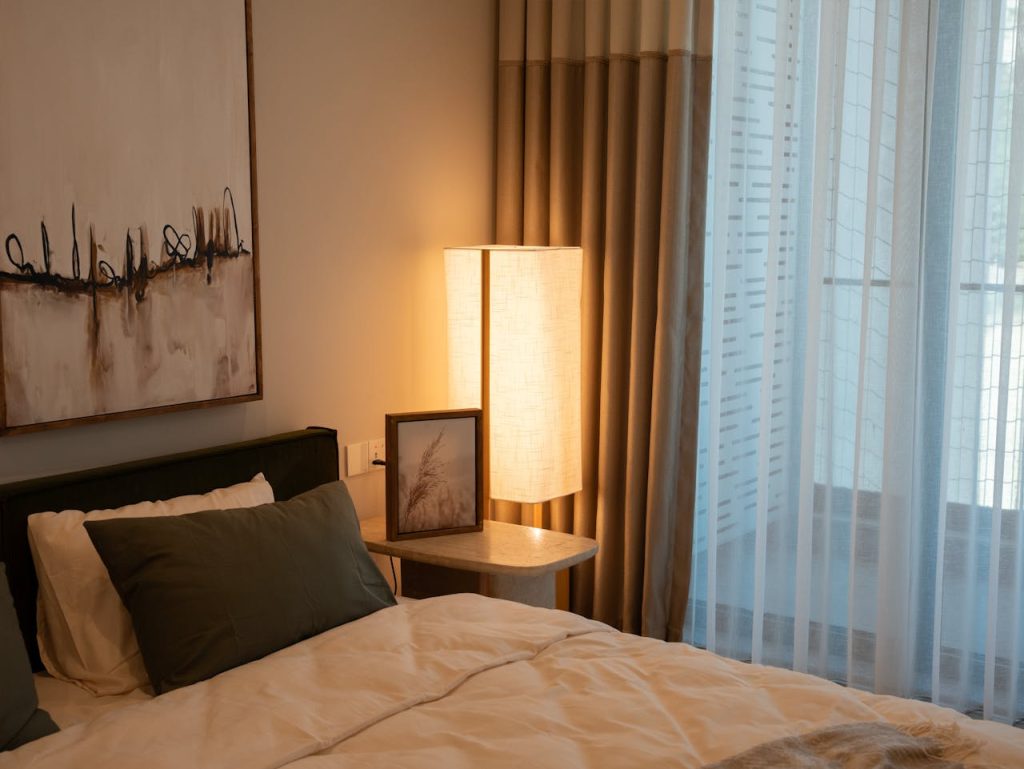
Layering different window treatments instantly increases visual richness in a room. Designers often combine sheer panels with heavier drapes to create flexibility throughout the day. The lighter layer filters sunlight, while the outer layer adds privacy and a sense of enclosure when closed.
This approach also adds dimension. Multiple fabrics introduce texture, color contrast, and visual movement around the window. In larger living rooms or formal dining areas, layered drapery can make the space feel more complete and balanced. Interior design professionals frequently note that layered treatments help anchor furniture arrangements because they visually frame the window and strengthen the room’s overall composition.
7. Roller Shades That Keep the Look Minimal
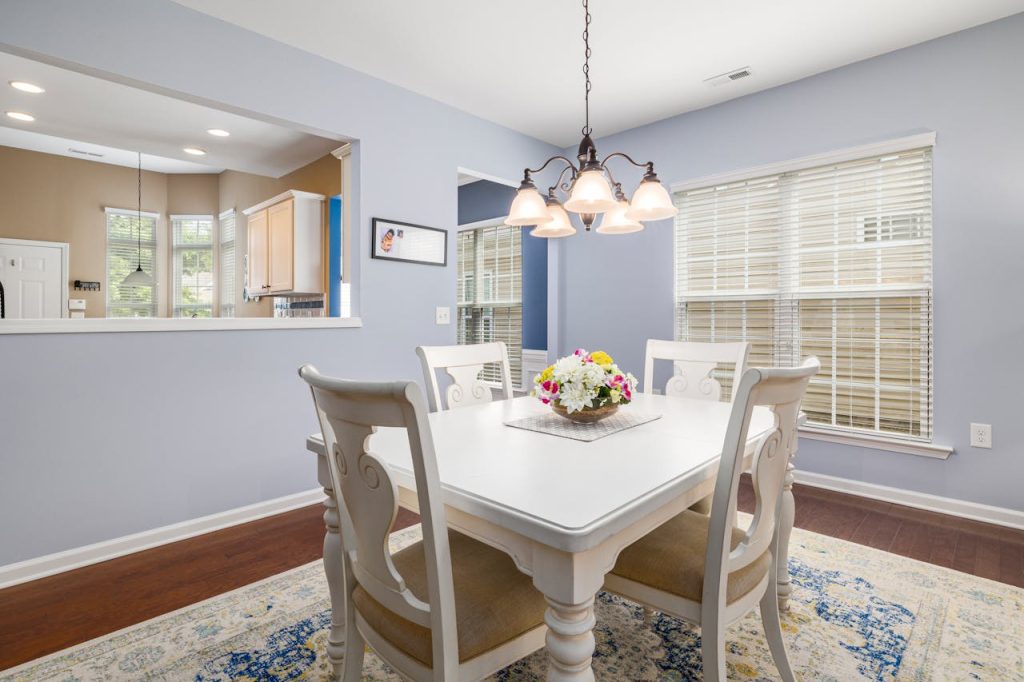
Roller shades are a favorite in modern interiors because of their simplicity. When raised, they disappear neatly into a small casing, leaving the window completely open. When lowered, they create a smooth surface that blocks or filters light without adding visual clutter.
This minimal style works particularly well in contemporary homes where clean lines matter. Roller shades also come in a wide range of light-filtering materials. Some fabrics gently soften daylight, while blackout versions create near darkness for bedrooms or media rooms. That flexibility allows you to control both mood and functionality without changing the room’s design.
8. Café Curtains That Create a Cozy Atmosphere
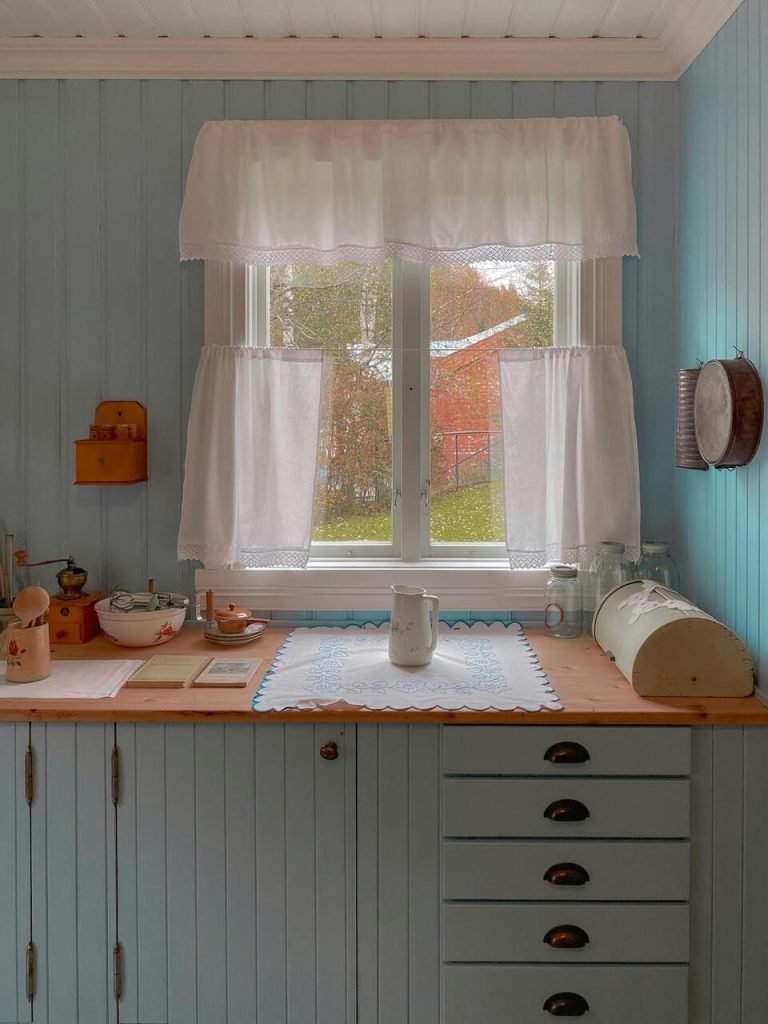
Café curtains cover only the lower half of a window, leaving the upper portion open for sunlight. This design is often used in kitchens, breakfast nooks, or small dining areas where privacy is needed but natural light is still welcome. The result is a relaxed and charming atmosphere.
Because the upper window remains uncovered, the room stays bright throughout the day. At the same time, the lower curtain provides a comfortable sense of privacy. Designers often choose lightweight fabrics with subtle patterns to enhance the cozy feeling. This style works especially well in spaces where you want warmth and personality rather than a formal look.
9. Blackout Curtains That Transform Restful Spaces
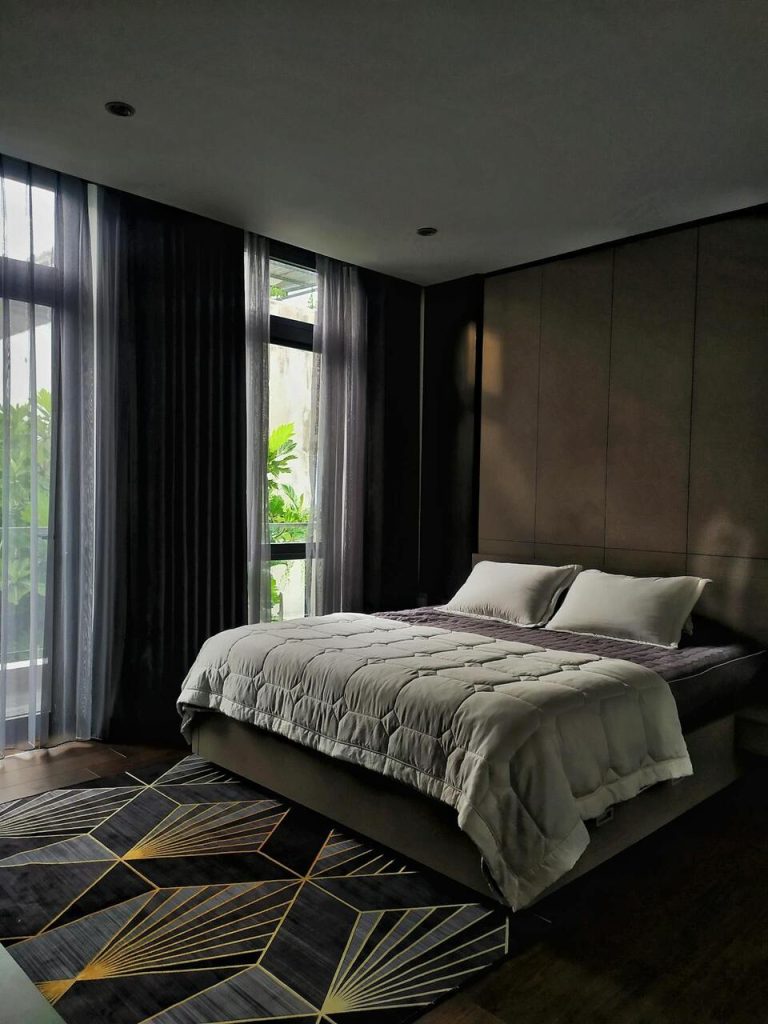
Blackout curtains dramatically change the mood of a room by controlling light almost completely. In bedrooms, this creates a darker environment that supports better sleep. Sleep researchers cited by the Sleep Foundation emphasize that reducing light exposure at night helps maintain healthy sleep cycles.
Beyond sleep benefits, blackout curtains can make a room feel quiet and insulated from the outside world. During the day, opening them allows sunlight to fill the room again, restoring energy and brightness. That contrast between darkness and daylight gives you strong control over how the room feels at different times.