You walk into a room, and something just feels right, even before you notice why. That’s the quiet power of texture and rugs. They anchor furniture, add warmth, and introduce layers that make spaces feel considered rather than random. Choosing the right pieces doesn’t just improve comfort; it shapes the way the room feels.
Beyond comfort, textures guide your eye and influence how you interact with a space. Rugs, throws, cushions, and even wall hangings create contrast and rhythm, giving visual cues about scale and flow. They can define zones, soften hard surfaces, and encourage interaction. What you’re really doing is using design as a subtle language that speaks to everyone who enters.
1. Grounding a Space with a Rug
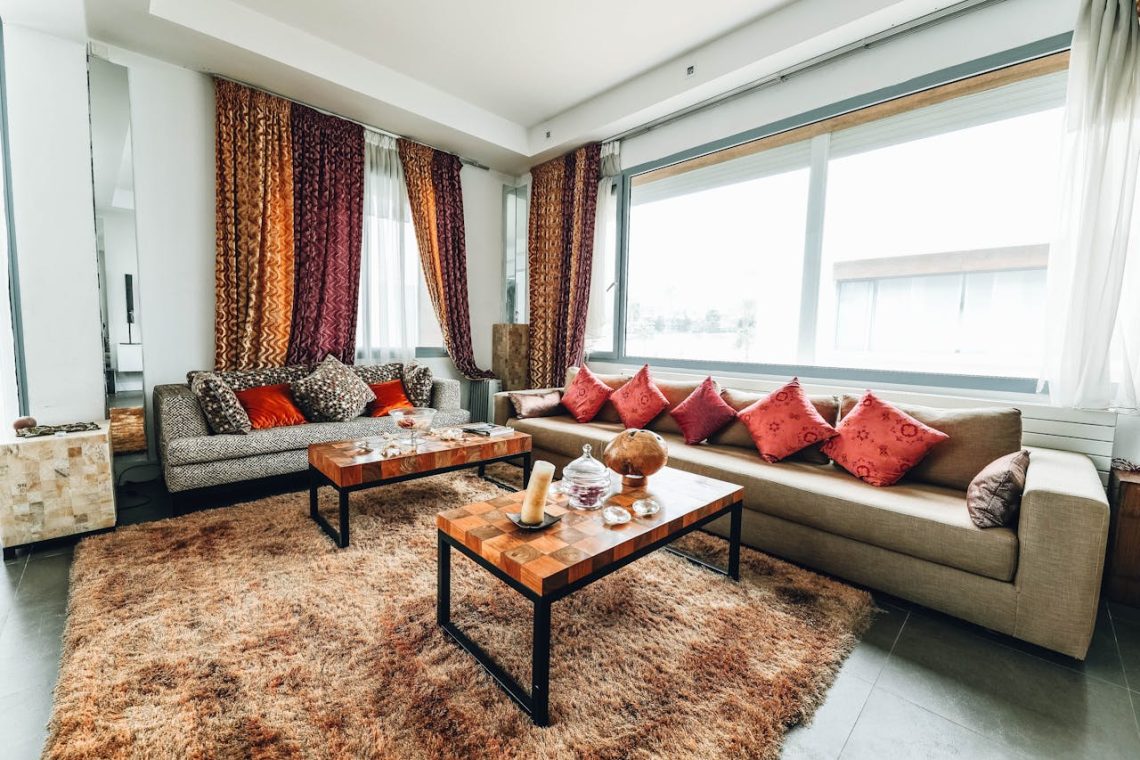
A well-chosen rug can anchor an entire room, giving furniture and decor a sense of purpose. Without it, seating arrangements might feel like they’re floating on the floor, disconnected from one another. When you place a rug beneath a sofa or dining set, it creates an invisible boundary that organizes the space and gives your eye a clear point of focus.
Textures on the rug itself add another layer of design intelligence. Plush wool feels inviting underfoot, flatweaves introduce subtle pattern, and natural fibers like jute or sisal create understated elegance. You’re not just adding comfort; you’re signaling intentionality in your design choices.
2. Defining Functional Zones
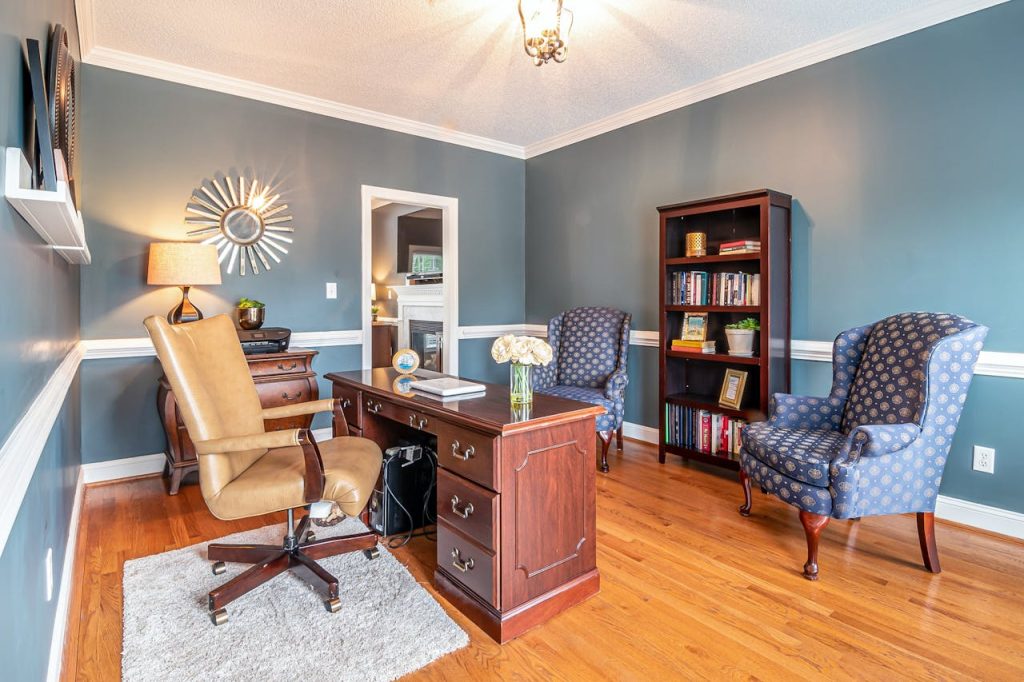
Open-concept living spaces can feel disjointed if you don’t define areas with purpose. Rugs act as invisible boundaries, telling your brain which area is for conversation, work, or relaxation. When you place a rug under a seating arrangement or a desk, it naturally separates that space from the surrounding room while keeping the overall flow intact.
Beyond the floor, layering textures can also define function. A soft throw over a reading chair signals comfort, while a tactile cushion on a dining bench can highlight seating. By combining different textures strategically, you create zones that feel distinct yet connected.
3. Adding Warmth and Comfort
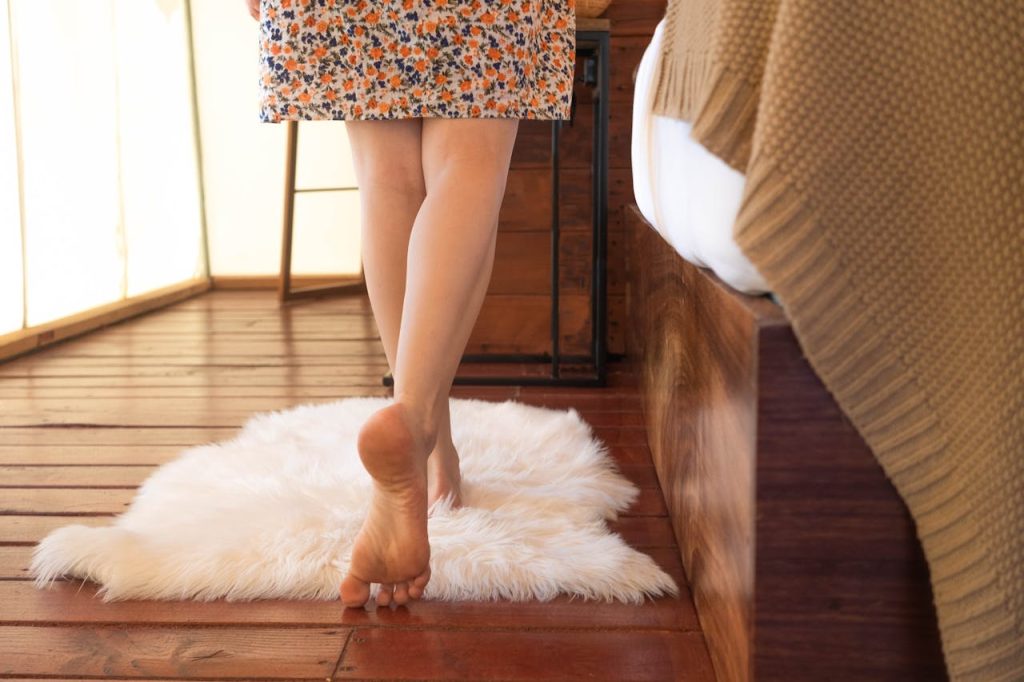
Nothing makes a room feel cozy faster than a textured surface underfoot. Rugs, especially those with pile or woven fibers, give warmth that hard floors can’t provide. You step in, and the room immediately feels inviting. Adding tactile throws, cushions, or poufs extends that sensation to seating areas, encouraging relaxation and lingering. Comfort isn’t just physical; it also creates a welcoming emotional tone.
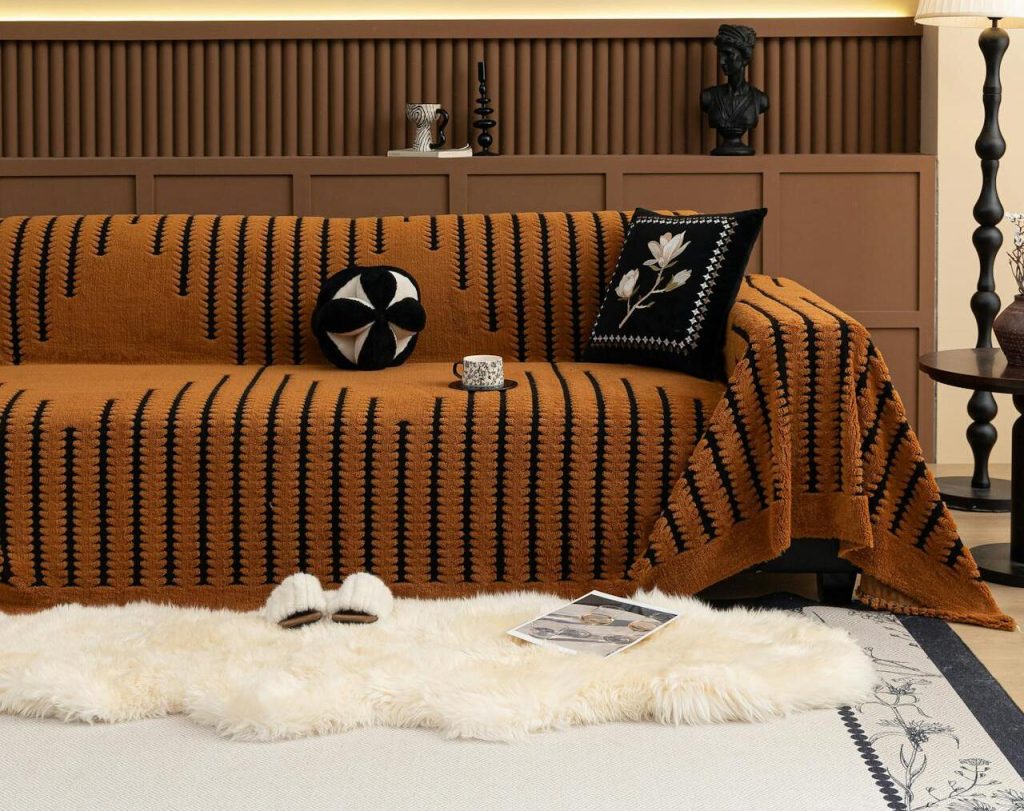
Layered textures amplify this effect. You can combine a thick rug with a knitted blanket and a velvet cushion to create a space that feels curated and cared for. You’re creating touchpoints that invite interaction, whether walking barefoot, resting a hand, or sitting for a while.
4. Introducing Visual Interest Through Pattern
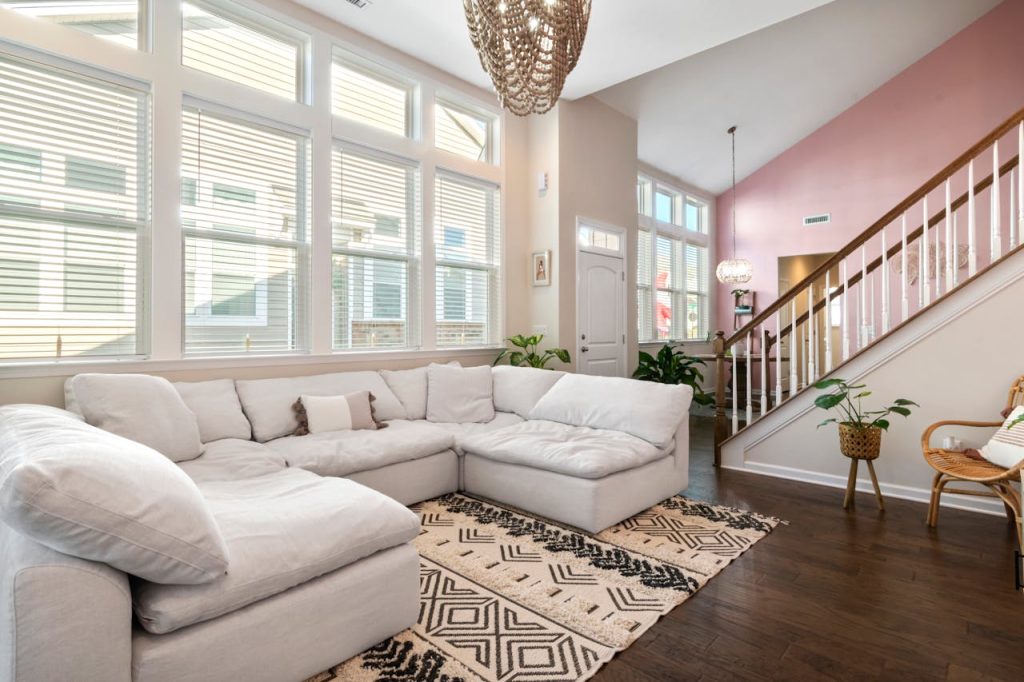
Rugs and textures aren’t only tactile; they’re visual tools. Patterns in a rug can anchor a neutral room or add energy to a simple color palette. When you select textures with subtle variation or bold prints, you create focal points that draw the eye and break monotony. A geometric flatweave, a hand-knotted tribal rug, or a high-pile shag introduces contrast and depth, turning what could be a bland floor into a layered design statement.
You can also mix textures across surfaces to heighten interest. Pair a patterned rug with a smooth leather sofa or a chunky knit throw on a linen armchair. By juxtaposing tactile qualities and visual patterns, you keep the space dynamic and engaging.
5. Balancing Hard Architectural Lines
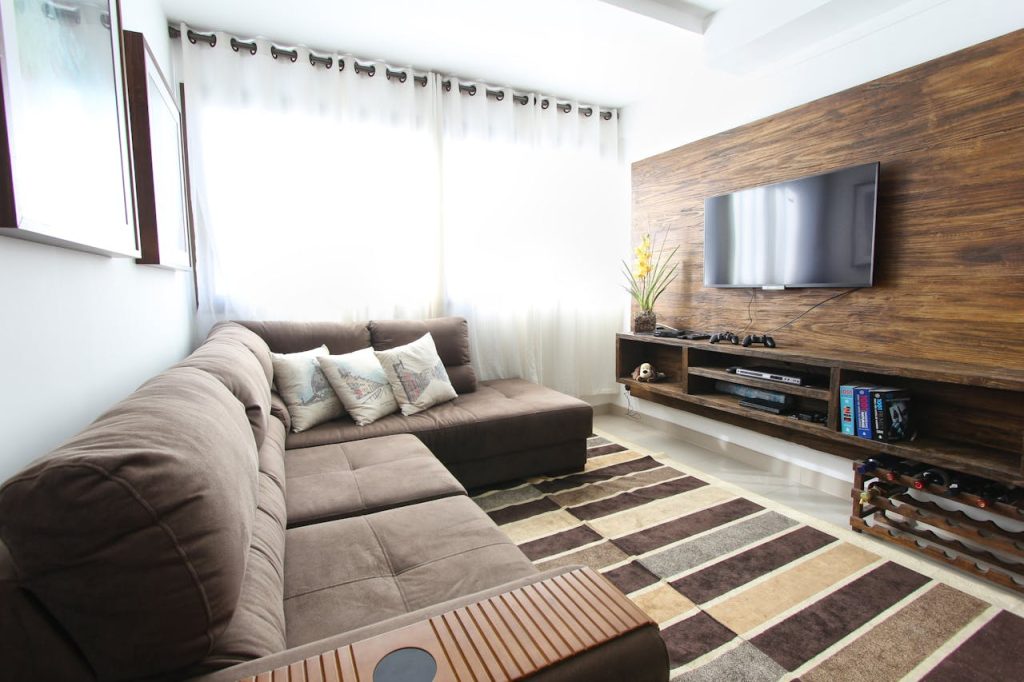
Rooms with sharp edges, minimal furniture, or extensive glass and wood can feel sterile without softer textures. A rug or plush textiles counteract rigid lines by introducing organic shapes and pliable surfaces. You create visual contrast that makes a space feel less rigid and more lived-in. Even a thin jute rug or a textured throw can prevent a room from feeling cold or overly structured, balancing the geometry with warmth.
Layering fabrics in furniture or drapery works in tandem with rugs. A velvet cushion, a boucle chair, or a woven wall hanging softens sharp angles and creates a dialogue between materials. By thoughtfully combining hard and soft surfaces, you make the space feel complete.
6. Enhancing Acoustic Comfort
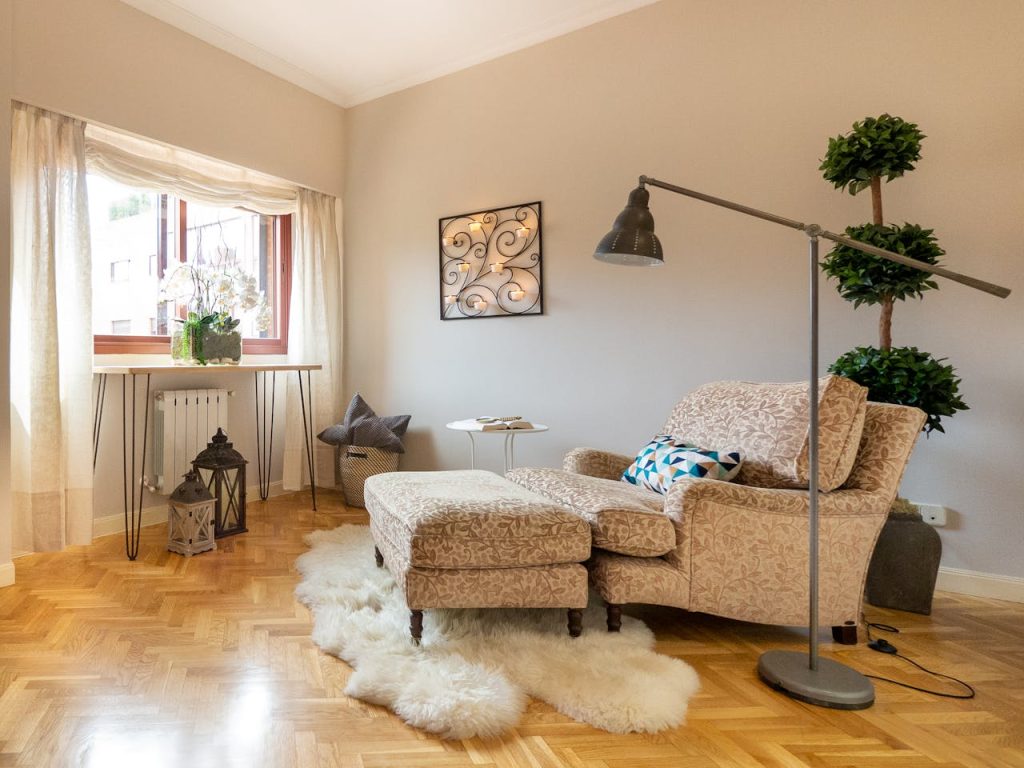
Hard floors, bare walls, and minimalist layouts can create echo and noise that make a space uncomfortable. Rugs absorb sound and break up reflective surfaces, helping your room feel quieter and more intimate. You don’t have to sacrifice style for function; layered textures work aesthetically while improving acoustics. Even a small area rug can soften footfalls and dampen chatter in high-traffic areas, making your home feel more serene.
Beyond rugs, textured wall hangings, curtains, or upholstered furniture further enhance acoustic comfort. A woven throw on a chair or a padded bench in a hallway reduces reverberation, contributing to a calmer environment. You’re creating spaces that look beautiful while also functioning better for daily life.
7. Connecting Color and Style Elements
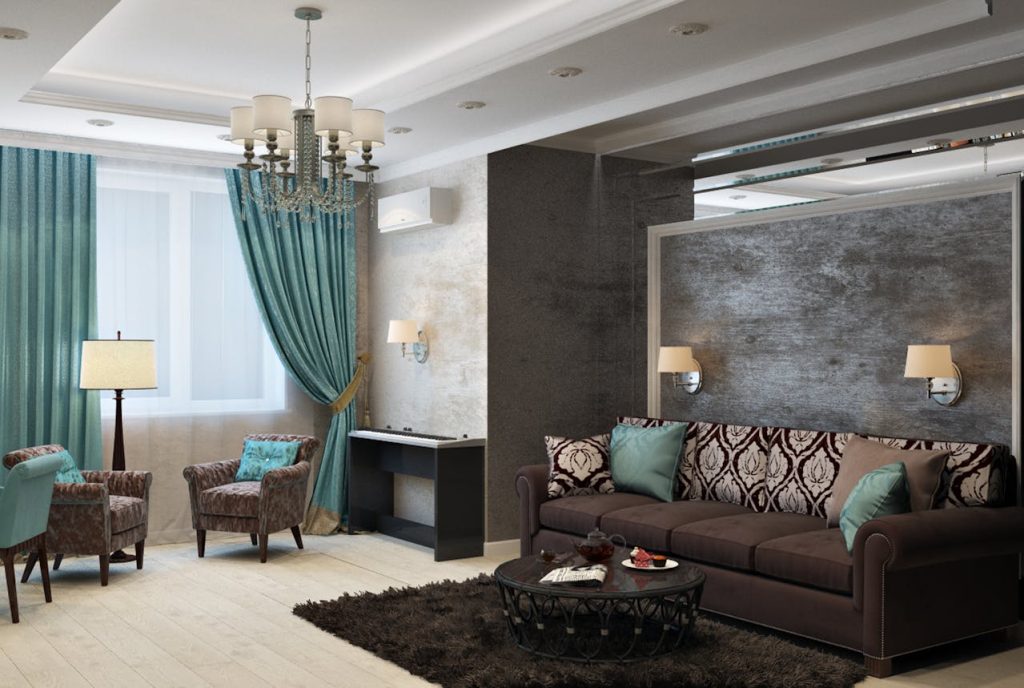
Rugs and textures act as bridges between different parts of a room. A patterned rug can pull together colors from walls, furniture, and accessories, creating visual harmony. You can use texture to introduce subtle tonal variation that makes a palette feel layered instead of flat. By coordinating fabrics and surfaces, you connect disparate elements so the room reads as cohesive and purposeful.
Mixing textures also reinforces style. A rustic jute rug with a leather sofa evokes warmth and traditional charm, while a silk or viscose rug with clean-lined furniture leans modern and sophisticated. You’re sending signals about your design intent without stating it outright.
8. Encouraging Touch and Human Interaction
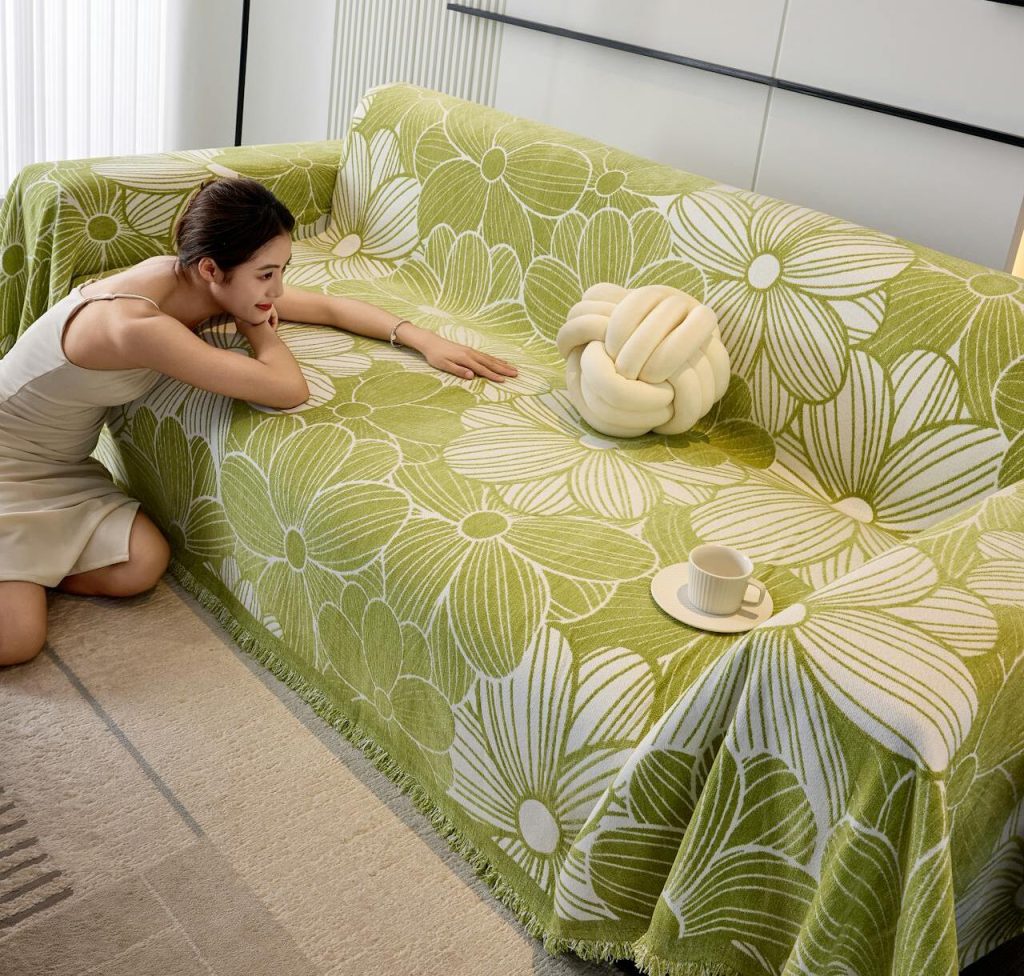
Texture invites interaction. A rug that feels soft underfoot encourages you to linger, a knitted throw tempts you to touch, and a velvet cushion draws hands naturally. These tactile cues make spaces feel approachable and human, not just decorative. You create environments where people feel welcome and engaged, enhancing the emotional impact of your design choices.
Incorporating multiple textures also enriches daily experience. Running a hand over a boucle pillow or sinking toes into a shag rug stimulates senses that go unnoticed in flat, hard spaces. You’re designing for both aesthetics and experience, ensuring that every choice improves comfort, usability, and engagement.
9. Reflecting Personal Style
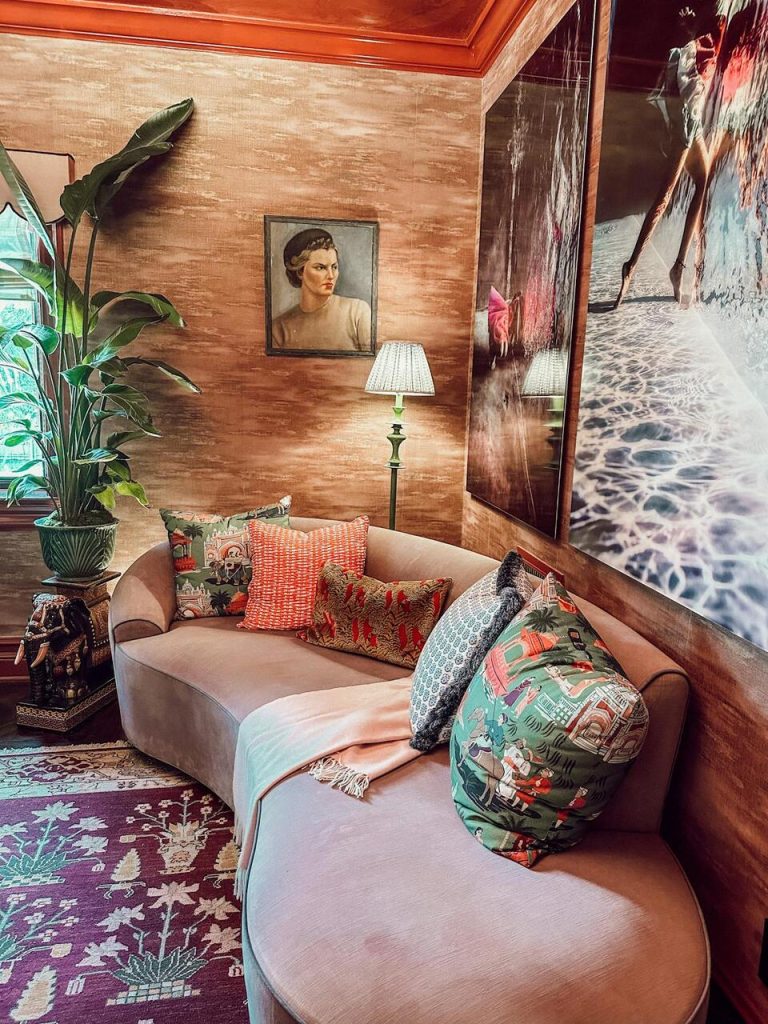
The textures and rugs you choose tell a story about your personality. Whether you favor natural fibers, bold patterns, or luxurious piles, these decisions communicate who you are and how you inhabit your space. A handwoven rug from a local artisan, a vintage leather pouf, or a hand-knit throw all reveal your taste and values while enhancing the room’s feel.
By layering textures thoughtfully, you make the space uniquely yours. You combine comfort, aesthetics, and individuality into a room that is both functional and expressive. Every choice of soft wool, smooth leather, rough jute adds a chapter to the narrative of your home.