
You look back at old ads and quickly realize how much culture, science, and common sense have shifted. What once felt persuasive now feels like satire, revealing the assumptions people live with every day. These campaigns pulled from popular beliefs, emerging research, and social norms that went largely unquestioned at the time.
As you read, you start to see how advertising doesn’t just sell products, it mirrors what people accept as normal. From health claims that sound reckless to household roles presented as unquestionable, these vintage messages feel unintentionally funny today. They remind you that what seems obvious now often took decades of debate, regulation, and changing attitudes to fully understand.
1. Cigarettes, doctors “recommended.”

You read old cigarette ads quoting physicians, and it feels surreal. Tobacco companies like Camel ran campaigns suggesting certain brands were gentler on your throat, leaning on selective surveys and vague medical language. At the time, the long-term health risks were not widely accepted, and many people trusted these messages.
Looking back, you see how authority was used to reassure you rather than inform you. Public health research and later regulations changed how tobacco could be marketed, but these ads remain a reminder of how easily confidence can be mistaken for evidence when industries shape the narrative.
2. Housewives are thrilled by every chore

You flip through old appliance ads and notice how often they assume you find deep joy in cleaning. Brands framed washing machines and vacuums as tools that would make you a better, happier homemaker, reinforcing narrow expectations about daily life and fulfillment.
Today, you might smile at the exaggerated enthusiasm, but these ads reflected real social pressures. They show how marketing once leaned heavily on rigid roles, presenting domestic work as a woman’s primary source of pride rather than one part of a broader identity. It reminds you how easily advertising can shape what feels expected in everyday routines.
3. Candy cigarettes for kids

You see vintage packaging that encouraged you as a child to mimic adult habits with candy cigarettes. These products were marketed as harmless fun, normalizing the look and gestures of smoking long before health campaigns warned against it.
In hindsight, you recognize how subtle cues shape behavior. While many people remember them nostalgically, changing attitudes toward tobacco led to declining popularity and criticism. The ads now feel oddly tone deaf, highlighting how cultural awareness can shift what seems acceptable. It shows how even playful products can carry messages that linger far longer than expected.
4. Lysol as a hygiene solution

Early ads from Lysol promoted the product for intimate hygiene, suggesting it could protect relationships and confidence. Medical historians note that these campaigns relied on fear and limited public understanding of reproductive health.
Reading them today, you can’t help but be surprised by how casually strong disinfectants were framed as personal care. The shift toward evidence-based health guidance makes these messages feel both alarming and unintentionally absurd. You see how marketing once stepped into deeply personal spaces with misplaced certainty. It’s a reminder of why clear science and honest communication matter so much.
5. Think Small and be proud of it

The famous campaign for the Volkswagen Beetle invited you to embrace modesty at a time when bigger cars symbolized status. Its understated humor challenged expectations and stood out in a market full of bold claims.
While the message still feels clever, you might find it funny how radical simplicity once seemed. The ad’s success shows how changing tastes can turn what was once countercultural into a familiar design philosophy you barely question today. You notice how restraint itself became a selling point rather than a compromise. It highlights how bold ideas sometimes arrive quietly and reshape what you value.
6. Soda as a health boost
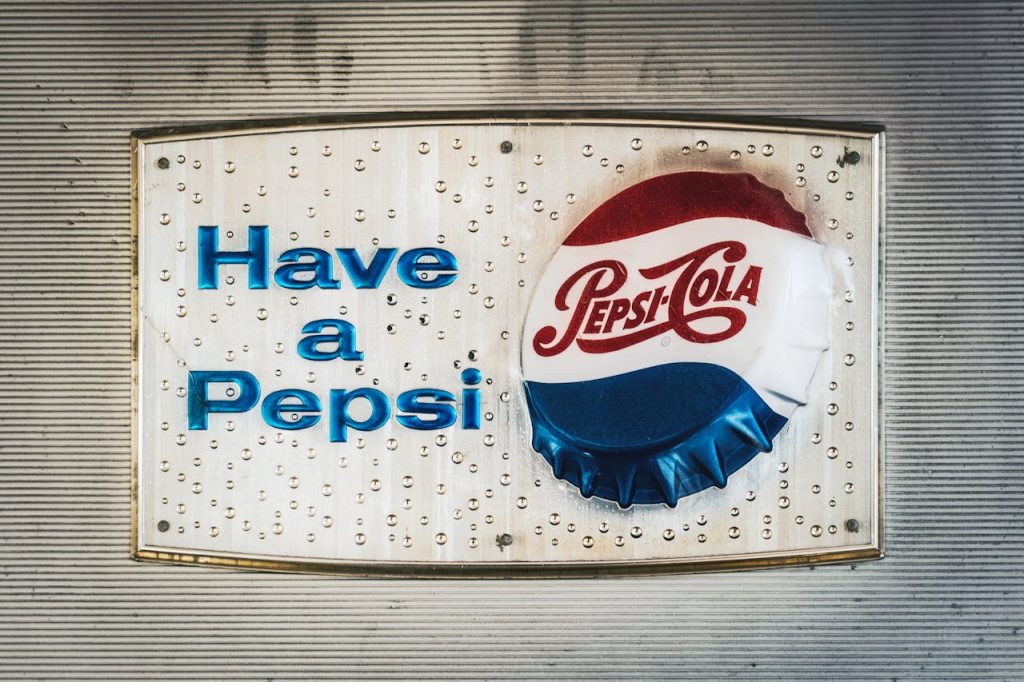
Early promotions from Coca-Cola sometimes highlighted energy and refreshment in ways that blurred into wellness claims. Before modern nutrition standards, you were encouraged to see soft drinks as uplifting daily tonics.
Now, with clearer labeling and broader awareness of sugar’s effects, those messages feel overly optimistic. They reveal how evolving science reshapes what companies can promise and what you expect from everyday products. You start to see how marketing language can stretch simple benefits into bigger promises. Looking back, it’s a reminder to question claims that sound too reassuring.
7. Smoke to stay slim

Some vintage campaigns suggested that cigarettes could help you manage appetite, framing smoking as a lifestyle choice tied to appearance. These messages tapped into social pressures around body image and personal discipline.
From today’s perspective, you see how harmful ideas were packaged as helpful advice. Public health efforts and changing norms have reframed the conversation, making these ads feel startlingly out of step with current understanding. You realize how persuasive messaging can blur the line between aspiration and risk. It also shows how quickly accepted advice can unravel as evidence grows.
8. Stereotypes used as selling points

You come across ads that relied on caricatures or cultural shortcuts to grab attention. What once passed without comment now reads as uncomfortable, showing how marketing reflected broader social biases of its time.
Seeing these images helps you understand how standards evolve. The humor that advertisers expected you to share now often prompts reflection instead, reminding you that representation carries real impact beyond a quick sale. You start to notice how easily familiar imagery can shape assumptions without you realizing it. Looking back, these campaigns offer a clear lesson in why thoughtful representation matters.
9. Dad knows the best coffee moments

Old coffee ads often depicted fathers as wise decision makers while mothers served the perfect cup, reinforcing tidy family hierarchies. The scenes were designed to feel reassuring, suggesting harmony through traditional roles.
Today, you might find the certainty amusing, especially as family dynamics have diversified. These ads capture a snapshot of expectations that feel simplified compared to the complexity you recognize in everyday life now. You notice how neatly conflict is smoothed over, as if a good brew solved everything. It makes you reflect on how storytelling shapes what feels normal at home.