Here’s the thing about these nine villages: stepping into them feels less like travel and more like time travel. You’ll leave behind the buzz of airports and highways and find places where daily life follows rhythms that haven’t changed for centuries.
Each of these villages holds a quiet authenticity stone streets that curve the way they did a thousand years ago, locals still tending traditions their grandparents taught them, and landscapes that refuse to hurry. What this really means is that these aren’t museum sets. They’re real communities where time seems to move a little slower, and where you, as a visitor, can actually feel the past lived out in the present.
1. Shirakawa‑go, Japan
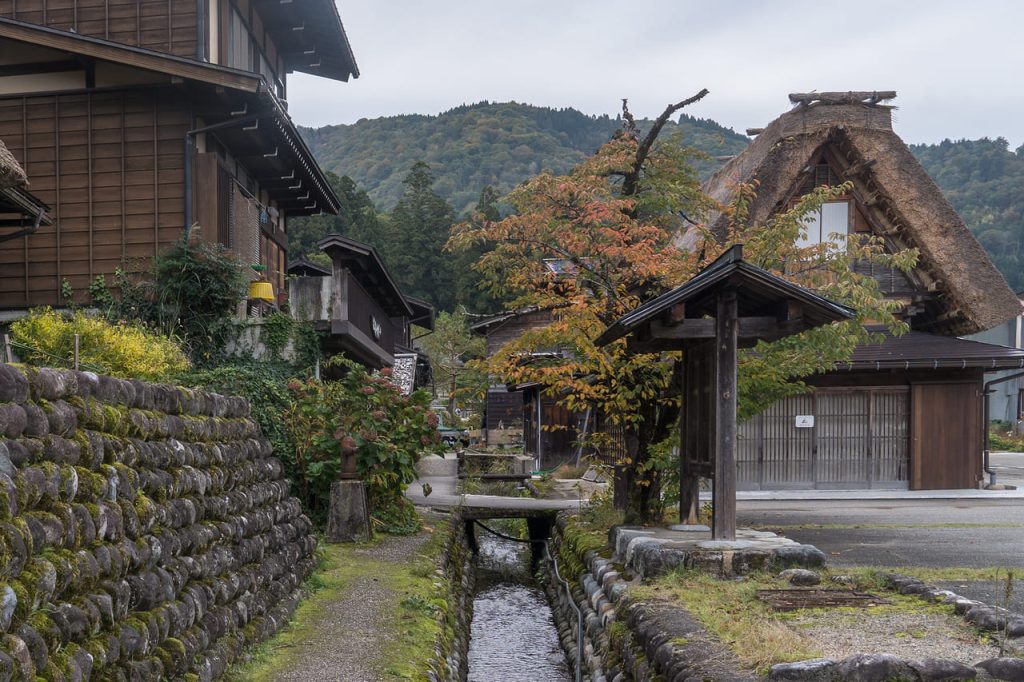
If you want a village that looks like it leapt straight out of a storybook, Shirakawa‑go delivers. Nestled in the Japanese Alps, this mountain community is famous for its gassho‑zukuri houses-steep‑thatched roofs designed to shed heavy snow. These wooden homes date back hundreds of years, and the layout of the hamlet hasn’t changed much in generations.
When you walk its narrow lanes, it’s easy to imagine farmers tending silkworms and rice paddies long before modern infrastructure arrived. In winter, the snow adds a hush that makes time feel suspended. Despite its UNESCO status, daily life here still moves at a pace that feels deeply human.
2. Hallstatt, Austria
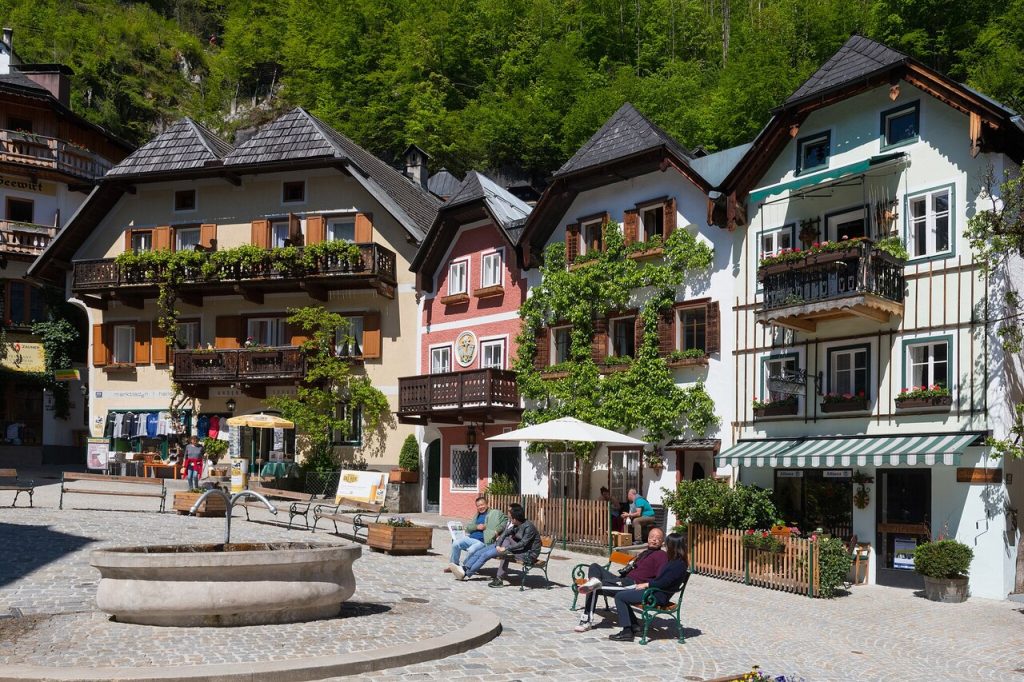
Hallstatt sits on the edge of a serene lake with the Dachstein Alps rising behind it. For centuries, this village was a mining community long before tourism arrived. Its pastel houses cling to the steep slope, and narrow streets wind between centuries‑old buildings.
You’ll notice how locals still use the lake and the mountains as their backdrop for everyday life ferries slide across mirrored water while fishermen prepare nets. Time here feels slow not because of stagnation but because history is still visible in the stones, woodwork, and traditions. You can also pause at a café overlooking the lake and feel like you’ve stepped back hundreds of years.
3. Bibury, England
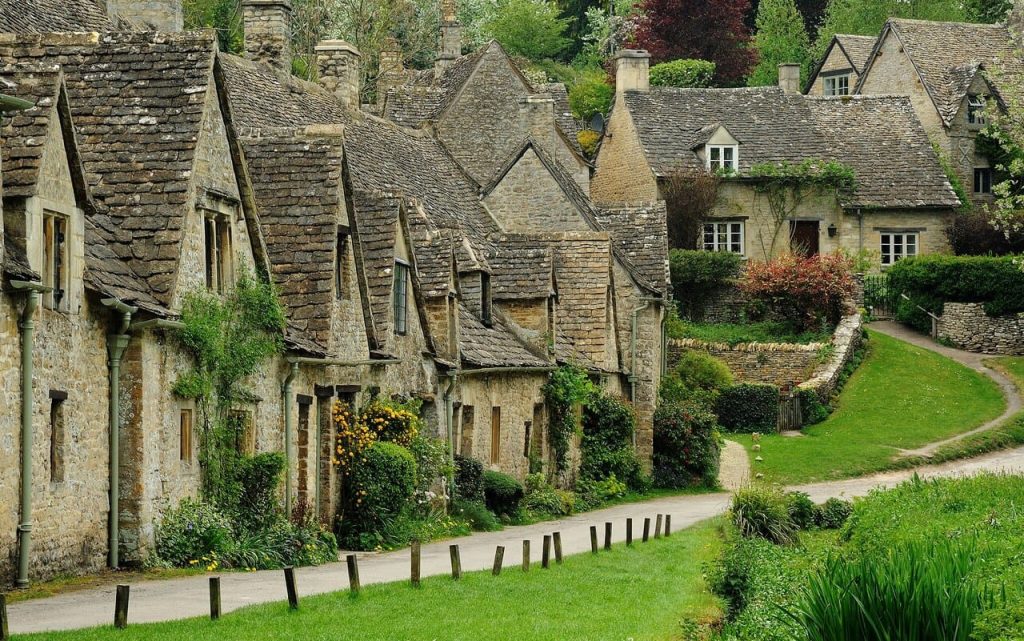
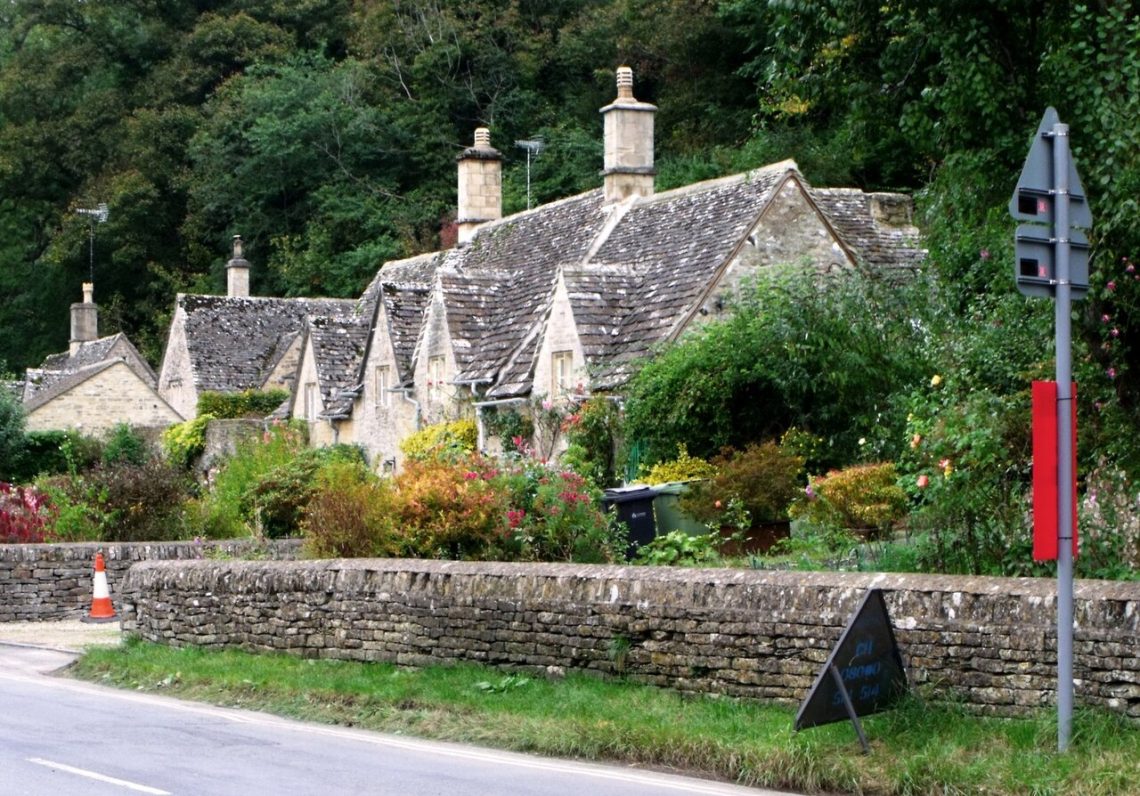
In the Cotswolds, Bibury feels like the idealized version of English countryside life. Stone cottages with steep roofs and climbing vines line the River Coln, a setting so serene it inspired writers and artists centuries ago. The village hasn’t had to reinvent itself because its charm lies in continuity. When you stroll Arlington Row, you see homes that were originally built for weavers in the 14th century.
Today’s residents still treat the landscape with care, tending gardens and maintaining thatched roofs. It’s one thing to read about old England. It’s another to stand in it. You might even catch the soft clatter of horse hooves on cobblestones, a sound that feels like a whisper from the past.
4. Alberobello, Italy
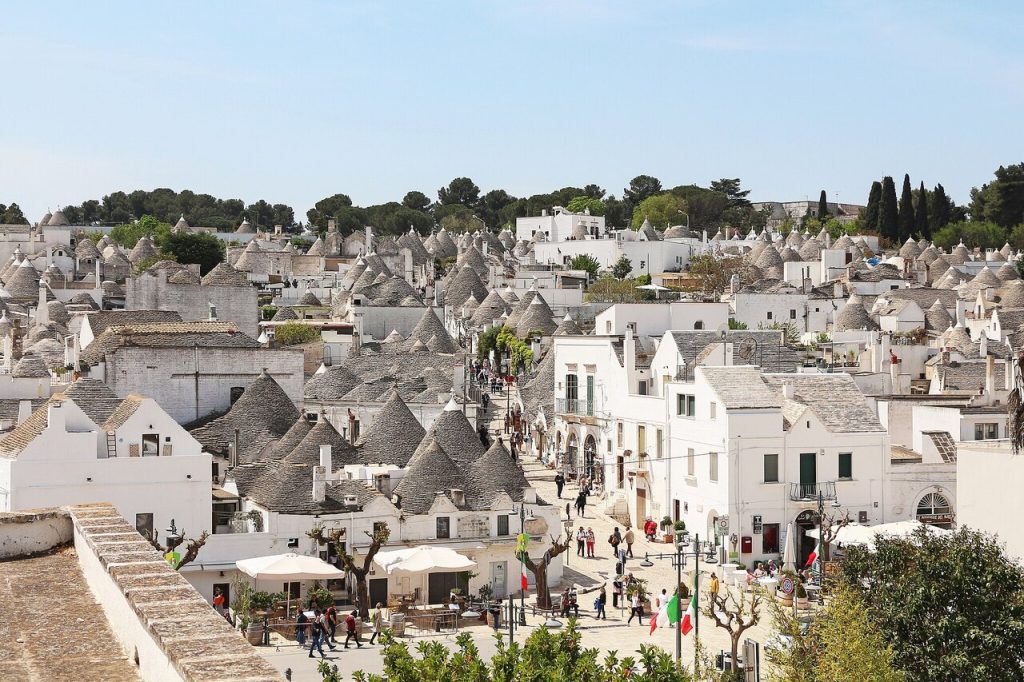
Alberobello’s signature feature is the trulli whitewashed stone huts with conical roofs built without mortar. These curious structures are unique to this part of Italy and were constructed centuries ago by farmers who needed simple, sturdy shelter.
The narrow streets twist between these cone‑topped homes, and many are still lived in or used by local artisans. When you wander here, it feels like stepping into a village that never fully encountered the pressures of modern design. You’ll find workshops selling handmade goods, cafes tucked into stone, and a community that still favors tradition over trend.
5. Cesky Krumlov, Czech Republic
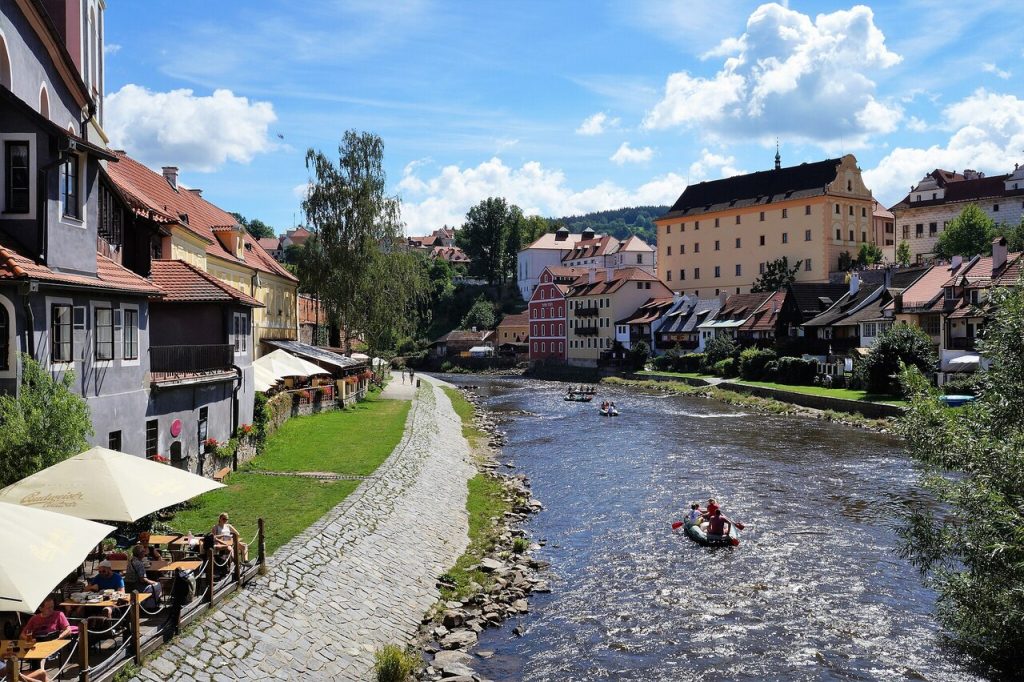
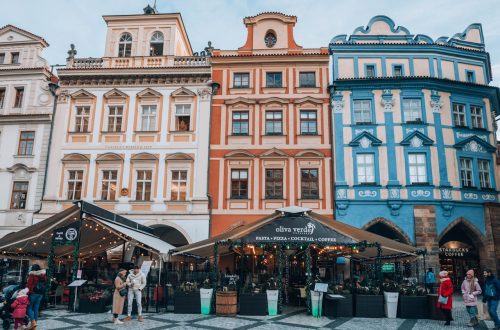
You might know Prague’s old town, but Cesky Krumlov offers something different: a medieval town center that feels undisturbed by modern glass and steel. Cobbled streets wind around a Gothic castle that overlooks a bend in the Vltava River. Locals here live with centuries of history literally in their backyards.
Shopkeepers still greet customers in small family‑run stores, and taverns serve recipes passed down through generations. The result is a village atmosphere with a pulse that’s familiar yet comfortably rooted in the past. As you wander, you’ll notice the soft glow of lanterns at dusk, casting shadows that make the streets feel suspended in time.
6. Hollókő, Hungary
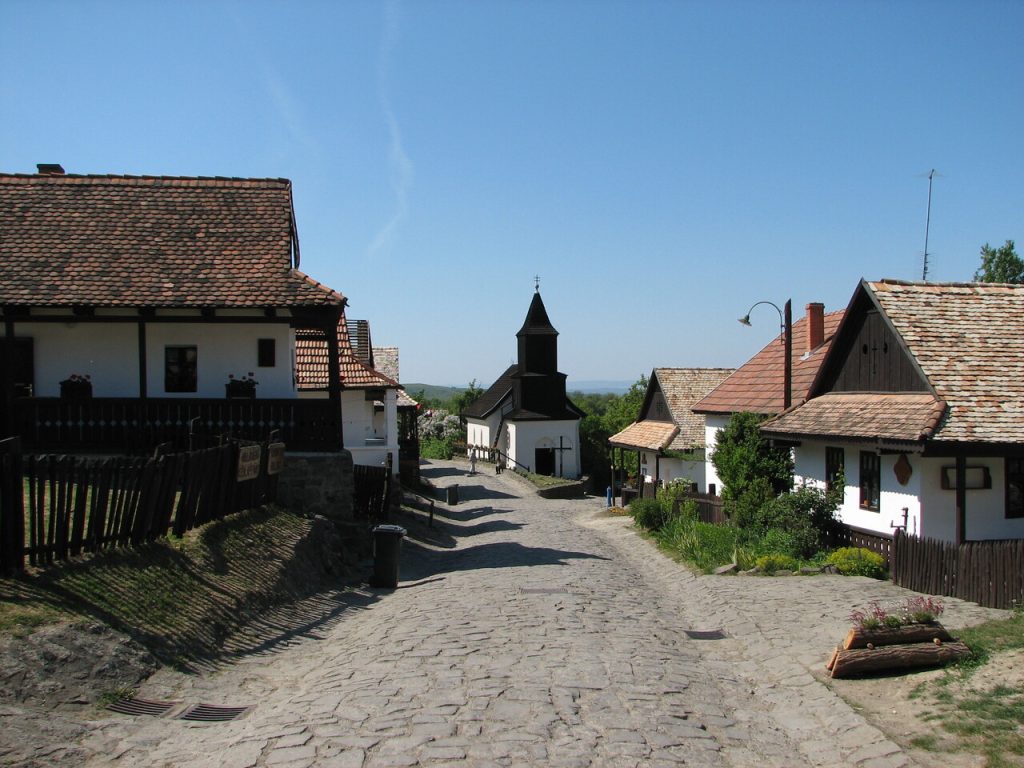
Step into Hollókő and you’ll sense right away that this is more than a preserved village; it’s a living one. Timber homes, red‑tiled roofs, and gardens full of herbs and flowers paint a picture of rural Hungarian life that hasn’t shifted dramatically for centuries. Folk traditions remain strong; you might catch villagers playing traditional music or preparing age‑old recipes during seasonal festivals.
The community here doesn’t recreate the past for tourists. It lives it. That authenticity is what makes Hollókő feel like a place outside of time. As you stroll through its narrow lanes, the scent of freshly baked bread and blooming flowers adds a sensory link to generations past.
7. Giethoorn, Netherlands
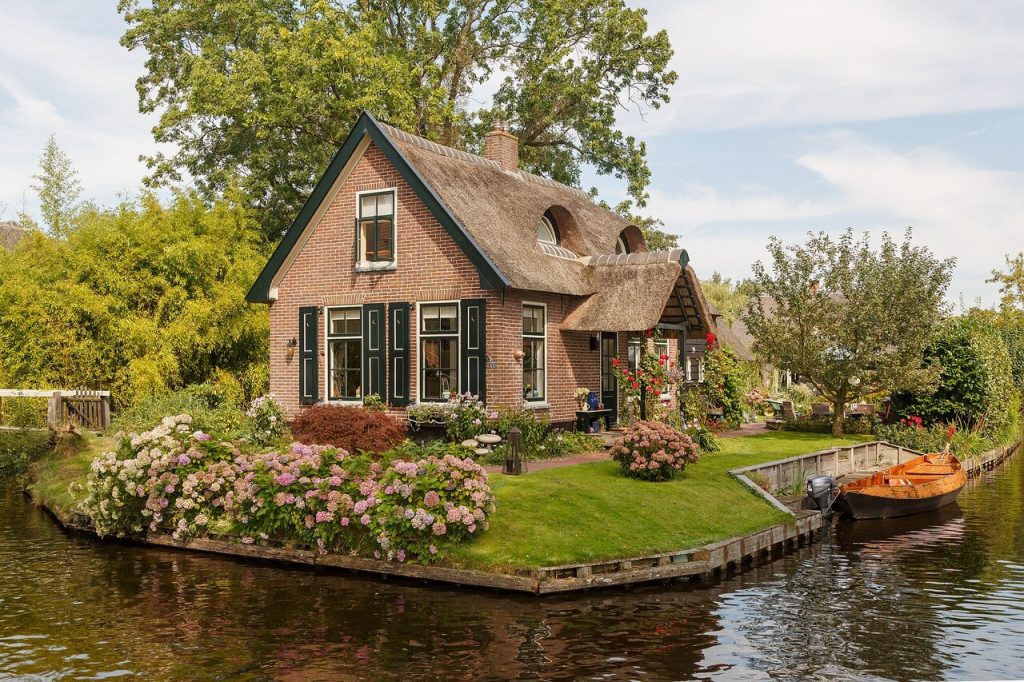
Giethoorn stands apart because its main streets are waterways. Called the “Venice of the North,” this village has no cars in its historic center. You’ll get around by boat, bike, or foot along moss‑covered lanes beside thatched cottages. Wooden bridges arch over narrow canals, and willow trees dip into the water.
Life here follows rhythms the same way it did before cars reshaped towns across Europe. When you glide through Giethoorn at dawn, the water’s quiet surface and gentle chimes of boat bells make it feel like you’re floating through another era entirely. You might even spot ducks and swans drifting alongside you, adding a tranquil, timeless charm to every turn of the canal.
8. Monsanto, Portugal
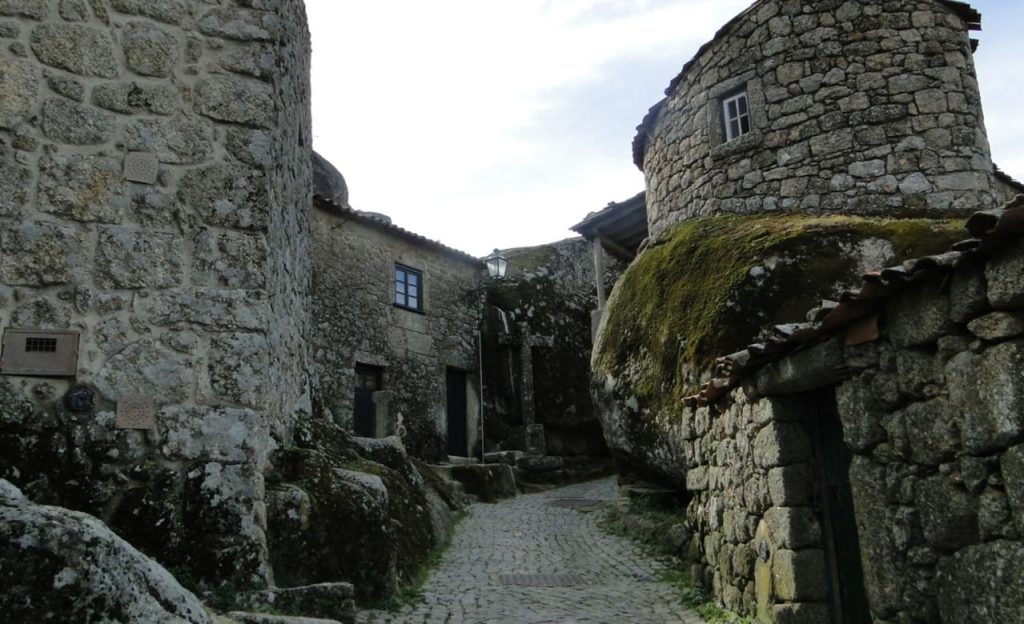
Carved into a granite hillside, Monsanto feels both ancient and elemental. Massive boulders shape the streets and homes, some of which are built right into rock faces. There’s a sense here that people adapted to the landscape long before the age of mechanized architecture. As you stroll crooked paths and climb stone steps, you notice how buildings and terrain blend naturally, almost as if time itself designed the village.
Monsanto’s simplicity and rugged beauty remind you that some places never needed to change to remain extraordinary. From high points, you can take in sweeping views of the countryside that seem unchanged for centuries, reinforcing the village’s timeless aura.
9. Oia (Santorini), Greece
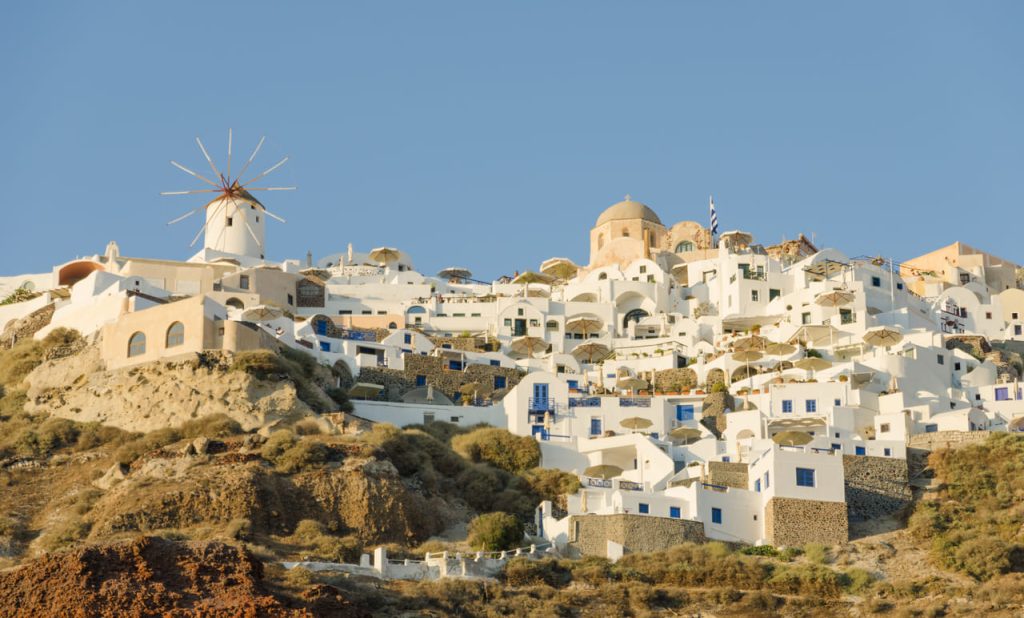
Oia on Santorini isn’t “frozen” in the way medieval villages are, but parts of it still feel like a perpetual sunset from centuries ago. Whitewashed homes and blue domes cling to cliffs above the Aegean Sea, and narrow walkways curve between them.
What makes Oia feel timeless isn’t just the architecture; it’s the way life unfolds against the same horizon that ancient Greeks once watched. Fishermen still set out at dawn, bakers still fire clay ovens, and wind patterns feel as steady as they must have in classical times. This blend of beauty and continuity gives Oia a unique sense of belonging to both past and present.