Travelers often gravitate toward major cultural institutions, but the world of museums is filled with countless lesser-known places that hold extraordinary stories, unconventional collections, and imaginative presentations. These hidden gems often provide more intimate experiences than their famous counterparts, allowing visitors to explore at a slower pace and with a deeper sense of curiosity. What sets under-the-radar museums apart is the personal passion of their founders, the uniqueness of their subject matter, and the quiet sense of discovery they offer. Rather than overwhelming you with crowds or broad historical narratives, they invite you into compact worlds where every object has meaning, and every room is crafted with intention.
1. Museum of Jurassic Technology
The Museum of Jurassic Technology is widely regarded as one of the most mysterious and unconventional institutions in the United States, largely due to its refusal to operate like a traditional museum. Walking through its dim, labyrinth-like halls feels like entering a space where the boundaries between reality, illusion, and myth blur together in mesmerizing ways. Exhibits present obscure artifacts, pseudo-scientific claims, and micro-sculptures so small they challenge human perception, leaving visitors uncertain about what is authentic and what is intentionally ambiguous. This deliberate uncertainty transforms the museum into a philosophical exploration of how we interpret information, how museums wield authority, and how easily narrative shapes belief.
2. Sir John Soane’s Museum
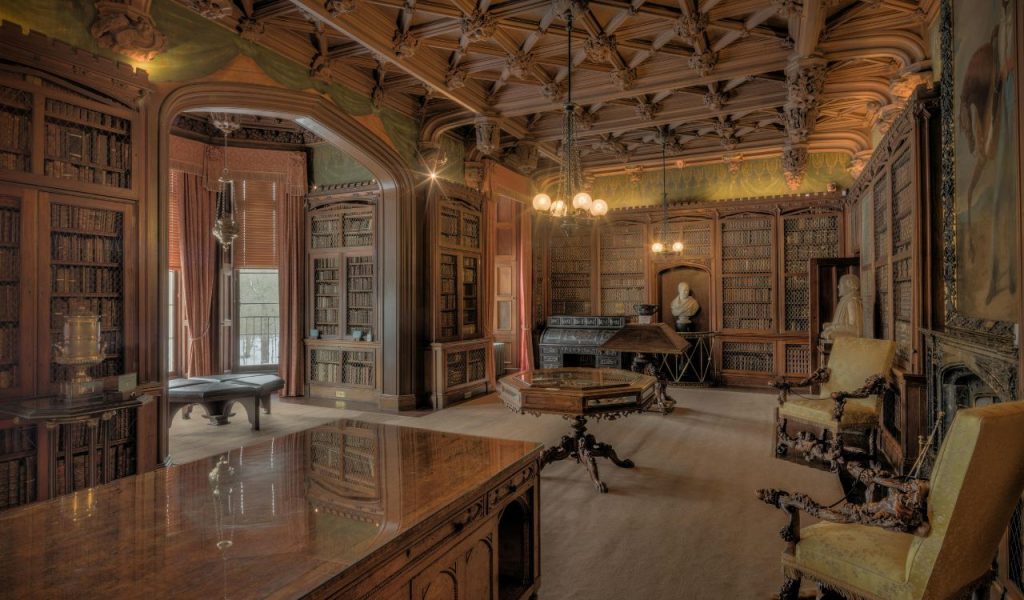
Sir John Soane’s Museum stands as a remarkably preserved testament to the mind of its namesake, the distinguished architect John Soane, who meticulously designed his home to function as a working studio, a teaching space, and a personal sanctuary for his extensive art and antiquities collection. Every room is arranged with a theatrical sense of light, reflection, and shadow, creating optical illusions and emotional contrasts that reveal Soane’s artistic and architectural philosophies. Narrow corridors open into unexpectedly grand chambers, while mirrors strategically placed multiply spatial depth, transforming seemingly modest areas into complex visual environments. Sculptures, paintings, and rare artifacts fill every available surface, yet nothing feels random.
3. Museum of Bad Art
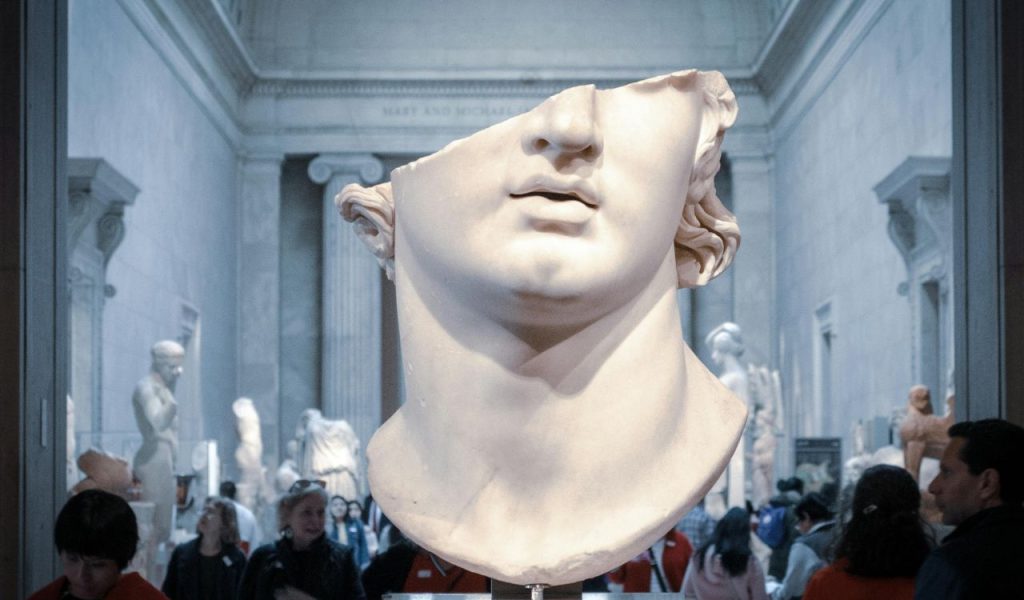
The Museum of Bad Art offers a refreshing and humorous counterpoint to the conventional art world by honoring works that fall short of technical excellence yet overflow with earnest creativity. Rather than showcasing polished masterpieces, it presents paintings and drawings marked by disproportionate figures, improbable color choices, awkward anatomy, and unintentional comedy. However, the museum treats these works with genuine affection rather than mockery, emphasizing that artistic expression has value beyond perfection. Visitors find themselves laughing not at the artists but at the charming and deeply human qualities embodied in each piece, which reflect courage, vulnerability, and imagination.
4. Museu Frederic Marès
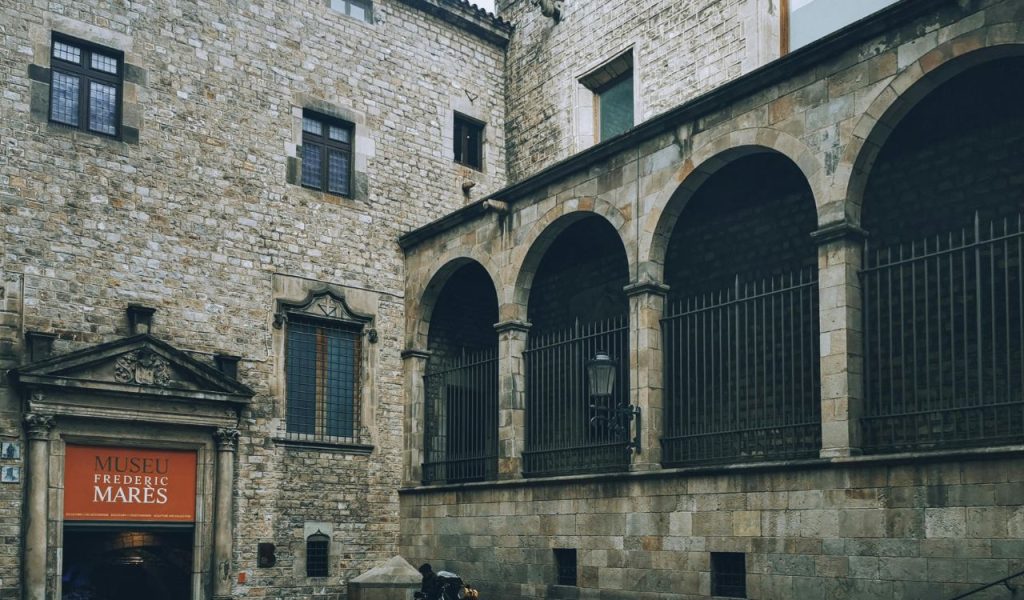
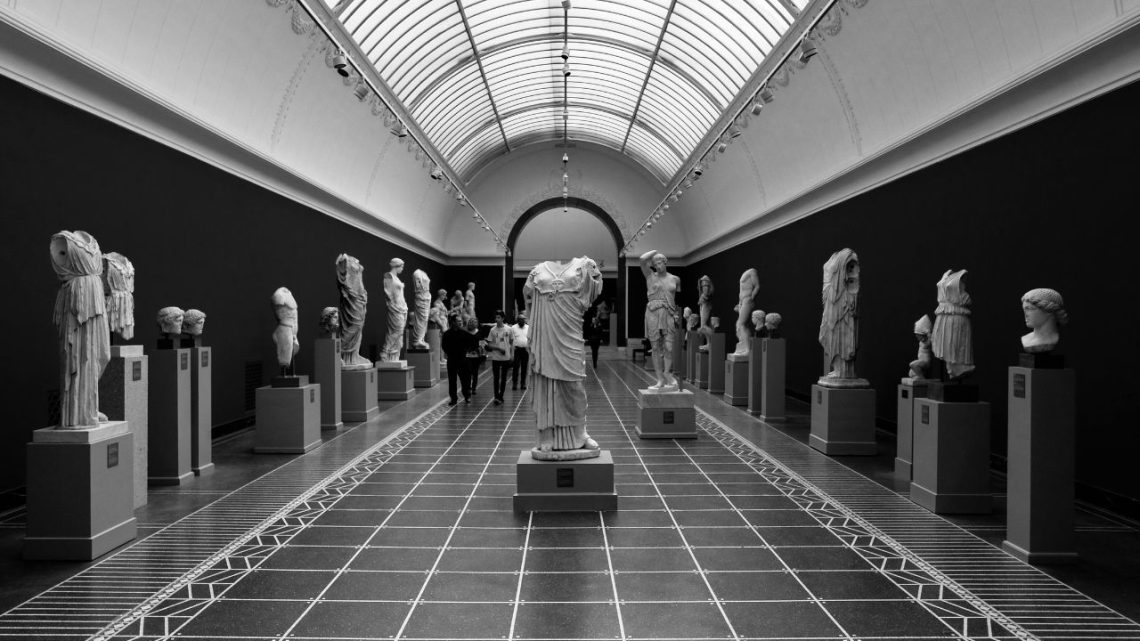
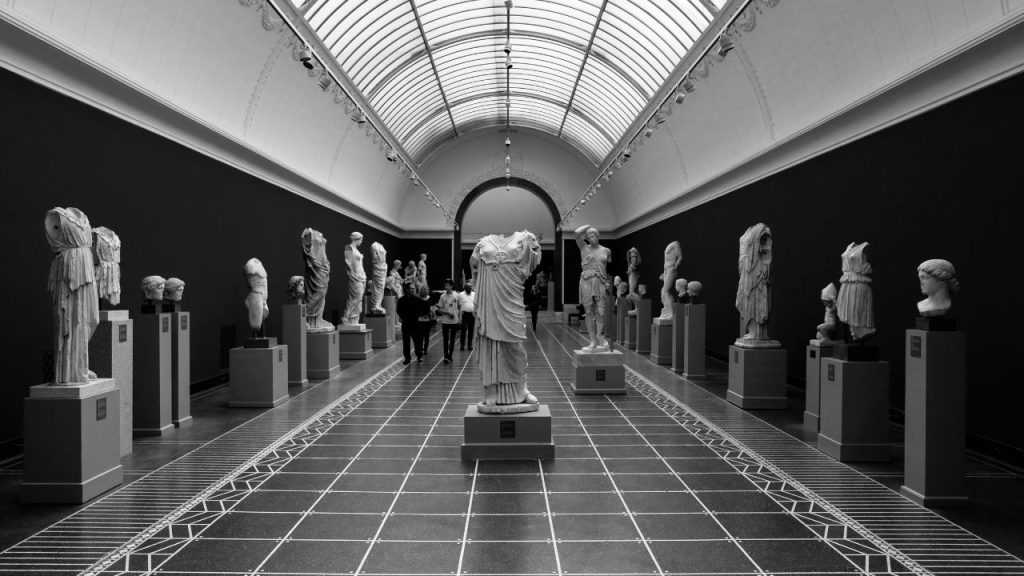
The Museu Frederic Marès provides one of the most personal and eclectic museum experiences in Barcelona, born from the extraordinary collecting habits of sculptor Frederic Marès. Unlike institutions built around carefully curated academic themes, this museum embraces the full spectrum of objects that fascinated Marès, from medieval sculptures and religious carvings to fans, toys, pipes, clocks, and countless everyday artifacts. Moving through its galleries feels like exploring the layered memories of one individual whose curiosity spanned centuries, cultures, and materials. The dramatic contrast between solemn medieval art and whimsical household items creates a rhythm that keeps visitors constantly engaged, never knowing what surprise awaits in the next room.
5. Museum of Russian Icons
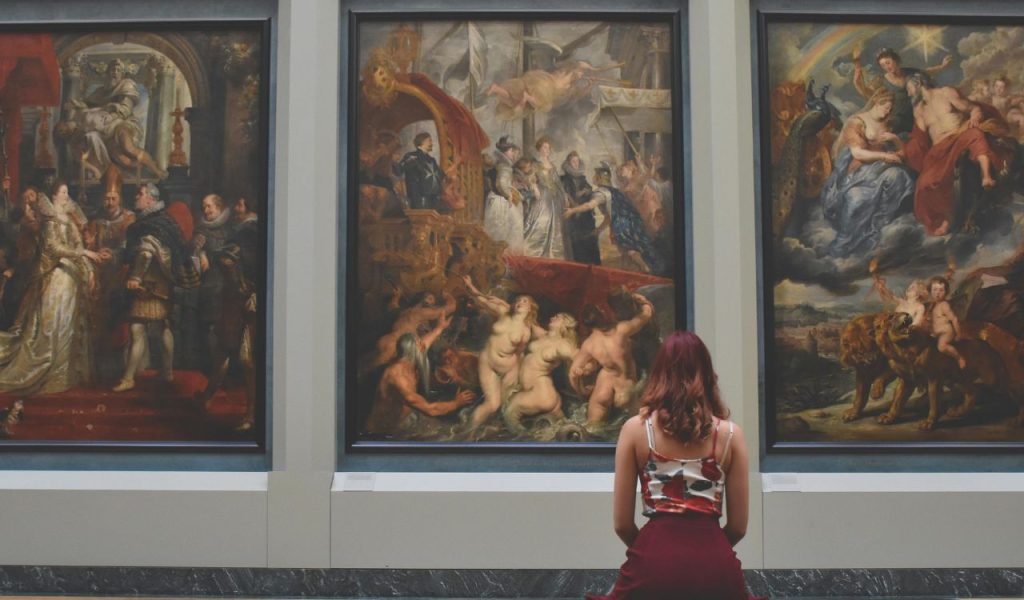
The Museum of Russian Icons houses one of the most impressive collections of Eastern Orthodox religious imagery outside Russia, yet it remains astonishingly underappreciated by the wider public. Its tranquil atmosphere invites visitors to slow down and reflect as they encounter icons spanning centuries, each imbued with symbolic layers that capture the intersection of faith, artistry, and tradition. The museum’s lighting, layout, and interpretive materials create a contemplative environment that encourages thoughtful engagement with both the craftsmanship and the spiritual narratives behind the artworks. Many icons once served as objects of personal devotion.
6. Sulabh International Museum of Toilets
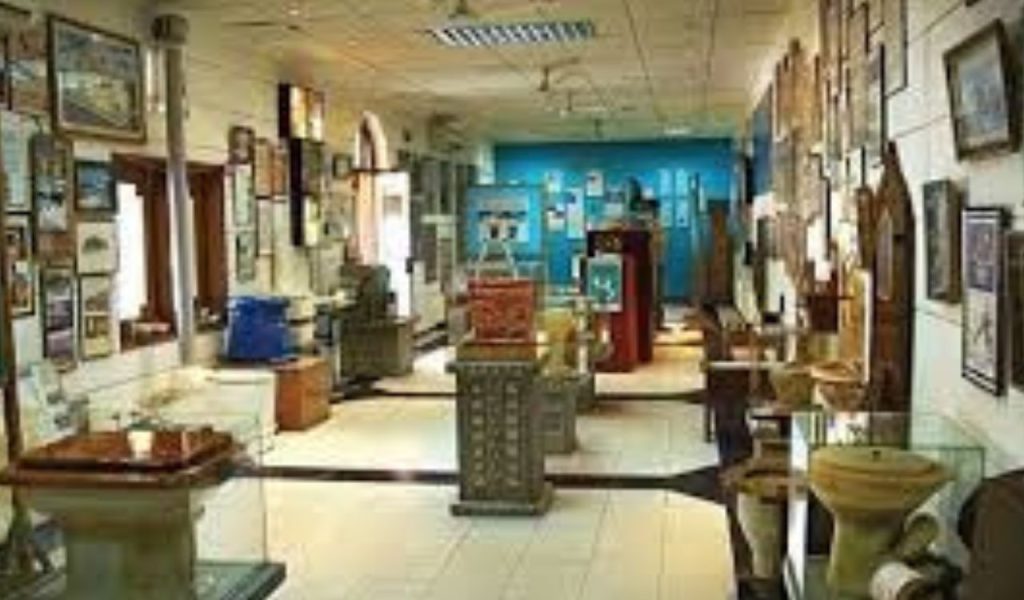
The Sulabh International Museum of Toilets stands out for its unusual yet profoundly important mission: to trace the history of sanitation and highlight its crucial role in public health, social development, and human dignity. Although the subject may initially provoke amusement, the museum presents nearly five thousand years of sanitation history with clarity, insight, and intelligence. Exhibits include ancient chamber pots, ornate royal commodes, early sewage systems, and modern toilet innovations designed for environmental sustainability and underserved communities. Through these displays, the museum demonstrates how hygiene significantly influences the quality of life, mortality rates, architectural innovation, and societal norms.
7. Musée de la Chasse et de la Nature
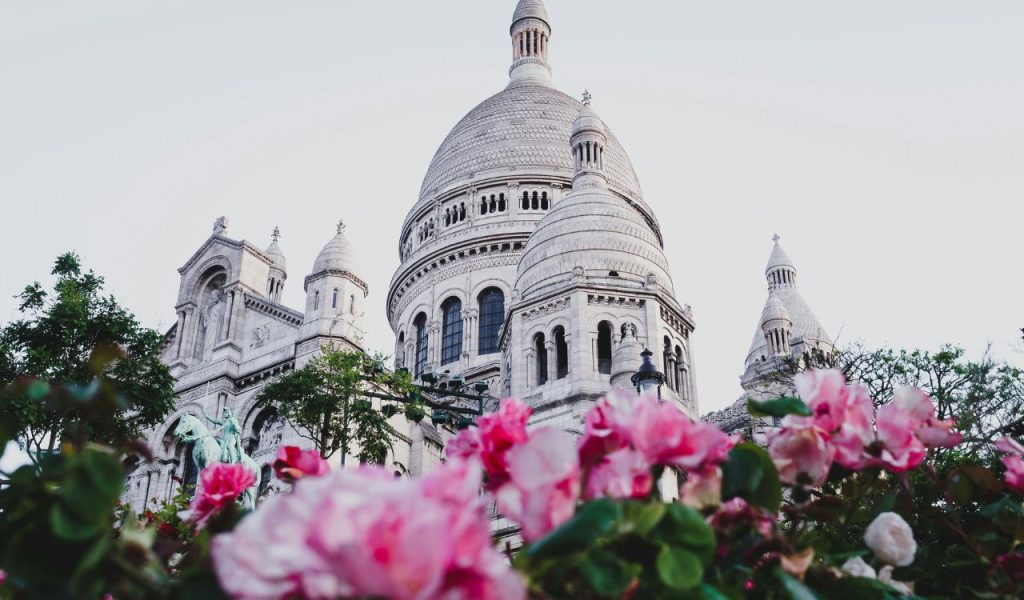
The Musée de la Chasse et de la Nature creates an immersive, atmospheric environment where art, nature, mythology, and human tradition interweave in unexpectedly poetic ways. Its rooms are filled with antique weaponry, hunting trophies, ornate furnishings, and centuries-old artworks that explore the symbolic significance of animals in culture. Yet the museum refuses to remain anchored in the past; contemporary installations and subtle artistic interventions blend seamlessly with historic artifacts, prompting visitors to reconsider familiar narratives. Dynamic soundscapes, creative lighting, and imaginative staging give each room a distinctive emotional tone, making the museum feel almost like a theatrical performance.
8. Neon Museum
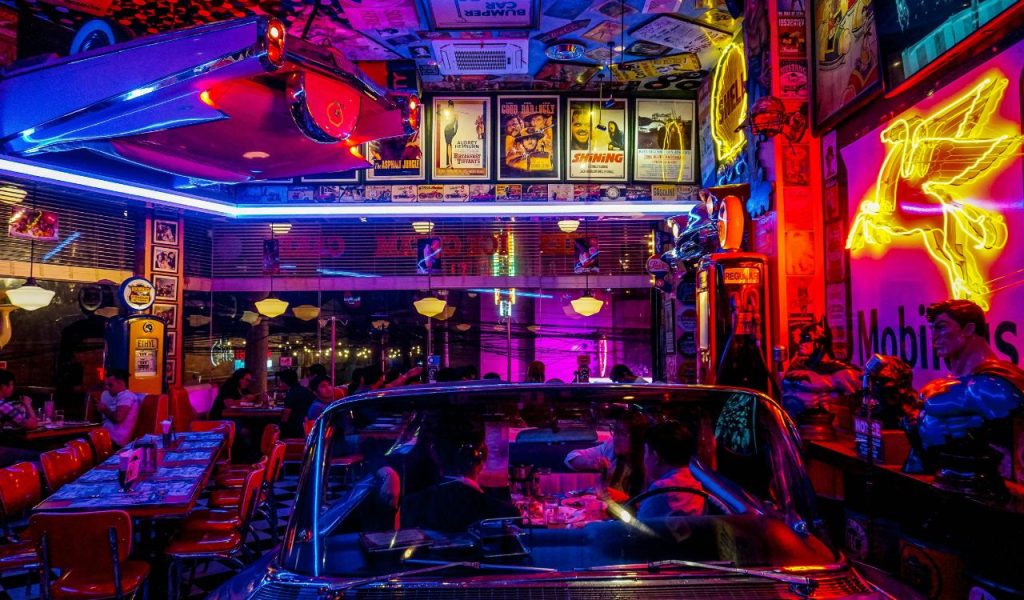
The Neon Museum offers a luminous and deeply nostalgic look at the visual history of Las Vegas, preserving the neon signs that once lit up the city’s casinos, motels, and entertainment venues. Its outdoor Boneyard, filled with towering letters, glowing icons, and weathered fragments, feels like an archaeological site dedicated to American pop culture. Many signs have been restored to their original brilliance, while others remain partially broken, bearing the marks of time and the city’s rapid cycles of change. Each piece tells a story of craftsmanship, design innovation, and the evolving identity of Las Vegas itself, a place built on reinvention, spectacle, and imagination.
9. International Spy Museum
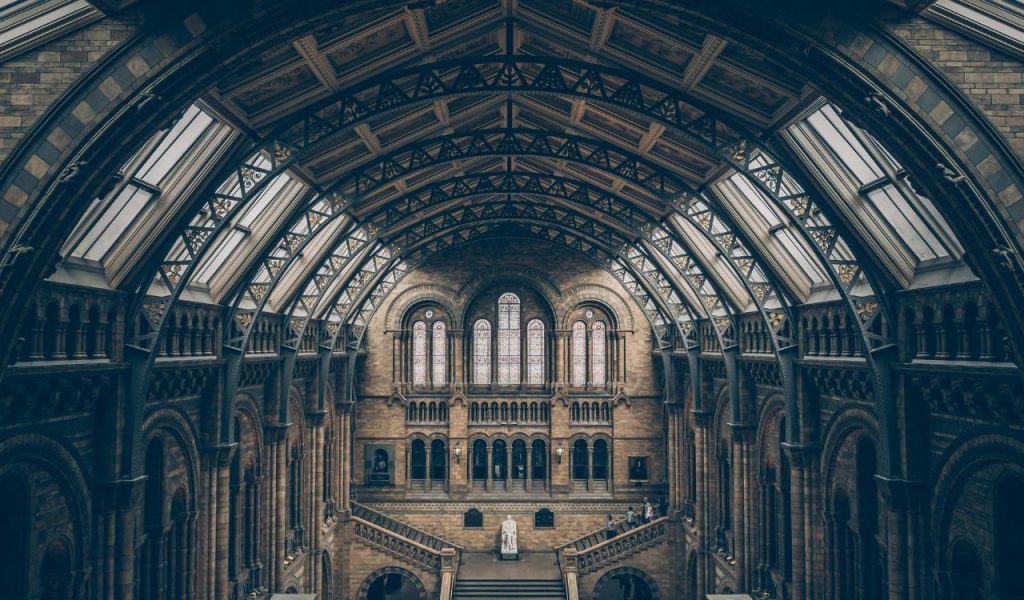
The International Spy Museum provides an engaging and multi-dimensional exploration of espionage, shining light on the hidden operations that have shaped world events throughout history. Unlike many museums focused strictly on artifacts, this institution blends storytelling, interactive experiences, and authentic intelligence tools to immerse visitors in the world of spies. Exhibits feature real gadgets, disguises, encryption devices, and case studies that reveal the strategic and psychological complexities of undercover work. Visitors can test their own observation, codebreaking, and stealth skills, giving them a hands-on understanding of intelligence techniques. The museum also delves into the moral and ethical dilemmas that define espionage, exploring how secrecy, loyalty, and political pressure influence decision-making.