
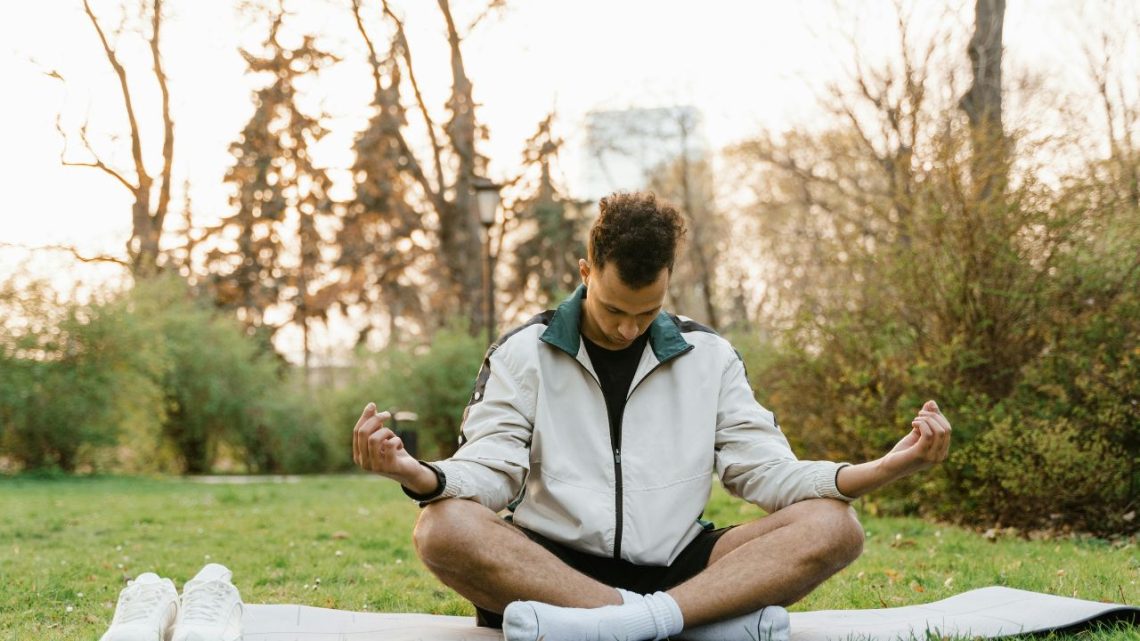

In a world that moves faster than ever, it’s easy to feel like your days pass in a blur. You wake up, check your phone, jump into work, and suddenly it’s night again. Being present isn’t a luxury; it’s a learnable skill. This guide shares nine gentle practices you can weave into everyday life so you feel calmer, clearer, and more grounded. Treat these ideas as an invitation to slow down, reconnect with yourself, and truly experience the moments you’re already living. You don’t have to change your routine at once—just choose one practice, try it with curiosity, and let presence grow naturally.
1. Start Your Day With a 5-Breath Check-In

Instead of grabbing your phone the moment you wake up, pause and sit up slowly. Close your eyes and take five deep, unhurried breaths, feeling your chest and belly rise and fall. Notice the weight of your body, the temperature of the room, and any emotions already present. Then gently ask yourself, “What do I need today?” This tiny ritual takes less than a minute but begins your day with intention instead of autopilot, reminding you that you have a choice in how you meet whatever comes next. Over time, this morning pause becomes an anchor you can trust, offering clarity and gentle grounding.
2. Do One Thing at a Time and Truly Notice It

Multitasking can make even simple moments feel rushed and scattered. Instead, choose one activity: sip your morning coffee, reply to an email, fold a shirt—and give it your full attention. Slow down just enough to notice textures, sounds, scents, and the small details you usually rush past. When your mind wanders, gently guide it back without judging yourself. This practice isn’t about perfection; it’s about presence. By doing one thing at a time, you create tiny pockets of calm that help your day feel more spacious, steady, and genuinely lived, nurturing a sense of ease and quiet focus.
3. Use Mindful Micro-Pauses Between Tasks

Instead of rushing from one activity straight into the next, build in tiny pauses throughout your day. As you finish a task, take a slow breath, relax your shoulders, and simply notice how your body feels in that moment. These 20–30 second breaks help your mind reset and prevent your day from blending into a nonstop stream of doing. You might quietly say to yourself, “Letting go of what I just did… arriving where I am now.” Over time, these micro-pauses create space, soften stress, and remind you that you’re allowed to move through life with a little more calm and intention, gently.
4. Engage Your Senses to Return to the Present

When your mind starts spinning into worries or to-dos, your senses can gently guide you back. Pause and look around for small details you usually overlook the light on a wall, the texture of your clothing, the faint hum of a nearby sound. Try a quick grounding exercise like noticing five things you can see, four you can feel, three you can hear, two you can smell, and one you can taste. This simple sensory check reconnects you to your body, slows your thoughts, and brings you into the here and now with calm clarity. Let your senses anchor you here, offering steadiness and gentle awareness.
5. Turn Everyday Routines Into Meaningful Rituals

Take a daily task you already dolike brewing tea, showering, or tidying a room and approach it with a little more intention. Slow your pace just enough to notice textures, temperatures, sounds, and the rhythm of your movements. Let the activity become a moment of grounding rather than something to rush through. You might pair it with a calming phrase such as “I am here” or “One thing at a time.” When routines become rituals, they add pockets of ease and presence to your day, helping you feel more connected to yourself and the world around you in small, comforting ways. These small shifts truly matter.
6. Practice Deep Listening in Every Conversation

When someone speaks to you, make the intentional choice to listen fully rather than preparing your response. Put your phone down, soften your shoulders, and focus on their tone, expressions, and the pauses between their words. Let yourself be curious instead of reactive. Deep listening builds trust, strengthens relationships, and gently pulls you out of your own mental noise. Even a brief, attentive conversation can ground you in the present moment. By giving someone your full awareness, you also give yourself a chance to slow down, connect, and feel more human in a busy world, offering warmth.
7. Do a Two-Minute Body Scan During the Day

Set aside a brief moment, just two minutes,s to check in with your body. Close your eyes and slowly scan from the top of your head down to your feet, noticing any tightness, warmth, or subtle sensations without trying to change anything. Soften your jaw, relax your shoulders, and let your breath deepen naturally. This simple practice helps you reconnect with yourself when stress or overthinking pulls you away. A body scan invites calm awareness back into your day, reminding you that you don’t need to push through everything on autopilot; you can pause, feel, and realign gently with the present.
8. Create a Gentle Evening Offline Window

Choose a small block of time in the evening—maybe 20 to 60 minutes .when you intentionally step away from screens. Use this space for something calming and grounding, like stretching, light journaling, tidying a corner of your home, or simply sitting with a warm drink. Without constant digital input, your mind has room to slow down and process the day instead of rushing into the next moment. This offline window becomes a soft landing, helping you unwind, reconnect with yourself, and prepare for more restful sleep. Even a short pause can bring surprising clarity, ease, and emotional steadiness.
9. End Your Day With Three Moments of Gratitude

Before you go to sleep, take a minute to recall three specific moments from your day that brought even a small sense of ease, joy, or comfort. They don’t need to be big, maybe a kind message, a warm meal, a quiet walk, or simply making it through a tough moment. Let yourself pause with each memory and feel the warmth it brings. This gentle reflection shifts your attention from what went wrong to what supported you. Over time, this nightly gratitude practice helps you notice more goodness in your daily life, grounding you in presence and nurturing a softer, more appreciative mindset.