
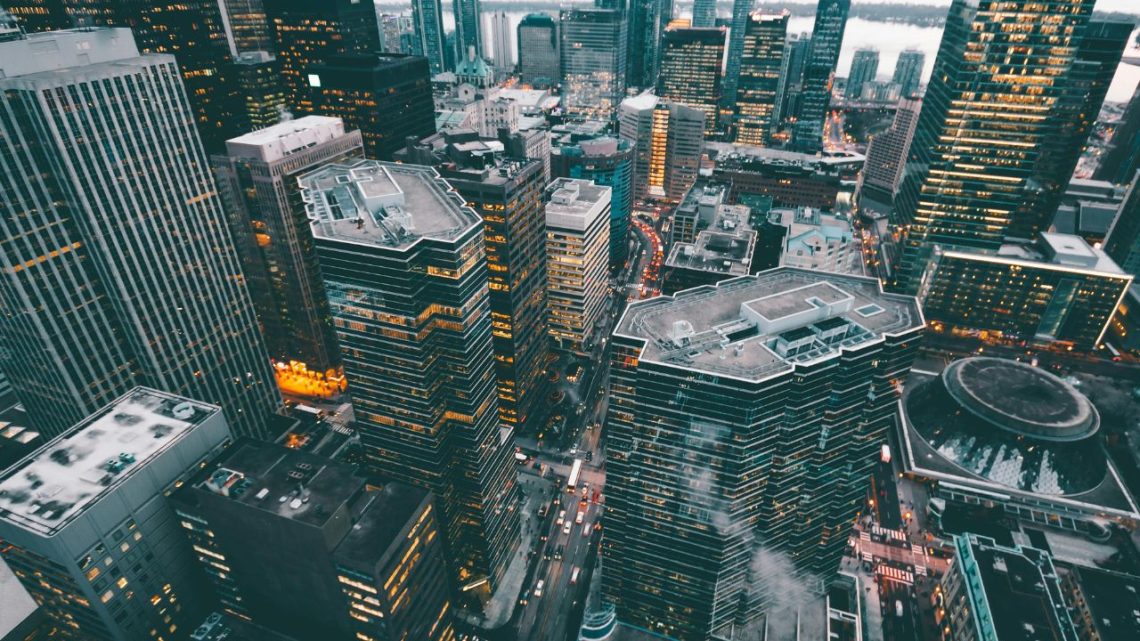
For as long as people have imagined tomorrow, we have filled it with the boldest and most extravagant inventions our minds could dream up. Books, movies, and mid-century futurists confidently sketched a world overflowing with marvels that seemed only a few decades away. The future was expected to be a dazzling playground where machines solved every problem, travel was instantaneous, and humanity effortlessly lived among the stars. Yet here we are, in the real twenty-first century, surrounded by remarkable technologies that are powerful but far less glamorous than the ones we anticipated. Instead of flying cars or teleportation chambers.
1. SkyCars
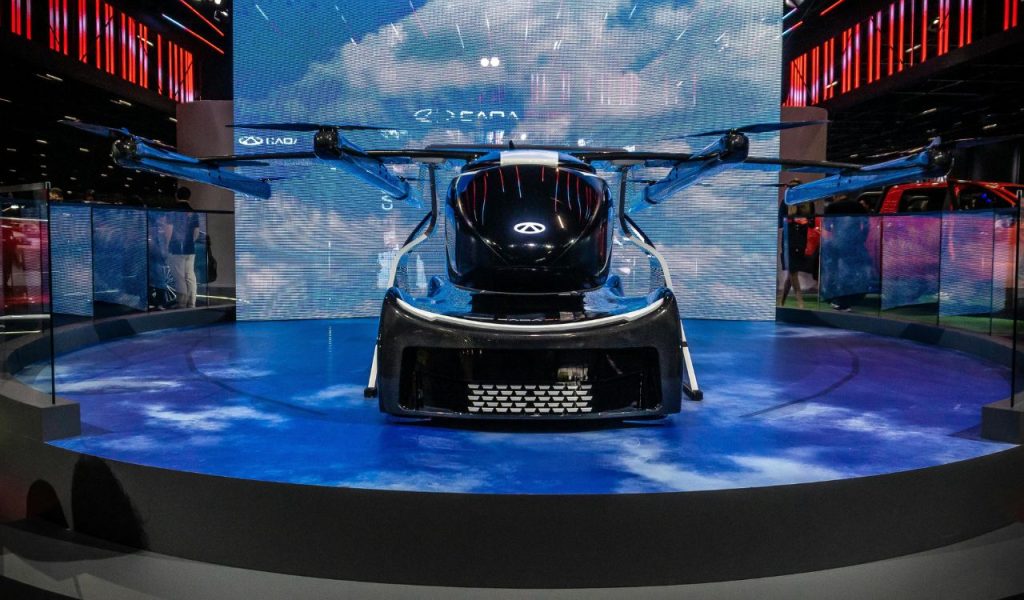
The idea of personal flying cars was once so deeply rooted in the vision of tomorrow that many people genuinely believed we would all be soaring above traffic by the twenty-first century. Early futurists pictured entire cities built around aerial highways where commuters glided effortlessly through the sky, bypassing the hassles of ground travel. What they underestimated was the extraordinary complexity of making such a system safe, efficient, and scalable for ordinary citizens. A vehicle that can both fly and drive demands careful engineering compromises, intense regulation, and specialized training.
2. HomeBots
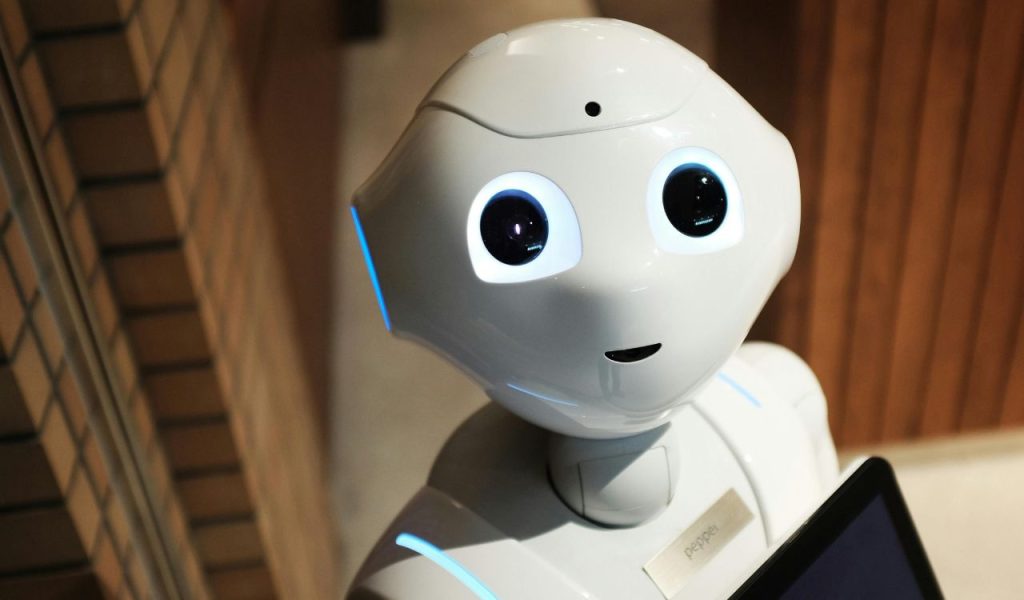
Robot servants once seemed like a guaranteed feature of future living, portrayed as helpful metallic companions who could cook, clean, organize, and manage nearly every household task. Generations grew up expecting a humanoid machine that would glide around the home and eliminate domestic chores entirely. Instead, what modern households have are specialized gadgets: a vacuum that only vacuums, a robotic arm that only sorts or assembles, and an AI voice assistant that can answer questions but cannot physically assist. The real obstacle lies in robotics’ difficulty in handling unstructured environments.
3. TeleBeam
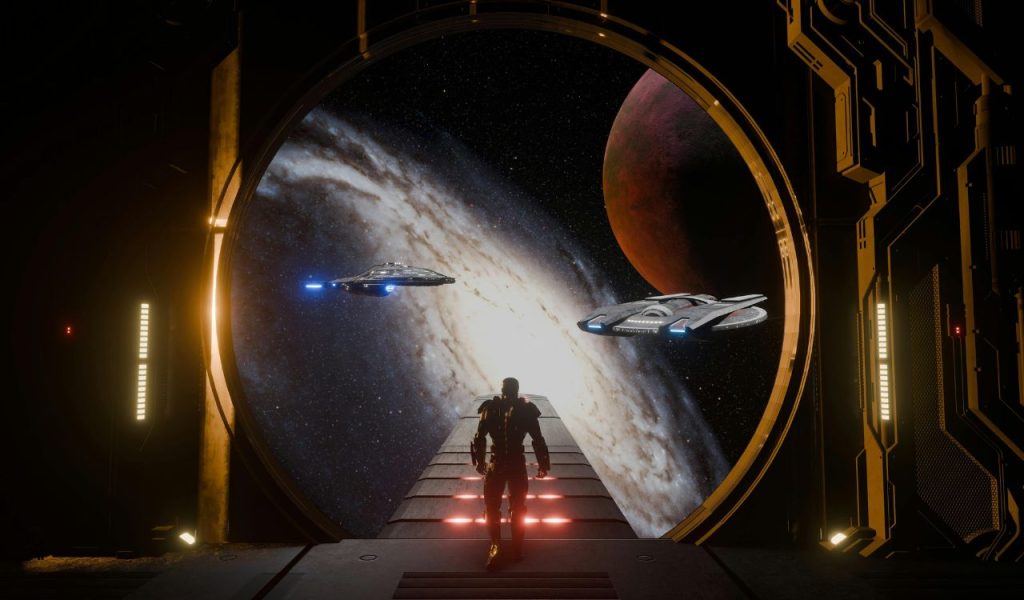
Teleportation has long been one of the most thrilling fantasies of the imagined future, offering a way to eliminate distance entirely. Fiction has shown people dissolving into energy, vanishing in one location, and instantly reappearing somewhere else with precision and ease. This elegant and miraculous form of travel captured the imagination because it symbolized ultimate convenience and freedom from physical limitations. However, the scientific reality behind such a vision is almost impossibly difficult. To teleport a human, a machine would need to record and transmit the exact configuration of trillions of atoms, then reconstruct them perfectly at the destination.
4. MarsDomes
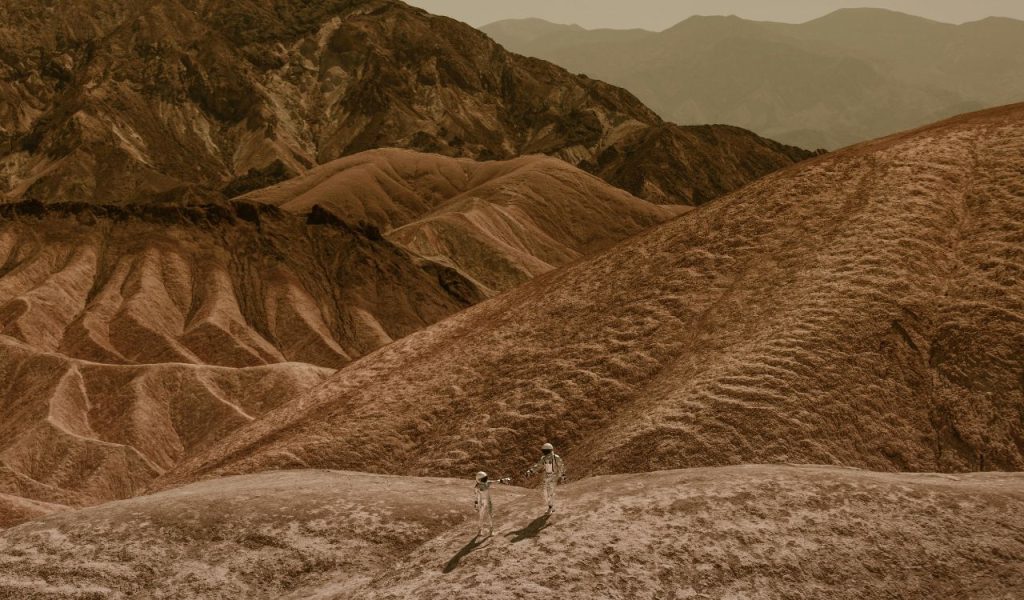
The vision of humans living on Mars walking its dusty surface, cultivating plants in sealed greenhouses, and constructing domed cities has been a powerful dream for decades. After the Moon landings, many predicted that Mars colonization was the next natural step for humanity, expecting that by the early twenty-first century, we would already have permanent outposts there. Yet Mars presents extreme challenges that early futurists underestimated. The planet’s thin atmosphere, severe radiation, bitter cold, and scarce resources require engineering solutions on an enormous scale. Transporting equipment to Mars remains an expensive and risky undertaking, and building sustainable habitats capable of supporting human life for long periods adds further difficulty.
5. MealCaps

Food pills were once thought to be the pinnacle of futuristic convenience, tiny capsules capable of delivering complete nutrition without the need for cooking, eating, or spending time preparing meals. Many believed that the future would abandon traditional dining in favor of ultra-efficient nourishment. What these predictions overlooked is the deep cultural and emotional significance of food. Eating is not simply a biological necessity; it is a sensory experience, a source of comfort, a social tradition, and a creative practice. Furthermore, reducing all nutritional components into a pill-sized form is far more scientifically unrealistic than it first appears.
6. HoverGlide
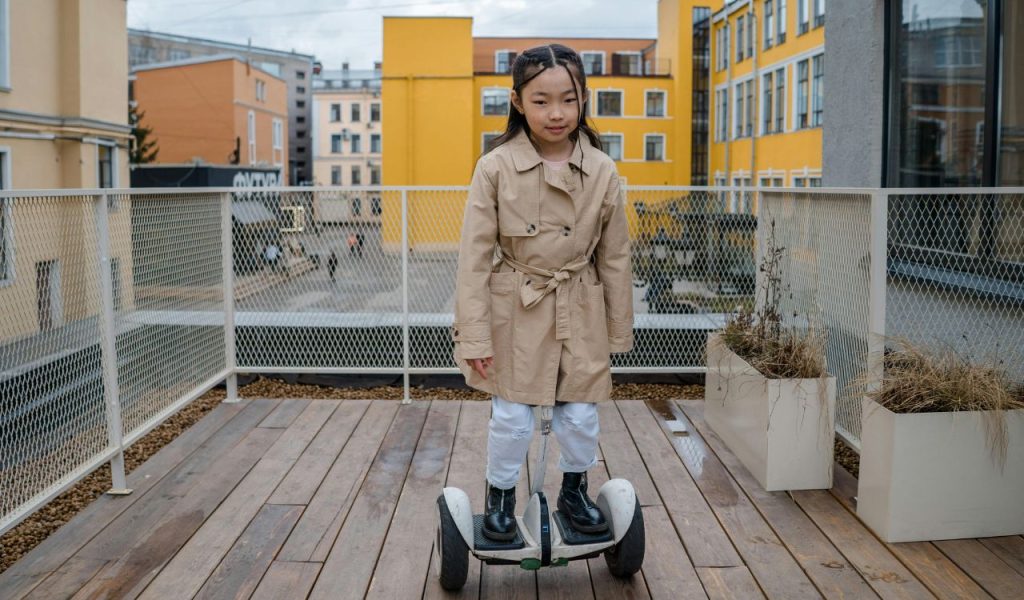
Hoverboards captured the imagination as symbols of a sleek, gravity-defying future in which people effortlessly floated above the ground. The public eagerly anticipated real versions of these futuristic devices, especially when certain popular films associated them with specific years we have already passed. However, the reality of producing a true hoverboard is far more limited. Genuine hovering requires powerful magnetic fields or immense energy output, both of which impose restrictive conditions such as specialized metallic surfaces or heavy, unstable machinery. The so-called “hoverboards” that entered the market were merely self-balancing scooters with wheels, bearing little resemblance to the floating platforms promised by fiction.
7. WeatherX
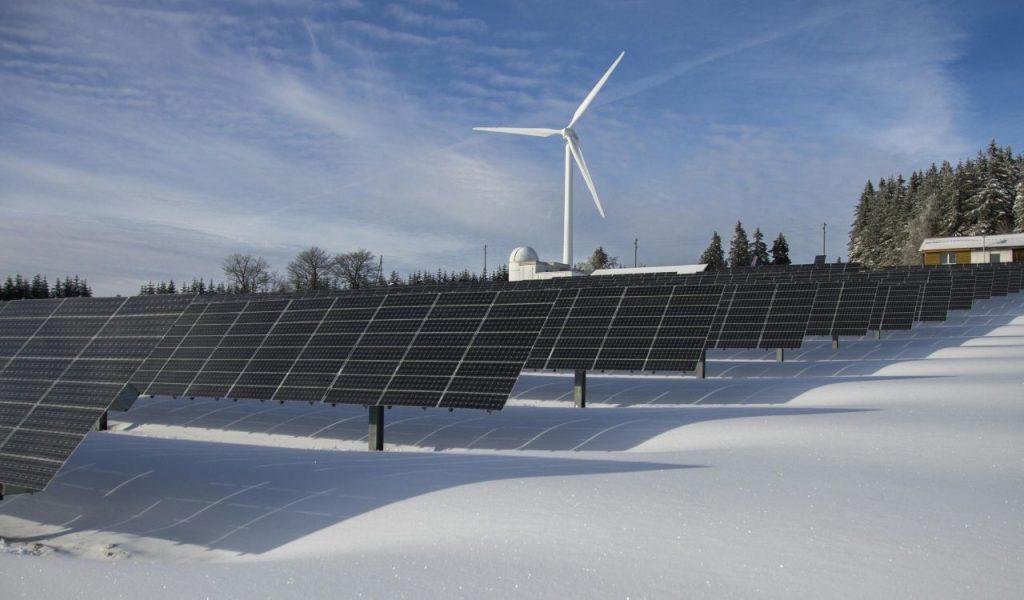
The idea of controlling the weather once seemed not only possible but inevitable, with visions of machines capable of redirecting storms, preventing droughts, and tailoring climate conditions to human needs. Futurists imagined vast networks of atmospheric devices that could stabilize rainfall or neutralize dangerous weather systems. However, weather patterns are driven by complex interactions across multiple layers of the atmosphere and influenced by global-scale forces that humans cannot easily manage. Although cloud seeding provides a limited ability to encourage rainfall, its effects are inconsistent and surrounded by scientific uncertainty.
8. PackJet

Personal jetpacks were once envisioned as a thrilling new mode of transportation, allowing individuals to soar freely through the air with unmatched exhilaration. Futurists imagined a world where jetpacks were common household tools, making travel quick, exciting, and unconstrained by roads. Yet the practical challenges of jetpack use soon became evident. They are notoriously unstable, extremely noisy, and consume large amounts of fuel for very short flights. Even experienced operators face significant safety risks, as controlling a jetpack demands intense skill, precision, and awareness of environmental conditions.
9. SeaHaven

Underwater cities once stood as some of the most imaginative promises of the future, offering visions of peaceful life beneath the waves in beautifully structured domes illuminated by marine life. They were portrayed as sanctuaries of scientific research, sustainable living, and architectural wonder. However, creating such environments is far more difficult than early dreamers realized. Building habitats that can withstand the immense pressure of deep water requires extremely strong and costly materials. Maintaining breathable air, stable temperature, fresh water, and resistance to corrosion adds layers of complexity. Furthermore, the psychological impact of long-term isolation underwater poses additional challenges for residents.