

You want your child to move through life with confidence, curiosity, and resilience. That doesn’t happen by accident. It starts with how you handle the everyday setbacks, the “oops” moments, and the things that didn’t go as planned. When you treat mistakes as normal and talk about them in honest ways, you teach your child something fundamental: learning isn’t smooth, and that’s okay. What you do and how you talk about errors becomes the blueprint they carry into school, friendships, and future challenges.
Understanding this takes patience and practice, but it pays off. Instead of rushing to fix every problem for them or brushing off the hard feelings, you slow down and name what’s happening. That kind of presence shows them you’re on their team even when things go wrong. Here’s how to do it one step at a time.
1. Acknowledge Feelings First
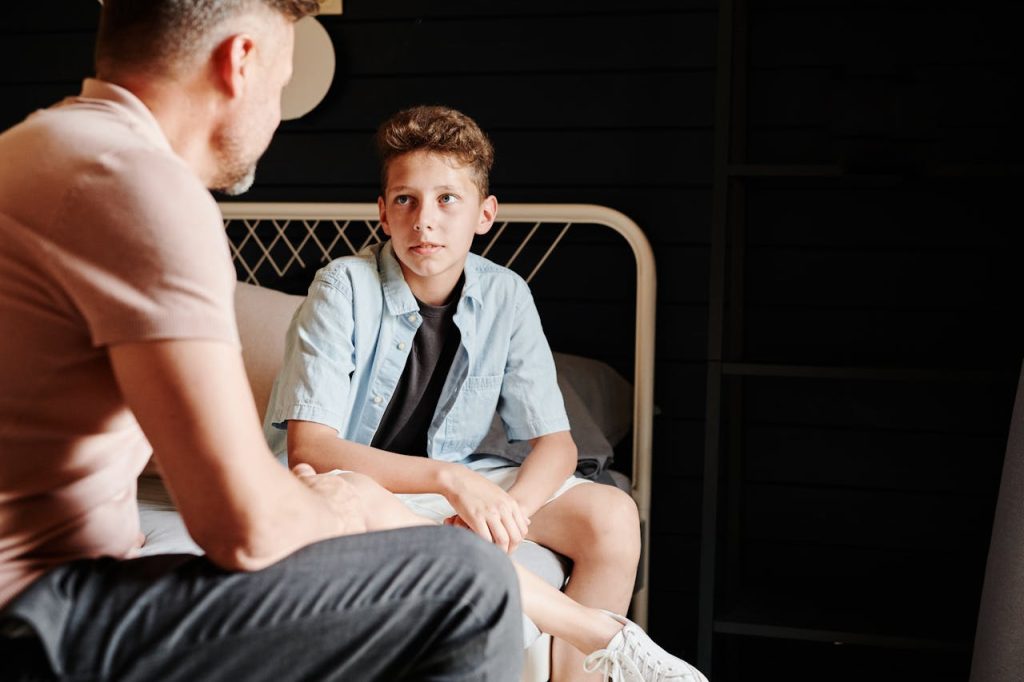
When your child stumbles, your first job isn’t fixing it. Your first job is seeing them. Let them name what they’re feeling: disappointment, frustration, embarrassment, or sadness, because ignoring feelings only makes them bottled up and confusing.
Once they feel heard, they open up to thinking instead of shutting down. That’s when real learning starts. What you really want is for them to know emotions are data, not defects. By acknowledging feelings clearly and calmly, you help them make sense of what happened and move forward with confidence rather than fear. Encourage them to put words to their emotions, because naming feelings gives them power over how they respond next.
2. Talk Through What Happened

Right after a misstep isn’t the time for a lecture. Start with a question like “What do you think happened?” or “What part felt hardest?” These open‑ended prompts get your child thinking instead of shrinking.
When you walk through the event out loud together, they start to see patterns and possibilities. It shifts the focus from blame to understanding. Kids who learn to analyze their own actions become better problem solvers. This kind of reflective talk is a life skill more than a parenting moment. Follow up by asking what they might do differently next time, so reflection turns into practical learning.
3. Set a Calm Example

Your response sets the emotional temperature of the moment. If you gasp, lecture, or sigh, your child mirrors that anxiety. Calm reactions show that mistakes don’t signal danger; they signal opportunity. That doesn’t mean minimizing real problems. It means managing your tone, body language, and words so your child stays curious instead of defensive.
Your calmness models what resilience looks like without you having to lecture about it. Pair your calm response with gentle guidance, showing them how to approach the situation step by step. Remind them that everyone slips up sometimes, and that each mistake is a chance to learn rather than something to fear.
4. Teach Problem‑Solving Steps
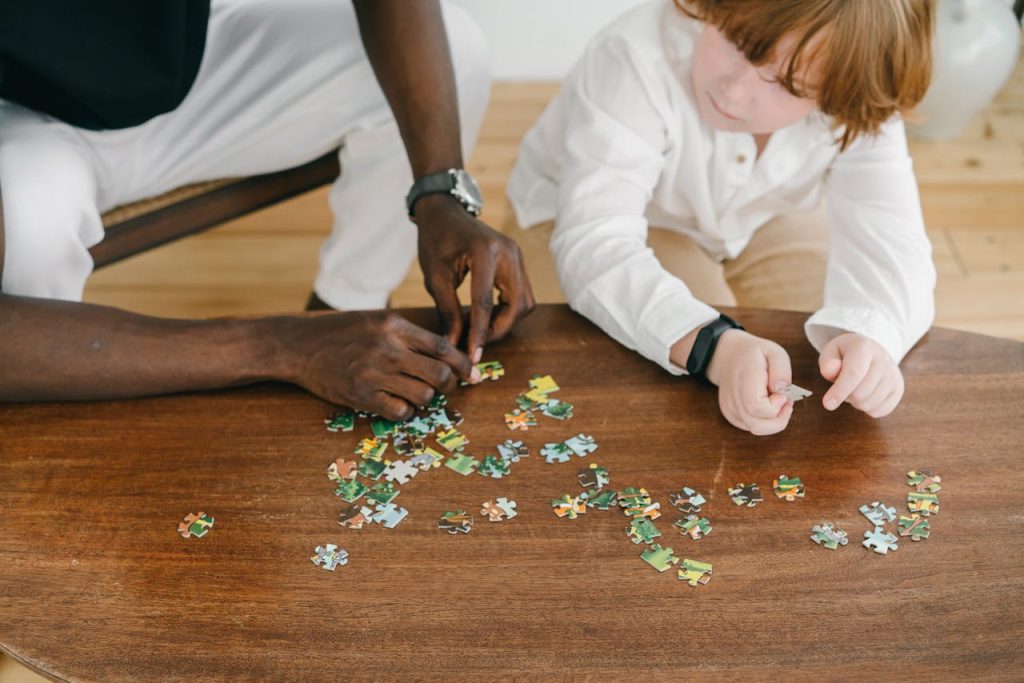
After acknowledging feelings and talking about what happened, guide them to think about options. Ask, “What would you try next time?” or “What helped you before?”
Breaking the situation into thinking steps, identifying the problem, brainstorming solutions, and picking a plan trains their brain to lean toward action instead of avoidance. You’re equipping them with a method they can use long after they leave your side. Encourage them to weigh the possible outcomes of each option, so they learn to make thoughtful choices. Celebrate when they take initiative, even if the solution isn’t perfect, reinforcing that effort and decision-making matter most.
5. Share Your Own Oops Moments
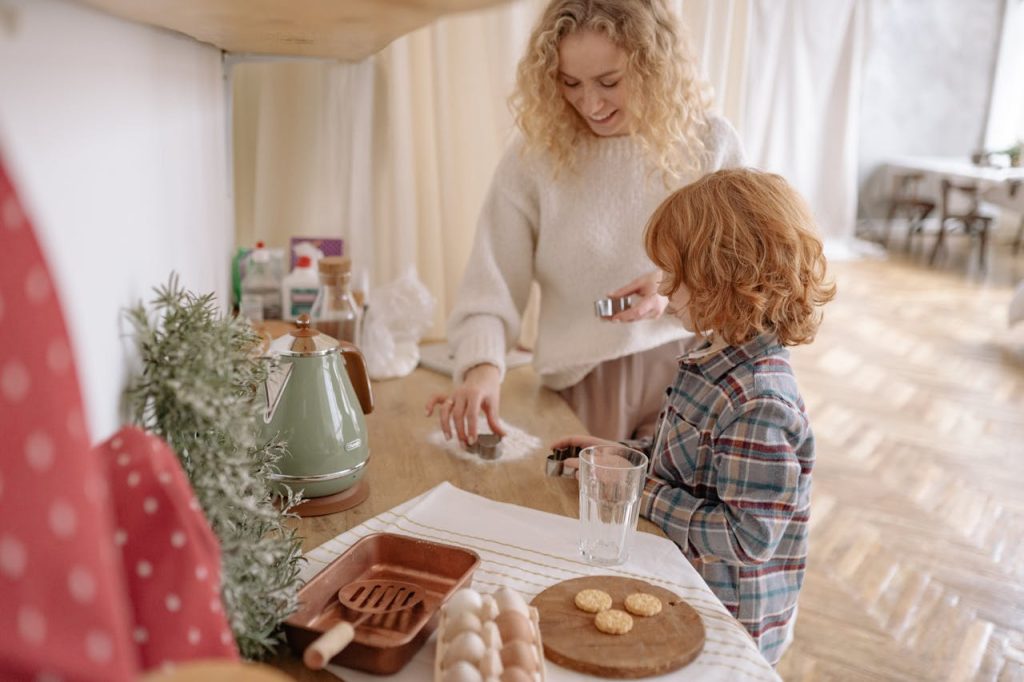
Kids often think adults have life figured out. That’s not true. When you share your own missteps a failed recipe, a missed deadline, a misunderstood instruction it makes your child feel less alone.
Be specific about what went wrong and what you learned. That honesty shows that even grown‑ups screw up sometimes and that you survive and grow. It normalizes imperfection in a way that abstract advice never will. Show them how you handle the fallout calmly, emphasizing problem-solving over blame, so they see resilience in action. Invite them to share their own small mistakes too, creating a safe space where learning from errors is natural and encouraged.
6. Praise Effort, Not Perfection

“Great job” feels good when things go well. But it’s more powerful to praise the effort, the strategy, the sticking‑with‑it. Saying “I saw how you kept trying even when it was tough” tells your child what you value: persistence.
This shifts their motivation from avoiding mistakes to engaging with challenges. Kids start to care more about learning than about looking perfect. That’s when they take healthy risks and discover their real potential. Highlight specific actions they took, like asking questions or trying different approaches, so praise feels meaningful and concrete. Encourage them to reflect on what worked and what didn’t, reinforcing that growth comes from effort, not just results.
7. Build a Growth Mindset Language
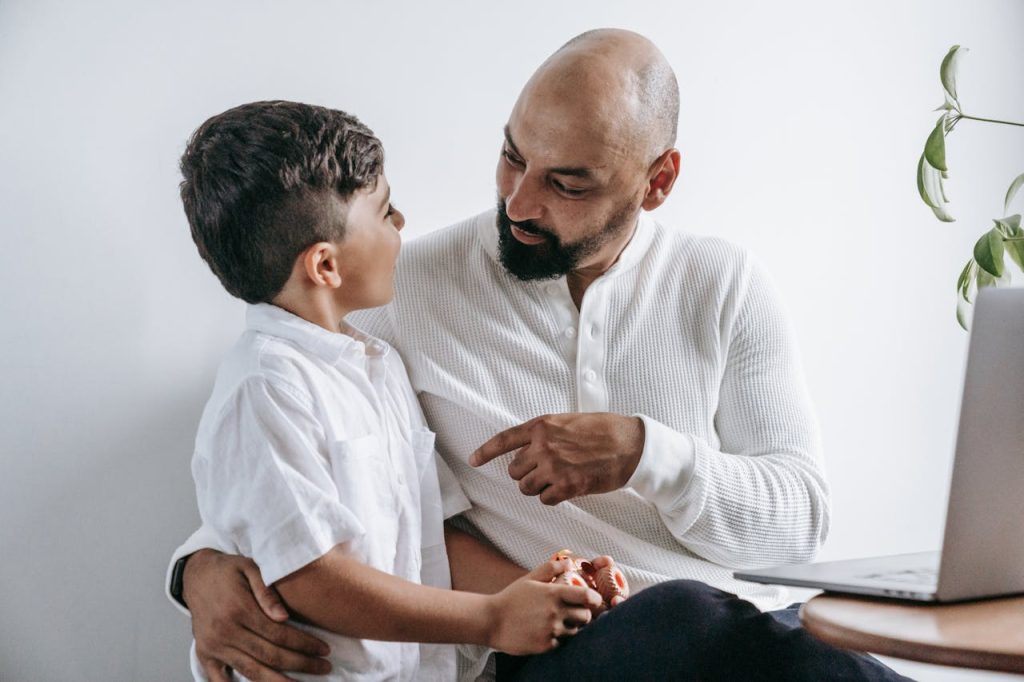
Replace “You’re so smart” with “You worked really hard on that.” Shift “You made a mistake” to “That was a tricky problem. What did you notice?”
The words you choose frame how your child interprets experiences. Growth mindset language teaches them that ability isn’t fixed and that effort and strategy matter more than just being “good” or “bad” at something. Add questions like “What strategy helped you most?” to guide them toward analyzing their own learning process. Remind them that skills grow with practice, reinforcing that mistakes are part of getting better, not a sign of failure. Model curiosity for yourself by thinking aloud when you face challenges, showing that learning never stops at any age.
8. Let Natural Consequences Happen
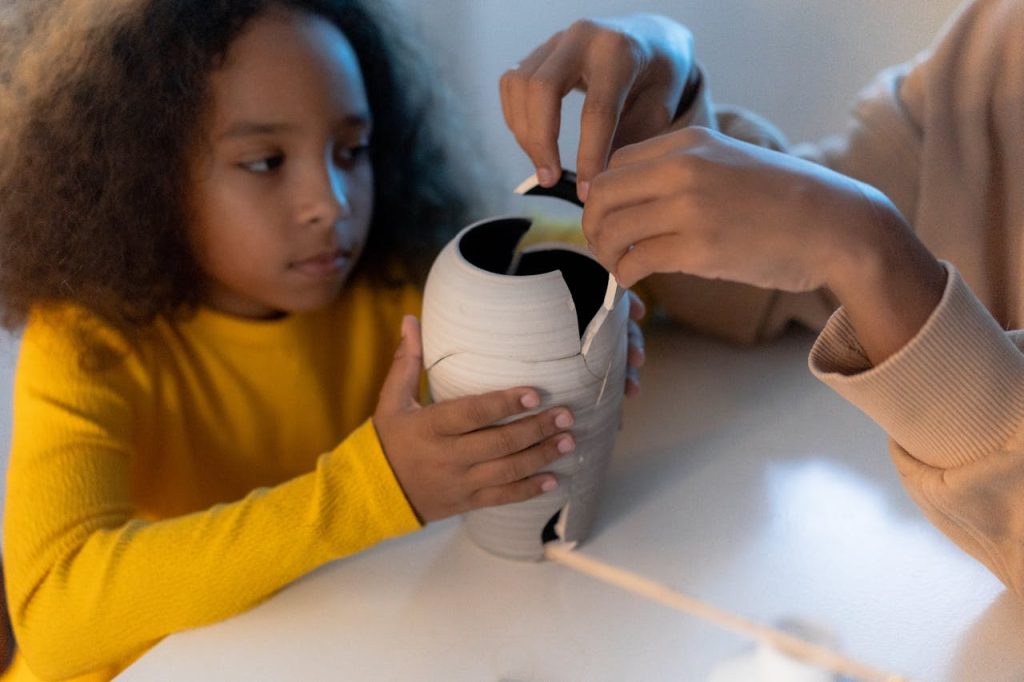
Sometimes a mistake leads to a lost toy, a forgotten assignment, or a missed turn. Instead of saving them from every consequence, let the natural result unfold when it’s safe. That’s real learning.
Your impulse may be to rescue, but learning from consequences teaches responsibility. Then your guidance is stronger because it’s grounded in real experience, not just rules. Discuss afterward what they learned from the outcome, helping them connect actions with results. Ask how they might handle a similar situation differently next time, turning the consequence into a teaching moment. Praise their problem-solving and reflection, reinforcing that mistakes are valuable lessons rather than punishments.
9. Celebrate the Try

When your child faces something hard, raising a hand, trying a new sport, attempting a tough puzzle, celebrate the attempt, not just the outcome. Effort is the heartbeat of growth.
This reinforces the idea that the process matters more than the score. It creates positive memories around challenge instead of avoidance. And that simple shift in emphasis changes how your child approaches life. Notice and comment on the specific steps they took, showing that thoughtful action is valued. Encourage them to share what they enjoyed or learned, turning the experience into a reflection on growth. Remind them that every attempt, even imperfect, builds confidence and resilience for future challenges.