

You can still feel it if you think back. The night before school starts, your backpack is ready, your clothes are picked out, and your mind refuses to settle. You imagine hallways that look bigger than you remember and faces that seem harder to read. Even if you were excited, nerves found a way in. That mix of anticipation and uncertainty is common.
What this really means is your reaction was not weakness. It was your brain trying to prepare you for something unfamiliar. On the first day of school, everything feels uncertain at once. You are not just walking into a building. You are stepping into new expectations, social dynamics, and routines that shape your daily life.
1. Not Knowing Where to Sit
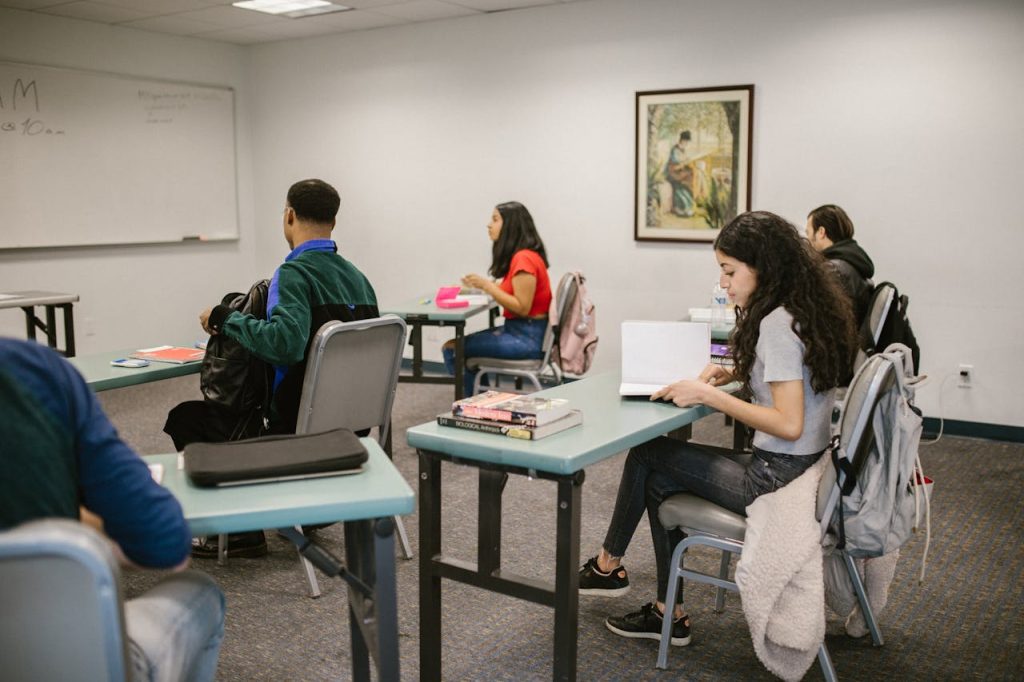
You walk into a classroom and scan the room in seconds. Desks are filling up. Friend groups seem to form instantly. You wonder whether to choose a seat near the front, the back, or by someone you barely know. That quick decision can feel loaded with meaning. Social psychologists have long observed that seating choices influence first impressions and group belonging. Even small spatial decisions affect how connected you feel.
You are not just picking a chair. You are trying to predict where you will feel accepted. If you sit alone, you worry it signals something about you. If you sit beside someone new, you hope it leads to conversation instead of silence. That simple moment can tighten your chest because it feels public and permanent, even though it rarely is.
2. Wondering If Anyone Changed Over the Summer

You look at classmates and notice new haircuts, sudden growth spurts, or different friend circles. Adolescence especially brings rapid change. According to the Centers for Disease Control and Prevention, social belonging becomes increasingly central during middle and high school years. You are wired to notice shifts in status and appearance.
You also wonder how you changed. Did you grow taller? Did your interests shift? Will your old friends still feel the same? That quiet comparison game can spike self-consciousness before the first bell even rings. You try to read the room while hoping no one is reading you too closely.
3. Facing a New Teacher

You size up your teacher in minutes. Are they strict? Do they seem patient? Will they call on you without warning? First impressions matter on both sides. Education research shows that early classroom climate strongly influences student engagement across the year. You sense that and react. You look for small clues in their tone, posture, and the way they greet the class.
If you had a tough teacher the year before, you carry that memory in. If you had a favorite teacher, you fear disappointment. You want to make a good impression but also avoid standing out too much. That balancing act can make you sit straighter than usual and measure every word.
4. Getting Lost in the Hallways
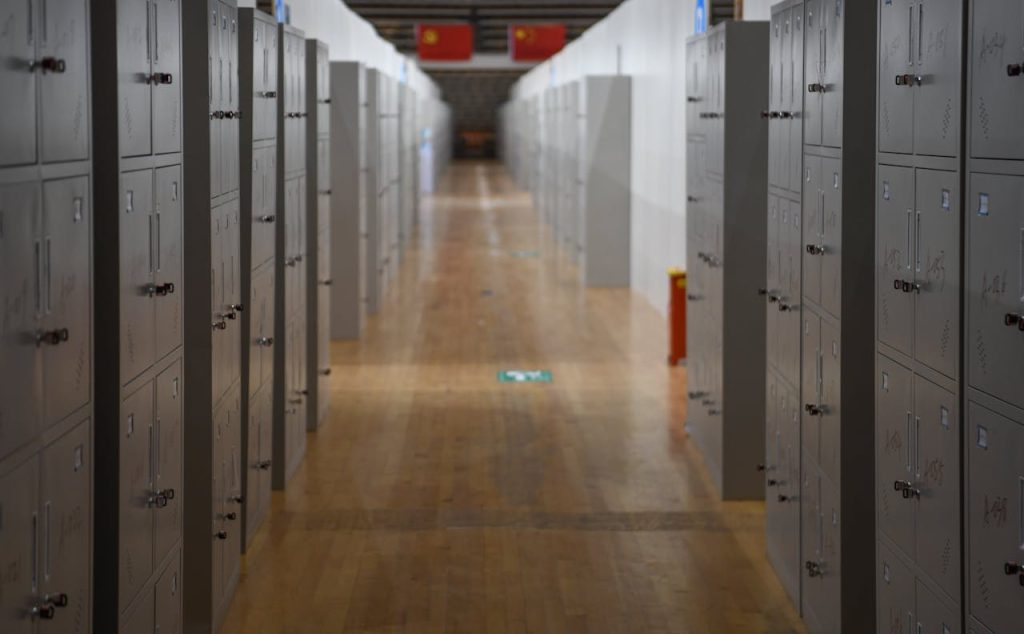
New buildings feel like mazes. Even returning to the same school can feel disorienting after months away. Environmental psychologists explain that unfamiliar layouts increase cognitive load because your brain works harder to map the space. You feel it as tension. Every wrong turn feels bigger than it should.
You clutch your schedule and check room numbers twice. You worry about being late on the very first day. When lockers jam or hallways crowd, your sense of control shrinks. It is not about directions alone. It is about wanting to appear capable in front of everyone else who seems to know exactly where they are going.
5. Being Called on Without Warning

Your name echoes across the room before you expect it. Even if you know the answer, your pulse jumps. Public speaking ranks high among common fears, and classroom participation can trigger a similar response. The National Social Anxiety Center notes that fear of negative evaluation often peaks in group settings.
You worry about stumbling over words or hearing a few quiet laughs. You also know participation matters. That tension between wanting to do well and fearing embarrassment can make your palms sweat. One question can feel bigger than it actually is because everyone’s attention turns your way.
6. Wearing the Wrong Thing

You stand in front of your closet longer than usual. Clothes become signals on the first day. Developmental researchers have found that adolescents use appearance to negotiate identity and belonging. You feel that pressure whether you admit it or not. You know, people notice more than they say.
If you dress too casually, you fear looking careless. If you dress up, you fear looking like you tried too hard. Even in schools with uniforms, small details like shoes or backpacks take on meaning. You want to blend in just enough while still feeling like yourself. That tightrope walk can make getting dressed surprisingly stressful.
7. Schedule Changes and Academic Pressure
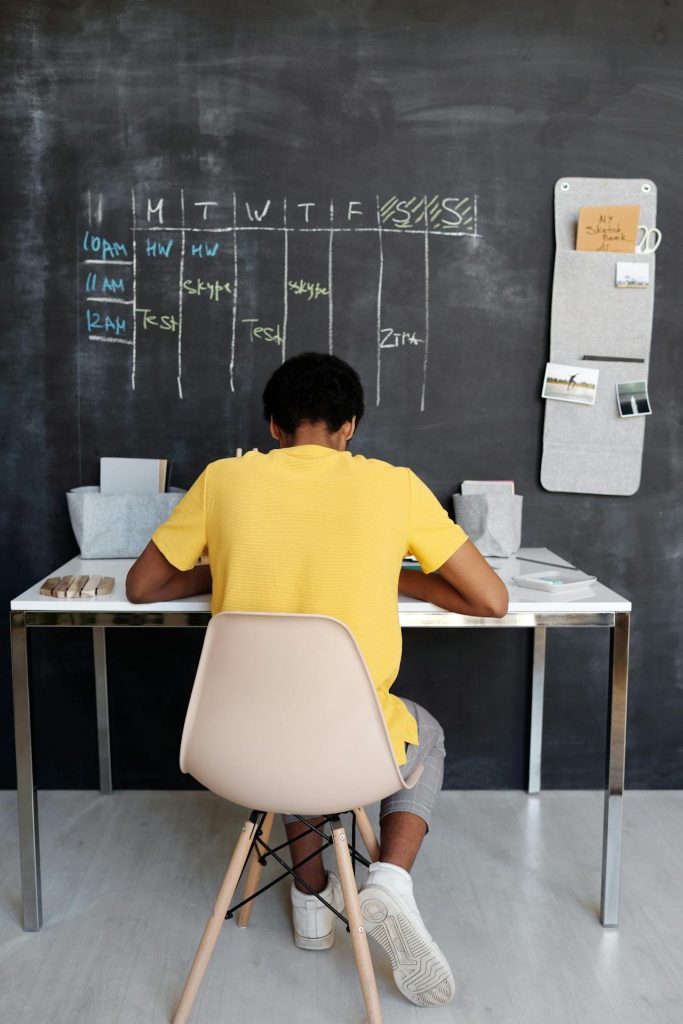
You glance at your timetable and see subjects that look harder than last year. Advanced math. A language you have never studied. Research from the American Educational Research Association shows that transitions between grades often come with performance anxiety as expectations rise. The list of courses feels like a preview of every challenge ahead.
You wonder if you can keep up. You remember past grades and measure yourself against them. The first day reminds you that report cards will follow. That future pressure leaks into the present. Even if classes have not started, you feel the weight of what is coming.
8. Lunchtime Politics

The cafeteria can feel more intimidating than any classroom. You carry your tray and scan tables quickly. Who waves you over? Who avoids eye contact. Studies in adolescent development consistently show that peer acceptance during unstructured times shapes overall school satisfaction. You read the room in seconds, even if you pretend not to.
You do not want to sit alone, yet you may not feel fully anchored anywhere. Conversations overlap. Laughter rises and falls. That social choreography can leave you second-guessing every step. Lunch lasts less than an hour, but it can define how the entire day feels.
9. The Fear of Starting Over
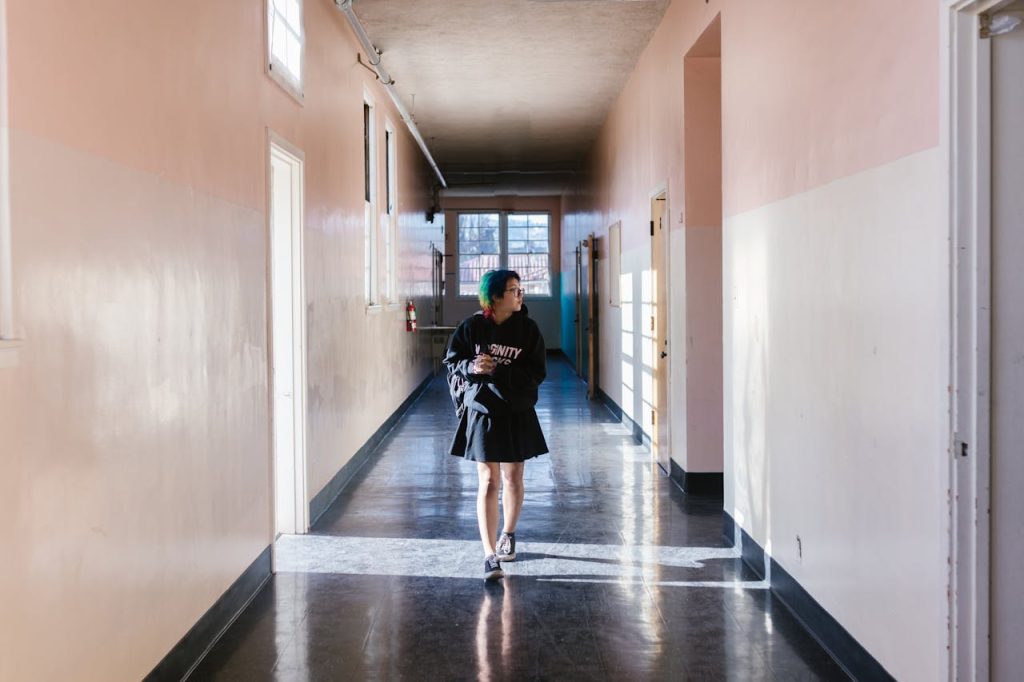
Here is the thing. The first day carries a reset button. You can redefine yourself, but that freedom can feel heavy. Psychologists describe transitions as identity turning points. You sense that you have a chance to improve, but you also fear repeating old mistakes. A clean slate sounds exciting until you realize it comes with expectations.
You replay last year’s awkward moments and promise yourself it will be different. You hope new classmates see you clearly. That mix of hope and fear makes your stomach flip. Starting over sounds simple, yet it asks you to be brave before you feel ready. You step forward anyway, even if your confidence lags behind your intention.