
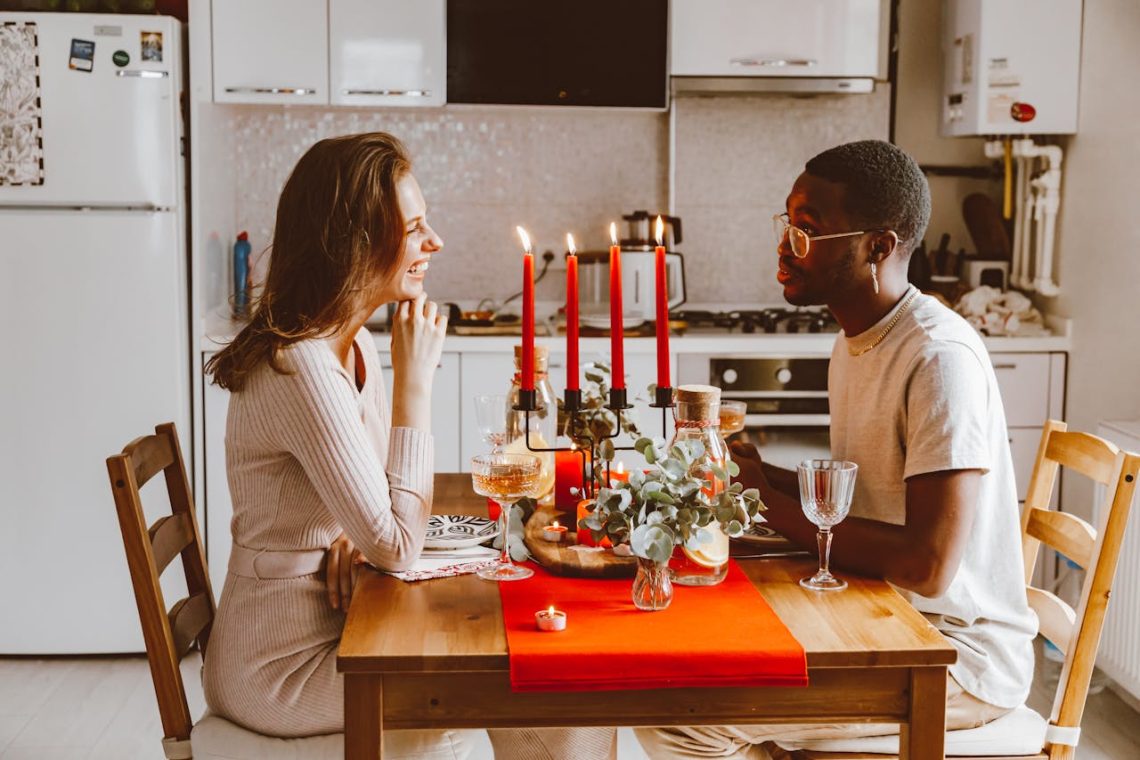
Long relationships rarely fall apart because of one dramatic moment. More often, the slow shift happens quietly. You stop noticing the everyday things your partner does, the habits that once made you feel lucky, or the small ways they make your life easier. Over time, routine dulls appreciation. What used to feel meaningful starts to look ordinary, and ordinary things are easy to overlook.
When you regularly notice and acknowledge what your partner brings into your life, resentment drops and connection grows. The truth is simple: the things couples stop appreciating are often the same things that hold the relationship together. Here are nine of the most common ones people forget to value.
1. The Quiet Daily Support

You probably notice the big gestures. A birthday surprise, a thoughtful gift, a special dinner. But long relationships survive on much quieter acts of support. Your partner listens after a stressful day, picks up groceries without being asked, or handles something small so you do not have to worry about it.
Psychology research from the American Psychological Association shows that everyday responsiveness strengthens trust and emotional security. When someone consistently shows up in small ways, it signals reliability. The problem is that familiarity makes these acts invisible. When you start assuming that support will always be there, appreciation fades. Remembering that someone chooses to show up for you every day changes how you see those ordinary moments.
2. Their Emotional Patience
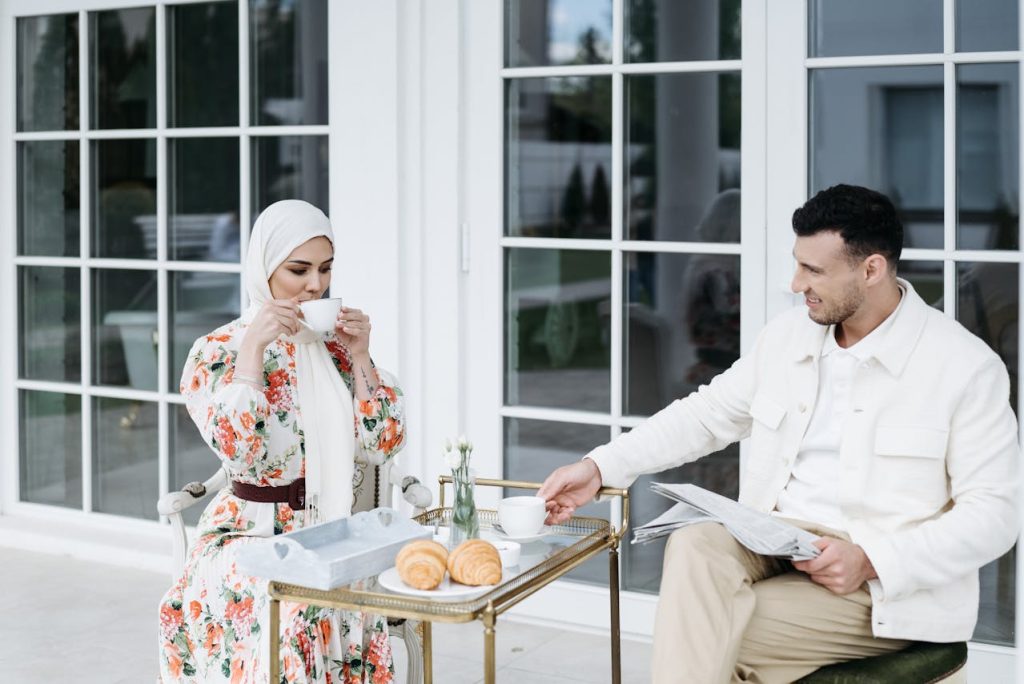
Every long relationship includes difficult moods, stressful weeks, and moments when you are not at your best. During those times, your partner often absorbs frustration or tension without escalating the situation. Emotional patience is rarely celebrated, but it quietly keeps conflicts from growing into something bigger.
Studies in relationship psychology show that emotional regulation inside couples directly affects relationship stability. When one person stays calm instead of reacting instantly, arguments lose momentum. What this really means is that patience protects the relationship from unnecessary damage. When you stop noticing that restraint, you risk undervaluing one of the most stabilizing qualities your partner offers.
3. The Effort Behind Routine Tasks
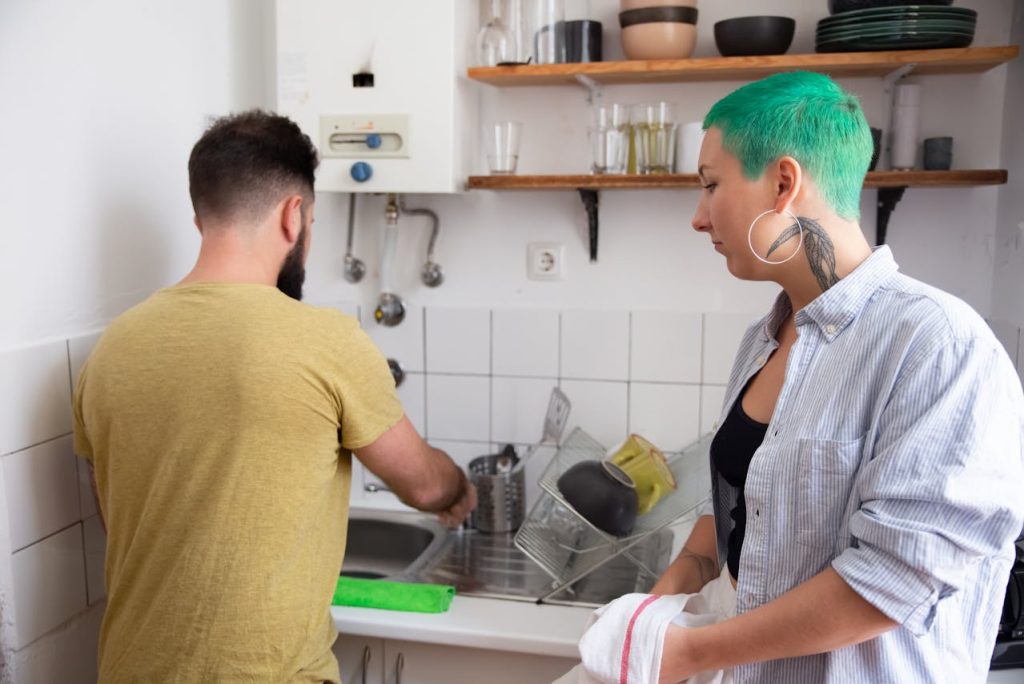
Dishes get washed. Bills get paid. Laundry gets folded. None of it feels romantic, and none of it makes dramatic stories. Yet these small responsibilities form the backbone of daily life together. Someone consistently taking care of these tasks is contributing far more than it may appear.
Household research from the Pew Research Center shows that couples who feel household effort is noticed report higher relationship satisfaction. The issue is not simply division of labor. It is recognition. When you acknowledge the effort behind ordinary tasks, your partner feels seen rather than taken for granted.
4. The Way They Remember Details About You
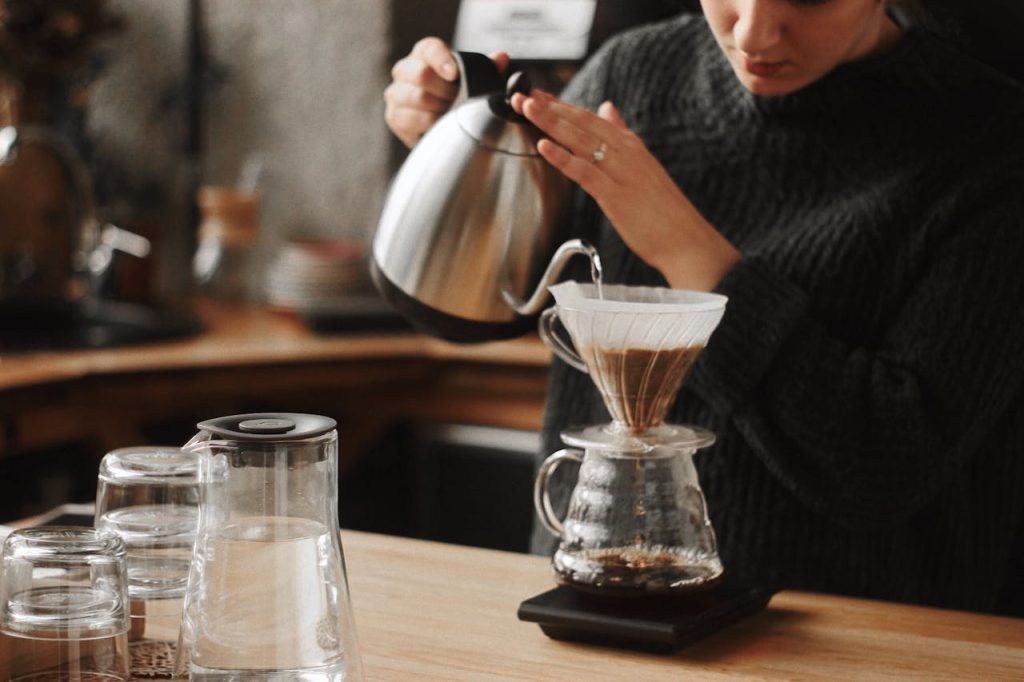
Your partner remembers how you like your coffee, which movie always makes you laugh, or the exact way you prefer your workspace organized. These details may seem small, but remembering them requires attention and care over time.
Cognitive psychology suggests that remembering personal preferences is closely tied to emotional investment. People naturally retain details about what matters to them. When your partner recalls the little things about you, they are demonstrating that your comfort and happiness stay on their mind. Appreciation grows when you recognize that these details are not accidental. They come from years of paying attention.
5. The Stability They Bring Into Your Life

Excitement often gets more attention than stability, especially in early relationships. But stability becomes far more valuable over time. Knowing your partner will be there when plans fall apart or life becomes unpredictable creates emotional safety.
Relationship studies repeatedly show that predictability strengthens long term commitment. Stability means fewer emotional shocks and more room for trust to grow. When couples forget to value this reliability, they sometimes mistake calmness for boredom. In reality, that steady presence may be one of the most meaningful gifts your partner provides.
6. The Personal Growth They Encourage

A supportive partner does more than simply agree with you. They encourage you to improve, challenge unhelpful habits, and celebrate progress. Sometimes that support looks like motivation. Other times it looks like honest feedback you might not hear anywhere else.
Researchers in social psychology describe this as the Michelangelo effect. Partners help shape each other toward their best potential. When someone believes in your growth and pushes you to keep moving forward, they are investing deeply in your future. It is easy to miss this when feedback feels uncomfortable, but that encouragement is often one of the strongest signs of genuine care.
7. Their Sense of Humor During Stress

Life delivers stressful moments that relationships cannot avoid. Deadlines pile up, finances shift, or unexpected problems appear. In those situations, humor often acts like pressure relief. A well timed joke or a shared laugh can quickly change the emotional atmosphere.
Research in interpersonal communication shows that couples who laugh together during tension experience lower stress and better conflict recovery. Humor helps you step back and regain perspective. When you appreciate the role your partner’s humor plays, you start seeing it not just as entertainment but as emotional resilience for the relationship.
8. The Comfort of Being Completely Yourself

At the beginning of relationships, people tend to present polished versions of themselves. Over time that mask fades. You relax, speak more honestly, and reveal parts of your personality that rarely appear elsewhere. Feeling safe enough to do that is not automatic.
Trust studies consistently show that psychological safety strengthens emotional bonds. When your partner accepts your unfiltered self, they create space where you can be authentic without fear of judgment. That level of comfort is rare in life. Appreciating it reminds you that your relationship provides something many people spend years searching for.
9. The Long History You Share Together

Shared history quietly becomes one of the richest parts of a relationship. Inside jokes, memories of difficult years, and stories that only the two of you understand create a private emotional world. These experiences cannot be replaced or recreated with someone new.
Sociological research on long term couples shows that shared memories strengthen commitment because they reinforce identity as a team. When you look back on everything you have navigated together, you see proof of resilience. Appreciating that history helps you recognize that your relationship is not only about the present moment. It is also about everything you have already built together.