

The 1990s are often reduced to obvious nostalgia triggers like boy bands, grunge flannel, and the screeching sound of dial-up internet, yet the decade’s deeper influence runs far beneath those surface memories. What truly shaped a generation were the quieter cultural shifts that slipped into daily life without fanfare. These were not always headline-grabbing revolutions but slow, atmospheric changes in tone, attitude, and self-expression. The 90s subtly rewired how young people understood identity, ambition, gender, work, media, and even irony itself. It was a decade suspended between analog childhood and digital adulthood, between traditional authority and rising skepticism.
1. Teen Realness
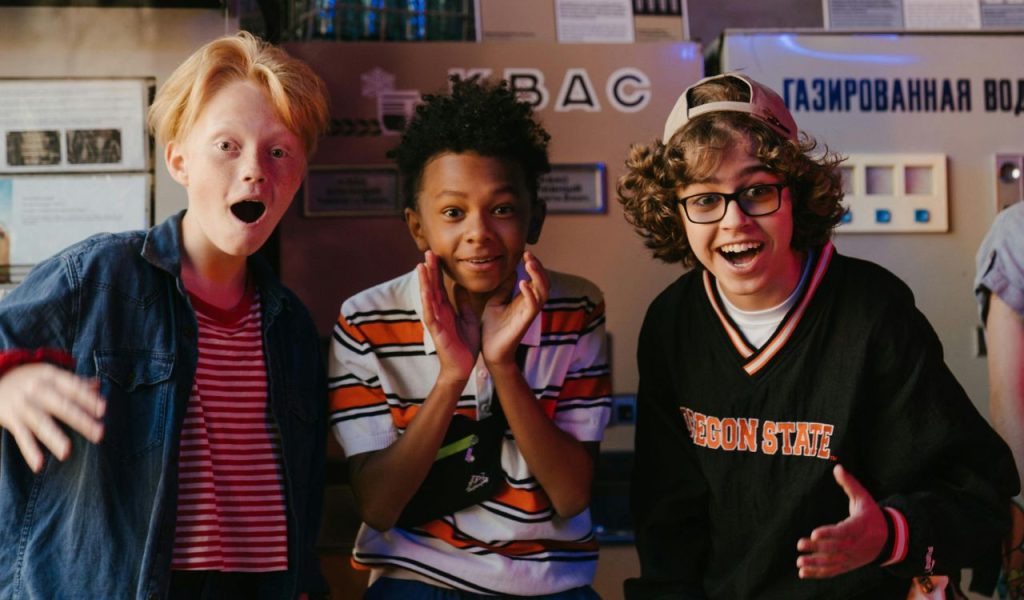
When teen television in the early 90s began leaning into emotional realism, it marked a decisive shift in how young audiences saw themselves reflected on screen. Shows like My So-Called Life, Dawson’s Creek, and Freaks and Geeks moved away from glossy, problem-of-the-week storytelling and instead explored insecurity, alienation, first love, identity confusion, and the awkward silences that define adolescence. Even Beverly Hills, 90210, gradually adopted more layered emotional arcs as audiences matured. These series normalized vulnerability at a time when emotional openness, particularly for young men, was not widely modeled in mainstream culture.
2. Soft Andro

Fashion in the 90s loosened more than silhouettes; it loosened expectations. Oversized flannels, baggy denim, minimal makeup, combat boots, and neutral color palettes blurred gender presentation in ways that felt casual rather than confrontational. This was not framed as a manifesto, yet its cultural implications were powerful. Grunge and hip-hop aesthetics rejected rigid tailoring and body-conscious styles of the previous decade, making comfort and ambiguity fashionable. Designer campaigns from brands like Calvin Klein amplified minimalist, androgynous imagery that softened traditional gender cues. The result was a generation that grew up seeing clothing as expressive rather than prescriptive.
3. Pop Feminism

The 90s popularized empowerment in a way that was accessible, catchy, and unapologetically commercial. When the Spice Girls declared “Girl Power,” they distilled feminist energy into a chant that could fill arenas. Bands like No Doubt and groups such as Destiny’s Child reinforced images of women who were assertive, ambitious, and unwilling to shrink themselves. This was not academic feminism rooted in dense theory; it was loud, visible confidence broadcast through music videos, magazine covers, and stadium tours. For young viewers, empowerment became part of pop vocabulary rather than a distant political abstraction.
4. Screen Names
The early consumer internet was messy, slow, and wildly creative. Platforms like AOL and GeoCities allowed users to construct digital identities long before the word “branding” dominated career advice. Teenagers experimented with screen names that hinted at personality, inside jokes, or aspirational cool. Personal homepages blinked with neon fonts, tiled backgrounds, and embedded song lyrics. Away messages were carefully curated emotional broadcasts. This was identity rehearsal in real time. The separation between offline self and online persona offered both freedom and performance. People could exaggerate traits, conceal others, and test how they wished to be perceived.
5. Market Rebellion

The breakthrough of alternative rock into the mainstream demonstrated that anti-establishment sentiment could coexist with commercial success. When Nirvana rose to prominence, disillusionment, irony, and skepticism were no longer confined to subcultures. The mainstream absorbed rebellion and sold it back to consumers. Lyrics questioned conformity, consumerism, and authority even as albums topped charts. This paradox left a lasting imprint. Young listeners learned to distrust institutions while still participating in the systems those institutions upheld. That duality defines much of today’s cultural posture: ironic consumption, critical engagement with media, and a tendency to question narratives while still scrolling, streaming, and buying.
6. Playlist Cinema

Film in the 90s began merging more deliberately with music, transforming soundtracks into cultural artifacts in their own right. Movies such as Clueless, Romeo + Juliet, and Empire Records did not merely use songs as background decoration; they curated entire moods through carefully selected tracks. Owning the soundtrack CD felt like possessing the emotional atmosphere of the film. Music extended the cinematic experience beyond the theater, allowing viewers to replay scenes in their minds through headphones. This fusion of narrative and playlist subtly trained audiences to associate life moments with soundtracks.
7. Work Lite
Television in the 90s reshaped how young adults imagined professional life by placing greater emphasis on friendship and lifestyle than on career ambition. In Friends and Living Single, work existed, but it rarely overshadowed social bonds or personal growth. Later, The Office would satirize workplace monotony, exposing the absurdities of corporate culture. Together, these portrayals subtly reframed expectations. A job was not necessarily a defining identity but a backdrop to relationships and self-discovery. That cultural messaging influenced how many in that generation approached employment, valuing flexibility, fulfillment, and work-life balance more openly than previous cohorts.
8. Xerox Voices

The DIY ethos of 90s zine culture fostered grassroots storytelling that bypassed traditional gatekeepers. Photocopied booklets circulated in music venues, bookstores, and college campuses, often tackling personal narratives, feminist politics, and underground art. Movements like Riot Grrrl transformed handmade publications into tools of resistance and community building. The aesthetic was raw and unpolished, emphasizing authenticity over gloss. Contributors did not wait for institutional approval; they printed, stapled, and distributed their voices directly. This democratization of publishing anticipated the blogging boom, independent newsletters, and creator platforms that define today’s media ecosystem.
9. Irony Mode
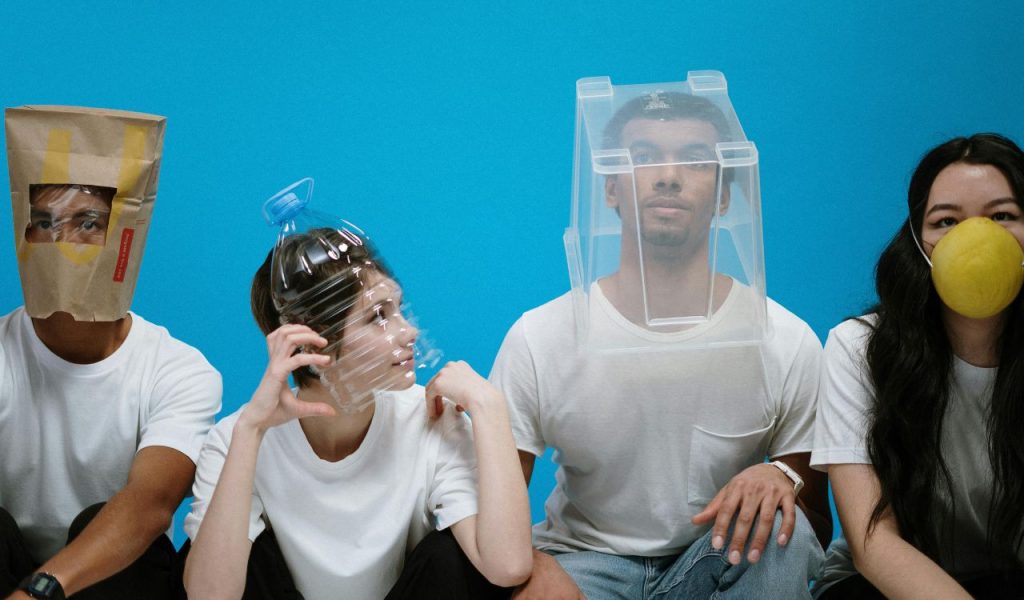
Perhaps the most enduring subtle shift of the 90s was the normalization of irony as a default tone. Shows like Seinfeld and Beavis and Butt-Head embraced detachment, sarcasm, and observational humor that rarely resolved into clear moral lessons. Instead of earnest sentimentality, audiences were offered smirks and self-awareness. This tonal shift influenced advertising, fashion slogans, and everyday conversation. Irony became a protective layer, allowing people to express opinions while maintaining plausible deniability. Decades later, meme culture, dry humor, and the layered sarcasm of online discourse reflect that inheritance. Communication often carries an undercurrent of “I’m joking, but also not entirely.”