A skyline is never just a row of buildings. It is a living backdrop that shifts with light, clouds, fog, rain, and even dust in the air. You might look at the same city twice in one day and feel like you are seeing two different places. Weather bends color, hides familiar landmarks, and turns glass towers into mirrors or shadows. When the atmosphere changes, the entire mood of a skyline changes with it.
If you pay attention while traveling, you notice how dramatically the weather reshapes a city’s view. Fog softens sharp edges. Storm clouds add tension. Clear winter air sharpens every outline. Urban geography research from groups such as the American Meteorological Society shows how atmospheric conditions alter visibility, color contrast, and light scattering.
1. San Francisco
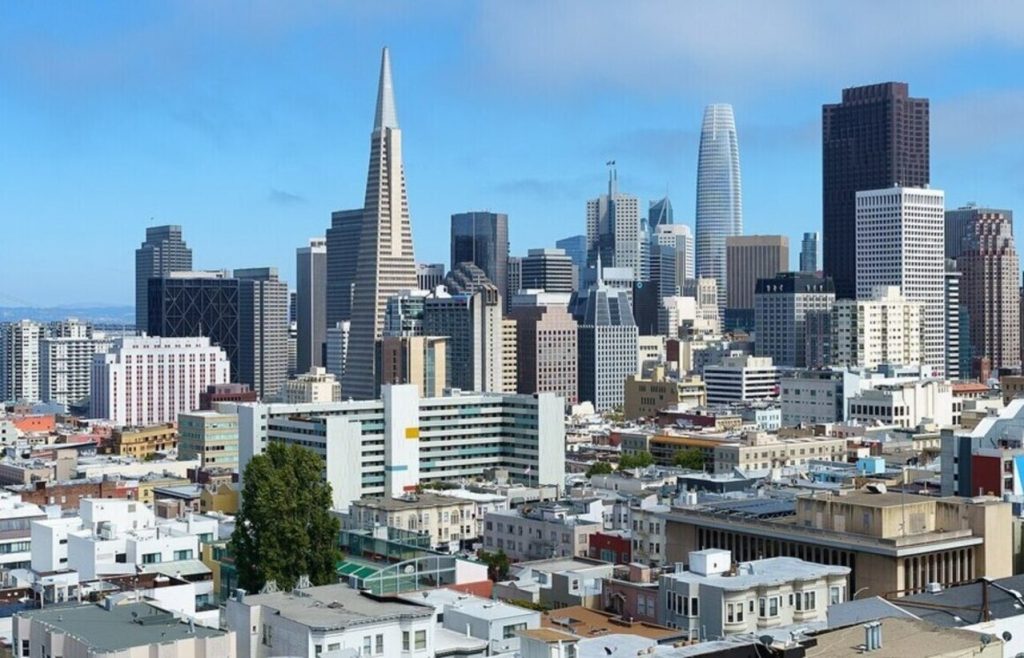
You might recognize the skyline immediately when the sky is clear. Towers rise cleanly above the bay, and the sunlight reflects off glass buildings along the waterfront. From hills around the city, you see crisp outlines of downtown and the bridges stretching across open water. The view feels sharp, structured, and unmistakably urban.
Then the fog arrives. Marine layers roll through the Golden Gate and swallow entire neighborhoods. Skyscrapers appear like islands in a white sea while only their upper floors remain visible. Photographers often wait for this moment because the skyline suddenly feels mysterious and cinematic. The same buildings that looked ordinary under blue skies become ghostly shapes floating above the clouds.
2. Dubai
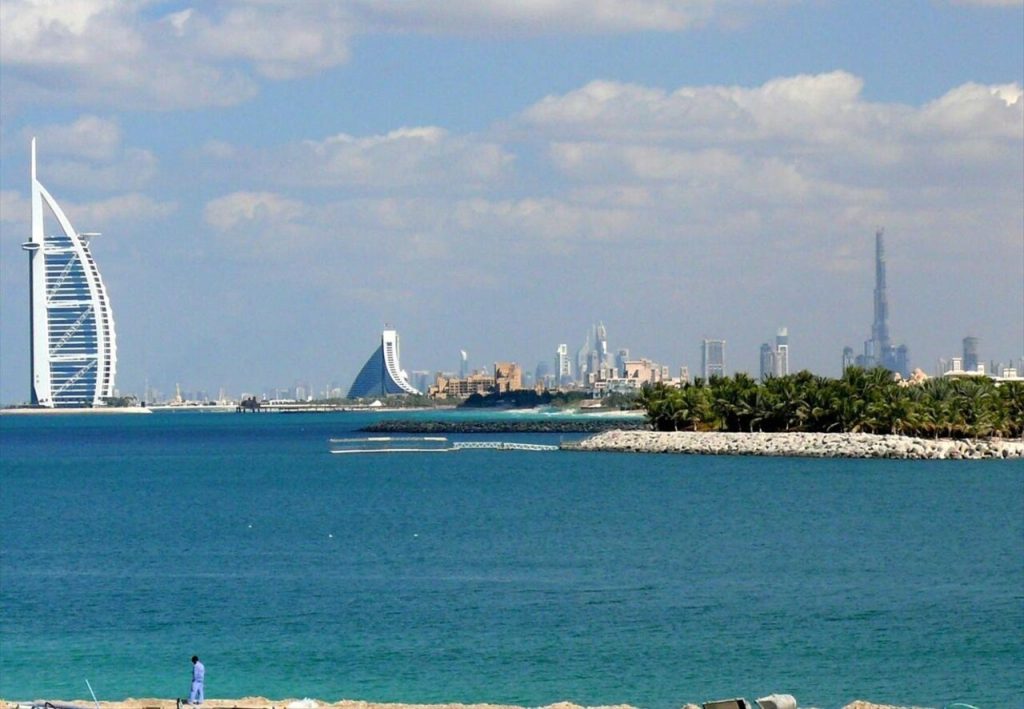
When the desert sky is clear, the skyline looks futuristic. Sunlight hits glass towers and polished metal surfaces, making the entire city glow. The vertical lines appear razor sharp, and you can easily spot the towering presence of the Burj Khalifa rising far above everything else.
But when a sandstorm moves across the region, visibility drops fast. Dust fills the air and turns the skyline into a faded silhouette. Buildings that once looked ultra-modern suddenly appear distant and muted. Meteorologists studying Middle Eastern dust storms note that airborne particles scatter sunlight heavily, which is why the skyline takes on a soft golden haze instead of the crisp shine you normally expect.
3. New York City
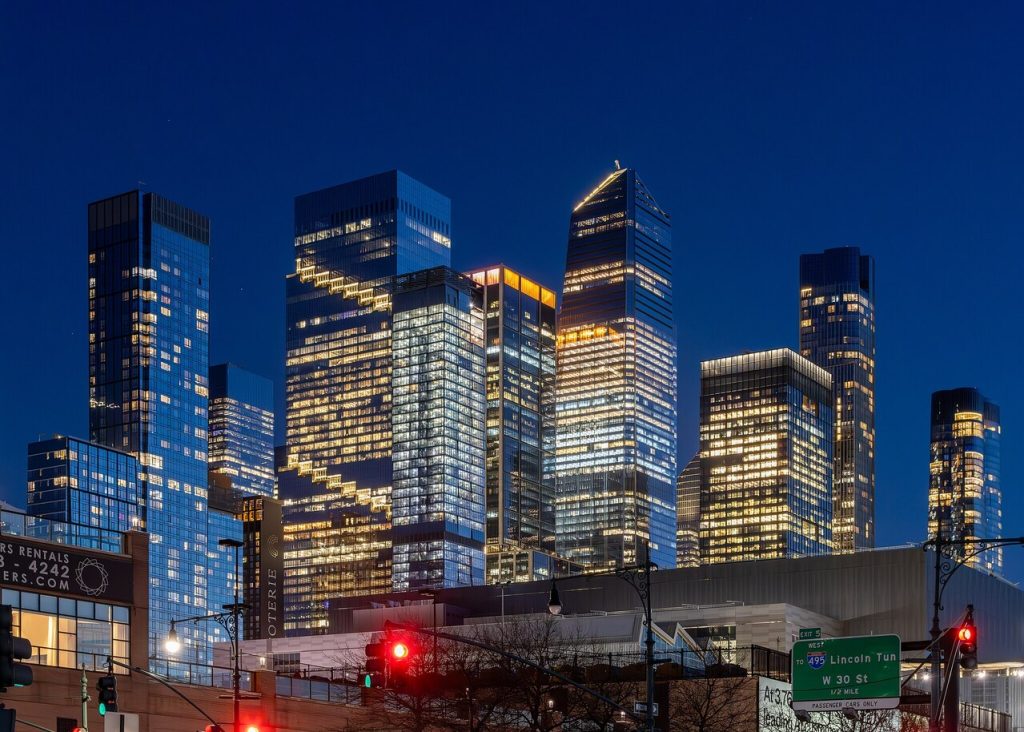
On a bright day, you see the skyline stretching across the harbor with remarkable clarity. The sharp geometry of One World Trade Center and the surrounding towers forms a layered wall of steel and glass. The view from the water feels powerful and unmistakably iconic.
During heavy rain, the city transforms. Clouds press low over Manhattan, and reflections ripple across the river. Buildings blur behind curtains of rainfall, while lights flicker through the gray atmosphere. The skyline becomes moodier and more dramatic, almost like a scene from a film. The rain softens the hard architecture and turns the city into a watercolor of moving light.
4. Hong Kong
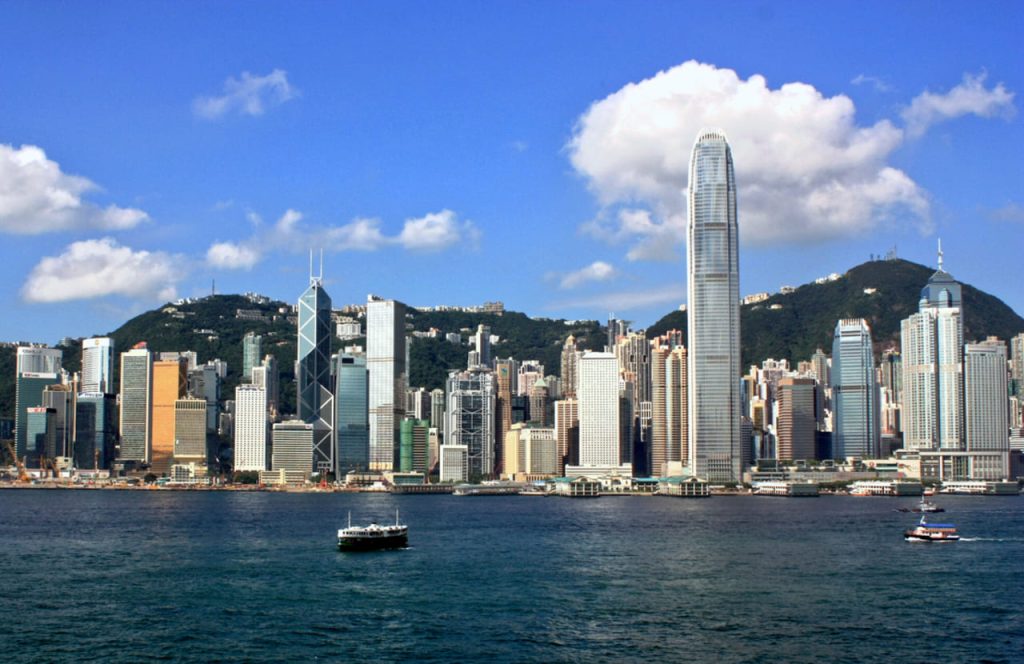
You often see this skyline under bright subtropical sun. Dozens of skyscrapers line the harbor, each reflecting the water below. From Victoria Peak, you look down at an incredibly dense forest of towers, all framed by mountains in the background.
When typhoon weather approaches, the skyline changes character quickly. Thick clouds roll across the mountains and darken the harbor. Wind drives waves against the shoreline while the towers stand under swirling storm skies. According to regional climate data from the Hong Kong Observatory, approaching storms often create dramatic cloud layers that make the skyline appear darker and far more intense.
5. Chicago
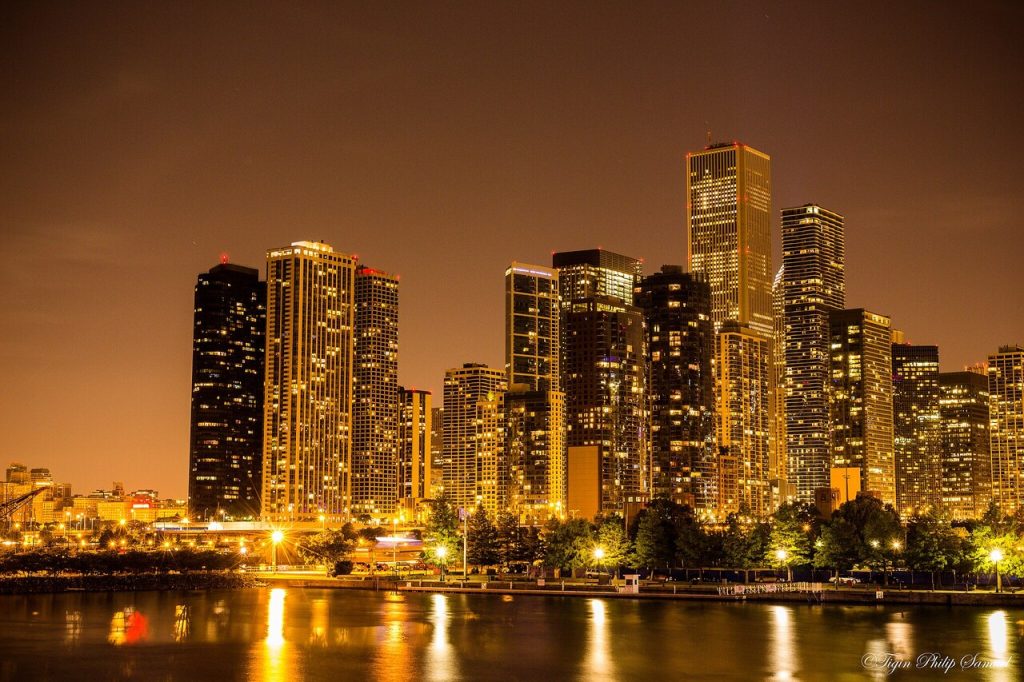
Clear air coming off Lake Michigan gives the skyline incredible definition. From the shoreline, you can see every edge of towers like Willis Tower and the surrounding high rises. The buildings stand against deep blue skies that make the city look crisp and energetic.
Winter changes everything. Snowfall and lake effect clouds soften the skyline dramatically. Buildings fade into white air while lights glow warmly through falling snow. The sharp architecture becomes quieter and more atmospheric. What once felt bold and towering now looks calm, almost hushed, beneath the winter weather. On the coldest mornings, the skyline can appear nearly monochrome as snow and cloud blend the city into the horizon.
6. Shanghai
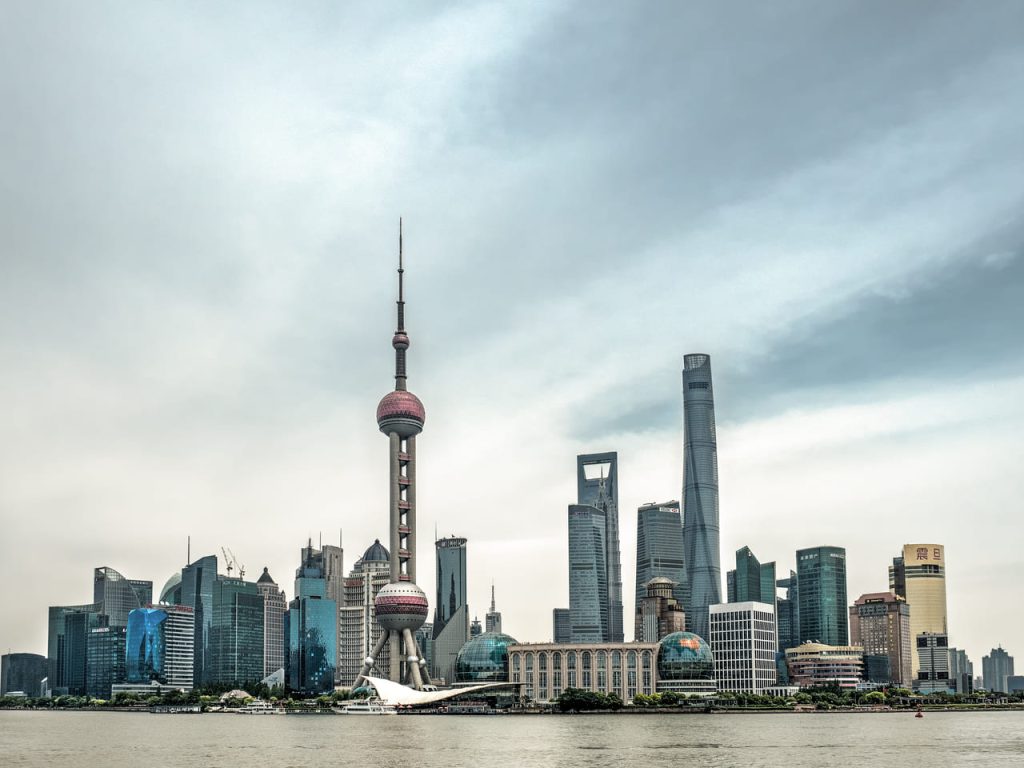
When the sky clears after rain, the skyline along the Huangpu River looks almost futuristic. Towering landmarks such as the Shanghai Tower reflect sunlight across the water. The glass and steel structures shine with remarkable brightness.
Yet on humid or polluted days, the atmosphere turns hazy. Buildings that normally stand out sharply begin to blend together in the distance. Urban climate researchers studying Asian megacities explain that humidity and airborne particles reduce contrast, which is why the skyline appears softer and less defined even though the structures themselves have not changed.
7. London
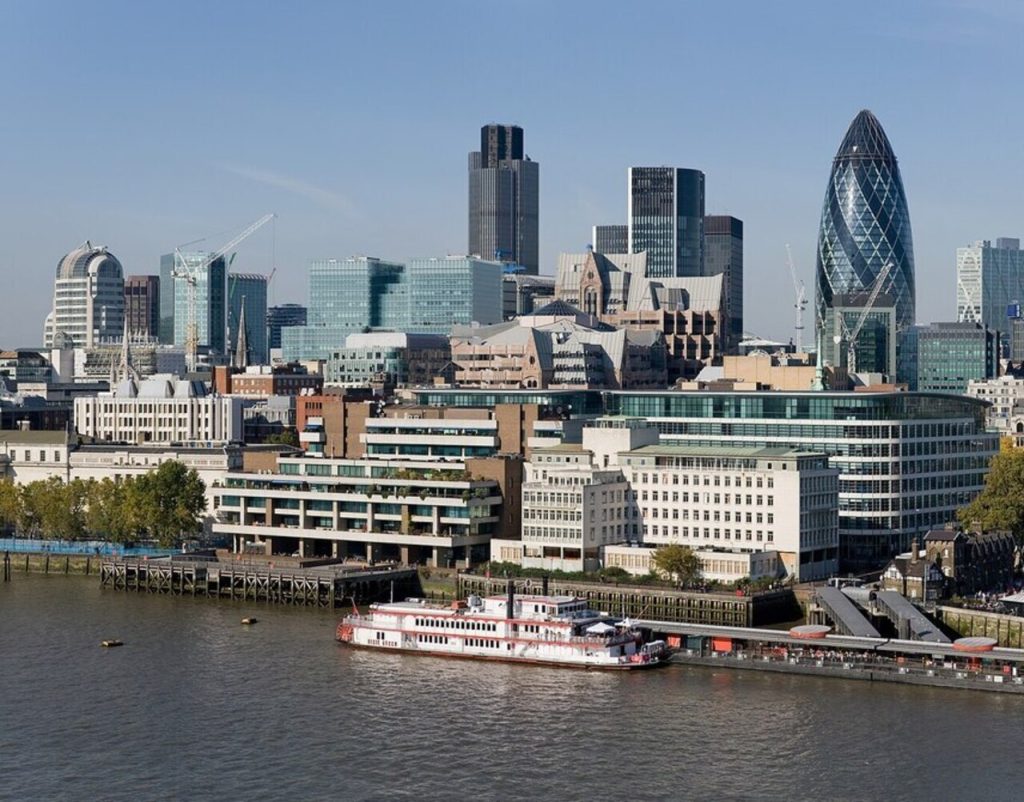
You may first see the skyline under clear skies where landmarks like The Shard dominate the horizon. Glass surfaces catch sunlight while the River Thames winds through the city below.
Then the famous London fog settles in. Thick mist creeps across the river and drifts between buildings. Towers disappear halfway up while only their tops remain visible. The skyline becomes quieter and more mysterious, echoing the historic atmosphere often described in British literature and weather records from the UK Met Office. From riverbanks and bridges, the city can feel like it is slowly emerging from the clouds.
8. Tokyo
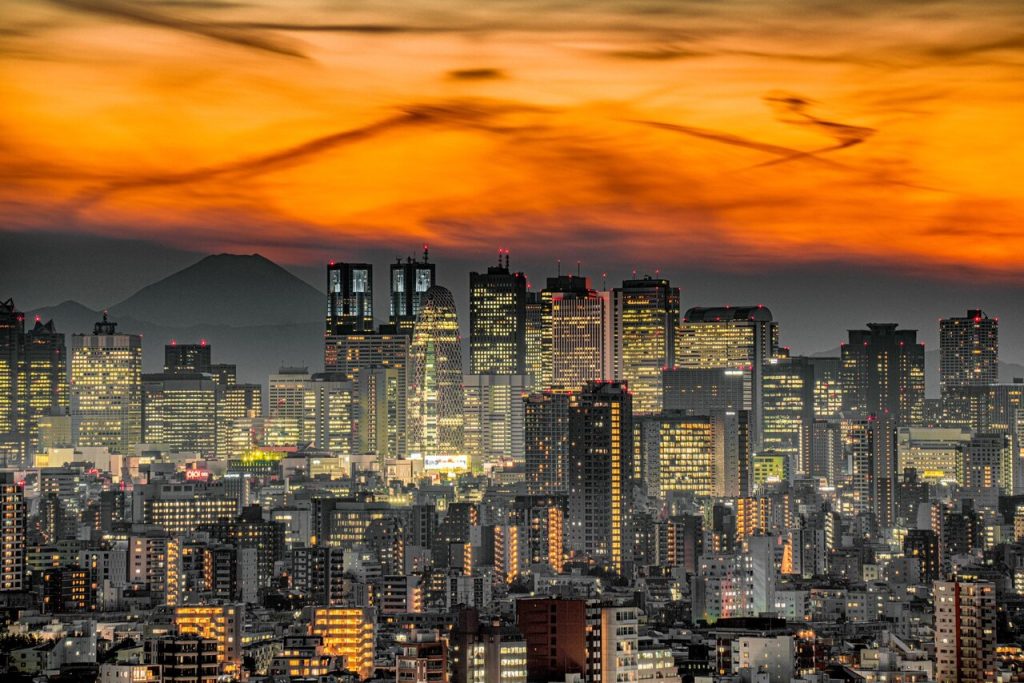
On clear days, you see a vast skyline stretching endlessly in every direction. Modern towers fill the horizon while distant mountains frame the city beyond. If visibility is strong, you might even spot Mount Fuji rising far behind the urban landscape.
During the rainy season, clouds hang low across the city. Buildings fade into soft gray layers while neon lights glow through the mist. The skyline feels quieter and more reflective. Rain streaks across windows and rooftops, giving the massive city a surprisingly calm and atmospheric look. At night, those glowing lights reflecting off wet streets make the skyline feel almost cinematic.
9. Sydney
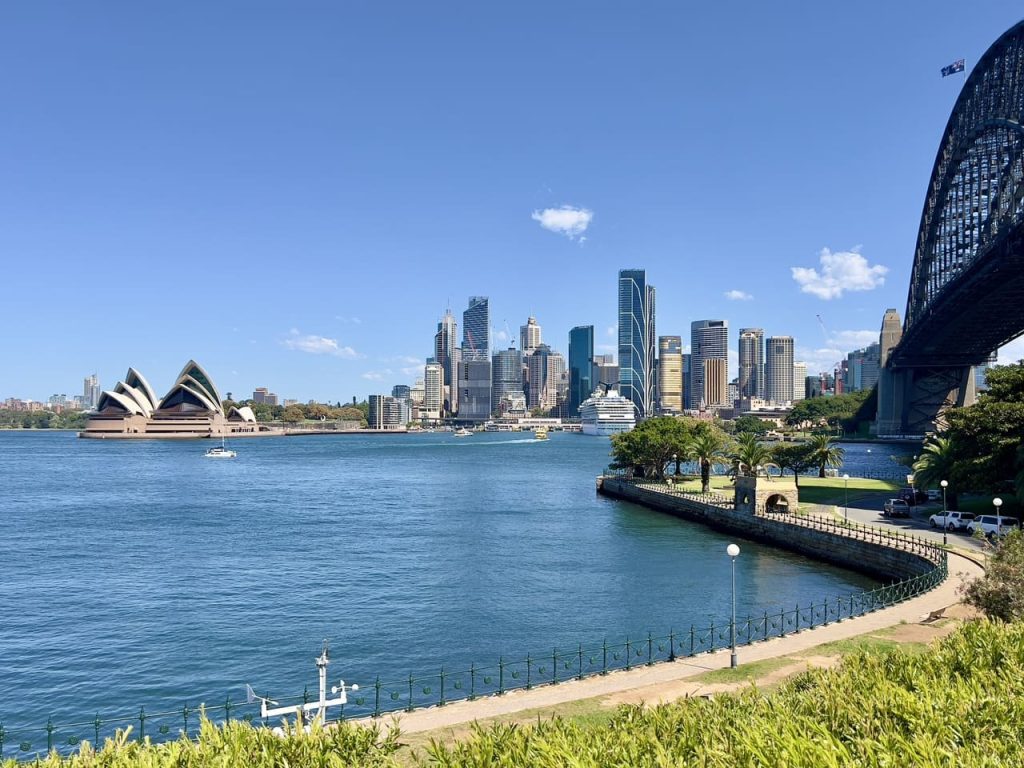
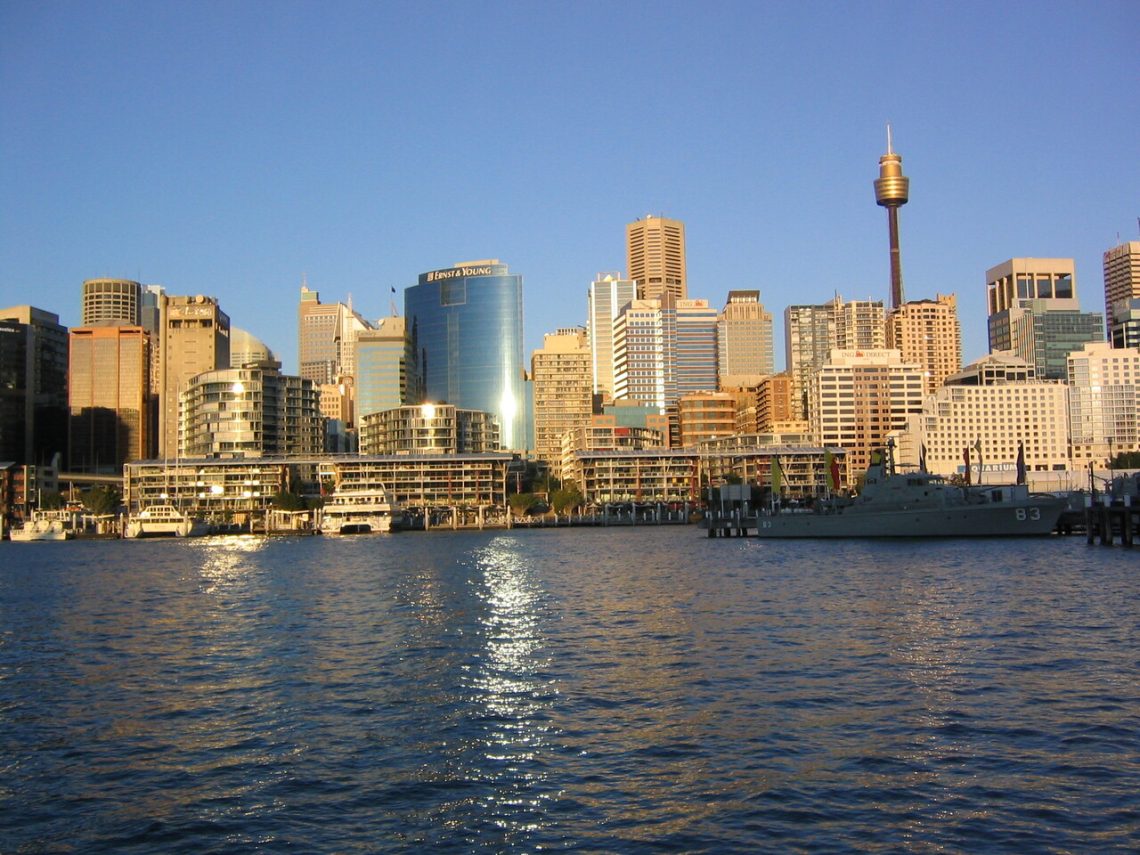
Under bright coastal sunshine, the skyline around the harbor feels lively and open. The white curves of the Sydney Opera House and nearby towers shine against deep blue water. Ferries move across the harbor while the skyline rises behind them.
Storm clouds transform the same view dramatically. Dark skies gather over the harbor while lightning flashes in the distance. The buildings reflect shifting light from the storm, creating a dramatic contrast between bright water and dark clouds. The skyline that once felt cheerful now looks powerful and intense. For a few moments after the storm passes, sunlight often breaks through the clouds and lights up the entire harbor.