


A calm home isn’t about new decor. It’s about removing friction: fewer piles, fewer decisions, and fewer “I’ll deal with that later” zones. When your space is easier to move through and easier to reset, your mind stops running in the background. Below are nine simple, free shifts you can make using what you already have. They’re practical, fast, and designed for real homes that get messy and busy.
1) Declutter what you see most

Messy surfaces quietly steal your calm. When your eyes keep landing on piles, your brain stays on. Pick one busy spot: kitchen counter, coffee table, dining table, or entry table. Set a 10-15 minute timer and clear it fully. As you pick things up, ask, ‘Does this belong here?’ If not, return it to its real home. Put back only what fits the surface’s job, and leave some empty space. Bonus: remove non-essential decor from one room for 24 hours. If you don’t miss it, it was clutter. Finish by wiping the surface. If you get stuck, make three piles: keep here, relocate, and bin. Done beats perfect.
2) Give everyday items a fixed home
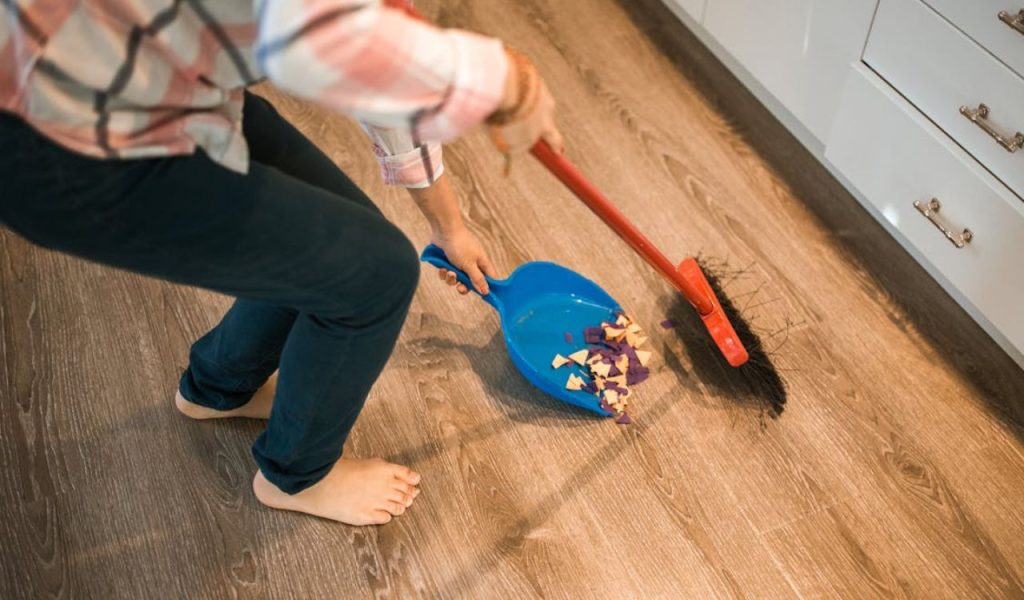
Most daily chaos is small stuff with no assigned home: keys, mail, bags, shoes, chargers. Create one drop zone near the entrance and one paper spot. Make them the default landing places. Use what you already own: a bowl, tray, basket, drawer, or shelf. Keep it effortless so anyone can put things away in 10 seconds. Try a one-touch rule for mail: bin it, file it, or act on it now. Do a 2-minute sweep each evening to return strays. If something keeps drifting, its home is in the wrong place. Move the home. Empty the drop zone each week so it never becomes a pile. Keep only daily-use items there.
3) Share the workload

A calm home collapses when one person becomes the cleanup machine. Split the load into tiny tasks. Give each person one job: clear the table, reset the sofa area, handle shoes, or empty the bin. Add a 5-minute nightly reset where everyone puts away 5 things. Use a timer, not a lecture. Rotate tasks weekly so it stays fair. If kids are small, keep it simple: toys into one bin. Agree on a basic standard: floors clear, key surfaces mostly clear, dishes handled. That is calm enough. If someone skips, don’t explode; restart tomorrow. Consistency beats intensity. One messy day is normal, not failing
4) Use light intentionally

Light is a mood switch. In the day, open curtains and blinds fully and move anything blocking windows. Sit where daylight reaches you, even for a few minutes. At night, harsh overhead lights can feel tense. Use the softer light you already have: a lamp, a corner light, or a candle. Match brightness to the job: bright for cooking, soft for resting. Turn on fewer lights at once and keep unused rooms dim. In darker months, open blinds early and switch to softer light about 2 hours before bed. That gentle shift helps your brain slow down. After dinner, skip the ceiling light and use one lamp instead.
5) Rearrange for flow and breathing space

A room feels stressful when it fights your movement. Start with the paths. You should be able to walk from door to sofa without dodging chairs, piles, or sharp corners. Slide one piece of furniture at a time until the walkways open and the windows are not blocked. Create one breathing spot, even a clear shelf or empty corner. Resist filling every surface. Empty space is part of calm, not wasted space. Quick test: carry a laundry basket through the room. If you bump things, keep adjusting. Try facing seating toward each other and removing one chair or side table. Take a photo to notice the calm after.
6) Zone your home by purpose

When every room does everything, clutter spreads. Give spaces clear purposes. Choose a work corner for laptops and papers, a play zone for toys, and a quiet spot for reading or calm time. Keep one area tech-free, even if it’s just the dining table. Store items close to the activity they belong to, so tidy-up is quick. Helpful bonus: keep one corner always calm as your reset space. Do a 2-minute zone reset after each activity so things do not drift. Use containers to mark zones: one basket for toys, one tray for work, one shelf for books. When items drift out, return them during the next reset.
7) Bring nature indoors with what you have

Nature softens a space and grounds your mood, and it can be free. Move an existing plant into the room you use most. If you do not have plants, bring in simple natural items: stones, pinecones, a branch in a jar, or driftwood on a shelf. Keep it minimal and intentional, so it feels peaceful, not like a collection. Open a window for a few minutes for fresh air and natural sound. Watering a plant or wiping its leaves becomes a small calming ritual. Place these touches near where you rest, like the sofa, bed, or desk. Swap pieces seasonally. Remove dusty, ignored items so your room stays calm now.
8) Lower noise and stimulation

Noise and screens keep your nervous system on alert. Start by removing background sound. Turn off the TV when nobody is watching and lower notification pings. Create one daily quiet block, even 20 minutes, where the house stays low volume. If kids have big energy, shift loud play outdoors when possible, then return to a calmer space. For yourself, park your phone out of reach in the evening and choose one quiet activity instead. If silence feels strange, use soft music or open a window for natural sounds. Pick one screen-free daily: meals or the last 30 minutes before sleep. Repeat each night.
9) Make visuals calmer without adding stuff

Calm visuals come from fewer distractions, not more decor. Hide what you do not love and display only a few meaningful items. Group small objects together on one tray or shelf instead of scattering them everywhere. If bold colors or patterns feel busy, contain them to one area rather than across the whole room. Sorting books or clothes by color can reduce visual chaos fast. Cozy is fine, but keep it intentional: one blanket, one cushion, and a clear surface beats a pile of extra stuff. Leave one tabletop or shelf empty on purpose. Rule: max 3 items per surface. If needed, group them on a tray.