

You’ve probably noticed life feels slower lately, but hear me out: that’s often a good thing. Slowing down doesn’t mean you’re stuck or unambitious. It can mean you’re more intentional with your time, more tuned into what matters, and less reactive to every ping on your phone. When you stop treating every moment like a to‑do and start treating it like a chance to actually live, your days can feel richer.
Here’s the thing: living slower isn’t about doing less, it’s about paying better attention to what you’re doing. You notice the taste of your coffee, the warmth of sunlight on your skin, the way a conversation lingers after the words stop.
1. Savoring Your Meals

You take time with meals instead of eating while scrolling. When you sit down to eat, you actually focus on the flavors, textures, and the simple act of nourishing yourself.
Research suggests mindful eating can improve digestion and even satisfaction with food because you’re aware of hunger and fullness cues instead of rushing through every bite. You might find yourself savoring meals with family or friends without glancing at your phone.
That sense of presence with food can make mealtimes feel like pauses in the day rather than just another task to get through. You feel more connected to what you eat and how it fuels your body.
2. Noticing Your Surroundings

You’ve noticed you’re enjoying your surroundings more. Maybe you slow your pace on a walk to really take in the way trees sway or the sound of birds you used to tune out. There’s evidence from environmental psychology that being mindful of nature around you reduces stress and increases well-being.
You let small details settle in, like the way morning light hits your window or the friendly nod from a neighbor. Instead of racing past life’s textures, you lean in. That shift makes ordinary moments feel fuller, not rushed or hollow, and it changes how your day feels at the end of it. You catch little moments of beauty.
3. Pausing Between Tasks
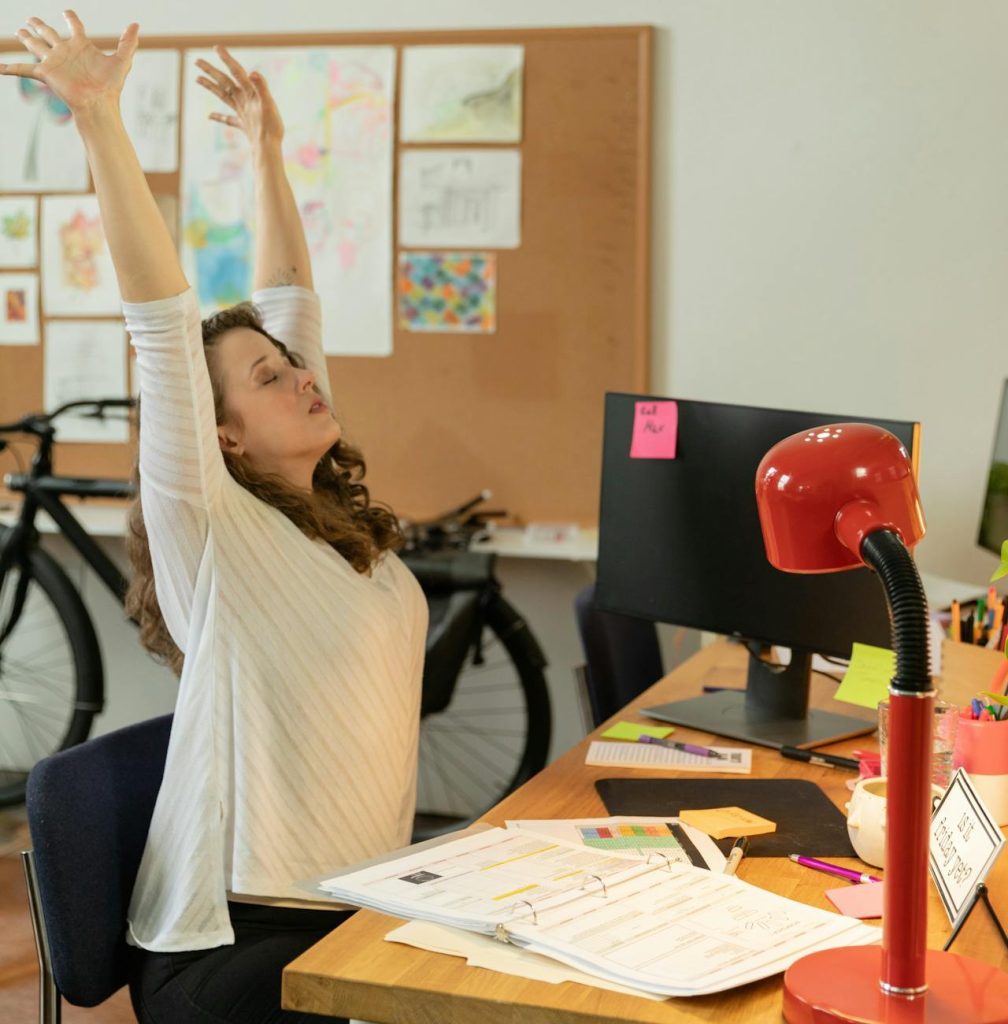
You’re taking longer breaks between tasks instead of jumping straight to the next thing. You give your brain a moment to breathe after finishing something instead of packing your schedule back‑to‑back.
Neuroscience tells us our brains need downtime to consolidate memory and maintain focus. When you pause, maybe to stretch, look out the window, or just breathe, you return to the next task calmer and less scattered.
That kind of spacing creates a rhythm that feels less frantic and more measured. You’re not lazy, you’re pacing yourself in a way that honors your energy and attention. These pauses help you notice small details throughout the day.
4. Responding With Intention
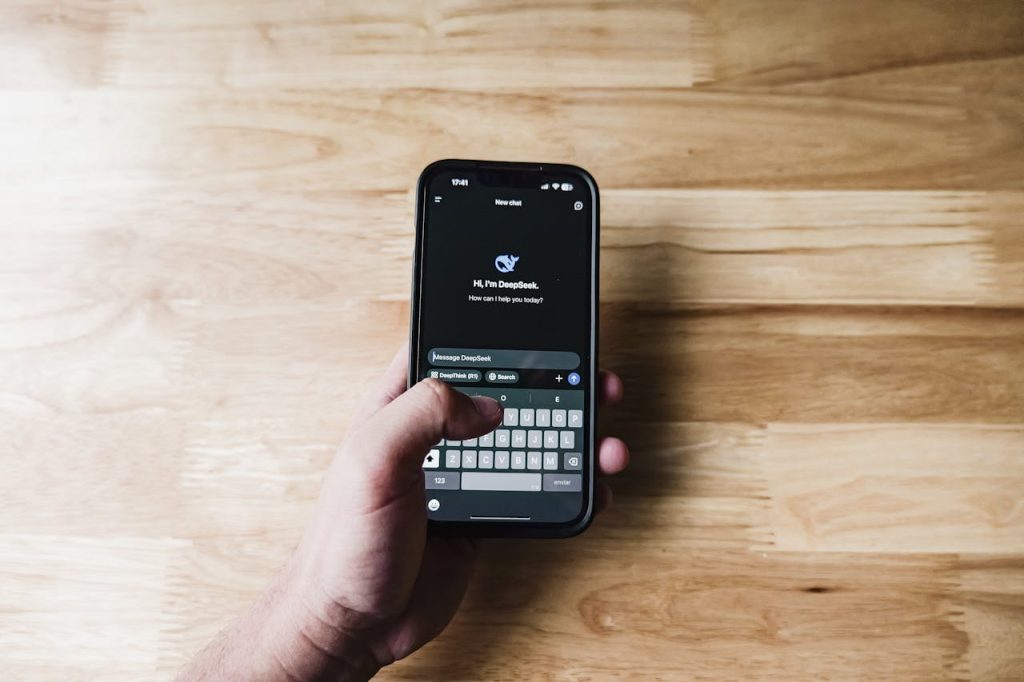
When someone texts or calls, you actually think before you respond instead of firing back immediately. You’ve probably noticed you don’t feel that pressure to reply within seconds anymore.
There’s solid research showing that permitting yourself to set communication boundaries can reduce stress and increase clarity in responses. You read a message, consider it, then answer with intention rather than speed.
That slower response isn’t avoidance; it’s respect for your own mental space and the quality of your interaction. You communicate deliberately, and that sets a tone for calmer days. You find your conversations feel more meaningful.
5. Letting Thoughts Settle

You notice your thoughts don’t feel as scattered as before because you give yourself space to think. Instead of leaping from one idea to another in a hurry, you let thoughts settle and connect at their own pace.
Cognitive science shows that allowing for mental stillness improves creative insight and problem‑solving. When you’re not rushing, your brain ends up integrating pieces of information. You feel less like you’re chasing your own mind and more like you’re guiding it.
That makes your internal world quieter and clearer, and that feels good on a day‑to‑day basis.You discover ideas and solutions emerging naturally without forcing them.
6. Resting Without Guilt

You take time to rest without guilt. When you lie down for a nap or sit quietly after a long day, you don’t immediately feel like you should be doing something else.
Over the years, studies on rest and recovery show that real downtime improves both mood and physical health. You give yourself permission to simply exist without being productive every minute. That doesn’t make you unambitious or lazy; it makes you more resilient.
You aren’t afraid of quiet moments anymore. You embrace them as parts of your day that actually recharge you instead of drain you. These restful moments help you return to tasks feeling refreshed and focused.
7. Ignoring the Social Rush

You’ve cut back on trying to keep up with everyone else’s pace. You don’t scroll endlessly comparing your life to others on social media. You check your feeds, take what you want, and close the app.
Research in psychology links reduced social media use with higher satisfaction and less anxiety. You’re not trying to match someone else’s timeline because your focus is on the one you live.
You choose what nourishes you instead of what distracts you. That choice brings clarity and a slower pace you now enjoy, because it’s built around your values and needs. You feel more at peace with your own rhythm and priorities.
8. Spending Time on Meaningful Activities

You spend more time on activities that feel meaningful instead of just filling hours. Maybe you read more books, talk to friends without rushing, or focus on creative projects that bring you joy.
There’s evidence from well‑being research that people who engage in activities tied to purpose feel deeper satisfaction and less restlessness. You’re not just busy anymore; you’re engaged.
That means your days might look slower on the surface, but inside, they feel rich and steady. You don’t rush through life; you move with it. These moments give your days a sense of fulfillment that lasts beyond the activity itself.
9. Living With Awareness

Slowing down shows depth in how you live and a real focus on what matters most. You notice moments that once passed in a blur. Each choice feels intentional, and your energy goes to things that truly matter.
That measured pace helps you feel more connected, more present, and more at ease with your own life. What used to feel like wasting time now feels like reclaiming it. You’re not just moving slower, you’re living deeper, and that makes a difference you can feel.
You appreciate the small joys and simple achievements that make each day meaningful. These little moments build a sense of contentment that carries through your life.