If you walked into a house in the late twentieth century and thought it felt cutting-edge, there were specific clues. The eighties and nineties had a distinct idea of what “modern” meant. It was bold, confident, and often a little flashy. Builders embraced new materials, open layouts, and technology that promised convenience. Design magazines and television shows amplified the look, and developers quickly followed.
When you look back now, those features instantly date a space. What once felt sleek can read nostalgic. Still, each detail tells you something about the era’s priorities: efficiency, entertainment, and a sense of upward mobility. Here are nine signs a house once proudly wore its modern badge in the eighties or nineties.
1. Wall-to-Wall Carpet in Every Room
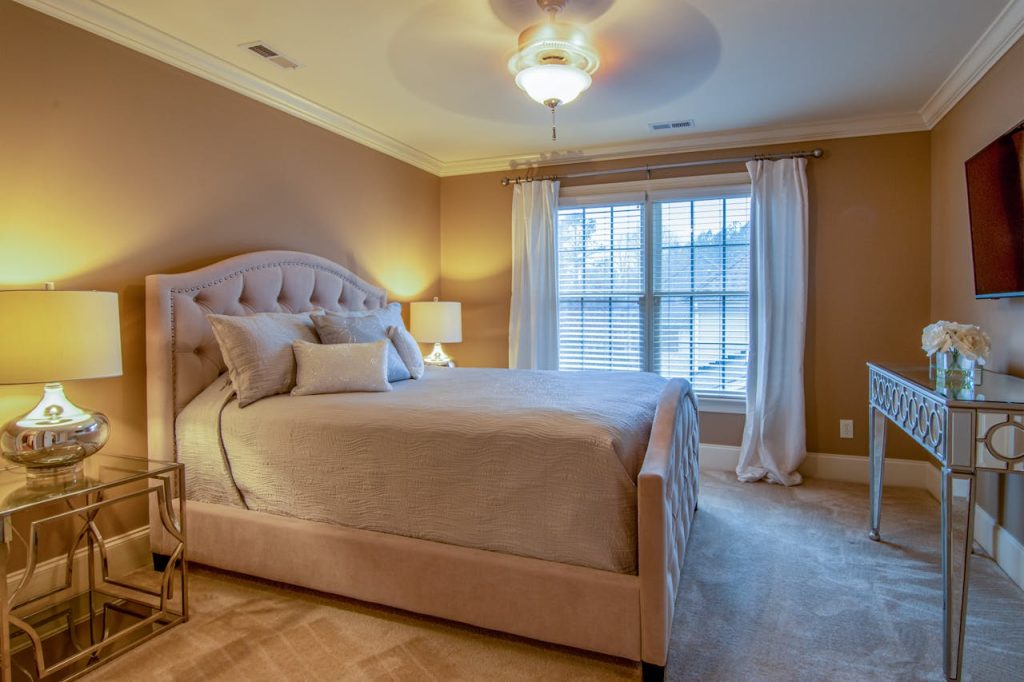
You could walk from the foyer to the bedroom without stepping off the carpet. In the eighties and early nineties, broadloom carpeting symbolized comfort and prosperity. According to the Carpet and Rug Institute, carpet dominated U.S. residential flooring during this period as synthetic fibers became cheaper and more stain-resistant.
You likely saw plush beige, dusty rose, or even seafoam green underfoot. Builders installed it over concrete slabs and plywood subfloors alike. Hardwood was considered traditional; carpet felt updated and family-friendly. Today, many homeowners rip it out, but at the time, soft flooring in nearly every room signaled that your house was keeping up with the times.
2. Mirrored Closet Doors
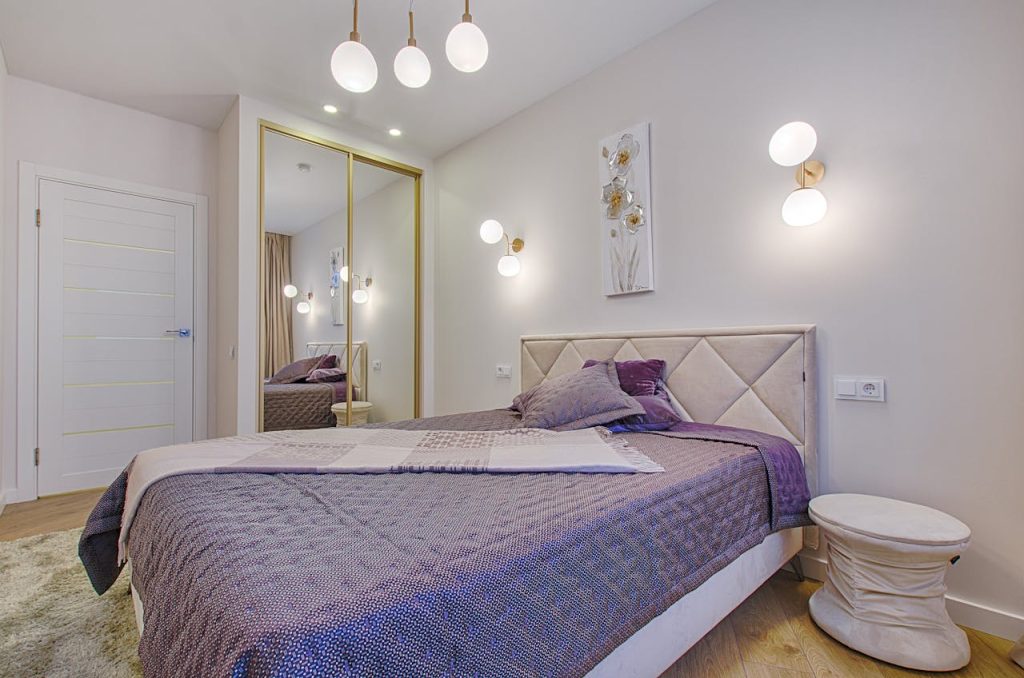
When you slid open a closet and caught your full reflection, you knew the house leaned modern. Mirrored bi-fold doors became popular in suburban developments because they made smaller bedrooms feel larger and brighter. Real estate trends in the late twentieth century emphasized visual space without expanding square footage.
You benefited from both storage and a built-in dressing mirror. Builders appreciated the cost efficiency. The reflective surfaces bounced light from newly popular recessed fixtures and track lighting. Today, those mirrors often feel dated, but in the nineties, they gave your bedroom a sleek, almost boutique-hotel vibe.
3. Popcorn Ceilings for Texture and Sound Control
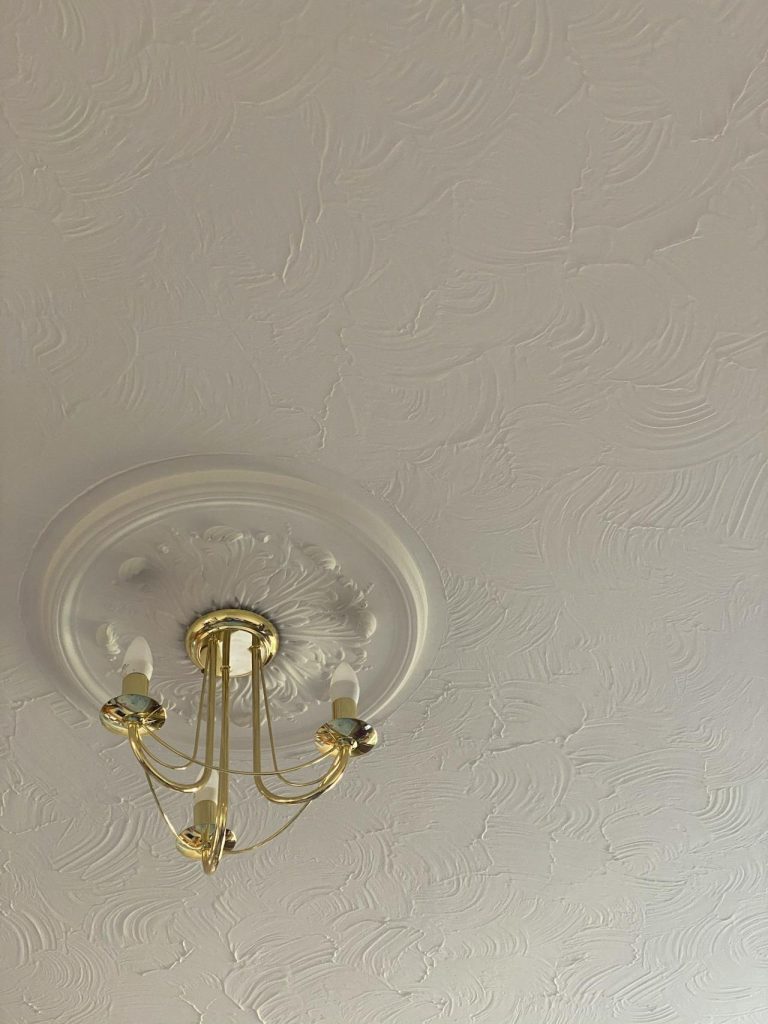
If you looked up and saw a stippled surface, your home likely embraced a then-modern finish. Textured ceilings gained traction after mid-century construction booms because they hid imperfections and absorbed sound. By the eighties, the look was standard in many new builds.
Manufacturers promoted spray-on textures as practical and economical. You did not have to worry about minor cracks or uneven drywall seams. Although later health concerns emerged around older asbestos-containing versions, many eighties installations were asbestos-free. At the time, the finish felt practical and current, not outdated.
4. Sunken Living Rooms
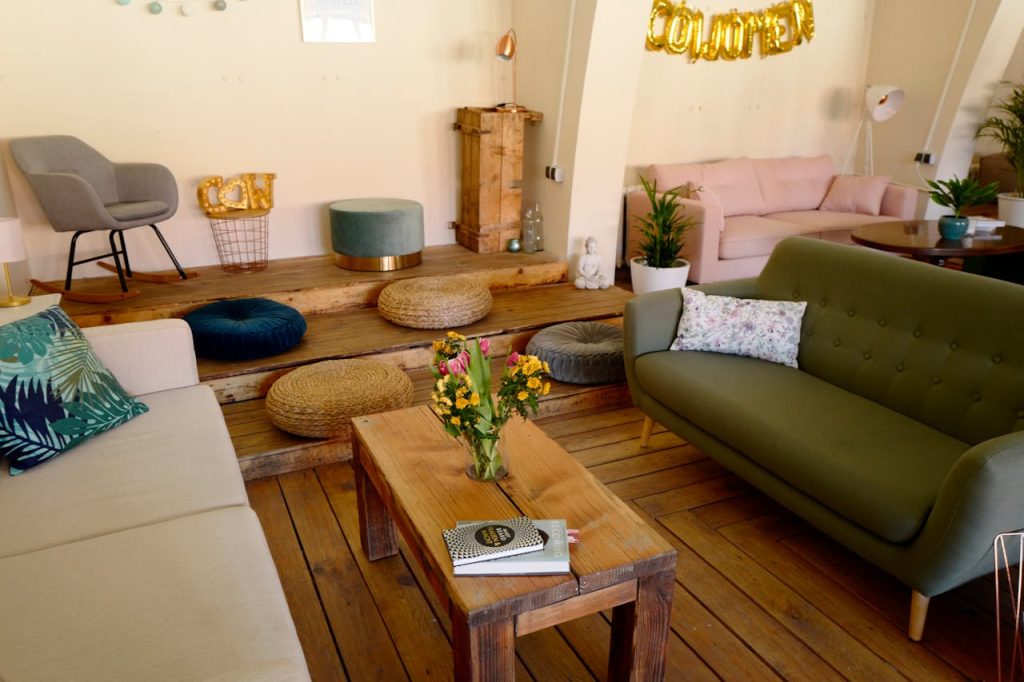
A step down into the main seating area once felt dramatic. The conversation pit concept, popularized in earlier decades, evolved into the sunken living room that carried into the eighties. Architectural historians often trace the idea back to mid-century modern experimentation seen in projects like the Miller House.
When you hosted guests, that lowered floor subtly defined the space without walls. It created intimacy in open plans that were becoming more common. Today, many remodelers level those floors for safety and accessibility, but at the time, that single step down signaled thoughtful, contemporary design.
5. Oak Cabinets with Heavy Grain
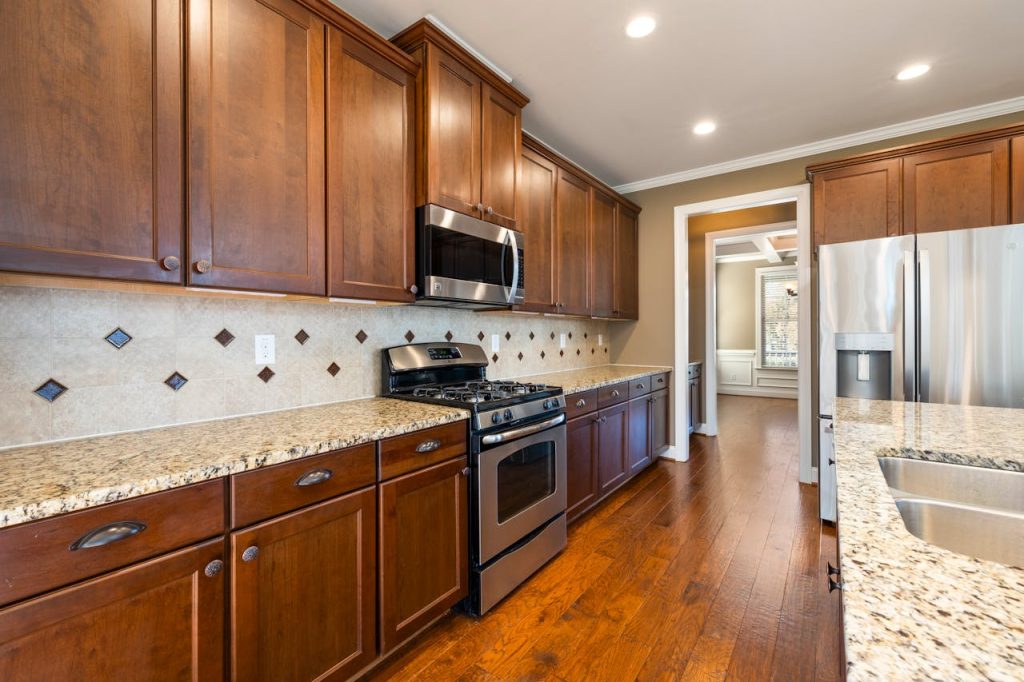
In the kitchen, honey-colored oak reigned. Advances in mass production made solid oak and oak veneers widely available. The strong grain pattern conveyed durability and warmth. Industry data from the National Kitchen and Bath Association shows wood cabinetry dominated new kitchens through the nineties.
You probably paired those cabinets with laminate countertops and brass hardware. The look felt sturdy and upscale compared to earlier painted metal cabinets. While trends have shifted toward painted finishes and flat fronts, oak once defined a modern, move-in-ready kitchen. You saw it in model homes, design magazines, and nearly every new suburban build of the era.
6. Built-In Entertainment Centers
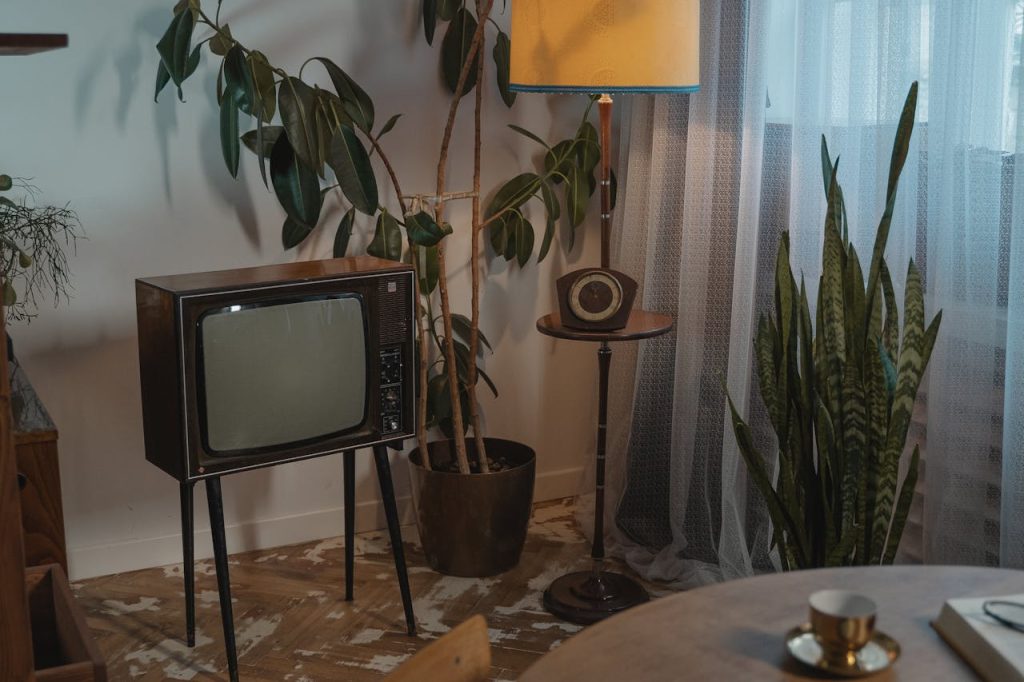
Before flat screens, televisions were bulky. To manage the size, builders carved out dedicated wall units. A built-in entertainment center with space for a tube TV, VCR, and stereo components marked a home as technologically current.
You displayed VHS tapes, speakers, and perhaps a gaming console in symmetrical cubbies. Media furniture blended into drywall, often painted the same neutral tone as the room. With the rise of streaming and slim screens, those deep niches now look awkward. In the nineties, though, they showed you were ready for movie night at home. The setup made your living room feel like a private theater long before surround sound became standard.
7. Glass Block Windows
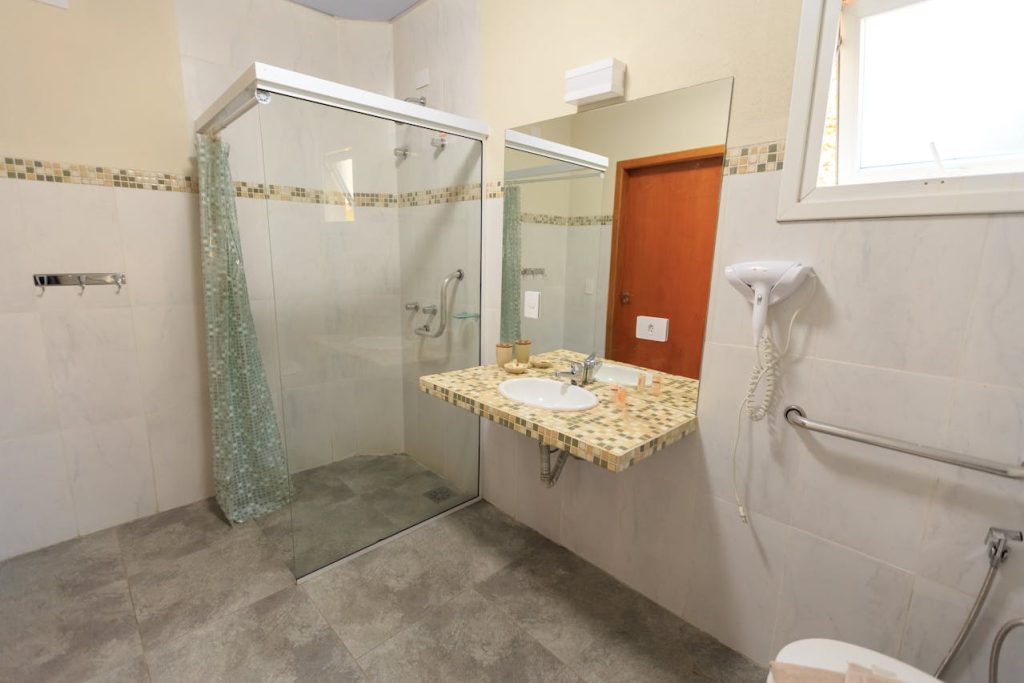
If your bathroom featured translucent blocks instead of clear panes, you were looking at another hallmark of late twentieth-century design. Glass block promised privacy without sacrificing light. Manufacturers promoted it heavily for showers and stairwells.
You gained a clean, geometric look that felt contemporary. The blocks referenced Art Deco influences while fitting suburban builds. Today, many homeowners replace them with standard windows, yet at the time, that grid of glass squares suggested your house embraced modern materials and architectural flair. It felt sleek and practical, especially in homes that wanted light without compromising privacy.
8. Track Lighting and Recessed Fixtures
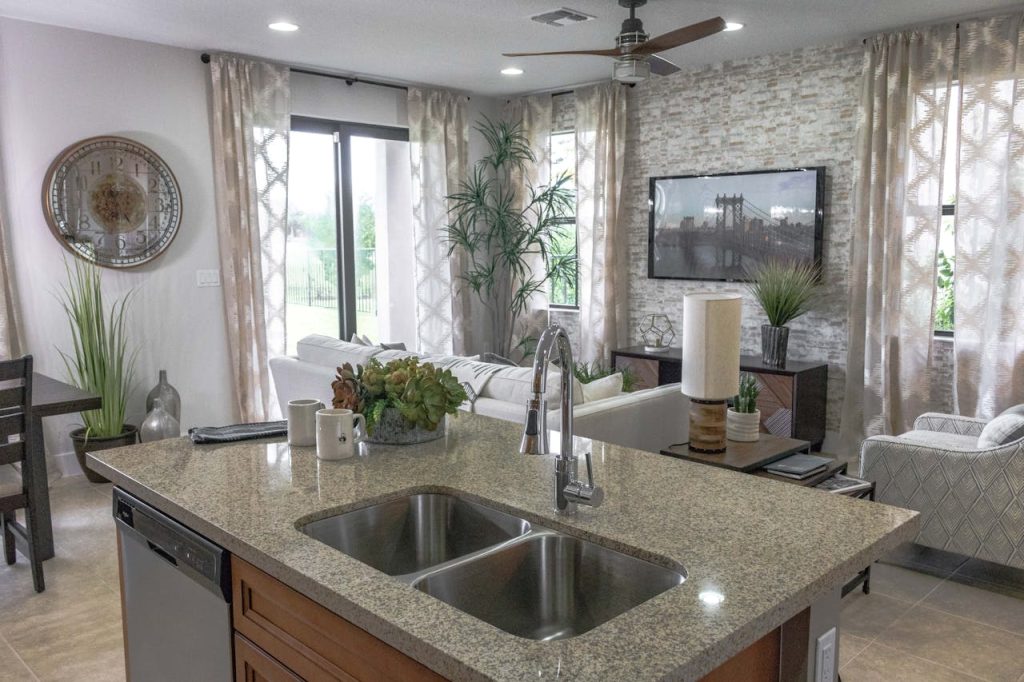
Lighting shifted from ornate chandeliers to streamlined systems. Track lighting allowed you to direct beams toward artwork or countertops. Recessed can lights created a smooth ceiling line, reinforcing the clean aesthetic many homeowners wanted.
You controlled brightness in ways earlier generations could not. Home improvement retailers in the nineties marketed these fixtures as forward-thinking and adaptable. Although design tastes have softened toward warmer, layered lighting, those rows of small circular trims once told visitors your home felt current and thoughtfully updated. You felt like you had stepped into a space designed with intention, not just tradition.
9. Open Concept Kitchen and Family Room
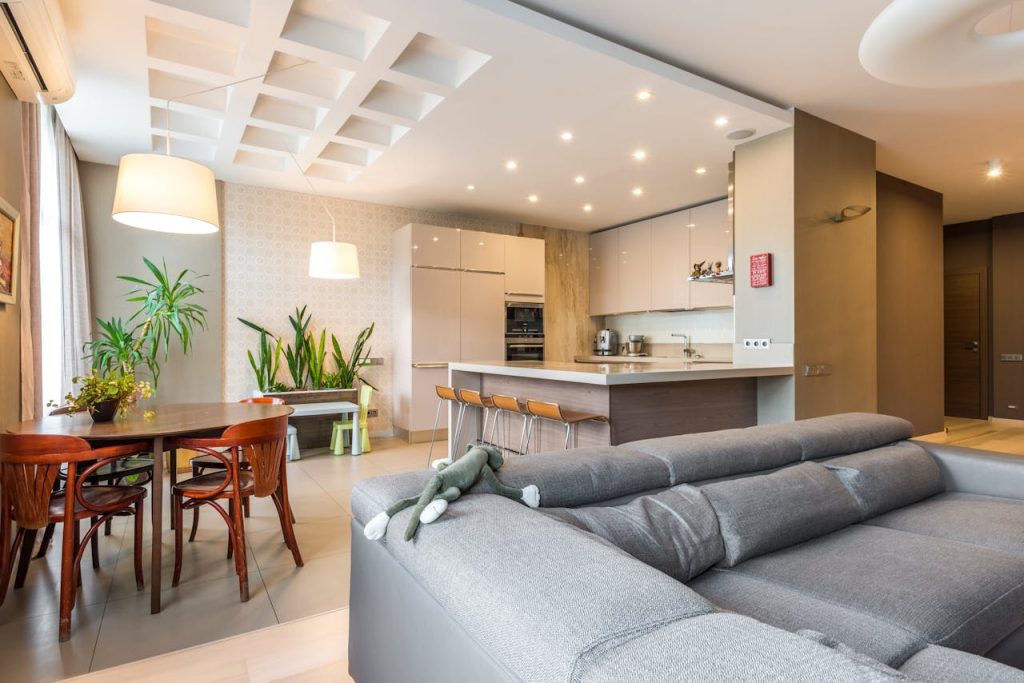
By the nineties, formal dining rooms began to shrink while combined kitchen and family rooms expanded. Sociologists studying housing trends noted a shift toward informal living and shared activities. Builders responded with fewer interior walls and wider sightlines.
You could cook while watching television or supervising homework. The layout encouraged multitasking and casual entertaining. Today’s open plans build on that idea, but in its early suburban form, removing those walls felt progressive. If your house flowed from stove to sofa without interruption, it once represented the height of modern living.