

You want to stay connected with your child, not just get through the day. Asking simple questions shows you care about how they think and feel. It keeps you tuned in to their world, their friendships, and how school or life feels from their perspective. When you make time for real conversation, even brief moments add up.
Here’s the thing: children open up when questions are open, warm, and specific. Instead of yes/no queries that feel like chores, try asking what made them smile, what they found hard, or what they’re curious about. These questions help you notice changes in mood and behavior. They let your child know you’re present and listening, not just checking boxes. Over time, this daily routine builds trust and understanding.
1. How Was Your Day?

You might think this is basic, but it’s powerful when asked sincerely. Asking about their day opens the door for your child to share successes and frustrations. You get insight into both school life and social experiences. Don’t rush their answers; sometimes silence is part of processing their thoughts. Let them take the lead, and follow up with gentle curiosity.
Over time, this simple question becomes a daily ritual that strengthens your bond and shows your child you genuinely care. Make eye contact and stay present, even for a few minutes. Show empathy by acknowledging their feelings without judgment. This small act consistently reassures them that their voice matters.
2. What Was the Best Part of Your Day?

Focusing on the positive helps your child notice things that bring them joy. This question shifts attention away from stress or frustration, highlighting moments of accomplishment or fun. Encourage them to describe why it felt good and how it made them feel. Celebrate even the smallest successes to reinforce their effort and enthusiasm.
Over time, this practice helps your child naturally look for bright spots in everyday life, building confidence and emotional resilience. Ask follow-up questions that dig a little deeper, like what part surprised them or made them laugh. Share similar positive moments from your own day to model reflection. This creates a two-way conversation that strengthens connection and understanding.
3. Did Anything Make You Feel Upset or Sad?

Children need space to express discomfort without judgment. Asking directly about difficult feelings shows you care about their emotional well-being. You give them permission to be honest and open. Encourage them to explain what specifically caused the upset and how it made them feel. Avoid minimizing their concerns, even if they seem small, as this helps them feel understood.
Over time, these conversations teach your child that emotions are safe to explore and that they can rely on you for support. Check in later to see if their feelings have changed or improved. Let them know it’s always okay to revisit topics they find troubling.
4. Did You Learn Something New Today?

Curiosity is a core part of development. Asking this question reinforces the value of learning, whether in school, at home, or through play. It helps your child recognize their own growth. Invite them to explain what interested them most or what surprised them. Celebrate their questions, even if you don’t have all the answers, and explore the topic together when possible.
Over time, this habit nurtures a love of learning and shows your child that discovery is exciting and worthwhile. Ask follow-up questions that encourage deeper thinking and reflection. Provide opportunities for hands-on exploration to make learning tangible. Show genuine excitement for their discoveries to reinforce curiosity as a joyful habit.
5. Who Did You Spend Time With?

Friendships shape a child’s daily life and emotional health. Asking about companions lets you monitor social dynamics and notice potential issues like exclusion or conflict. Encourage your child to share not just who they spent time with, but how they felt during those interactions. Listen for signs of peer pressure, support, or discomfort, and gently discuss ways to handle challenges.
Over time, this practice helps your child develop stronger social skills and reassures them that you care about the quality of their relationships. Reflect on your own experiences with friends to normalize challenges and problem-solving. Reinforce that healthy friendships are based on respect, kindness, and mutual support.
6. What Are You Excited About?

Excitement fuels motivation. Asking what your child looks forward to helps you understand their passions, goals, and interests. It shows you value their individuality. Encourage them to describe what makes the activity or event exciting and why it matters to them. Share in their enthusiasm, showing genuine interest and asking follow-up questions.
Offer small ways to support their goals, whether it’s helping plan, providing resources, or simply cheering them on. Reflect on similar experiences you’ve had to create a connection and shared understanding. Over time, these conversations help your child feel seen, validated, and inspired to chase what energizes them.
7. Is There Anything You’re Worried About?

Anxiety can be subtle, especially in children. Asking this question opens a safe space for concerns, from schoolwork to friendships or changes at home. It signals that you are ready to listen without judgment. Encourage your child to describe exactly what is worrying them, no matter how small it seems.
Validate their feelings by acknowledging that their concerns are real and understandable. Offer practical strategies together, but don’t force solutions immediately. Check in later to see if the worry has eased or changed. Over time, this builds trust and helps your child feel confident sharing challenges openly.
8. Did You Help Someone Today?

Helping others builds empathy and perspective. Asking this question encourages your child to reflect on acts of kindness, teamwork, and collaboration. It shifts focus outward and reinforces social responsibility. Ask them how helping made them feel and what they learned from the experience. Encourage them to notice when others help them in return, creating a sense of mutual respect.
Over time, these conversations strengthen moral awareness and teach that small, thoughtful actions can have a meaningful impact on the people around them. Suggest ways they might help again tomorrow, making kindness a regular habit. Talk about real-life examples of generosity you notice in your community. Show appreciation for their efforts to reinforce the value of giving.
9. What Are You Curious About Right Now?
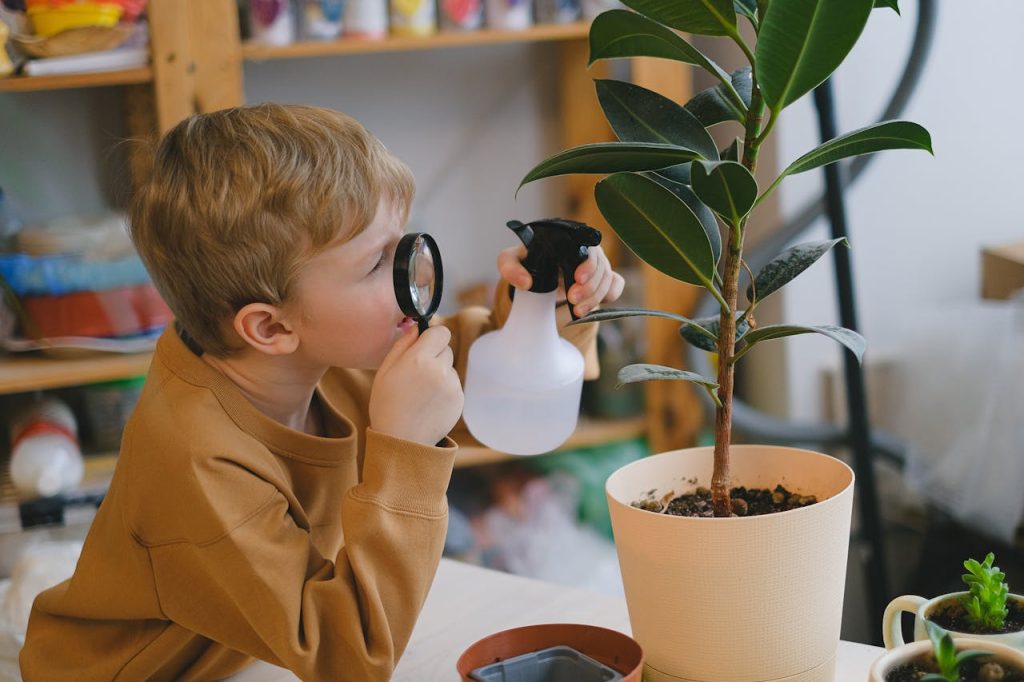
Curiosity drives creativity and learning. Asking what they want to know encourages exploration beyond the classroom. It gives insight into evolving interests and passions. Invite them to explain why a topic sparks their curiosity and what questions they have. Explore answers together through books, experiments, or online resources that match their age. Share your own questions or discoveries to model lifelong learning. Encourage them to pursue projects or hobbies inspired by their curiosity. Over time, these conversations show your child that asking questions is valuable and that their ideas are worth exploring deeply.