Remember when paper ruled your day? You grabbed a stack of sticky notes before stepping out. You scribbled reminders on scraps. You kept receipts, maps, and lists in your pocket. Paper was how you planned, recorded, and remembered. It felt natural, and you barely noticed how essential it was.
Today, you tap screens for everything. But there was a time when nine paper items were part of your daily routine. From newspapers to notebooks, these pieces of pulp shaped how you worked, learned, and connected. Let’s look back at what you used before everything went digital. You’d flip through a planner to check appointments or jot down ideas, feeling the satisfaction of crossing off tasks. Every folded map or crumpled receipt told a story of where you’d been and what you’d done.
1. Printed Newspapers
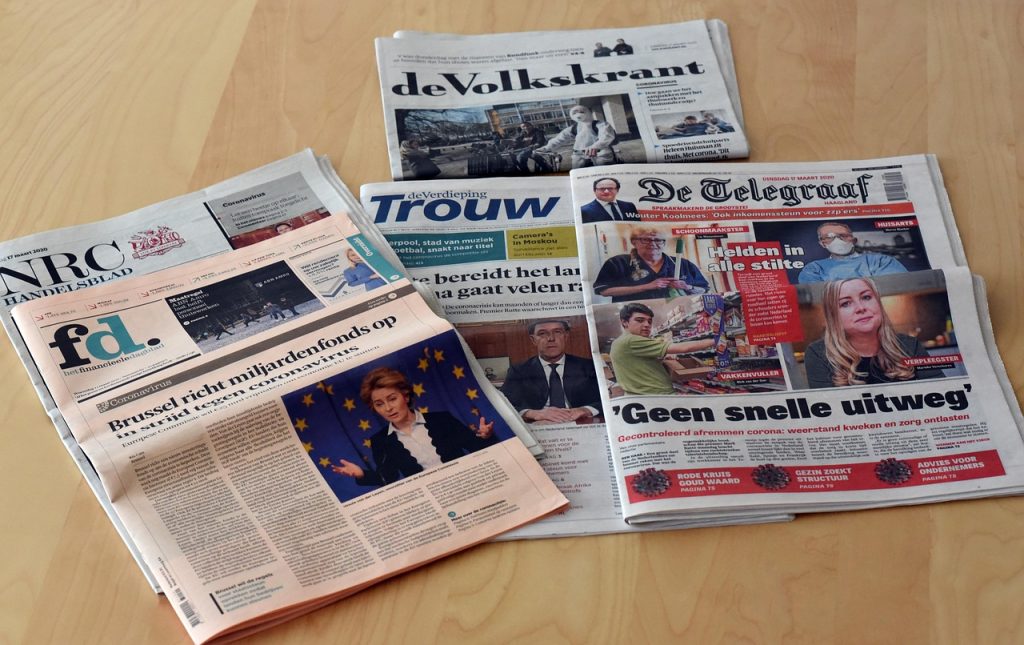
You held yesterday’s news in your hands each morning. Headlines jumped at you from bold print. You flipped pages, folded sections and found the comics. Newspapers weren’t just stories; they were rituals. You shared clippings with friends and marked important events with a pen.
You smelled the ink and felt the texture of each page as you read. You circled sales in the ads and clipped recipes for the week. Obituaries, classifieds, and opinion columns drew you in, giving a snapshot of your community. You discussed headlines over coffee, comparing notes with family or coworkers. The rhythm of reading a newspaper set the pace for your morning and connected you to the world in a way screens rarely replicate.
2. Sticky Notes
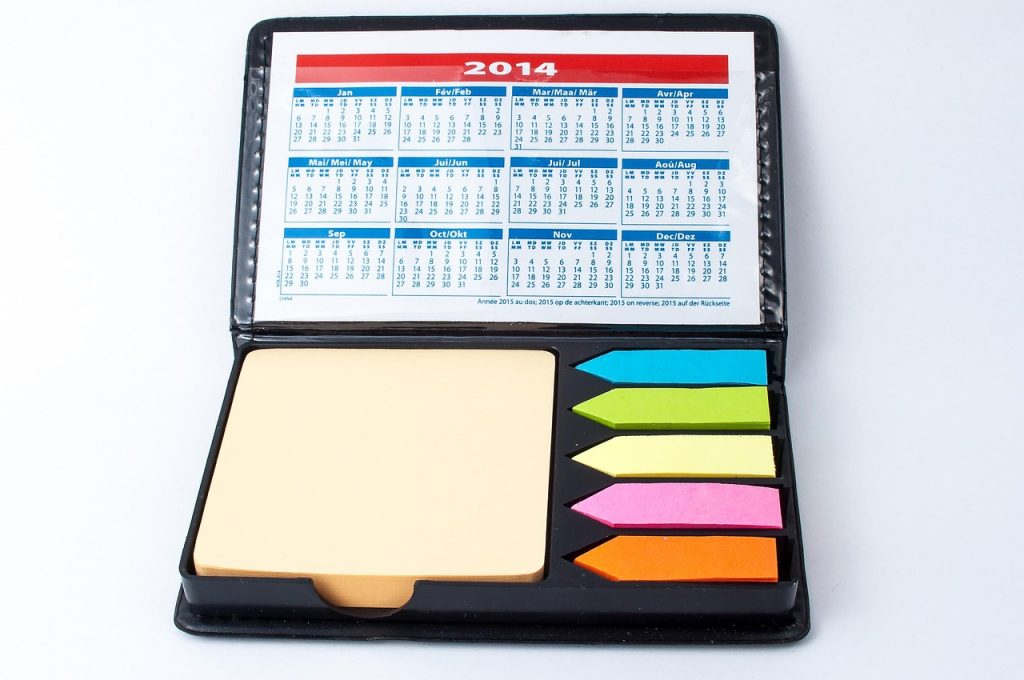
Bright little squares stuck to your monitor, fridge or planner. You wrote quick reminders, phone numbers and ideas on them. They cluttered your desk but worked because you saw them everywhere. Sticky notes helped you capture thoughts before they slipped away.
You could color-code them to prioritize tasks or highlight urgent messages. They became mini-messages from yourself, impossible to ignore. You moved them around as plans changed, peeling and re-sticking with ease. Sometimes a note carried a doodle or a motivational quote to lift your mood. Their simplicity made them surprisingly powerful tools for keeping your day organized.
3. Planners and Day Planners
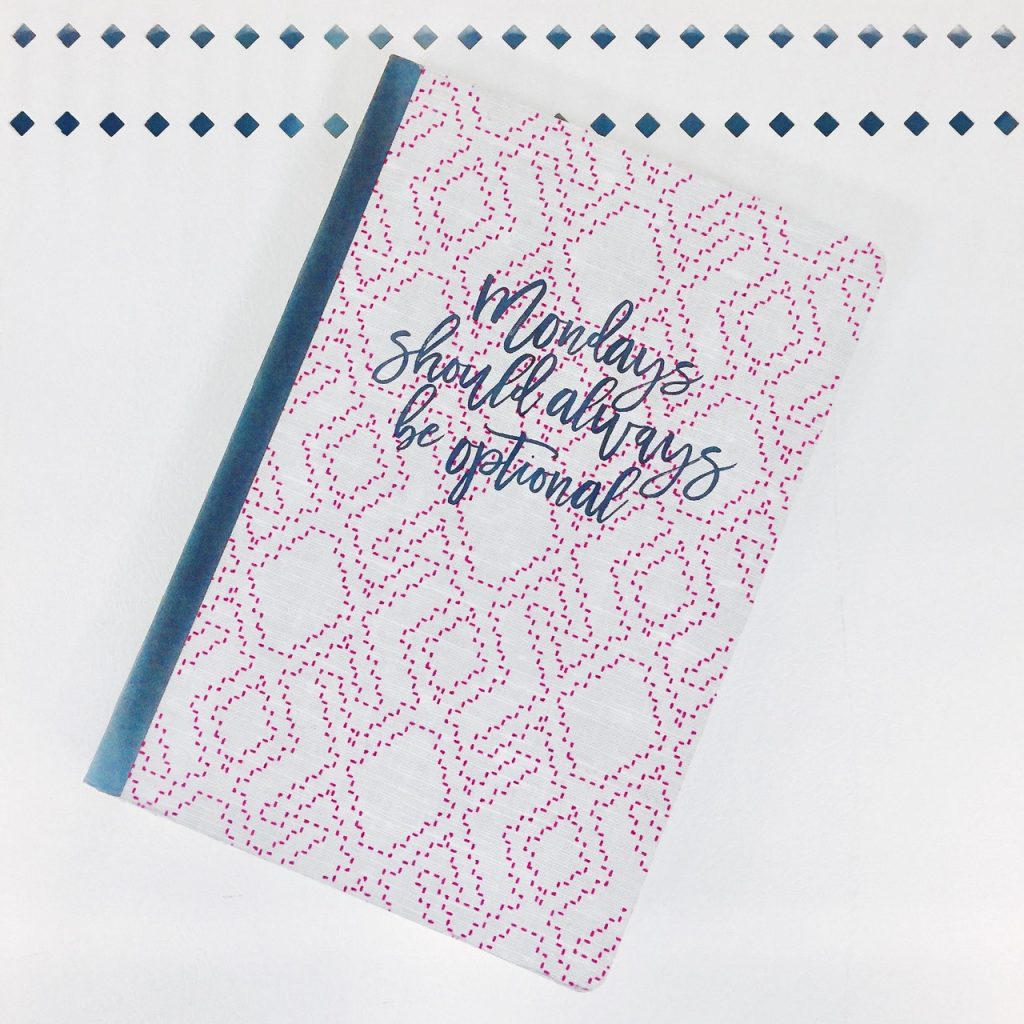
Before calendar apps, you wrote appointments on dated pages. Your planner held birthdays, meetings and deadlines. You crossed off tasks with a satisfying scratch of a pen. It was paper organized for your life.
You added notes in margins and highlighted important dates for quick reference. Pages bulged with reminders, sketches, and to-do lists. You flipped back to check past weeks or plan ahead, seeing patterns in your schedule. Personal events and work deadlines shared the same space, making your planner a complete snapshot of life. Some planners even had pockets for receipts or tickets. Over time, it became more than organization; it was a record of your days, a tangible timeline of your routines and achievements.
4. Printed Maps
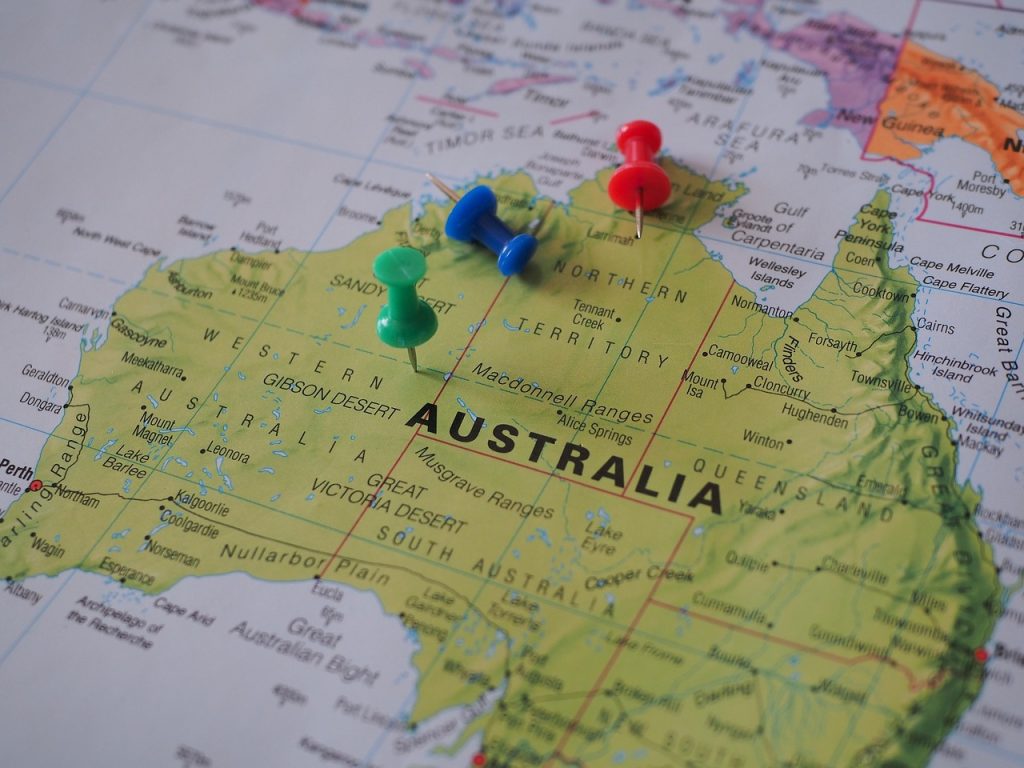
Before GPS voices guided you, you spread maps across seats and tables. You traced routes with your finger and marked turns in pencil. Printed maps showed roads, distances and landmarks. They made travel hands‑on and memorable.
You folded them carefully to fit back into your glove compartment or backpack. You compared multiple maps to plan detours or scenic routes. Highlighting or circling destinations gave you a sense of control over your journey. Asking for directions often complemented your map, turning travel into a shared experience. Every crease and annotation became a memory of the places you’d explored and the adventures you’d had along the way.
5. Receipts

Every purchase came with a slip of paper. You kept receipts for returns, budgets and taxes. Wallets bulged with these tiny records. They told the story of where your money went.
You sorted them into envelopes or folders to track spending over time. Some receipts were folded and tucked into notebooks as reminders of special events or gifts. Comparing receipts helped you catch mistakes or verify purchases. You highlighted important transactions or wrote notes on them for clarity. Receipts became a paper trail that offered both accountability and memory. Even small items like coffee or snacks were documented, creating a tangible record of daily life.
6. Index Cards
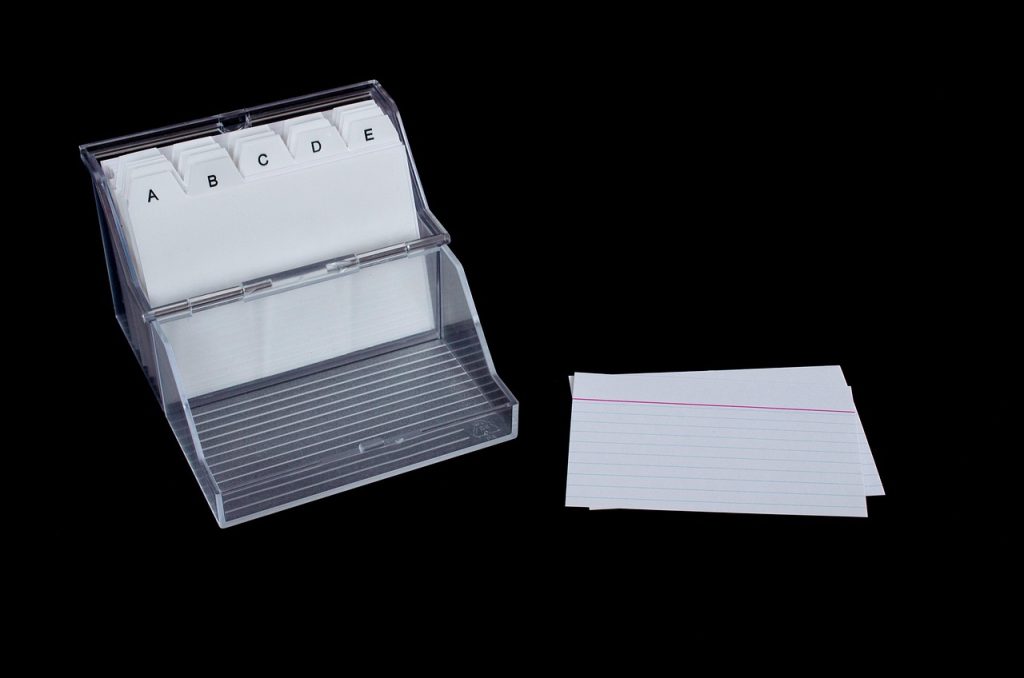
Students and professionals used index cards for study and work. You wrote one idea per card and shuffled them to memorize facts. They fit in your pocket and helped you learn on the go.
You organized them by topic, color, or priority to make studying more efficient. Flashcards became essential for exams, presentations, or project notes.
You carried stacks to review during commutes or breaks. Writing by hand reinforced memory in a way typing could not. Some cards held diagrams or quick sketches to visualize concepts. You traded cards with classmates or colleagues to compare ideas. Over time, your collection became a personal library of knowledge you could carry anywhere.
7. Notebooks
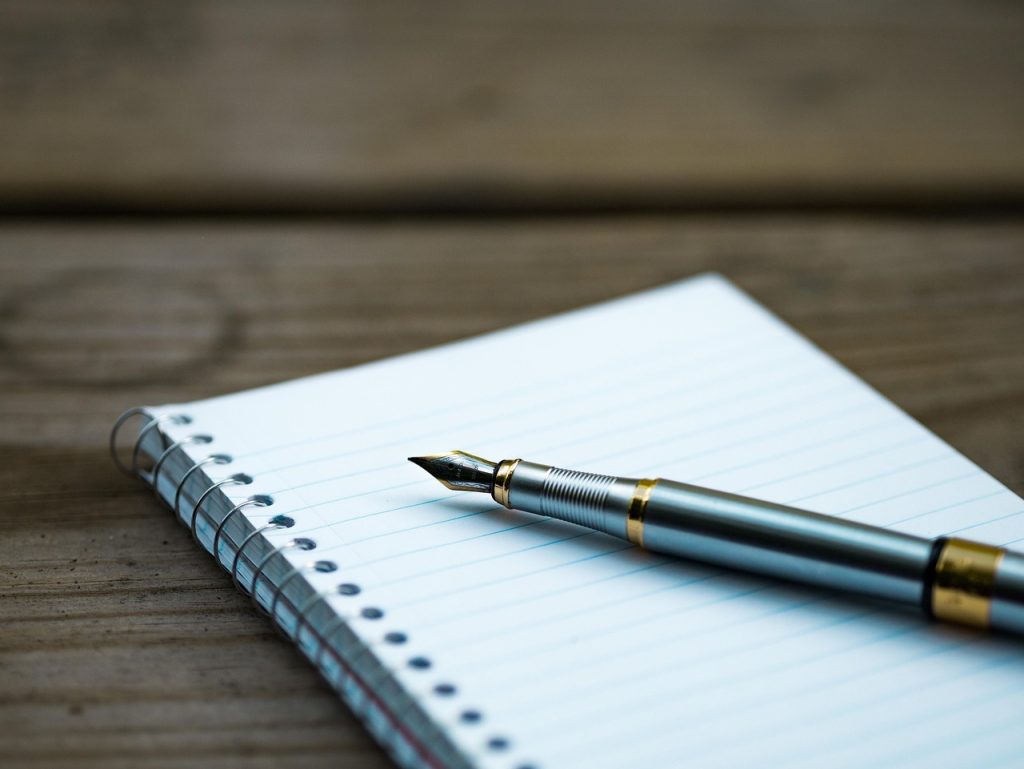
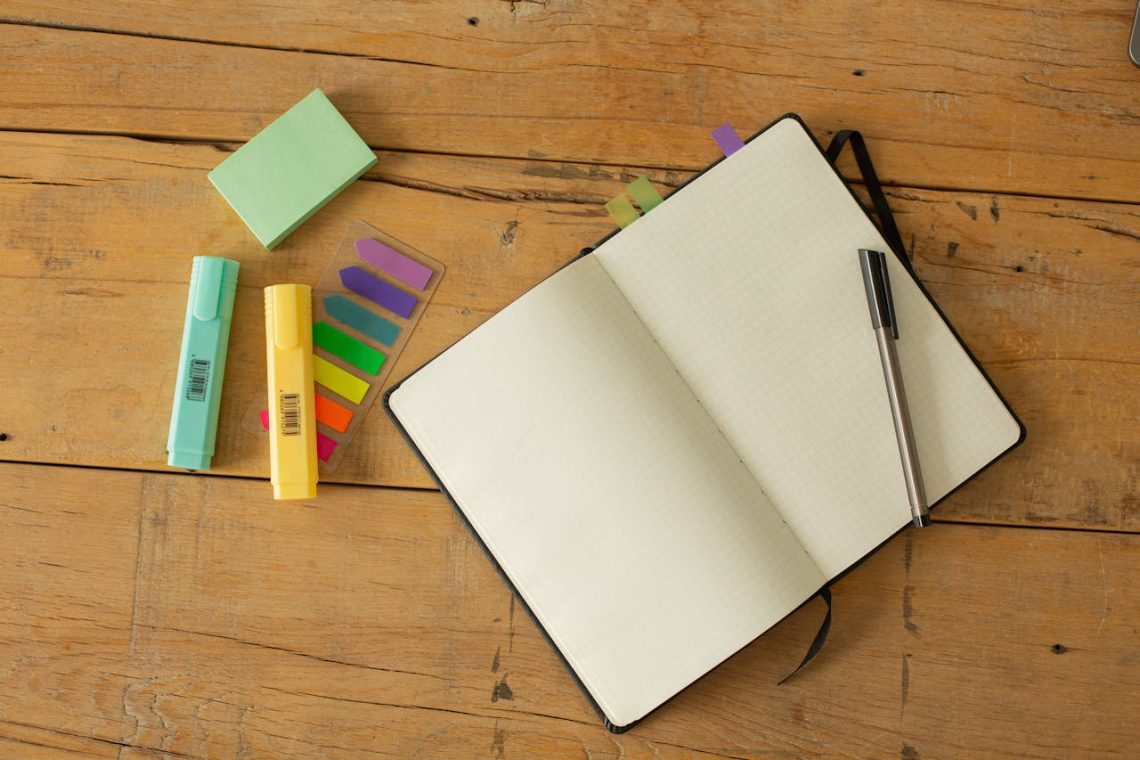
Collected thoughts, lists, sketches and plans all lived in notebooks. You opened them daily, flipping between ideas. A notebook was a personal archive before cloud folders existed.You used tabs, bookmarks, or sticky notes to quickly find important pages. Some notebooks held travel memories, receipts, or ticket stubs tucked between pages.
You doodled or brainstormed freely, letting ideas flow without restriction. Reviewing old pages showed how much you’d learned or grown. You carried them to meetings, classes, or cafés, always ready to jot down a thought. Writing by hand made ideas feel tangible and permanent. Sharing pages with friends or coworkers allowed collaboration in a personal way. Each notebook became a story of your life, thoughts, and creativity captured on paper.
8. Postcards
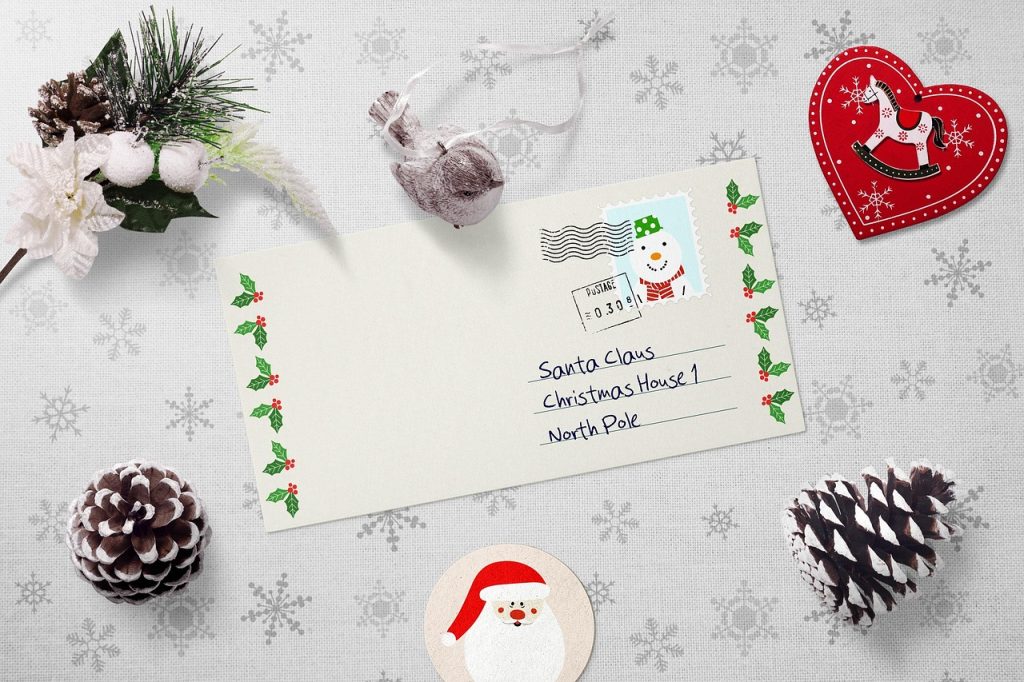
You sent friends a view from your travels, written in your handwriting. Postcards carried greetings and memories. They were snapshots of places, mailed with stamps and anticipation. You carefully chose images that captured the spirit of a city or landscape. Writing a message required thought, making each postcard personal. You collected postcards from friends, creating a visual diary on your wall or in a box.
Some postcards marked milestones like holidays or birthdays, becoming keepsakes. Waiting for a reply added excitement to communication. You swapped them with pen pals, connecting across distances. Each postcard combined art, words, and memory into a small, tangible token. Over time, they formed a paper trail of adventures and relationships you could hold in your hands.
9. Paper To‑Do Lists
You made lists every morning. Write groceries. Call a friend. Pay a bill. Crossing off items gave you a sense of progress. Before digital apps tracked tasks, your list on paper guided your day.
Before screens took over, these nine paper items were your daily companions, helping you plan, remember and stay informed every day.
You added doodles or notes in the margins to personalize each list. Some lists carried over from day to day, evolving with priorities. They reminded you of both small chores and big goals. Ticking off each task gave a simple, satisfying sense of accomplishment that screens rarely replicate.