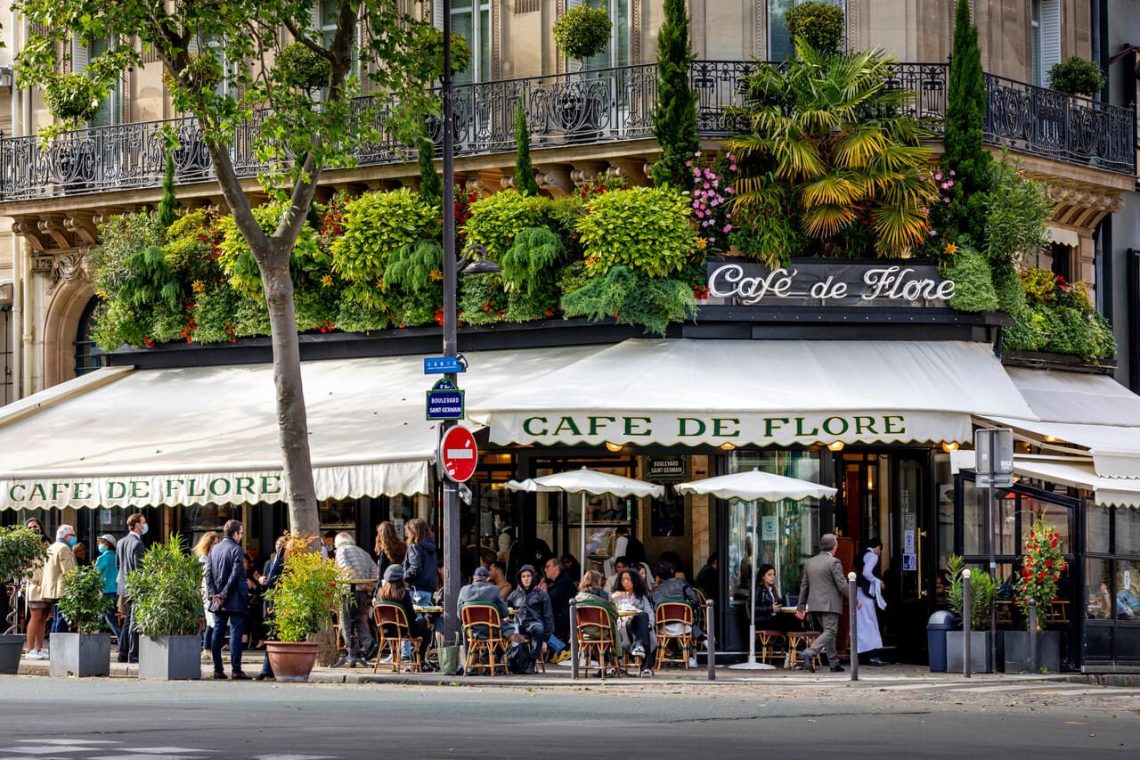
You know the feeling. You slide into a bentwood chair, the table is marble and slightly cool under your fingertips, and the room hums with low conversation. A server in a crisp apron sets down coffee in real porcelain, not paper. Light filters through tall windows that have seen decades, sometimes centuries, of regular use. You are not rushed. No one is hovering for the check. The clock matters less here. What matters is the ritual: ordering slowly, reading something substantial, maybe watching the door open and close.
These cafés were built for lingering. Writers drafted novels at their tables. Political arguments unfolded over thick hot chocolate. Artists sketched in the margins of newspapers. You feel it when you sit down. The room carries memory. Here are nine Old-World cafés where you can claim a corner table and let the afternoon stretch.
1. Café Central, Vienna
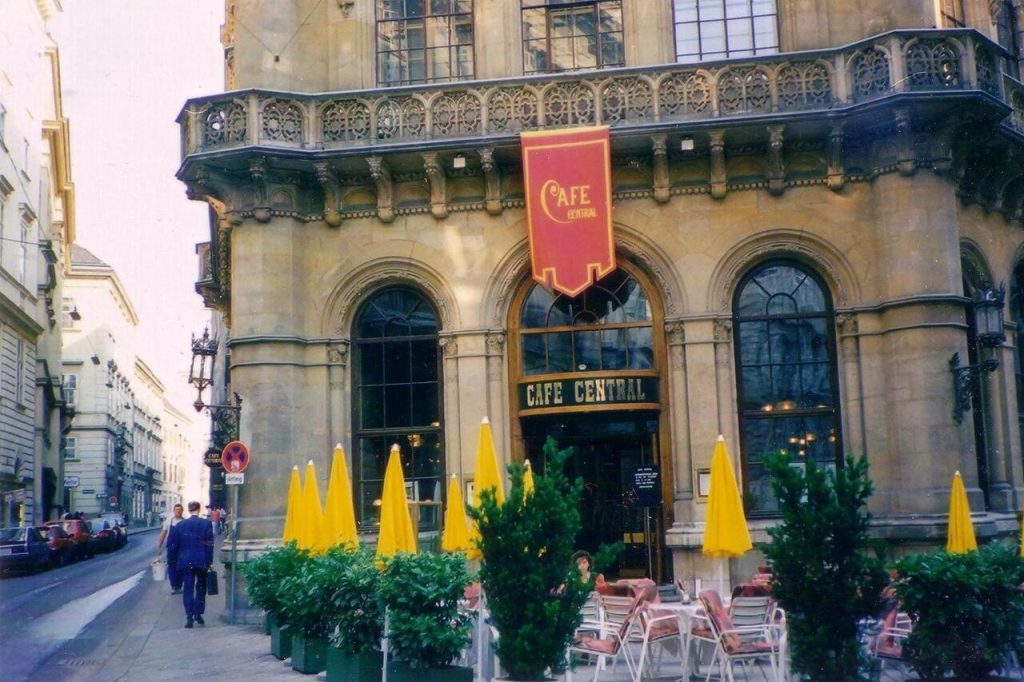
When you walk into Café Central in Vienna, you step beneath vaulted ceilings and chandeliers that glow softly against white arches. Opened in 1876, it became a meeting place for thinkers such as Sigmund Freud and Leon Trotsky. You feel that intellectual weight in the air, but the mood is welcoming rather than solemn. Order a Wiener Melange and a slice of Sachertorte, then settle in with a book.
The pace encourages you to stay. Servers move with calm efficiency, and no one rushes you out the door. Vienna’s coffeehouse culture is recognized by UNESCO as intangible cultural heritage, and you understand why once you sit down. The café functions as a living room for the city. You can think, write, or simply watch the room breathe around you.
2. Café de Flore, Paris
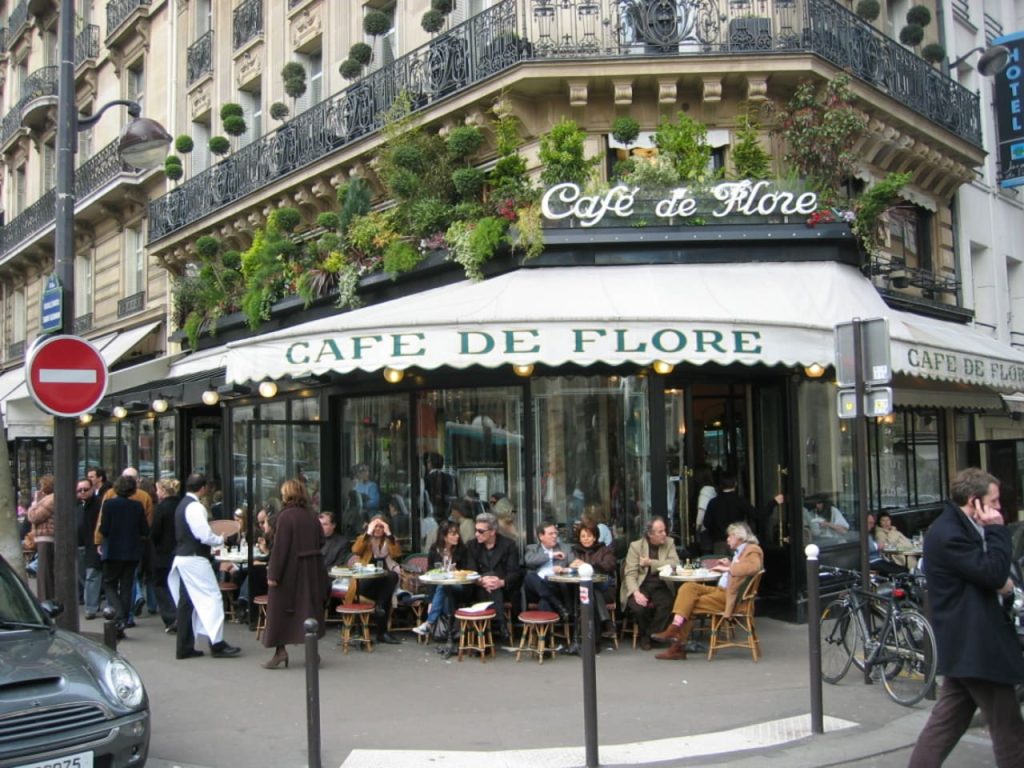
On the Left Bank in Paris, Café de Flore has been pouring coffee since the late nineteenth century. You might recognize its red awnings and tight terrace seating from photographs of Jean-Paul Sartre and Simone de Beauvoir, who once wrote and debated here. The room inside feels compact, almost intimate, with mirrors that bounce light across polished wood.
You order an espresso and sit close enough to the street to watch passersby drift along Boulevard Saint-Germain. Conversation blends with the clinking of cups. The café’s reputation draws visitors, yet it still feels like a neighborhood institution. You can linger over a second coffee without pressure. Time softens here, and the afternoon unfolds at its own rhythm.
3. Caffè Florian, Venice
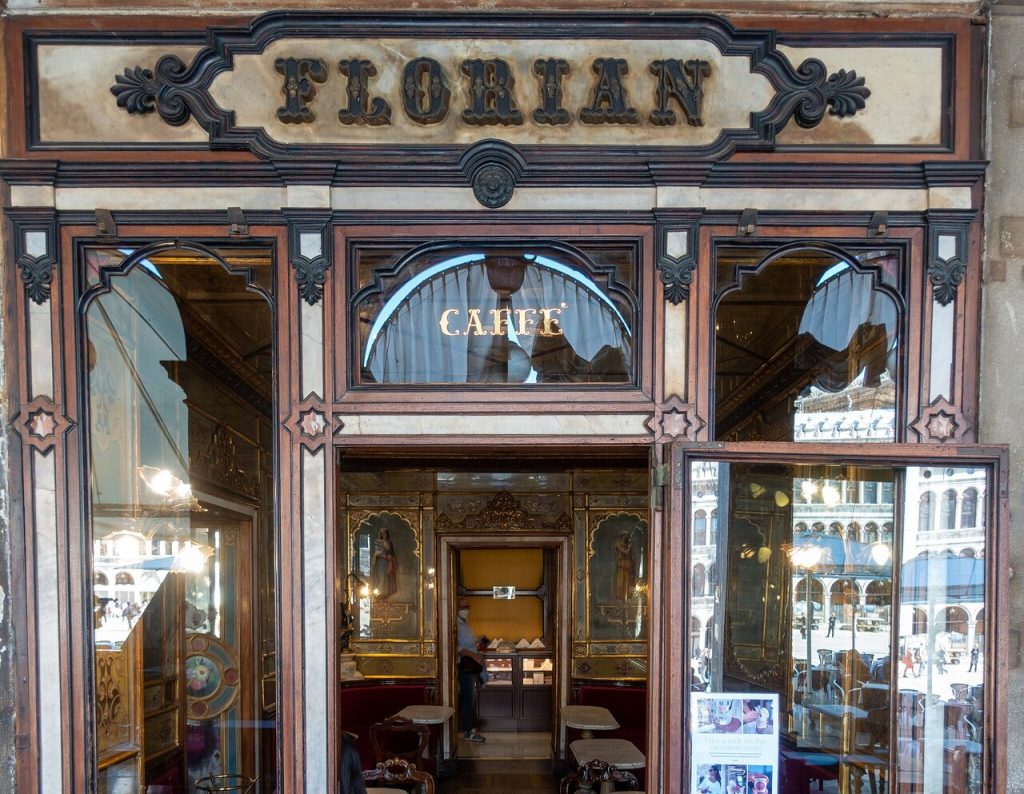
Step into Caffè Florian in Venice and you enter one of the oldest cafés in continuous operation, founded in 1720. The rooms are lined with gilded mirrors, velvet banquettes, and frescoed walls. Figures such as Giacomo Casanova once passed through. You sit beneath chandeliers that reflect in polished marble tables.
Outside, musicians sometimes play in St. Mark’s Square while you sip a rich Italian coffee. Prices reflect the setting, but you are paying for atmosphere as much as for a drink. You can stay as long as you like, watching light shift across the piazza. The café feels theatrical, yet deeply rooted in Venetian daily life.
4. Café A Brasileira, Lisbon
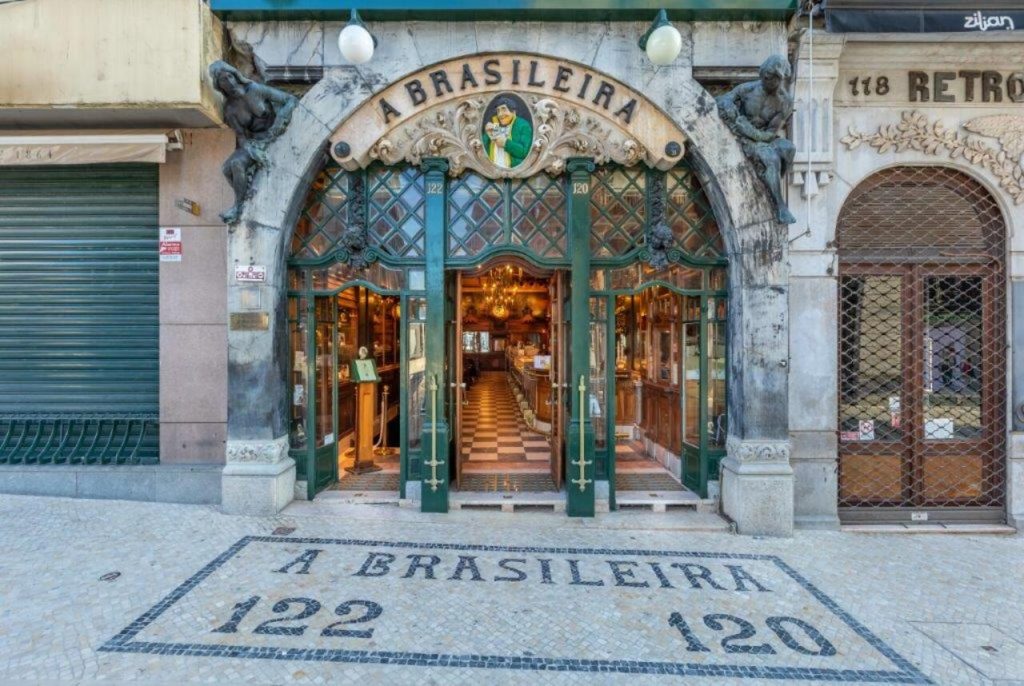
In the Chiado district of Lisbon, Café A Brasileira opened in 1905 and quickly became a gathering place for writers. A bronze statue of Fernando Pessoa sits outside, and you can take a seat beside him before heading in. Inside, dark wood and brass details create a warm, slightly nostalgic glow.
Order a bica, Lisbon’s strong espresso, and let yourself slow down. The café once introduced Brazilian coffee to Portugal, helping shape the country’s café culture. You feel that legacy in the steady flow of locals and visitors. The space invites reflection. You can write postcards, read a novel, or simply rest in the hum of conversation.
5. Café Tortoni, Buenos Aires
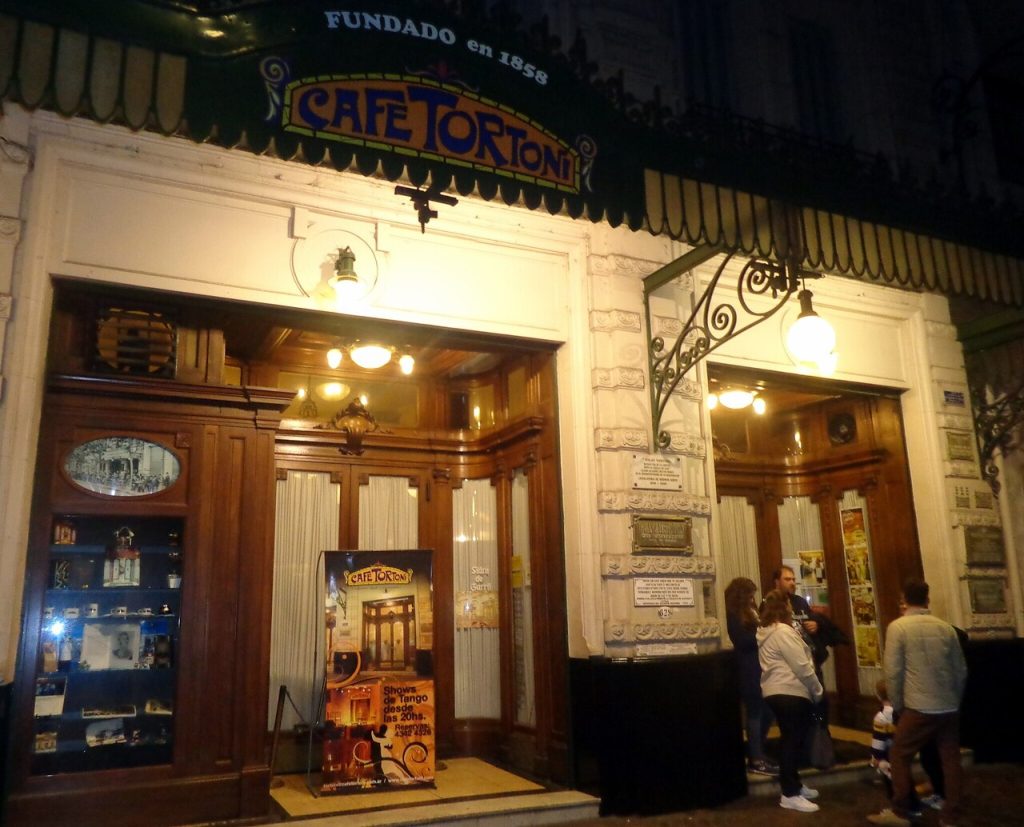
Founded in 1858, Café Tortoni is woven into the cultural fabric of Buenos Aires. Stained glass ceilings and carved wood panels frame a long, elegant hall. Writers such as Jorge Luis Borges were associated with its literary gatherings. You can almost imagine poems being drafted at the next table.
You order café con leche and medialunas, then settle in beneath the soft glow of antique lamps. Tango performances sometimes take place in a back room, linking coffeehouse life with the city’s music. The café feels both grand and personal. You are free to linger, absorb the details, and let the afternoon drift toward evening.
6. Café Majestic, Porto
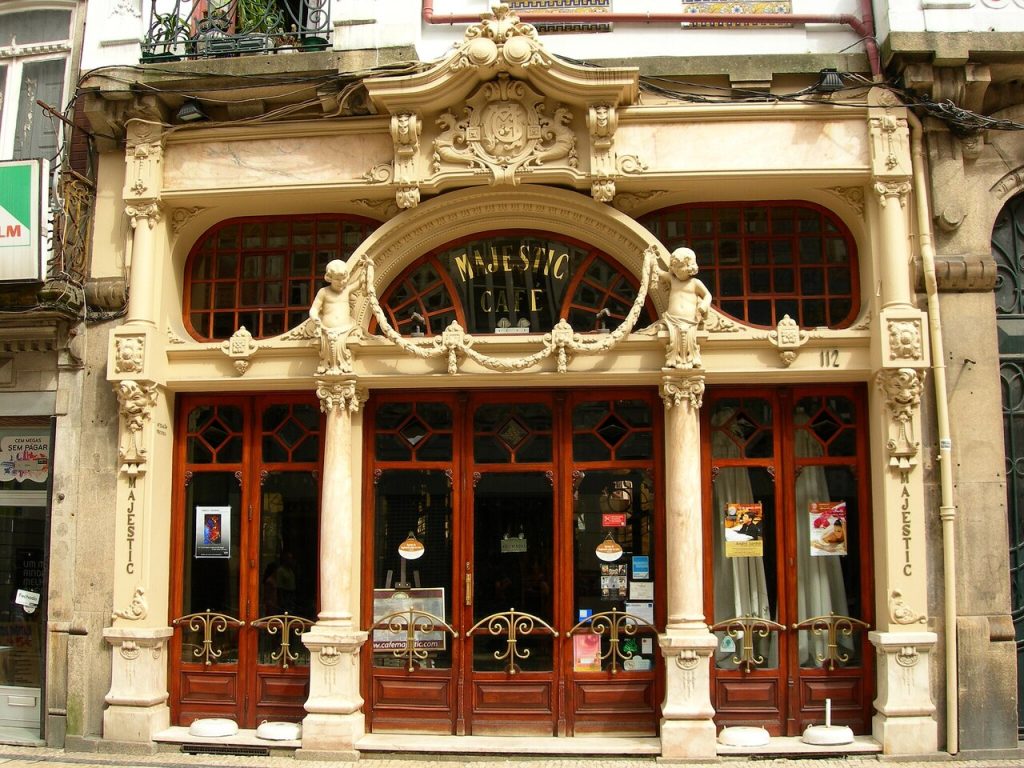
On Rua Santa Catarina in Porto, Café Majestic opened in 1921 and still reflects Belle Époque elegance. Ornate plasterwork, mirrored walls, and leather seating give the room a cinematic quality. You sit surrounded by decorative detail that encourages you to look up from your cup.
Writers and artists have long favored the space, and it continues to host cultural events. When you order coffee and a pastry, the presentation feels deliberate. You can spend hours here without noticing the time. The café offers a rare mix of formality and warmth, inviting you to slow your pace and stay awhile. Even the soft clink of porcelain seems to echo with a century of conversation.
7. Antico Caffè Greco, Rome
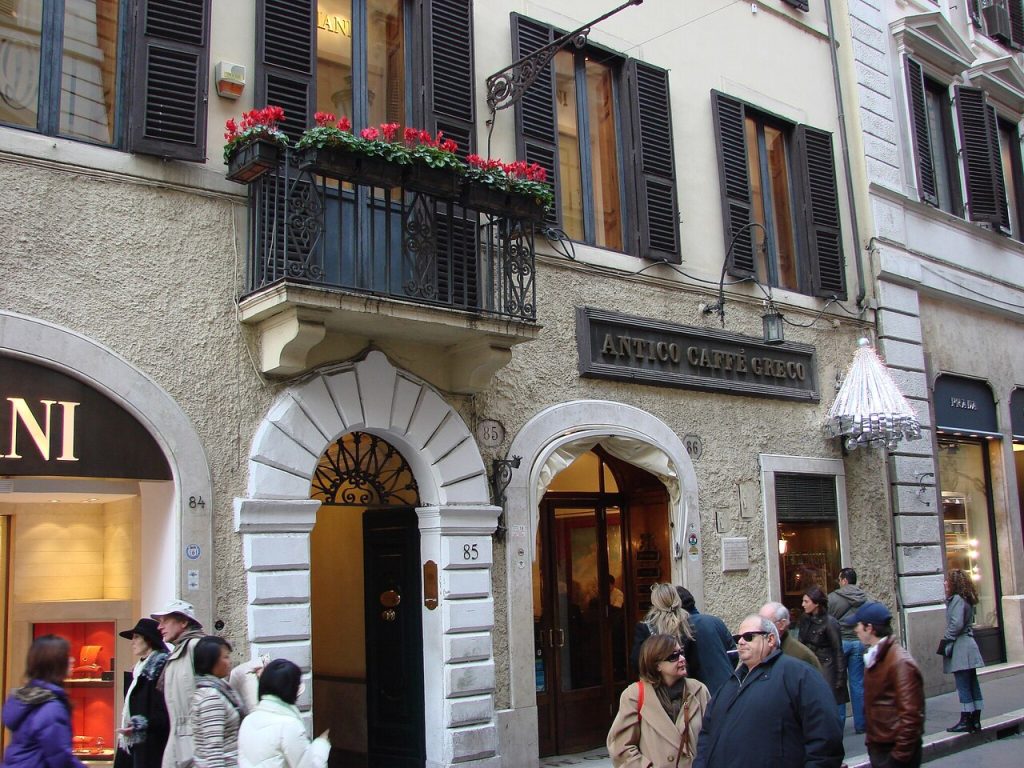
Near the Spanish Steps in Rome, Antico Caffè Greco has served guests since 1760. Its walls are crowded with paintings and portraits, creating a layered, almost salon-like atmosphere. Figures such as Johann Wolfgang von Goethe once stopped here during their travels.
You squeeze into a small table and order a strong espresso. The room feels intimate, even slightly chaotic, yet that density adds to its charm. Every corner seems to hold a story. You linger not just for the coffee but for the sense of continuity. Generations have done exactly what you are doing now: sitting, observing, and thinking.
8. Café Imperial, Prague
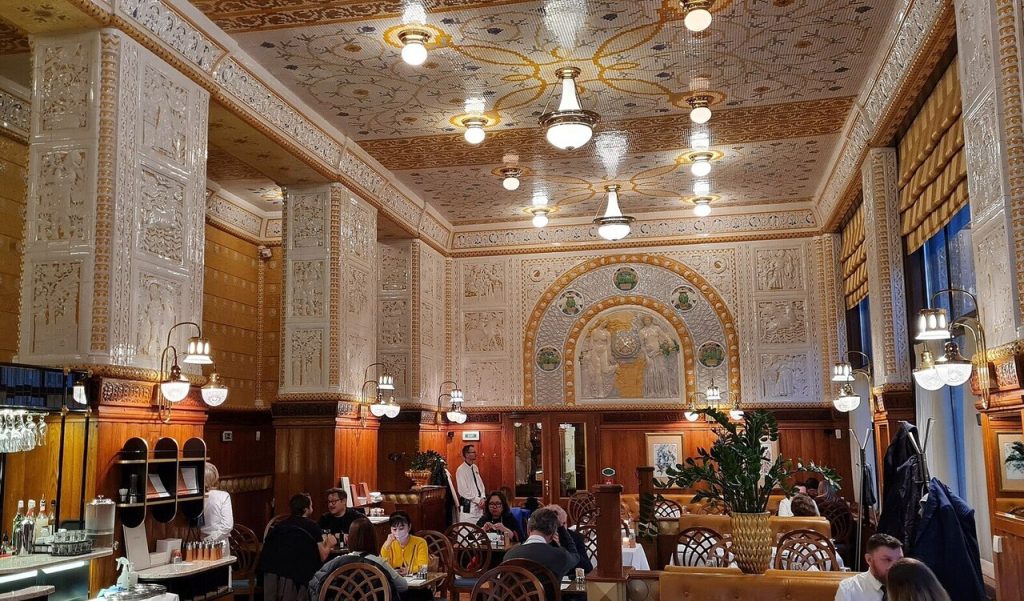
In Prague, Café Imperial is known for its Art Nouveau ceramic tiles and high ceilings. Opened in the early twentieth century, it became a meeting point for artists and intellectuals in the city. You sit beneath intricate tilework that climbs the walls in geometric patterns.
Breakfast and coffee arrive with understated precision. The setting feels refined yet comfortable. You can spend an afternoon here with a notebook or simply watch light move across the tiled surfaces. The café embodies Prague’s layered history, inviting you to slow down and savor both architecture and conversation. Even a quiet pause feels intentional in a room designed to be admired.
9. Café du Monde, New Orleans
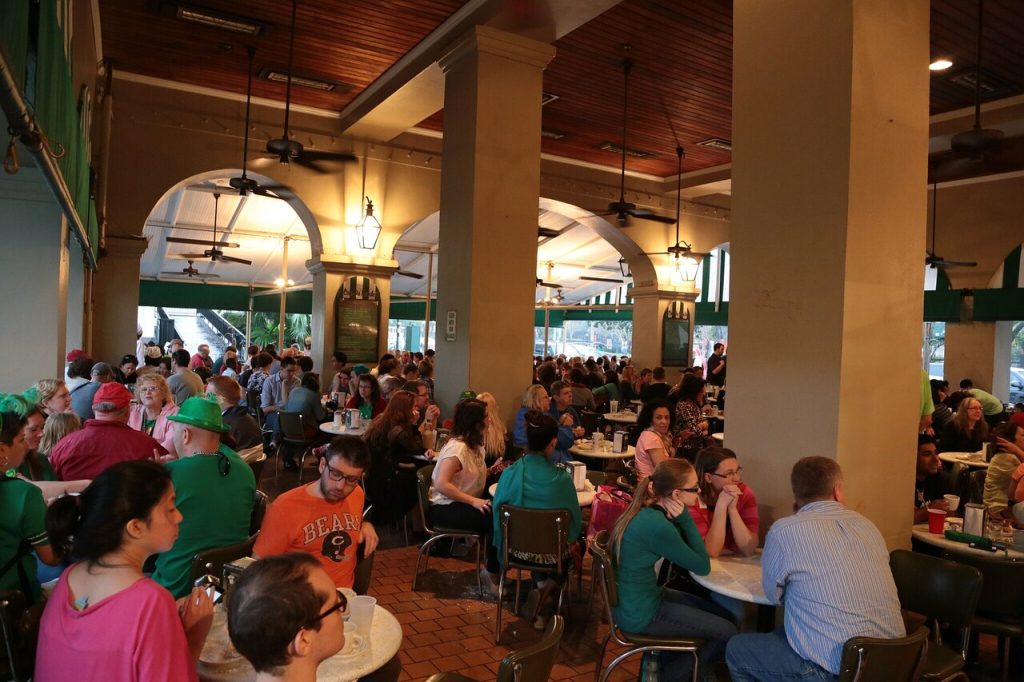
In the French Quarter of New Orleans, Café du Monde has served coffee and beignets since 1862. Open air and lively, it carries a different rhythm from European salons, yet the tradition of lingering holds strong. You dust powdered sugar from your fingers and sip chicory coffee as street musicians play nearby.
The setting is casual, but the sense of history runs deep. Locals and visitors share tables, conversation rising and falling with the breeze. You can stay through a lazy afternoon, watching the Quarter shift from bright daylight to early evening glow. The café proves that Old-World spirit thrives well beyond Europe.