
You probably know people who collect stamps or run marathons, but there is a whole world of hobbies that push curiosity into strange territory. From cataloging microscopic details to chasing extreme precision, these pursuits show how far passion can go when you decide to follow it without worrying about how it looks.
Many of these communities share research, attend niche events, and document their progress with surprising rigor. Looking at them gives you a glimpse into how obsession can turn into skill, creativity, and sometimes friendly competition. Here are nine hobbies that sound unbelievable at first, yet are practiced seriously by people who love the challenge.
1. Extreme ironing

You combine outdoor adventure with household chores by taking an ironing board to unusual places like mountains, rivers, or even underwater. What started as a quirky idea grew into meetups and documented challenges where you test balance, patience, and a sense of humor. Photos and videos often circulate in niche communities, showing carefully pressed shirts in unlikely settings.
You quickly learn that preparation matters, since wind, moisture, and terrain can complicate a simple task. Participants often share tips on equipment and safety, turning the hobby into a playful but organized pursuit that celebrates creativity as much as precision.
2. Competitive duck herding
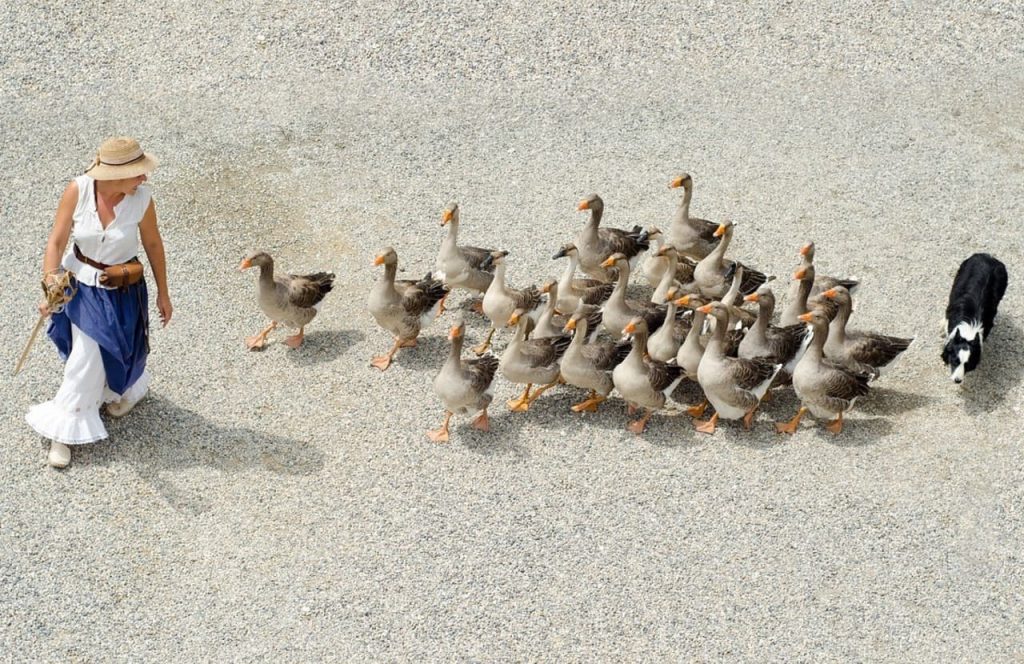
You guide flocks through obstacle courses using whistles, gestures, and calm movement, much like sheepdog trials but with more unpredictability. Events often take place at agricultural fairs, where spectators watch handlers try to steer ducks through gates without causing stress. The hobby requires patience and a surprising understanding of animal behavior.
You discover that ducks respond best to steady pacing and clear signals, making the activity as much about observation as control. Enthusiasts often train regularly and exchange advice, turning what looks amusing into a disciplined practice rooted in traditional farming skills.
3. Soap carving micro art
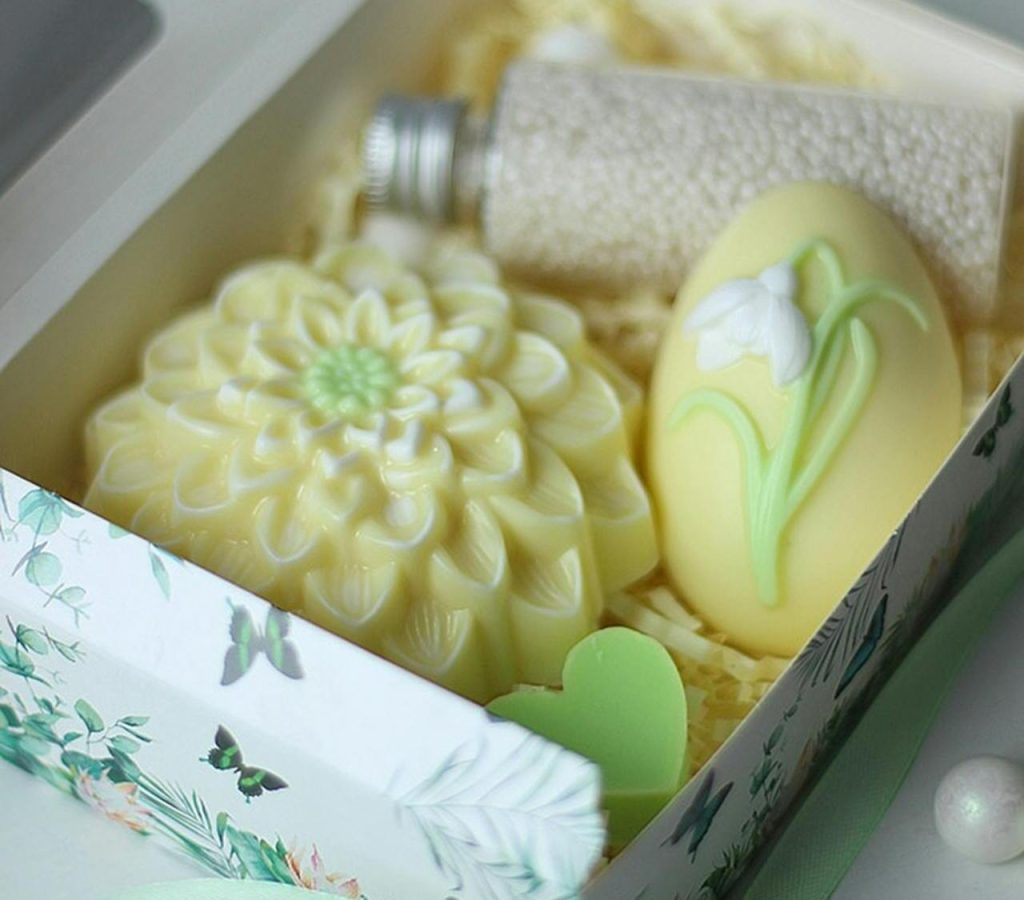
You shape intricate designs into bars of soap using fine tools, creating tiny sculptures that can include buildings, portraits, or abstract patterns. Artists share their work in online forums and small exhibitions, where detail and steady hands earn admiration. The process teaches you focus and careful planning with every cut.
You also learn about different soap textures and how temperature affects carving, which adds a technical layer to the craft. Many hobbyists document progress step by step, turning each piece into a study of patience and precision rather than a quick decorative project. You start seeing ordinary materials as opportunities for quiet creativity.
4. Elevator spotting

You track and document elevators in buildings, noting manufacturers, design styles, sounds, and ride quality. Enthusiasts often film rides and catalog features, treating each lift like a piece of engineering history. You start noticing details most people ignore, from button layouts to door mechanisms.
You may visit hotels, malls, and office towers specifically to compare systems, building a personal archive over time. Communities discuss maintenance trends and vintage models, turning everyday rides into a structured hobby that blends curiosity with technical appreciation. You begin to recognize how design choices shape everyday experiences.
5. Professional line standing as a pastime

You treat waiting in long queues as a challenge, timing strategies, and observing crowd behavior, while others avoid the inconvenience. Some hobbyists practice for fun, seeing how efficiently they can navigate ticket releases or product launches. You begin to notice patterns in how lines form and move.
You might track peak times and share insights with online groups that discuss queue psychology. The activity sharpens patience and observation, transforming an ordinary frustration into a study of social dynamics and personal endurance. You start noticing how small changes influence crowd flows. You become more aware of how people react under pressure.
6. Train horn collecting
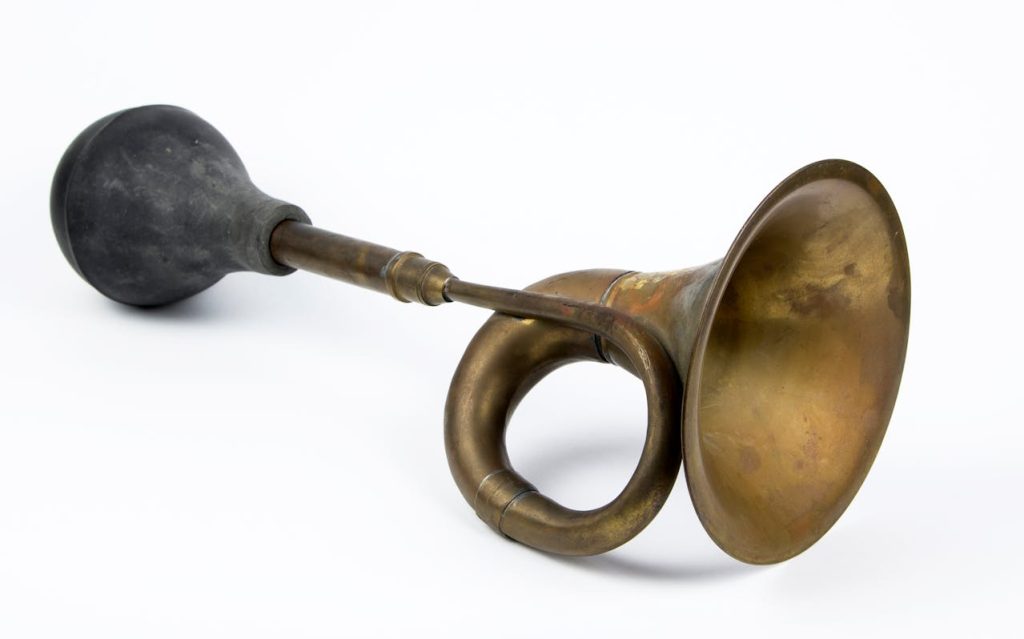
You seek out vintage and modern train horns, restoring them and learning about their acoustic signatures. Collectors often attend rail events or swap meets, where they exchange stories about rare finds and maintenance techniques. You gain an appreciation for industrial design and sound engineering.
You also explore the history behind different models, connecting each piece to specific rail eras or manufacturers. Demonstrations and recordings allow enthusiasts to compare tones, turning the hobby into a blend of preservation, research, and hands-on tinkering. You start to recognize subtle differences in pitch and resonance.
7. Amateur storm chasing

You follow weather systems to observe storms, documenting cloud formations and atmospheric changes while prioritizing safety. Many hobbyists study meteorology basics and use forecasting tools to plan outings. You learn to read radar maps and understand how conditions evolve in real time.
You often share photos and field notes with communities that value careful observation over thrill seeking. The experience deepens your respect for natural forces and encourages responsible exploration guided by scientific understanding. You begin to notice subtle patterns in changing skies. You develop a sharper sense for predicting weather shifts before they happen.
8. Pencil sharpening perfectionism
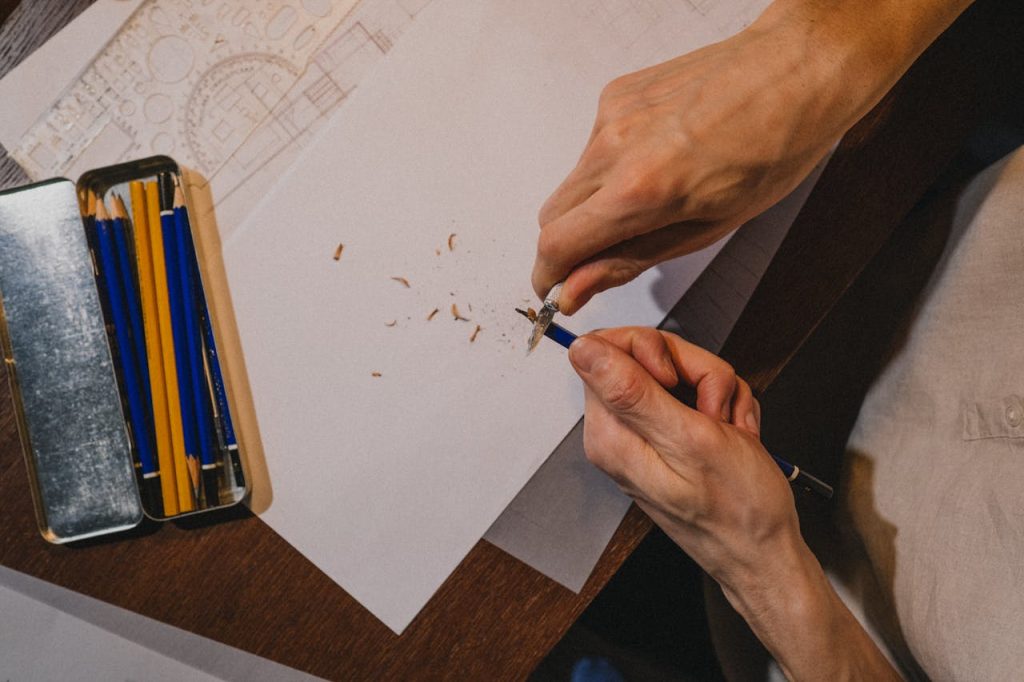
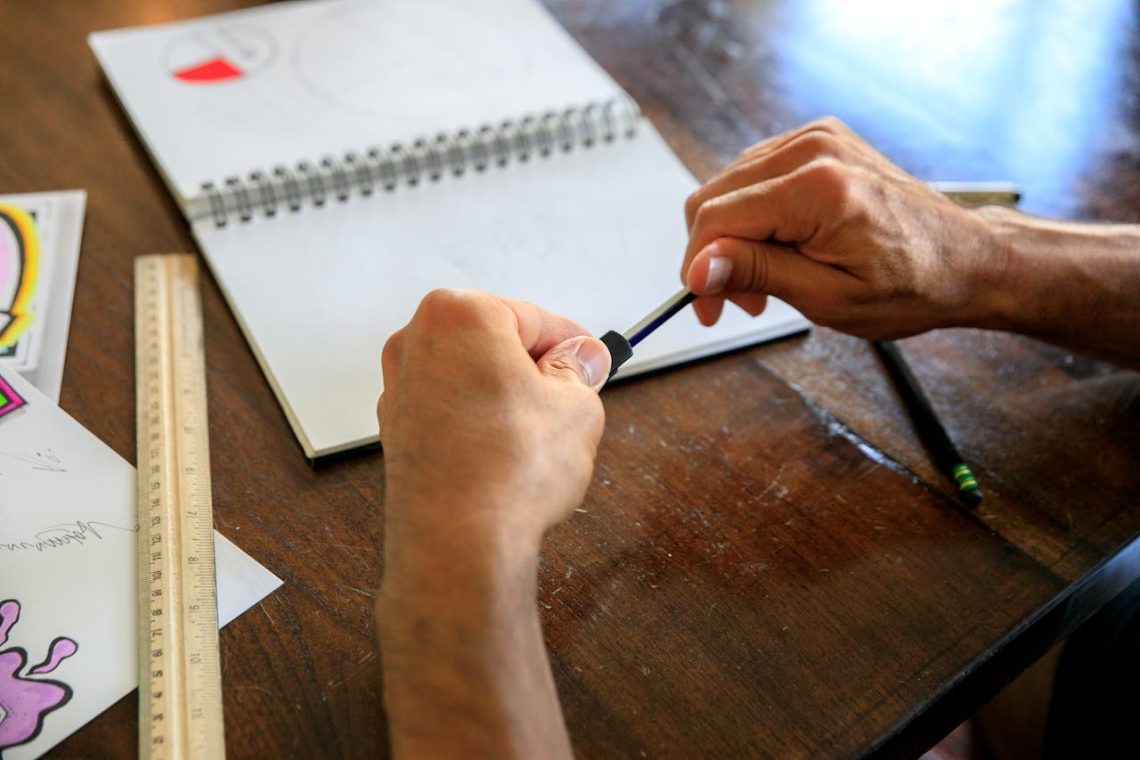
You experiment with blades, sandpaper, and specialized sharpeners to achieve the ideal point, documenting angles and wood grain behavior. Enthusiasts compare techniques and discuss graphite quality, treating a simple task as a craft. You begin to notice subtle differences in writing feel and durability. You start seeing pencils as more than just tools; they become objects of study.
You may keep journals tracking results, refining methods through trial and error. The hobby rewards patience and attention to detail, turning an everyday tool into a subject of careful study and quiet satisfaction. Over time, you develop a personal method that consistently produces the perfect point.
9. Competitive air guitar
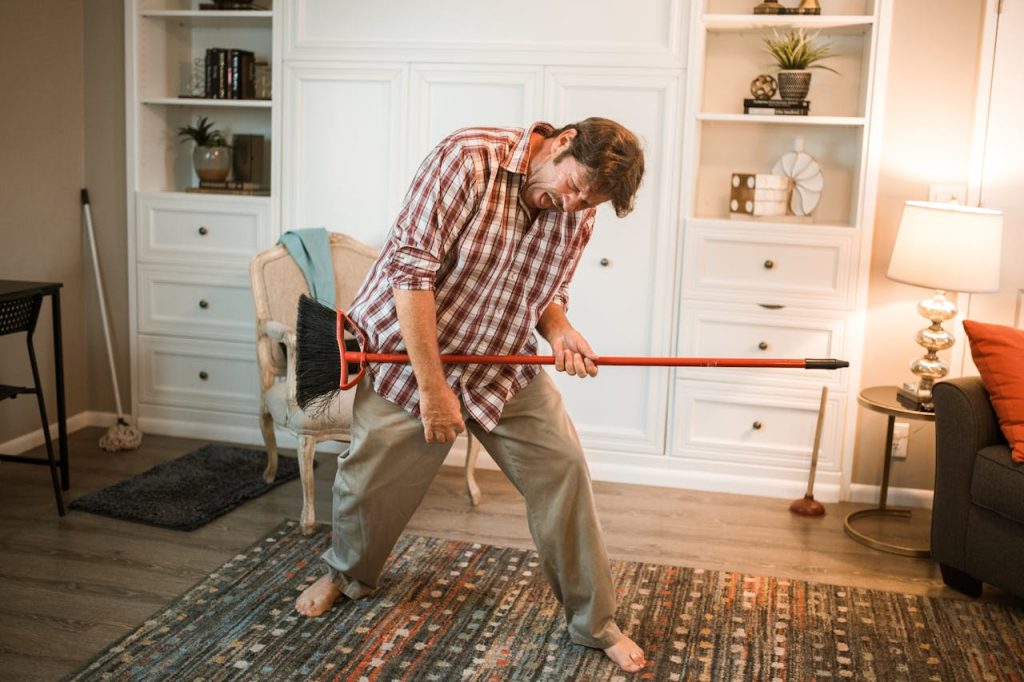
You perform imaginary guitar routines with choreographed moves, timing, and expressive flair, often in local contests or larger events. Judges evaluate creativity and stage presence, and participants practice routines with surprising dedication. You learn how performance skills can transform a playful idea into a real competition.
You might connect with communities that share routines and techniques, building confidence through performance. Coverage of championships and record attempts shows how seriously enthusiasts take the craft, blending humor with genuine artistry. You begin to notice how small gestures can make a routine memorable.