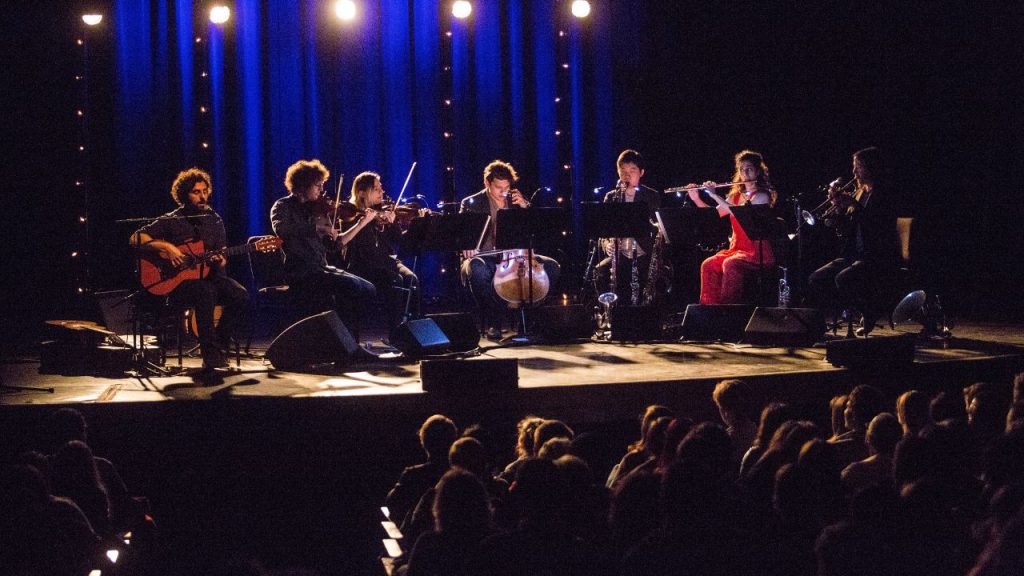
The 1920s were a decade of incredible transition. Electricity was spreading but not universal, radios were becoming the height of home entertainment, and many families still held onto Victorian-era customs. Compared to today’s screen-filled, fast-paced routines, evenings in the 1920s moved at a slower, more intentional rhythm. Here are nine evening traditions families once practiced that now feel surprisingly unusual. These traditions reveal how families connected deeply in an era defined by slower, simpler evenings.
1. Family Radio Time
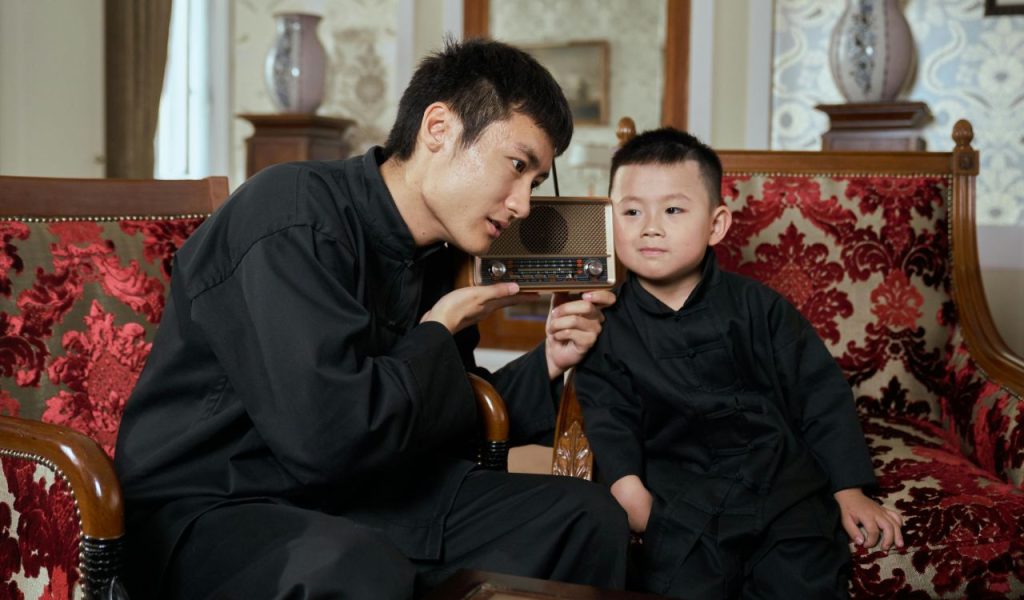
When a family bought a radio in the 1920s, it became a centerpiece of the home, almost like a shrine to modernity. In many households, evenings were planned around scheduled radio programs. Families would arrange chairs specifically to face the device, lower their voices, and wait for the broadcast to begin. This was a completely shared experience: no headphones, no portable speakers, and certainly no individual screens. Neighbors often joined in to listen, turning the event into a small social gathering. People would discuss the programs afterward, the way we now recap episodes of popular shows.
2. Dressing Up for Dinner Even at Home
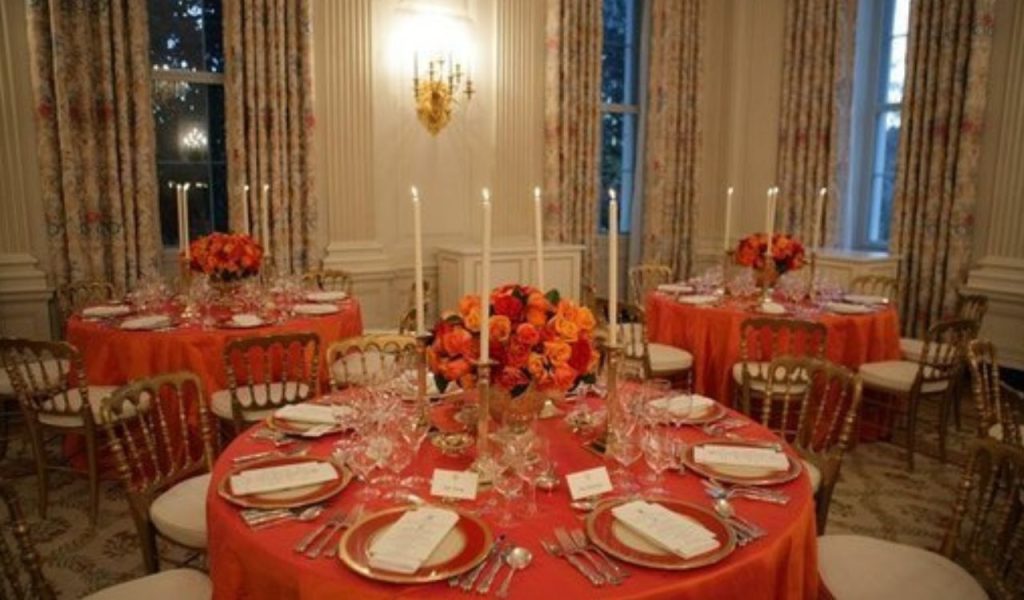
In the 1920s, dinner was a formal occasion regardless of social class. Many people wore more structured clothing, even in their own homes. Children washed up, brushed their hair, and sometimes changed outfits before sitting at the table. Table manners were considered essential social training, so families treated dinner as a chance to reinforce discipline, structure, and refinement. Dinner wasn’t rushed either. Families stayed at the table, talked about their day, and sometimes discussed news events or local happenings. Grabbing food, eating apart, or using a phone at dinner would’ve felt unheard of back then.
3. Doing Chores Before Relaxing
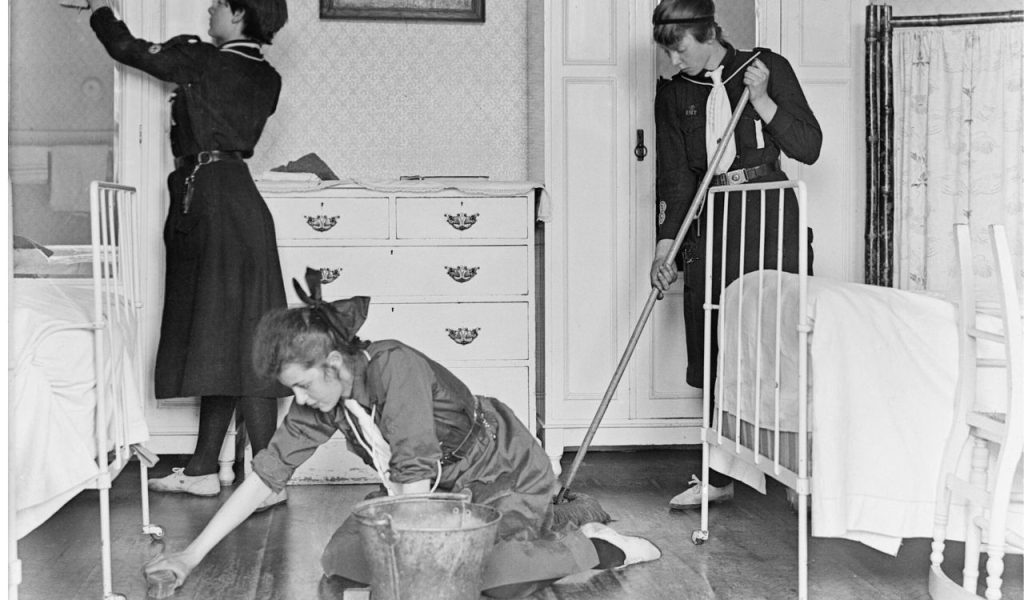
Because homes lacked many modern conveniences, evenings involved practical tasks that couldn’t wait until morning. Someone had to stoke the coal stove or add wood to the fireplace. Lamps needed filling or trimming. Floors were swept daily to manage dust and soot. And because washing machines and dishwashers weren’t common, cleaning up from dinner took considerable time and teamwork. Families saw chores as a natural part of evening life, not a burden. Children were expected to help according to age, and this involvement was part of learning responsibility.
4. Reading Aloud as a Group
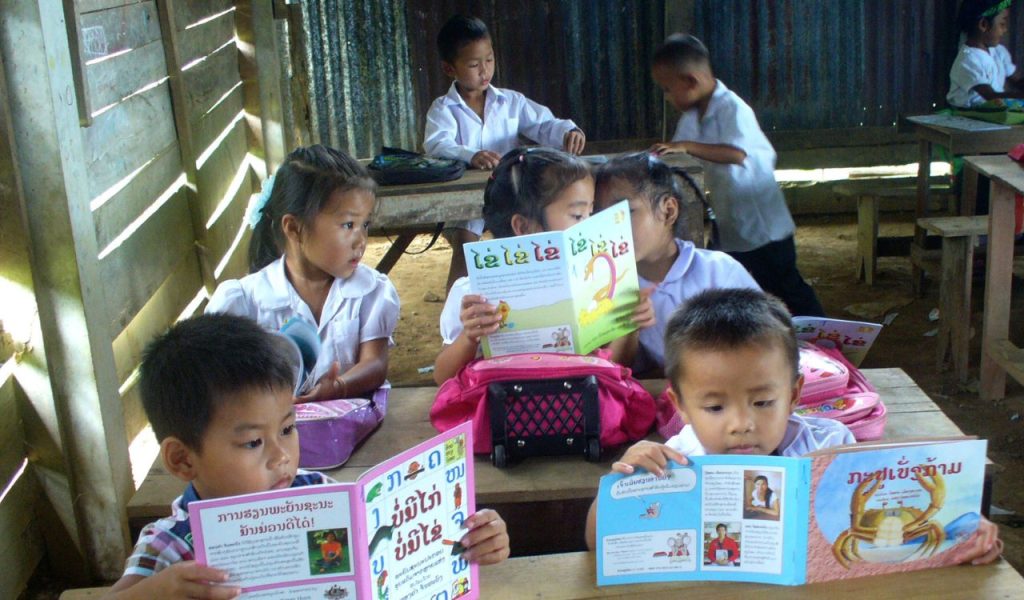
Before television and smartphones, shared reading was a beloved and practical form of entertainment. The family member with the clearest voice or most expressive delivery would read novels, adventure stories, poetry, or serialized fiction from newspapers. Others might occupy their hands with sewing, knitting, mending clothes, or whittling small crafts. This tradition brought the whole household together, regardless of age. Children improved their vocabulary by hearing adult-level literature, and parents saw reading aloud as both bonding time and education.
5. Visiting Neighbors Unannounced
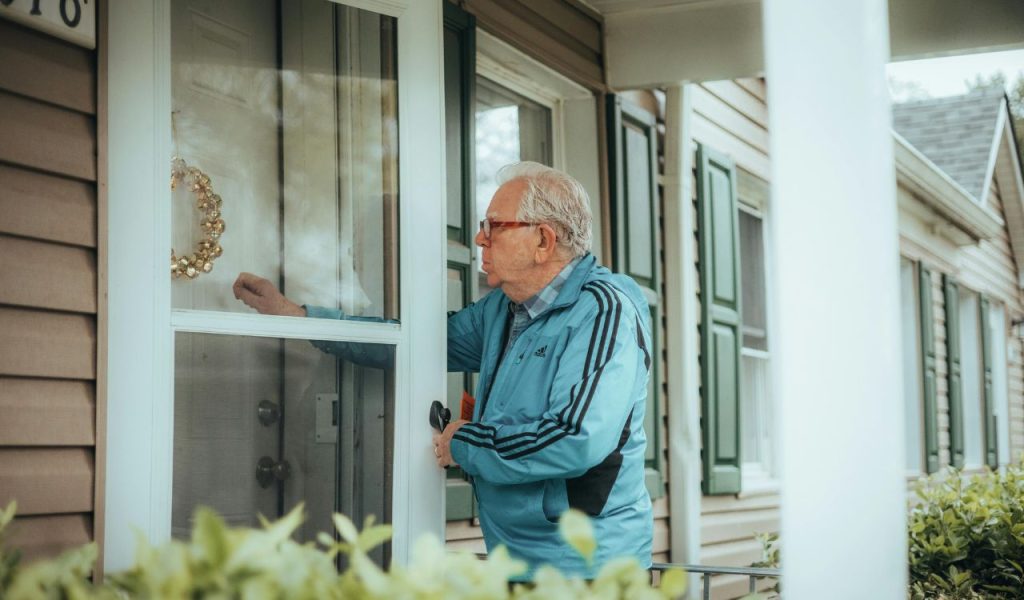
The 1920s were a remarkably social decade, and evenings were a prime time for casual visiting. A family might decide on a whim to stroll to a nearby house and knock on the door for a friendly chat. No one considered it rude; in fact, it was encouraged. With fewer entertainment options, social interaction served as both recreation and community-building. These visits often included coffee, homemade sweets, card games, or simply conversation on the porch. Because people spent so much time outdoors and knew their neighbors well, these spontaneous gatherings strengthened bonds that lasted for years.
6. Homemade Ice Cream Nights
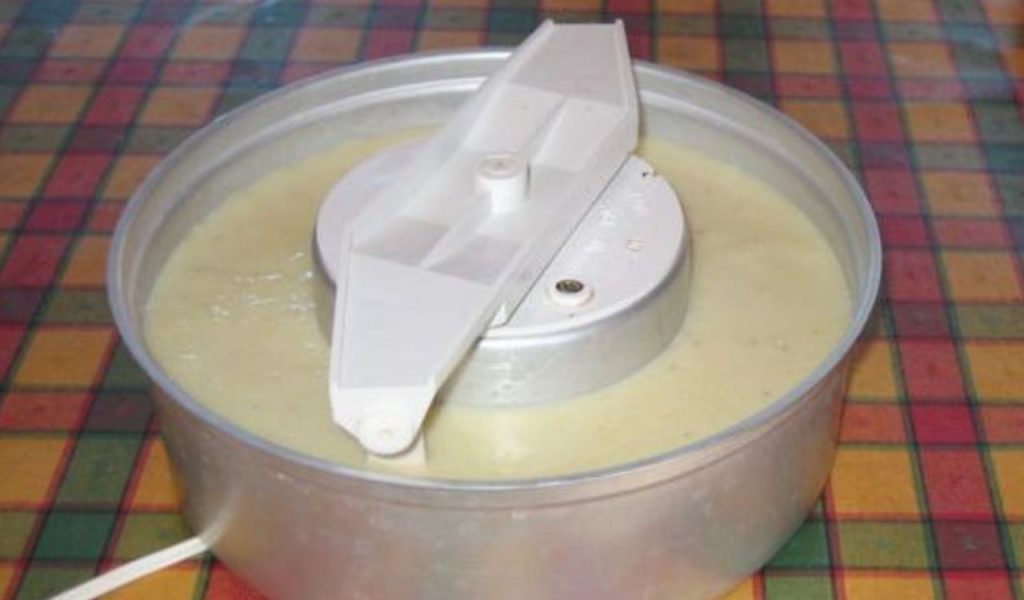
Most families didn’t keep large stores of packaged desserts. If they wanted something sweet at night, they made it themselves. Hand-cranking ice cream was especially popular in the summer. The process took time, strength, and patience, making it a group activity. Someone added salt and ice, another turned the crank, and children eagerly waited for the first taste. Other evenings might involve baking fruit pies, whipping up custards, or preparing popcorn on the stove. Unlike today’s convenience foods, desserts were tied to effort, ritual, and togetherness, which made them feel more special.
7. Old-Fashioned Game Nights
With no televisions and very few households able to afford movie theaters regularly, families relied on games that required creativity and social interaction. Evenings were filled with charades, riddles, improvisational storytelling, and board games like checkers or dominoes. Parlor games were designed to make people laugh, move around, and interact face-to-face. They also bridged generation gaps, giving children and adults a common activity. The idea of sitting quietly staring at a screen for hours would have seemed strange compared to the lively noise of game nights.
8. Early Bedtimes (and Strict Rituals)
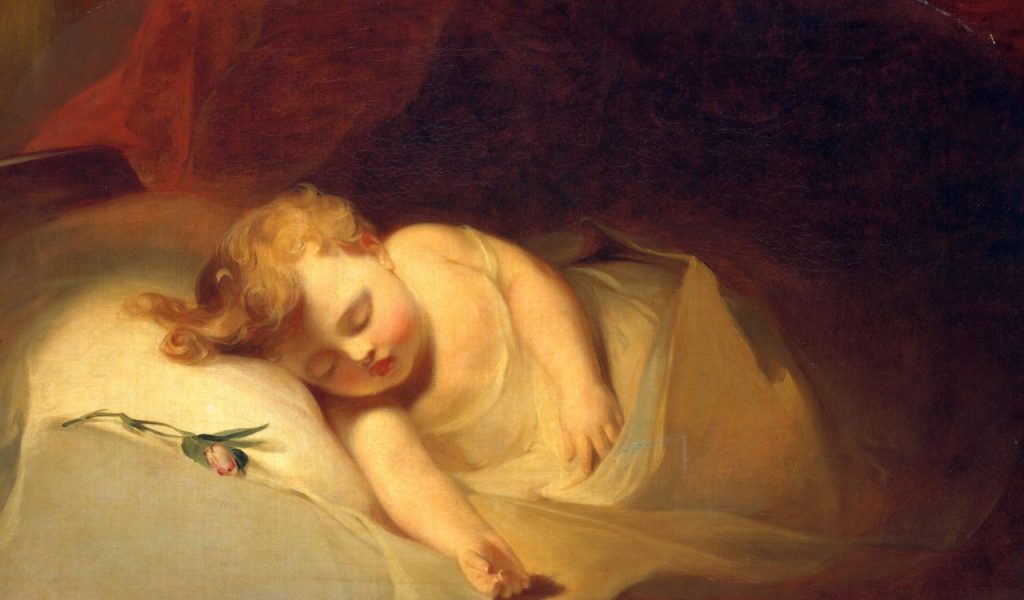
Nighttime routines were highly structured, and bedtimes came much earlier than today, often before 9 p.m. Without widespread electric lighting, it simply made sense to wind down once the sun went down. Bathing was often done with limited water, and preparing for bed meant tasks like brushing long hair, warming bricks to place under blankets, or preparing hot water bottles. Children, especially, were expected to follow strict schedules. Bedrooms were usually colder, so families layered quilts and sometimes even wore nightcaps. Sleep was taken seriously, as people rose early for farm chores, factory shifts, or school duties.
9. Listening to Live Music at Home

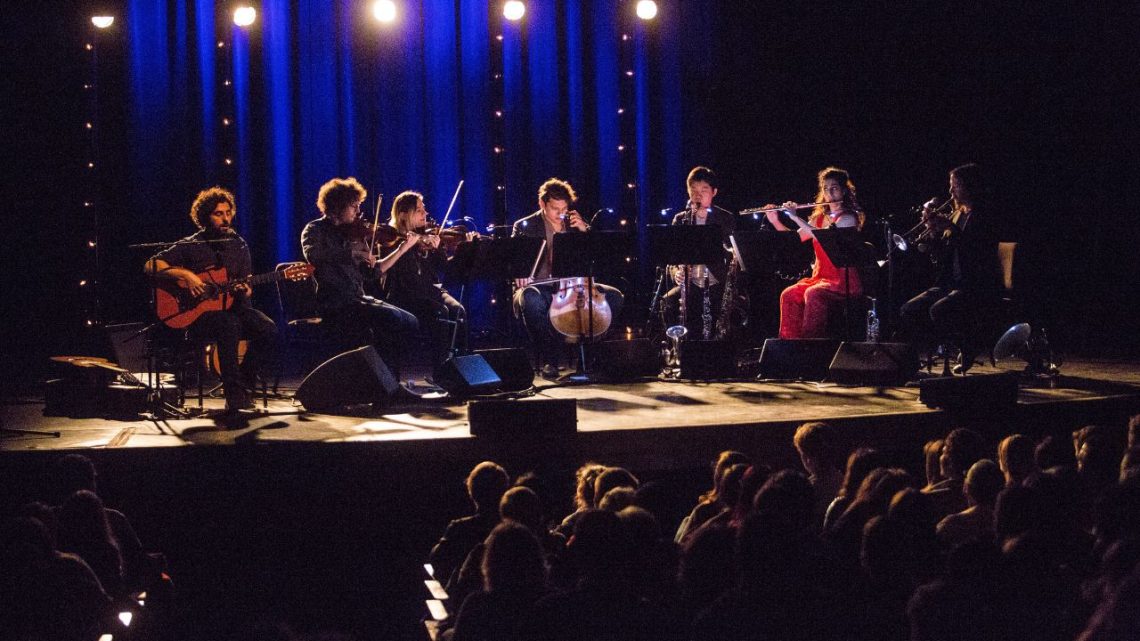
Many families played instruments, especially the piano, violin, or harmonica. It wasn’t just a hobby; it was a primary form of entertainment. After dinner or chores, someone might sit at the piano and play popular songs or classical pieces while others sang along. Homes were filled with music, not because of speakers, but because people created it themselves. Musical evenings fostered pride, skill, and bonding. Today, playing instruments has become a niche activity, but in the 1920s, it was a household norm. These nightly performances often became cherished family rituals that everyone eagerly anticipated.